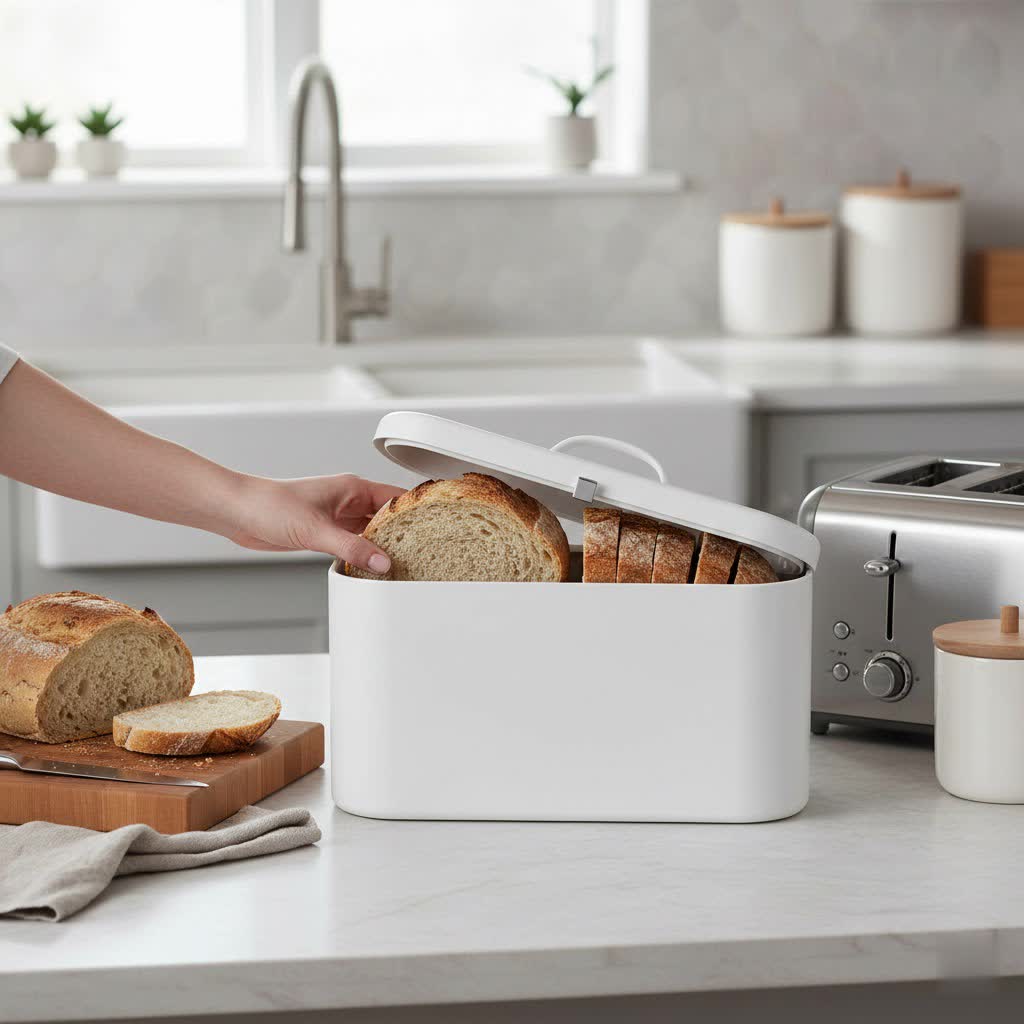
Step into any vintage-inspired kitchen, and you’re likely to encounter a familiar, comforting presence: the antique metal bread box. Far more than just a decorative piece, these charming containers once played a pivotal role in every household, safeguarding the daily loaf long before modern refrigeration and plastic packaging became commonplace. Today, as home baking enjoys a renaissance and appreciation for handcrafted items grows, the antique metal bread box is not merely a relic of the past but a sought-after treasure, blending nostalgic aesthetics with practical utility. If you’ve ever wondered about the history, value, or enduring appeal of these iconic kitchen items, you’re about to discover why they continue to captivate collectors and homemakers alike.
What is an Antique Metal Bread Box?
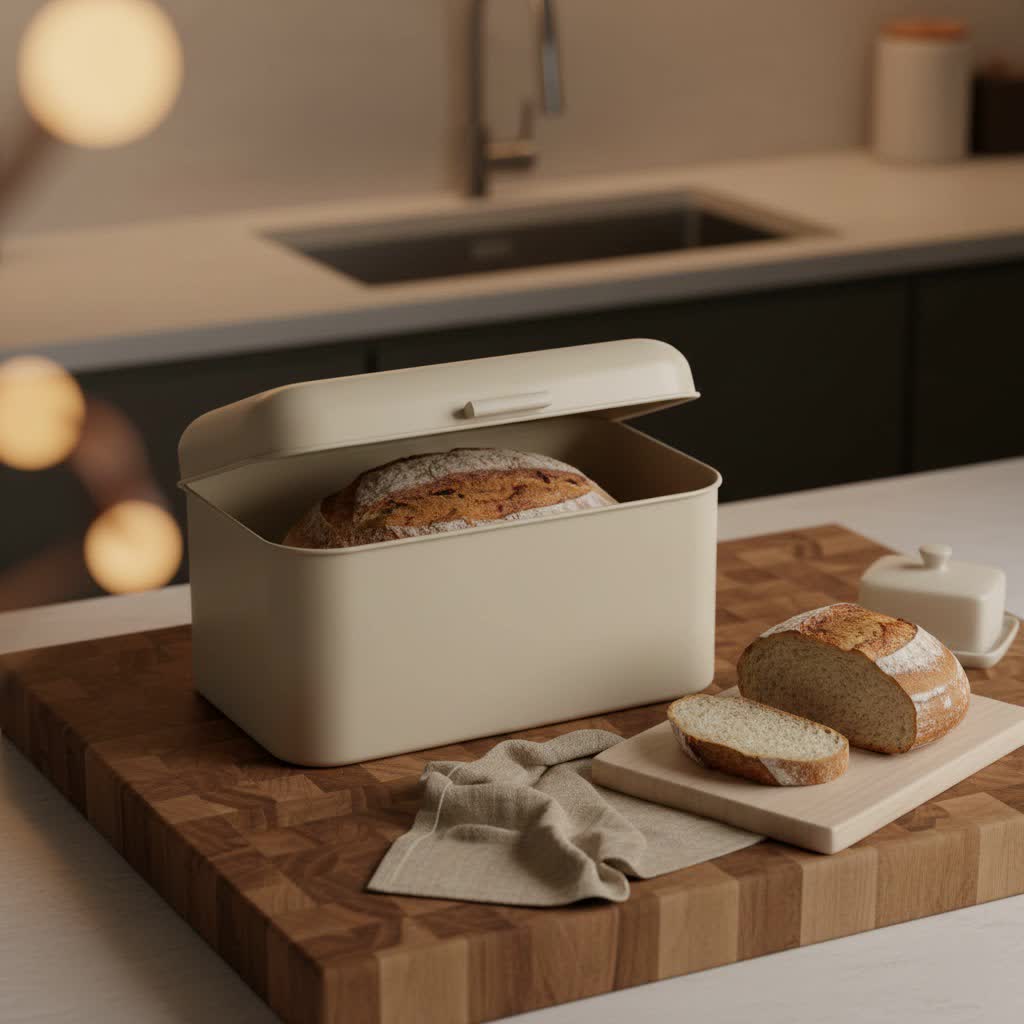
An antique metal bread box, often referred to as a bread bin, is a specialized container designed to store bread at room temperature, preserving its freshness for an extended period. These boxes emerged as household staples in the late 19th and early 20th centuries, with early designs appearing in the 1800s and a notable patent by Stanley Walter Krebs in 1918. Before the advent of ubiquitous preservatives and plastic-wrapped loaves, bread was typically purchased from a bakery or baked at home, meant for consumption within a day or two. The bread box provided the ideal environment, protecting bread from rapid staling, mold, and pests.
While various materials like wood and ceramic were used, metal—especially tin, steel, and enamel-coated varieties—became particularly popular due to its durability, ease of cleaning, and the ability to be decoratively painted. These boxes often featured roll-top or flip-top designs, reflecting the prevailing aesthetics of their era.
Why Did People Need Bread Boxes? The Science of Freshness
The primary purpose of a bread box was to keep bread fresh longer, and it achieved this through a clever understanding of bread science. Unlike modern refrigerators that can dry out bread quickly, or airtight plastic bags that trap moisture and accelerate mold growth, bread boxes provided a balanced environment.
Here’s why they were essential:
- Room Temperature Storage: Bread, especially artisanal or homemade loaves, maintains its texture and flavor best at room temperature. Cold temperatures accelerate the retrogradation of starch, making bread stale faster.
- Controlled Airflow: Most bread boxes were designed with a loose-fitting lid or subtle vents. This crucial feature allowed for a minimal exchange of air, preventing the buildup of condensation that leads to mold, while still protecting the bread from excessive air exposure that would cause it to dry out.
- Protection from Pests: In older homes, bread boxes offered a vital barrier against insects, rodents, and other kitchen pests, ensuring that the family’s staple food remained hygienic and untouched.
- Shield Against Light and Dust: Storing bread in a dark, enclosed space also protected it from direct light, which can degrade its quality, and from airborne dust and contaminants.
In essence, the bread box created a microclimate that prolonged the edible life of bread, a necessity in an age without advanced food preservation methods.
The Allure of Antique Metal Bread Boxes: Types and Styles
Antique metal bread boxes possess a unique charm, often showcasing the design trends and craftsmanship of their time. They were primarily constructed from materials like tin, steel, and often coated with enamel, a durable and aesthetically pleasing finish.
- Tin and Steel Bread Boxes: These were robust and practical, frequently painted in solid colors or with simple decorative motifs. Their utilitarian nature made them a staple in many kitchens.
- Enamelware Bread Boxes: Perhaps the most iconic, enamel-coated metal bread boxes offered both durability and decorative appeal. The enamel, essentially fused glass powder, created a smooth, hard surface that was easy to clean and often featured vibrant colors, floral patterns, or charming hand-painted lettering. These frequently embody a quintessential antique aesthetic.
- Galvanized and Chrome Finishes: While less common for decorative purposes, some bread boxes had galvanized finishes for rust resistance or chrome accents, particularly popular in Art Deco or Mid-Century Modern designs, adding a sleek, industrial touch.
Common Styles:
- Roll-top: Featuring a curved, retractable lid that slides open and closed, a design that maximized counter space.
- Flip-top (or Lift-lid): A simpler design with a hinged lid that lifts open.
- Drawer-style: Less common for bread specifically, but some kitchen bins incorporated a bread drawer.
The aesthetic variety, from the cheerful pastels of the 1930s and 40s to the bold geometric patterns of Art Deco, makes these metal boxes highly desirable for collectors and those looking to add a touch of vintage flair to their homes. The natural patina and minor surface rust that many antique metal bread boxes develop over time are often considered part of their authentic charm and collectibility.
Identifying an Authentic Antique Metal Bread Box
Distinguishing a genuine antique metal bread box from a modern reproduction or vintage-style item requires a keen eye for detail. Several characteristics can help you determine the authenticity and age of a piece.
Key Construction Features
- Hand-Soldered Seams: For metal bread boxes dating before the 1940s, look for hand-soldered seams, particularly at the corners and along edges. This indicates an older manufacturing process compared to later spot welding.
- Riveted Construction: Early metal boxes often utilized rivets to join panels or attach hardware, rather than modern welding techniques.
- Thicker Metal: Authentic antique metal bread boxes tend to feel heavier and more substantial due to the use of thicker gauge metals in their construction.
- Genuine Porcelain Enamel: If the box is enamel-coated, ensure it’s true porcelain enamel, which has a distinct hard, glassy feel, rather than a plastic coating found on many newer items. This material was common between the 1920s and 1950s.
|
Our Picks for the Best Bread Box in 2026
We may earn a commission when you use one of our links to make a purchase.
|
||
| Num | Product | Action |
|---|---|---|
| 1 | Double Layer Bread Box for Kitchen Countertop, Large Breadbox Bread Container Storage with Windows, Wooden Farmhouse Bread Holder (Black) |

|
| 2 | Fullin Bread Box for Kitchen Countertop, Bread Storage Container Large Capacity Bamboo Homemade Bread Boxes, Bread Food Holder Organizer with Acrylic Window for Kitchen Counter, Panry Shelf, Cabinet |
|
| 3 | ZICOTO Beautiful Bread Box With Wooden Lid For Your Kitchen Countertop - Spacious Container Perfectly Stores Your Homemade Bread, English Muffins & Bagels - Quality Cutting Board Lid Keeps Loaf Fresh |
|
| 4 | Bamboo Bread Box for Kitchen Counter-Large Capacity Bread Storage Container Farmhouse Bread Box with Window Bread Holder |
|
| 5 | ROYALHOUSE Natural Bamboo Roll Top Bread Box Kitchen Food Storage - Assembly Required |
|
| 6 | Bread Box Bread Boxes for Kitchen Counter Airtight, Time Recording Bread Storage Container with Lid, Bread Keeper for Homemade Bread, Toast, Bagel, Donut and Cookies, Grey |
|
| 7 | Black Corner Bread Box for Kitchen Countertop, Large Bread Container Storage Bamboo Wooden Farmhouse Bread Box with Window Bread Holder |
|
| 8 | Sunhoo Bread Box for Kitchen Countertop Wooden Bread Storage Container Bin 2 Layer Breadbox Holder Large Capacity Keeper Vintage Farmhouse Food Organizer Pantry Shelf Acrylic Window (Brown) |
|
| 9 | 2 Pack Glass Loaf Pan with Lid, 1.9QT/ 62 OZ Bread Pan - Baking Dish with Airtight Lids BPA free - Meatloaf Pans For Homemade Bread, Baking, Cakes, Dessert,Microwave & Oven Safe |
|
| 10 | Amazon Basics Carbon Steel Bread Box with Acacia Wood Lid, Lid Doubles as Cutting Board, 11.9 x 7.1 x 5.2 in. |
|
Design and Markings
- Hand-Painted Details: Look for hand-painted lettering, decorative elements, or pinstriping. These often exhibit slight inconsistencies, a hallmark of hand craftsmanship, as opposed to machine-applied decals.
- Art Deco and Mid-Century Modern Fonts: The typography used on many antique bread boxes can be a strong indicator of age, with distinctive Art Deco fonts or Mid-Century Modern styles offering clues.
- Manufacturer Stamps and Logos: Many original manufacturers, such as Ransburg or Waechtersbach, would stamp or mark their products. Researching these marks can help in dating and authenticating the box.
Signs of Age
- Natural Patina and Rust: A certain amount of wear, including minor rust (patina) on metal surfaces or softened edges on wooden components, is expected and often desirable on genuine antiques. This natural aging contributes to their character.
- Hardware: Older metal bread boxes typically feature flat-head screws, which were more common before Phillips-head screws gained popularity after the 1930s. Hinges might be made of cast iron or brass with a natural patina.
By carefully examining these features, you can better assess the authenticity and historical context of an antique metal bread box.
What Makes an Antique Metal Bread Box Valuable?
The value of an antique metal bread box can vary significantly, ranging from affordable vintage finds to highly prized collector’s items fetching hundreds or even thousands of dollars. Several factors contribute to its market worth.
- Age and Rarity: Generally, bread boxes from the late 19th century through the mid-20th century are most collectible. Pieces from specific design periods like Art Deco (1920s-1930s) or Mid-Century Modern (1940s-1960s) are often more valuable due to their distinctive aesthetics and cultural significance. Rarer examples, such as those from the earliest periods or limited production runs, command higher prices.
- Brand and Manufacturer: Bread boxes from renowned kitchenware manufacturers are often more sought after. Brands like Ransburg are highly collectible, with authentic Ransburg tin bread boxes from 1933 to the mid-1960s potentially selling for $50 or much more, depending on their uniqueness.
- Condition: As with any antique, condition is paramount. Bread boxes in excellent original condition, with minimal dents, rust, or fading, fetch the highest values. The presence of original paint, hand-painted graphics, or intact enamel greatly enhances their worth. Minor wear and patina appropriate for the age are acceptable, but significant damage can reduce value.
- Unique Construction and Design: Boxes made from less common metals, such as copper, or those with unique features like built-in cutting boards, knife holders, or unusual decorative elements (e.g., specific hand-painted scenes) tend to be more valuable. Double-decker bread boxes are also highly desired by collectors.
- Historical Significance: Sometimes, a bread box might have a documented provenance or be associated with a particular historical event or famous individual, which can dramatically increase its value.
While many vintage metal bread boxes can be found for $40-$100 in thrift stores or online marketplaces, exceptional and rare pieces on platforms like 1stDibs can range from $175 to an astonishing $30,000, underscoring the broad spectrum of their collectibility.
Caring for and Restoring Your Vintage Metal Treasure
Acquiring an antique metal bread box often means taking on the rewarding task of cleaning or potentially restoring it. Proper care ensures its longevity and maintains its aesthetic appeal.
Cleaning and Rust Removal
- General Cleaning: For light dirt and grime, a simple wash with warm, soapy water and a soft cloth is usually sufficient. Ensure the box is thoroughly dried immediately afterward to prevent new rust.
- Rust Removal: Rust is a common issue with older metal items. Several methods can be employed:
- Mechanical Removal: For surface rust, fine-grit sandpaper, a wire brush, or an abrasive wheel can be used carefully.
- Chemical Solutions: Rust removers, often containing mild acids, can be effective but must be used with caution, following product instructions, and ensuring proper ventilation. Acid soaks should be neutralized and the metal dried immediately.
- Natural Methods: White vinegar or a paste of baking soda and water can help with minor rust spots.
- Professional Techniques: For heavy rust, techniques like sandblasting or electrolysis might be considered, though these are more specialized and may require professional help.
- Rust Prevention: After cleaning and rust removal, applying a protective coating can help prevent future corrosion. For decorative pieces, a clear sealant or wax can work. If you plan to use it for food, research food-safe options. Some metals, like aluminum and stainless steel, naturally form a protective oxide layer (passivation).
Painting and Repurposing
- Repainting: Many collectors choose to repaint metal bread boxes to either restore their original look or give them a modern update. If painting, thoroughly clean, sand, and prime the surface with a rust-inhibiting primer (like Rustoleum) before applying your chosen color.
- Decorative Finishes: Beyond solid paint, you can consider decoupage with decorative paper, stenciling, or even applying contact paper for a fresh look.
- Food Safety: If you intend to use an antique metal bread box for actual bread storage, ensure it is thoroughly cleaned and free of rust, flaking paint (especially if lead-based paints were used historically), or any chemical residues. Lining the interior with food-safe parchment paper or a new, clean liner is a good practice. For peace of mind, some prefer to use vintage boxes solely for decorative purposes.
Beyond Bread: Creative Repurposing Ideas
Even if you don’t plan to store your daily loaf in an antique metal bread box, its sturdy construction and charming aesthetic make it incredibly versatile for repurposing around the home.
Here are some creative ideas:
- Craft Supply Organizer: The spacious interior is perfect for storing sewing notions, art supplies, knitting yarn, or small craft tools, keeping them neatly out of sight.
- Charging Station: Drill a small hole in the back for cables, and transform it into a discreet charging station for phones, tablets, and other electronic devices, keeping countertops clutter-free.
- Mail and Bill Organizer: Place it on an entryway table or desk to neatly sort incoming mail, bills, and important documents.
- Spice or Tea Cabinet: In the kitchen, it can house spices, tea bags, or small packets, freeing up pantry space.
- Snack Station: Keep small packaged snacks, granola bars, or treats organized and accessible.
- Bathroom Counter Organizer: Store toiletries, makeup, hair accessories, or first-aid essentials.
- Decorative Display: Simply use it as a standalone decorative piece on a kitchen counter, shelf, or cabinet top to add a touch of vintage charm. It can even hold faux flowers or small plants (lined with plastic if using real ones).
- Entryway Catch-all: A perfect spot for keys, wallets, sunglasses, or gloves and scarves.
The possibilities are endless, allowing these beautiful pieces of history to find a new, functional life in your modern home.
Conclusion
The antique metal bread box stands as a beautiful testament to a bygone era, reflecting a time when practicality, durability, and a touch of aesthetic charm were paramount in everyday kitchen items. From its origins as an essential tool for preserving homemade loaves to its current status as a cherished collectible and versatile decorative accent, its journey through history is as rich as the patina on its surface. Whether you’re a passionate collector seeking a rare Ransburg, a homemaker looking for a stylish way to store artisan bread, or an enthusiast eager to repurpose a piece of the past, the allure of the metal bread box remains undeniable. It’s more than just a box; it’s a piece of history waiting to tell its story in your home.
What stories will your antique metal bread box tell?
Câu Hỏi Thường Gặp
How do I clean an antique metal bread box that has rust?
To clean rust, first remove loose debris with warm soapy water. For light rust, use fine sandpaper or a baking soda paste. For tougher rust, consider a rust-removing chemical solution with caution, or mechanical methods like a wire brush. Always dry thoroughly and consider a protective sealant afterward.
Are antique metal bread boxes safe for storing food?
While antique metal bread boxes were originally designed for food, modern food safety standards are stricter. If using for bread, ensure the interior is completely clean, rust-free, and any paint is stable and non-toxic. Lining the box with parchment paper or a new, food-safe liner is highly recommended to prevent direct contact with old surfaces.
What are the most valuable types of antique metal bread boxes?
The most valuable antique metal bread boxes typically date from the late 19th to mid-20th century, especially those from popular eras like Art Deco or Mid-Century Modern. Boxes by known manufacturers like Ransburg, in excellent original condition with minimal damage, original paint, hand-painted details, or unique features, tend to fetch higher prices.
How can I tell if my metal bread box is genuinely antique?
Look for key indicators such as hand-soldered seams (pre-1940s), riveted construction, heavier gauge metal, genuine porcelain enamel (not plastic), hand-painted details with slight imperfections, and hardware like flat-head screws. Manufacturer stamps and natural signs of age like patina are also good clues.