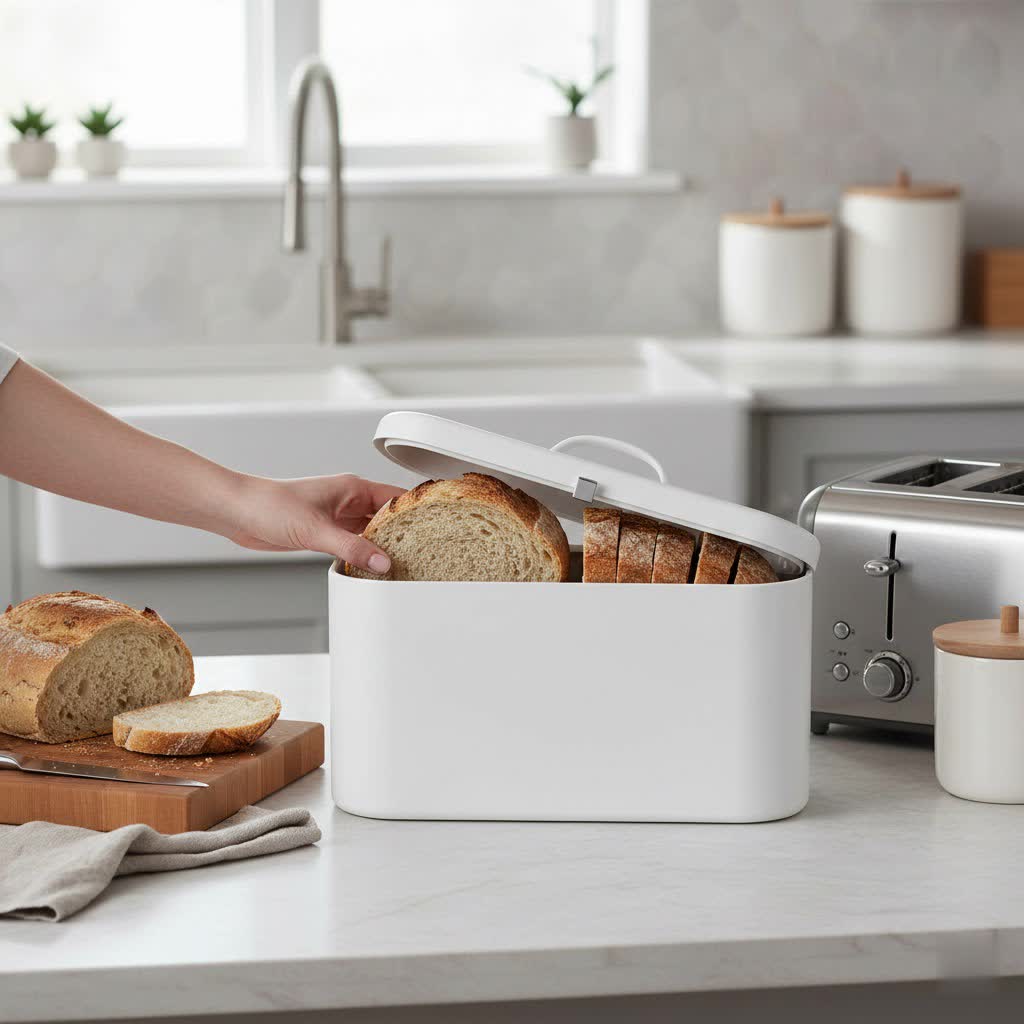
Stepping into the kitchen, the aroma of freshly baked bread is an unparalleled delight. But how do you preserve that perfect texture and taste, keeping your loaves wonderfully fresh for days? The answer often lies in a bread box. While many options abound, there’s a unique satisfaction and practical benefit to crafting your very own Homemade Bread Box. More than just a storage solution, a custom-built bread box can be a statement piece, perfectly tailored to your kitchen’s aesthetic and your family’s bread consumption habits. Let’s delve into the world of DIY bread boxes and discover how you can create the ideal environment for your beloved loaves.
What is a Bread Box?
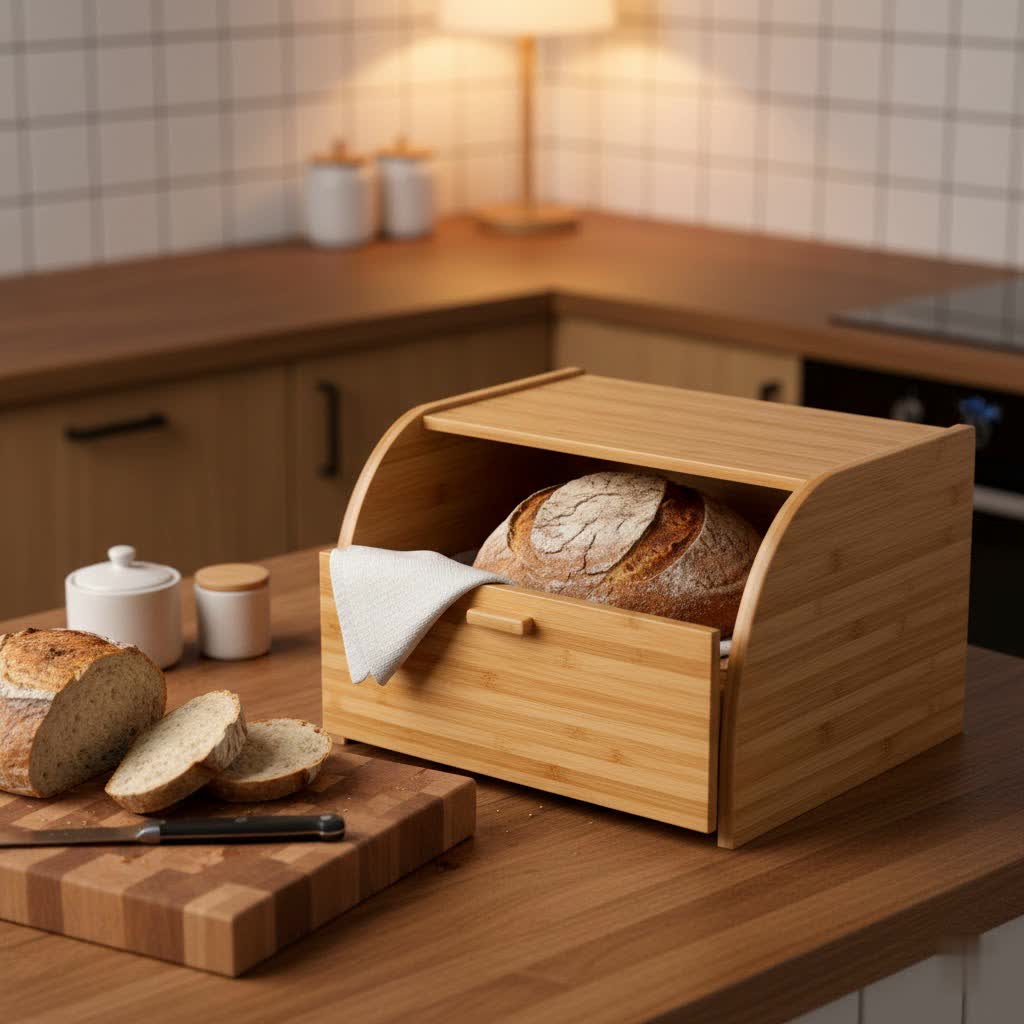
A bread box, at its core, is a specialized container designed to store bread and keep it fresh. Unlike airtight containers that can accelerate staling and encourage mold growth, a good bread box maintains an optimal balance of humidity and airflow. Historically, bread boxes were a staple in kitchens before refrigeration became widespread, providing a cool, dark, and slightly airy environment for baked goods. Today, the concept remains vital for anyone who appreciates the natural goodness of bread, whether store-bought artisan loaves or cherished homemade creations. Crafting a homemade bread box allows you to bring this timeless tradition into your modern kitchen with a personal touch.
Why You Need a Homemade Bread Box?
There are compelling reasons why a homemade bread box stands out as an indispensable kitchen accessory. Beyond mere storage, it plays several crucial roles in preserving your bread and enhancing your kitchen experience.
- Keeps Bread Fresh Longer: The primary function of any bread box is to extend the shelf life of bread. By providing a stable environment that’s neither too dry nor too humid, a homemade bread box prevents bread from staling quickly while also deterring mold, keeping your crusts crisp and interiors soft for days.
- Prevents Mold and Bacteria: Airtight plastic bags often trap moisture, creating a perfect breeding ground for mold. Conversely, leaving bread exposed to the air can dry it out rapidly. A well-designed homemade bread box allows for just enough air circulation to prevent excessive moisture buildup without causing the bread to become stale.
- Protects from Pests: An enclosed bread box acts as a barrier, shielding your bread from common kitchen pests like insects, rodents, and even curious pets, ensuring your food remains hygienic and undisturbed.
- Creates a Tidy and Aesthetic Kitchen Space: Beyond its functional benefits, a homemade bread box offers a fantastic opportunity to add a touch of personal style to your kitchen. It provides a dedicated, elegant spot for your bread, reducing countertop clutter and contributing to an organized, cohesive look.
Popular Types of Homemade Bread Boxes
The beauty of a homemade bread box lies in its adaptability. You can choose materials and designs that perfectly suit your skill level, tools, and desired aesthetic.
By Material
The material you select for your homemade bread box will significantly influence its appearance, durability, and effectiveness.
- Wood: Advantages: Wood is by far the most popular choice for homemade bread boxes due to its natural beauty, workability, and ability to “breathe.” Woods like pine, bamboo, maple, or cherry are excellent as they are non-toxic and add a rustic or classic charm. Wood naturally helps regulate humidity. Disadvantages: Requires careful sealing (food-safe if touching bread directly) to prevent splintering or absorption of odors. Can be susceptible to warping if not properly conditioned. Care: Wipe clean with a damp cloth. Avoid harsh chemicals. Periodically condition with food-safe mineral oil if unfinished or lightly waxed.
- Metal (as accent): Advantages: While a full metal bread box is less common for DIY due to specialized tools, metal elements like hinges, handles, or decorative panels can add an industrial or modern touch. They are durable and easy to clean. Disadvantages: Poor insulation can lead to condensation if not designed with ventilation, potentially causing mold. Care: Polish with appropriate metal cleaner.
- Plastic/Acrylic (as accent/window): Advantages: Clear acrylic can be incorporated as a viewing window, allowing you to see your bread supply at a glance. It’s lightweight and easy to cut. Disadvantages: Less breathable than wood, and can look less “homemade” unless cleverly integrated. Less durable than wood over time. Care: Wipe with a soft, damp cloth; avoid abrasive cleaners.
- Ceramic (less common for DIY): While attractive, crafting a full ceramic bread box requires pottery skills and equipment, making it less accessible for most DIY enthusiasts.
|
Our Picks for the Best Bread Box in 2026
We may earn a commission when you use one of our links to make a purchase.
|
||
| Num | Product | Action |
|---|---|---|
| 1 | Bamboo Bread Box for Kitchen Counter-Large Capacity Bread Storage Container Farmhouse Bread Box with Window Bread Holder |

|
| 2 | Sunhoo Bread Box for Kitchen Countertop Wooden Bread Storage Container Bin 2 Layer Breadbox Holder Large Capacity Keeper Vintage Farmhouse Food Organizer Pantry Shelf Acrylic Window (Brown) |
|
| 3 | Black Corner Bread Box for Kitchen Countertop, Large Bread Container Storage Bamboo Wooden Farmhouse Bread Box with Window Bread Holder |
|
| 4 | ROYALHOUSE Natural Bamboo Roll Top Bread Box Kitchen Food Storage - Assembly Required |
|
| 5 | Double Layer Bread Box for Kitchen Countertop, Large Breadbox Bread Container Storage with Windows, Wooden Farmhouse Bread Holder (Black) |
|
| 6 | Amazon Basics Carbon Steel Bread Box with Acacia Wood Lid, Lid Doubles as Cutting Board, 11.9 x 7.1 x 5.2 in. |
|
| 7 | 2 Pack Glass Loaf Pan with Lid, 1.9QT/ 62 OZ Bread Pan - Baking Dish with Airtight Lids BPA free - Meatloaf Pans For Homemade Bread, Baking, Cakes, Dessert,Microwave & Oven Safe |
|
| 8 | Fullin Bread Box for Kitchen Countertop, Bread Storage Container Large Capacity Bamboo Homemade Bread Boxes, Bread Food Holder Organizer with Acrylic Window for Kitchen Counter, Panry Shelf, Cabinet |
|
| 9 | Bread Box Bread Boxes for Kitchen Counter Airtight, Time Recording Bread Storage Container with Lid, Bread Keeper for Homemade Bread, Toast, Bagel, Donut and Cookies, Grey |
|
| 10 | ZICOTO Beautiful Bread Box With Wooden Lid For Your Kitchen Countertop - Spacious Container Perfectly Stores Your Homemade Bread, English Muffins & Bagels - Quality Cutting Board Lid Keeps Loaf Fresh |
|
By Design Style
The design of your homemade bread box can range from simple to intricate, each offering a different user experience and aesthetic.
- Roll-Top (or Tambour Door): This classic design features a flexible door that slides up and back, disappearing into the box. DIY Complexity: Moderate to high, as it requires precision in cutting the slats and creating the curved track. Offers a compact footprint when open.
- Flip-Top (or Hinged Lid): A simpler and very popular DIY option, this design features a lid that lifts open via hinges. DIY Complexity: Low to moderate. Easy to construct, requiring basic woodworking skills. Can be made with a flat or slightly domed lid.
- Drawer Style: Designed to slide out like a drawer, often integrated into existing cabinetry or a freestanding unit. DIY Complexity: Moderate. Requires accurate construction of runners and a smooth-gliding drawer. Excellent for seamless integration into kitchen design.
- Wall-Mounted: Saves counter space by attaching directly to a kitchen wall. DIY Complexity: Moderate, similar to a flip-top or roll-top but requires secure mounting hardware and careful consideration of weight.
Comparing Homemade Bread Box Options
Here’s a simplified comparison to help you consider different aspects of homemade bread box construction:
| Feature | Wood (Pine/Bamboo) | Wood (Hardwood: Maple/Cherry) | Metal Accents (Hinges/Handles) | Acrylic Window |
|---|---|---|---|---|
| DIY Skill Level | Beginner to Intermediate | Intermediate to Advanced | Beginner (for integration) | Beginner (for integration) |
| Cost | Low to Moderate | Moderate to High | Low | Low to Moderate |
| Durability | Good, with proper care | Excellent | Excellent | Fair, prone to scratching |
| Aesthetic | Rustic, Natural, Farmhouse | Elegant, Classic, Modern | Industrial, Modern, Functional | Modern, Practical |
| Breathability | Excellent | Excellent | Poor (for main body) | Poor (for main body) |
| Maintenance | Regular cleaning, occasional oiling | Regular cleaning, occasional oiling | Simple wipe-down | Gentle cleaning, anti-scratch |
| Common Designs | Flip-top, Drawer, Roll-top | Flip-top, Drawer, Roll-top | All (as hardware) | All (as a viewing panel) |
Guide to Crafting Your Perfect Homemade Bread Box
Designing and building your own bread box is a rewarding project. Here’s how to approach it to ensure you create a functional and beautiful piece.
Defining Your Needs
Before you cut a single piece of wood, consider the practical aspects of your bread box.
- Quantity of Bread: How much bread do you typically store? A single loaf? Two loaves? Baguettes? This will dictate the internal dimensions of your box. Always measure your largest loaf and add extra clearance.
- Kitchen Space: Where will your bread box live? On the counter? Tucked into a pantry? Wall-mounted? Measure the available space carefully to ensure your finished product fits perfectly without overcrowding.
- Interior Decor Style: Do you have a rustic farmhouse kitchen, a sleek modern space, or something in between? Your bread box should complement your existing decor. Wood choice, finish, and hardware all play a role.
Selecting Materials and Design
With your needs defined, you can now focus on the physical aspects of your build.
- Prioritize Food-Safe Materials: For any part of the bread box that might come into direct contact with food, ensure materials are non-toxic. Unfinished natural wood is ideal. If you choose to finish the interior, opt for food-grade sealants or waxes.
- Choose a Design That Suits Your Skill: If you’re new to woodworking, a simple flip-top design is a great starting point. More experienced builders might tackle a roll-top or a custom built-in drawer. Don’t overcomplicate it if you’re just beginning.
- Consider Joinery Methods: For durability and aesthetics, think about how you’ll join the pieces. Simple butt joints with glue and screws are effective for beginners. Dovetail or dado joints offer a more refined, professional look.
Essential Features for DIY
Every great homemade bread box incorporates certain features that enhance its performance.
- Adequate Air Circulation: This is paramount. Design small ventilation holes, typically at the back or sides, to allow for minimal airflow. A gap under the door or small routed channels can also suffice. The goal is to prevent moisture buildup without letting the bread dry out.
- Moisture Management: Some builders line the bottom with a removable slatted tray to keep bread slightly elevated, further aiding circulation and preventing the bottom crust from becoming soggy.
- Thoughtful Design Elements: Think about details like a flat top if you want to use the surface for extra storage, non-slip feet to protect countertops, or a magnetic latch to keep the door securely closed.
> “The secret to a truly effective homemade bread box isn’t just about craftsmanship, it’s about understanding the delicate balance of humidity and airflow that keeps bread at its best. A few small ventilation holes can make all the difference.” – Admin, reviewhieutv.com, Appliance Technician
Inspiring Designs and Key Features for Your Homemade Bread Box
While you won’t find specific brand names for “homemade” boxes, there are countless inspiring designs and features you can incorporate into your DIY project.
- Rustic Farmhouse Aesthetic: Often built from reclaimed wood or distressed pine, featuring simple flip-top lids, perhaps with visible dovetail joints and sturdy black iron handles. These boxes are designed to look like they’ve been cherished for generations.
- Modern Minimalist Design: Clean lines, smooth finishes (perhaps a light-colored wood like maple or bamboo), and recessed handles characterize this style. A hidden roll-top door or a sleek drawer design would fit perfectly here.
- Vintage Charm: Think about a bread box with a slight curve to the lid, painted in a retro color, and adorned with antique-style hardware. Some DIYers even integrate an old-fashioned bread board that slides out from the base.
- Functional Features:
- Built-in Cutting Board: A reversible lid or a separate drawer that slides out to reveal a cutting board is a practical addition.
- Humidity Control: While ventilation is key, some designs feature a small, removable terra cotta disc that can be soaked in water and placed inside to add a touch of humidity if your environment is very dry.
- Multi-Tiered Storage: For larger households or those who bake frequently, a two-tier design can separate different types of bread or keep rolls apart from loaves.
- Custom Dimensions: The ultimate benefit of DIY is the ability to create a box that perfectly fits unusual loaf sizes or a specific niche in your kitchen.
Conclusion
Crafting your own homemade bread box is more than just a woodworking project; it’s an investment in fresher bread, a tidier kitchen, and a reflection of your personal style. By carefully considering materials, ventilation, and design, you can build a durable and effective solution that keeps your baked goods at their peak. From a simple hinged lid to an intricate roll-top, the journey of creating a custom bread box is as rewarding as the perfectly preserved loaf it holds. So, why settle for off-the-shelf when you can create a culinary essential that’s truly your own?
What unique design elements are you excited to incorporate into your very own homemade bread box?
Câu Hỏi Thường Gặp
What is the best wood for a homemade bread box?
For a homemade bread box, common choices include pine, bamboo, maple, or cherry. These woods are generally non-toxic and offer good breathability. Pine and bamboo are often more budget-friendly and easier to work with for beginners, while hardwoods like maple or cherry provide greater durability and a more refined finish. Ensure any wood used is untreated and, if finished, use food-safe sealants.
How do you add ventilation to a homemade bread box?
Ventilation is crucial to prevent mold and stale bread. Simple ways to add ventilation to a homemade bread box include drilling several small holes (around 1/4 inch) into the back or sides of the box, typically near the top and bottom. Alternatively, you can design a small gap under the door or lid, or incorporate routed channels along the edges to allow for minimal, controlled airflow.
Do homemade bread boxes really keep bread fresh?
Yes, a well-designed homemade bread box can be highly effective at keeping bread fresh. The key is maintaining a balance of humidity and air circulation. Unlike airtight containers that trap moisture and encourage mold, or open air which causes drying, a bread box provides a dark, stable environment with just enough airflow to slow down staling and inhibit mold growth, preserving the bread’s texture and flavor.
What tools do I need to build a simple wooden bread box?
For a basic wooden bread box with a hinged lid, you would typically need essential woodworking tools such as a hand saw or circular saw for cutting wood, a drill for pilot holes and screws, sandpaper for finishing, wood glue, and a few clamps. You’ll also need a measuring tape, pencil, and safety gear like eye protection. For more complex designs, additional tools like a router or jigsaw might be helpful.