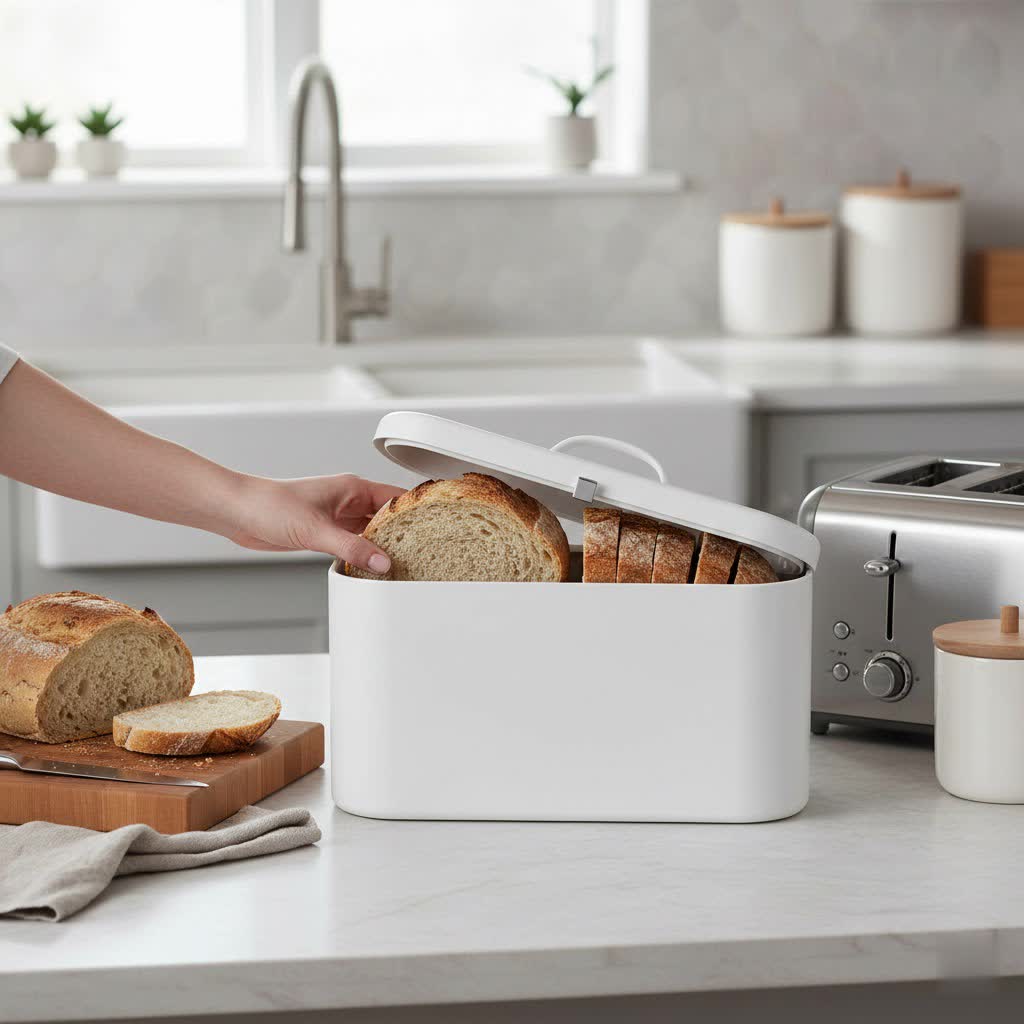
Freshly baked bread is one of life’s simple pleasures, but keeping it perfectly fresh and your kitchen organized can be a challenge. If your countertops are often cluttered with bags of bread, bagels, and pastries, it might be time to discover the ingenious solution of an Under Counter Bread Box. This dedicated storage not only preserves your baked goods but also cleverly maximizes your kitchen space, transforming a messy area into an efficient, aesthetically pleasing culinary hub. Let’s dive into how an under counter bread box can be the perfect addition to your home.
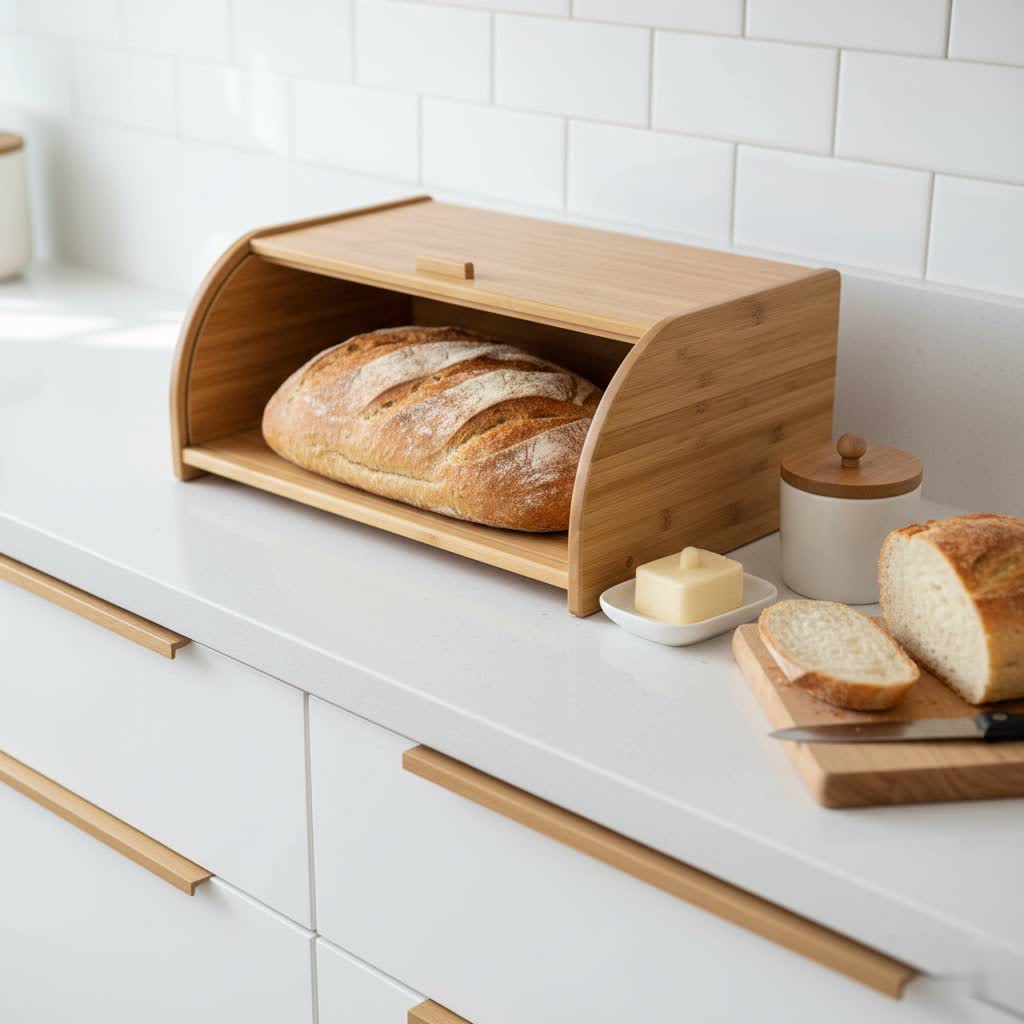
What Exactly is a Bread Box?
At its core, a bread box is a specialized container designed to keep bread at its optimal freshness. Unlike airtight containers that can trap too much moisture and encourage mold, or leaving bread exposed to the open air which quickly leads to staleness, a well-designed bread box provides a balanced environment. It controls airflow, allowing just enough circulation to prevent both excessive drying and detrimental moisture buildup. Historically, bread boxes were a staple in kitchens long before the advent of modern preservatives, offering a practical way to extend the life of homemade loaves for several days.
Why an Under Counter Bread Box is a Kitchen Essential
Beyond its primary function of preserving baked goods, an under counter bread box brings a host of benefits, particularly for those with compact kitchens or a desire for a minimalist aesthetic.
Keeps Bread Fresh Longer
|
Our Picks for the Best Bread Box in 2026
We may earn a commission when you use one of our links to make a purchase.
|
||
| Num | Product | Action |
|---|---|---|
| 1 | Bread Box Bread Boxes for Kitchen Counter Airtight, Time Recording Bread Storage Container with Lid, Bread Keeper for Homemade Bread, Toast, Bagel, Donut and Cookies, Grey |

|
| 2 | Amazon Basics Carbon Steel Bread Box with Acacia Wood Lid, Lid Doubles as Cutting Board, 11.9 x 7.1 x 5.2 in. |
|
| 3 | Double Layer Bread Box for Kitchen Countertop, Large Breadbox Bread Container Storage with Windows, Wooden Farmhouse Bread Holder (Black) |
|
| 4 | Sunhoo Bread Box for Kitchen Countertop Wooden Bread Storage Container Bin 2 Layer Breadbox Holder Large Capacity Keeper Vintage Farmhouse Food Organizer Pantry Shelf Acrylic Window (Brown) |
|
| 5 | Black Corner Bread Box for Kitchen Countertop, Large Bread Container Storage Bamboo Wooden Farmhouse Bread Box with Window Bread Holder |
|
| 6 | Bamboo Bread Box for Kitchen Counter-Large Capacity Bread Storage Container Farmhouse Bread Box with Window Bread Holder |
|
| 7 | ROYALHOUSE Natural Bamboo Roll Top Bread Box Kitchen Food Storage - Assembly Required |
|
| 8 | ZICOTO Beautiful Bread Box With Wooden Lid For Your Kitchen Countertop - Spacious Container Perfectly Stores Your Homemade Bread, English Muffins & Bagels - Quality Cutting Board Lid Keeps Loaf Fresh |
|
| 9 | Fullin Bread Box for Kitchen Countertop, Bread Storage Container Large Capacity Bamboo Homemade Bread Boxes, Bread Food Holder Organizer with Acrylic Window for Kitchen Counter, Panry Shelf, Cabinet |
|
| 10 | 2 Pack Glass Loaf Pan with Lid, 1.9QT/ 62 OZ Bread Pan - Baking Dish with Airtight Lids BPA free - Meatloaf Pans For Homemade Bread, Baking, Cakes, Dessert,Microwave & Oven Safe |
|
A bread box creates a consistent, dark, and cool environment that is ideal for most bread varieties. This stable temperature helps slow down the retrogradation process, where starch molecules crystallize and cause bread to go stale. By regulating airflow, it maintains a perfect humidity level, ensuring your bread retains its soft interior and desirable crust for longer than simply leaving it in a plastic bag or on the counter. Bread stored at room temperature in a bread box remains softer and easier to slice.
Prevents Mold and Bacteria
Excessive moisture is the enemy of bread, leading to rapid mold growth. An effective bread box incorporates subtle ventilation holes or a slightly loose-fitting lid, allowing trapped moisture from the bread to escape rather than accumulate. This crucial airflow helps prevent the humid conditions that mold and bacteria thrive in, significantly extending the edible life of your loaves.
Protects Bread from Pests
Leaving bread in its original packaging or openly on the counter can make it vulnerable to unwanted kitchen visitors. An enclosed bread box acts as a protective barrier, keeping insects, rodents, and other household pests away from your cherished baked goods, ensuring they remain hygienic and safe to eat.
Maximizes Kitchen Space
This is where the “under counter” aspect truly shines. By utilizing the often-overlooked space beneath your upper cabinets or within a pantry, these bread boxes free up valuable countertop real estate. This is especially advantageous in smaller kitchens where every inch counts, allowing you more room for food preparation, appliances, or simply a cleaner, less cluttered look. Corner designs, in particular, are adept at maximizing awkward spaces, fitting seamlessly into a 90-degree wall corner.
Enhances Kitchen Aesthetics
Beyond practicality, under counter bread boxes contribute to a more organized and stylish kitchen. They conceal unsightly bread bags and packaging, creating a streamlined appearance. Available in various materials and designs, they can complement your existing decor, adding a touch of rustic charm, modern elegance, or sleek minimalism to your culinary space.
Exploring Popular Under Counter Bread Box Types
Under counter bread boxes come in a diverse range of materials and designs, each offering unique advantages. Understanding these options will help you choose the best fit for your kitchen and lifestyle.
By Material
The material of your bread box plays a significant role in its functionality, durability, and aesthetic appeal.
- Wood (Bamboo, Acacia, Pine, Olivewood):
- Pros: Wooden bread boxes, especially those made from bamboo or acacia, are popular for their natural beauty and ability to naturally regulate humidity. Many boast a classic, farmhouse, or rustic charm that can warm up any kitchen. Wood is a non-reactive material and generally does not conduct heat, helping to maintain a stable internal temperature. Some woods even possess natural germ-killing properties. They often come with silicone footstands to protect your countertops.
- Cons: Some wooden boxes can be bulky. Certain types of wood may impart a slight odor to very sensitive baked goods, though this is rare with quality finishes. They might require occasional oiling to maintain their luster and integrity.
- Metal (Stainless Steel, Powder-Coated Iron/Aluminum):
- Pros: Metal bread boxes offer a sleek, modern aesthetic that fits well in contemporary kitchens, particularly stainless steel models that match appliances. They are often durable and easy to clean, especially those with powder-coated finishes that resist fingerprints.
- Cons: Thinner metal boxes can be prone to denting. Shiny finishes can show smudges and fingerprints easily. In areas with significant temperature swings, metal can potentially lead to condensation inside the box if ventilation is inadequate, which can encourage mold.
- Plastic:
- Pros: Plastic bread boxes are generally the most affordable and lightweight option. They are easy to clean and can be quite practical for casual use.
- Cons: They often lack the aesthetic appeal of wood or metal. If too airtight, plastic can trap moisture and accelerate mold growth. Users concerned about chemicals might prefer other materials, though most modern plastic food storage is BPA-free.
- Ceramic:
- Pros: Ceramic bread boxes are hygienic, non-porous, and very easy to clean. They can add a unique, artisanal touch to your kitchen decor.
- Cons: They are considerably heavier and more fragile than other materials, making them less ideal for frequent movement or homes with children.
By Design
The design of an under counter bread box is crucial for its space-saving functionality and ease of use.
- Roll-top: This classic design features a lid that slides back and down into the box, offering smooth operation and easy access without requiring extra vertical clearance. Many roll-top models are suitable for under cabinet placement.
- Flip-top/Hinged Lid: These boxes have a lid that lifts upwards or flips open. While straightforward, ensure you have sufficient vertical space under your cabinet for the lid to open completely.
- Drawer Style: Some under-cabinet solutions might integrate a pull-out drawer mechanism, offering discreet storage and easy access to bread. These are less common as standalone bread boxes but can be found in custom kitchen designs.
- Wall-Mounted/Under-Cabinet Mountable: These are specifically designed to attach directly to the underside of upper cabinets, completely clearing your counter. Corner designs are particularly efficient, fitting snugly into a kitchen corner to maximize an otherwise unused space. Some two-tier models also double their capacity without increasing their footprint.
Comparing Under Counter Bread Boxes: A Quick Guide
| Feature | Wood (Bamboo, Acacia) | Metal (Stainless Steel, Iron) | Plastic | Ceramic |
|---|---|---|---|---|
| Space-Saving | Good (especially corner/under-cabinet designs) | Good (can be sleek, under-cabinet options) | Excellent (lightweight, compact) | Fair (heavy, less adaptable for mounting) |
| Freshness | Excellent (natural breathability, stable temp) | Good (with proper ventilation) | Fair (can trap moisture if too sealed) | Excellent (stable temp, non-porous) |
| Durability | High (robust, long-lasting) | High (stainless steel), Moderate (thinner metals dent) | Moderate (can crack or warp over time) | Low (fragile, prone to breaking) |
| Aesthetics | High (natural, warm, classic, farmhouse) | High (modern, sleek, industrial) | Low (utilitarian, less decorative) | High (unique, artisanal, elegant) |
| Ease of Cleaning | Moderate (wipe with damp cloth, avoid harsh chemicals) | High (wipe clean, some show fingerprints) | High (easy to wipe, often dishwasher safe) | High (easy to wipe, hygienic) |
| Price Range | Moderate to High | Moderate to High | Low | Moderate to High |
Your Guide to Choosing the Perfect Under Counter Bread Box
Selecting the right under counter bread box involves a blend of practical considerations and personal preferences.
Assess Your Needs
Start by evaluating how much bread you typically store. Do you usually have one loaf, or do you need space for multiple loaves, bagels, and pastries? Measure the available space under your cabinets or in a corner to ensure the bread box will fit comfortably. Consider your kitchen’s overall style – do you lean towards modern, rustic, minimalist, or traditional? This will help narrow down material and design choices.
Prioritize Material and Design
If maximizing freshness is paramount, consider wood or well-ventilated metal options. For ultimate space-saving, look specifically for models explicitly labeled as “under cabinet mountable” or “corner bread boxes.” Roll-top designs are often convenient as they don’t require extra clearance for an opening lid. Think about how easily you want to access your bread and how frequently.
Look for Smart Features
Beyond the basic function, several features can enhance your bread box experience:
- Ventilation Holes: These are crucial for maintaining optimal humidity and preventing mold. Ensure any bread box you choose has adequate, but not excessive, airflow.
- Magnetic Closures: For roll-top or flip-top designs, a magnetic closure ensures the lid stays securely shut while still allowing a slight, healthy amount of air exchange.
- Clear Windows: Some models feature clear acrylic or glass panels, allowing you to see your bread stock at a glance without opening the box.
- Flat Top: A flat top surface can double as additional storage space for small jars, spices, or other kitchen essentials, further enhancing its space-saving utility.
- Anti-Slip Pads: For freestanding under counter models, silicone footstands or pads help protect your countertops from scratches and keep the box stable.
Top Considerations for Under Counter Bread Boxes
When looking for an under counter bread box, prioritize models that offer a harmonious blend of durability, effective freshness preservation, and smart space-saving design. Materials like high-quality bamboo are often a top choice due to their natural breathability, robust construction, and ability to keep bread fresh by promoting airflow and resisting moisture. Look for designs that explicitly maximize vertical or corner spaces, such as two-tier corner bread boxes that can be mounted or neatly tucked away. Ease of assembly, often indicated by clear instructions and pre-drilled components, is also a significant advantage, ensuring a hassle-free setup that quickly gets your kitchen organized and your bread perfectly stored.
Conclusion
An under counter bread box is far more than just a storage container; it’s a smart investment in fresher bread and a more organized, aesthetically pleasing kitchen. By understanding the nuances of materials, designs, and essential features, you can confidently select a bread box that not only extends the life of your favorite loaves but also transforms your kitchen into a model of efficiency and style. Say goodbye to cluttered counters and stale bread, and embrace the practical elegance of a well-chosen under counter bread box.
Which feature of an under counter bread box appeals most to your kitchen’s needs?
Câu Hỏi Thường Gặp
How long does bread stay fresh in a bread box?
In a good quality bread box, bread can stay fresh for approximately three to five days, sometimes even up to a week for certain varieties like sourdough. This is significantly longer than leaving it exposed, and it also prevents the rapid mold growth that can occur in overly sealed plastic bags.
Are airtight bread boxes better for bread?
No, airtight bread boxes are generally not better for bread. While they prevent drying, they trap too much moisture, creating an ideal environment for mold and making the crust soft and soggy. The best bread boxes allow for a slight amount of airflow to balance moisture levels.
Can you put store-bought bread in a bread box?
Absolutely. Both homemade and store-bought breads benefit from being stored in a bread box. It helps store-bought loaves maintain their freshness and texture for longer, even those with preservatives, by protecting them from excessive air exposure and fluctuating temperatures.
How do you clean a bread box?
Cleaning depends on the material. Wooden bread boxes typically require wiping with a damp cloth and mild soap, then thoroughly drying. Metal and plastic boxes can often be cleaned with warm, soapy water and then dried completely. Avoid harsh chemicals or abrasive scrubbers, especially on wood or finished metals.
Why choose an under counter model over a regular one?
An under counter bread box is specifically designed to save valuable countertop space. By utilizing the area beneath upper cabinets or tight corners, it helps declutter your kitchen and creates a more streamlined look, making it an excellent choice for smaller kitchens or those who prefer a minimalist aesthetic.