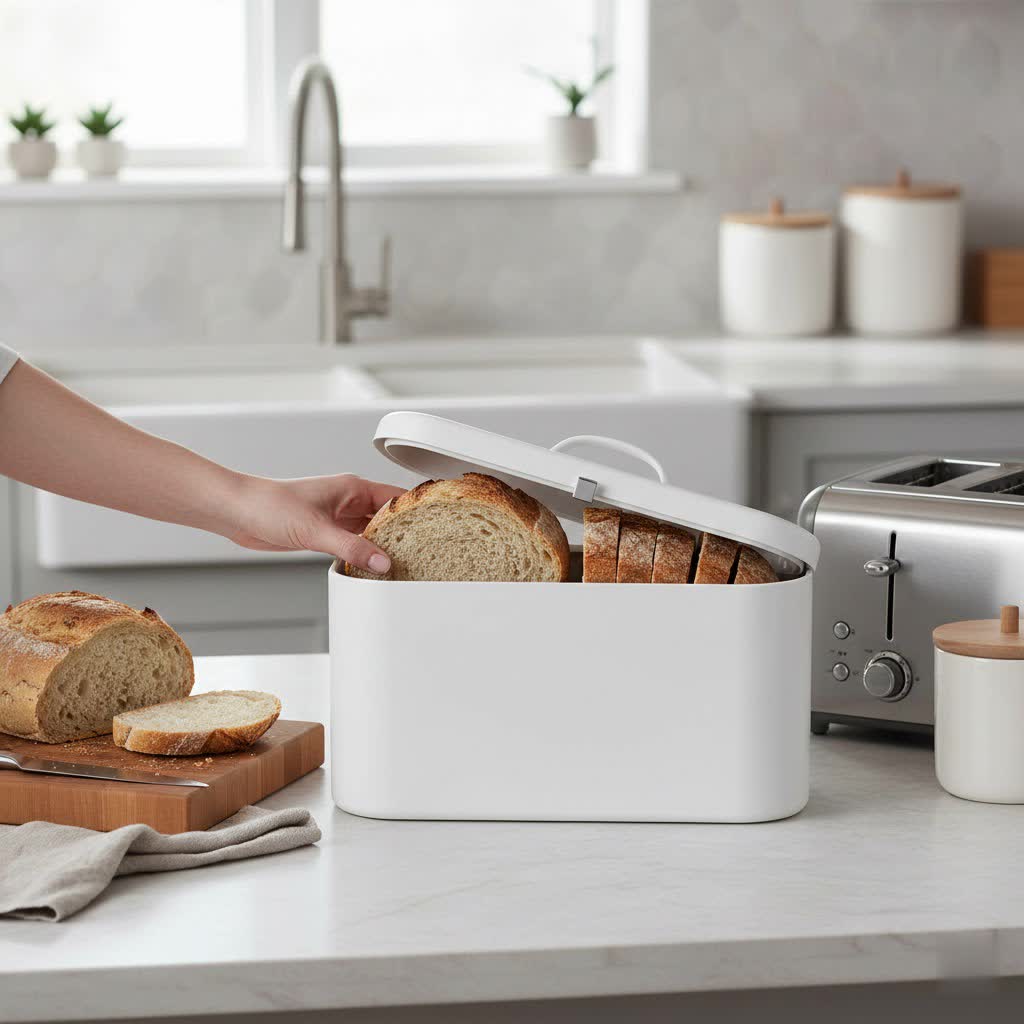
Have you ever savored the aroma of freshly baked bread, only to find it stale and unappetizing a day or two later? Preserving the softness, flavor, and crust of your favorite loaves is a common kitchen challenge. While modern solutions abound, sometimes the oldest methods are the best. Enter the Amish Bread Box—a testament to enduring craftsmanship and a simple, effective way to keep your baked goods wonderfully fresh. These meticulously handcrafted pieces offer more than just storage; they provide a touch of rustic elegance and a connection to a time-honored tradition that prioritizes quality and functionality. Join us as we explore the world of Amish bread boxes, uncovering their benefits, diverse styles, and how to choose the perfect one to enhance your kitchen.
What is an Amish Bread Box?
An Amish bread box is far more than a mere container; it is a meticulously crafted piece of furniture, typically made from solid wood, designed specifically to create an optimal environment for storing bread and other baked goods. Rooted in generations of tradition, these bread boxes embody the principles of quality, durability, and functional simplicity that define Amish craftsmanship.
The concept of a bread box itself has a rich history, evolving from earlier methods of food preservation in traditional American kitchens. Historically, before refrigeration was widespread, families relied on clever storage solutions to keep food safe from pests and to prolong its freshness. Bread boxes, much like pie safes with their ventilation, provided a controlled environment, protecting bread from direct air exposure that causes staling, while allowing just enough air circulation to prevent mold. Amish communities, known for their self-sufficiency and adherence to traditional practices, have kept this craft alive, refining the bread box into the practical and beautiful items we see today. Each piece often reflects the unhurried attention to detail and robust construction reminiscent of 18th-century farmhouse furniture, making them true heirlooms.
Why You Need an Amish Bread Box in Your Kitchen
Incorporating an Amish bread box into your kitchen offers a multitude of benefits that extend beyond simple storage, addressing common frustrations associated with keeping baked goods fresh and maintaining an organized space.
The primary advantage is its ability to keep bread fresher for longer. An Amish bread box provides a precisely balanced environment. It shields bread from direct air exposure, which can quickly dry it out and lead to staling, while also preventing excessive humidity that encourages mold growth. This equilibrium is crucial for maintaining the ideal texture and flavor of both store-bought and homemade loaves, allowing you to enjoy your bread for several extra days compared to leaving it on the counter or in a plastic bag.
Beyond freshness, these boxes are excellent at preventing mold and bacterial growth. The solid construction and thoughtful design, often including subtle ventilation, help regulate air circulation. This controlled airflow reduces moisture buildup, a prime culprit in mold formation, while still allowing the bread to “breathe” slightly, which is essential for preserving its quality without creating a damp, stagnant environment.
Furthermore, an Amish bread box offers robust protection from pests and unwanted elements. Its solid wood construction acts as a sturdy barrier against insects, rodents, and even curious pets, ensuring your bread remains sanitary and untouched. This physical protection is a significant upgrade from flimsy plastic bags or open counter storage.
Finally, these handcrafted pieces significantly contribute to kitchen aesthetics and organization. With their timeless, rustic, or farmhouse charm, Amish bread boxes add warmth and character to any kitchen decor. They serve as a beautiful focal point while simultaneously decluttering your countertops by providing a designated, attractive home for your bread, rolls, pastries, and other baked goods. It’s a harmonious blend of form and function that elevates the overall feel of your culinary space.
Discovering the World of Amish Bread Boxes
Amish bread boxes come in a delightful array of styles, primarily distinguished by their materials and designs, each offering unique aesthetic and functional characteristics.
By Material
The heart of an Amish bread box lies in its material, almost exclusively solid wood, chosen for its durability, natural beauty, and ability to create a stable storage environment.
- Solid Hardwoods (Oak, Cherry, Maple): These woods are celebrated for their exceptional strength, longevity, and distinct grain patterns. Oak offers a classic, hearty look, often with prominent grain that speaks to traditional craftsmanship. Cherry is known for its smooth texture and rich, warm tones that deepen and darken beautifully with age, adding a sophisticated touch. Maple provides a lighter, more uniform grain, offering a clean and versatile aesthetic that can be stained to match various kitchen palettes. Hardwoods are naturally resistant to dents and scratches, making them incredibly durable. They are easy to maintain with proper care, often requiring just a wipe-down and occasional wood conditioning.
- Pine: While softer than hardwoods, pine is a popular choice for its affordability and classic rustic appeal. It often features distinctive knots and a lighter color that lends itself well to farmhouse or country-style kitchens. Pine is easier to work with, making it a favorite for many traditional designs, and it can be stained or painted to customize its appearance. Its lighter weight is also a consideration for those who may need to move their bread box frequently.
|
Our Picks for the Best Bread Box in 2026
We may earn a commission when you use one of our links to make a purchase.
|
||
| Num | Product | Action |
|---|---|---|
| 1 | Black Corner Bread Box for Kitchen Countertop, Large Bread Container Storage Bamboo Wooden Farmhouse Bread Box with Window Bread Holder |

|
| 2 | 2 Pack Glass Loaf Pan with Lid, 1.9QT/ 62 OZ Bread Pan - Baking Dish with Airtight Lids BPA free - Meatloaf Pans For Homemade Bread, Baking, Cakes, Dessert,Microwave & Oven Safe |
|
| 3 | Double Layer Bread Box for Kitchen Countertop, Large Breadbox Bread Container Storage with Windows, Wooden Farmhouse Bread Holder (Black) |
|
| 4 | ROYALHOUSE Natural Bamboo Roll Top Bread Box Kitchen Food Storage - Assembly Required |
|
| 5 | Fullin Bread Box for Kitchen Countertop, Bread Storage Container Large Capacity Bamboo Homemade Bread Boxes, Bread Food Holder Organizer with Acrylic Window for Kitchen Counter, Panry Shelf, Cabinet |
|
| 6 | Amazon Basics Carbon Steel Bread Box with Acacia Wood Lid, Lid Doubles as Cutting Board, 11.9 x 7.1 x 5.2 in. |
|
| 7 | ZICOTO Beautiful Bread Box With Wooden Lid For Your Kitchen Countertop - Spacious Container Perfectly Stores Your Homemade Bread, English Muffins & Bagels - Quality Cutting Board Lid Keeps Loaf Fresh |
|
| 8 | Sunhoo Bread Box for Kitchen Countertop Wooden Bread Storage Container Bin 2 Layer Breadbox Holder Large Capacity Keeper Vintage Farmhouse Food Organizer Pantry Shelf Acrylic Window (Brown) |
|
| 9 | Bamboo Bread Box for Kitchen Counter-Large Capacity Bread Storage Container Farmhouse Bread Box with Window Bread Holder |
|
| 10 | Bread Box Bread Boxes for Kitchen Counter Airtight, Time Recording Bread Storage Container with Lid, Bread Keeper for Homemade Bread, Toast, Bagel, Donut and Cookies, Grey |
|
By Design and Functionality
The design of an Amish bread box plays a crucial role in its functionality and how it integrates into your kitchen space.
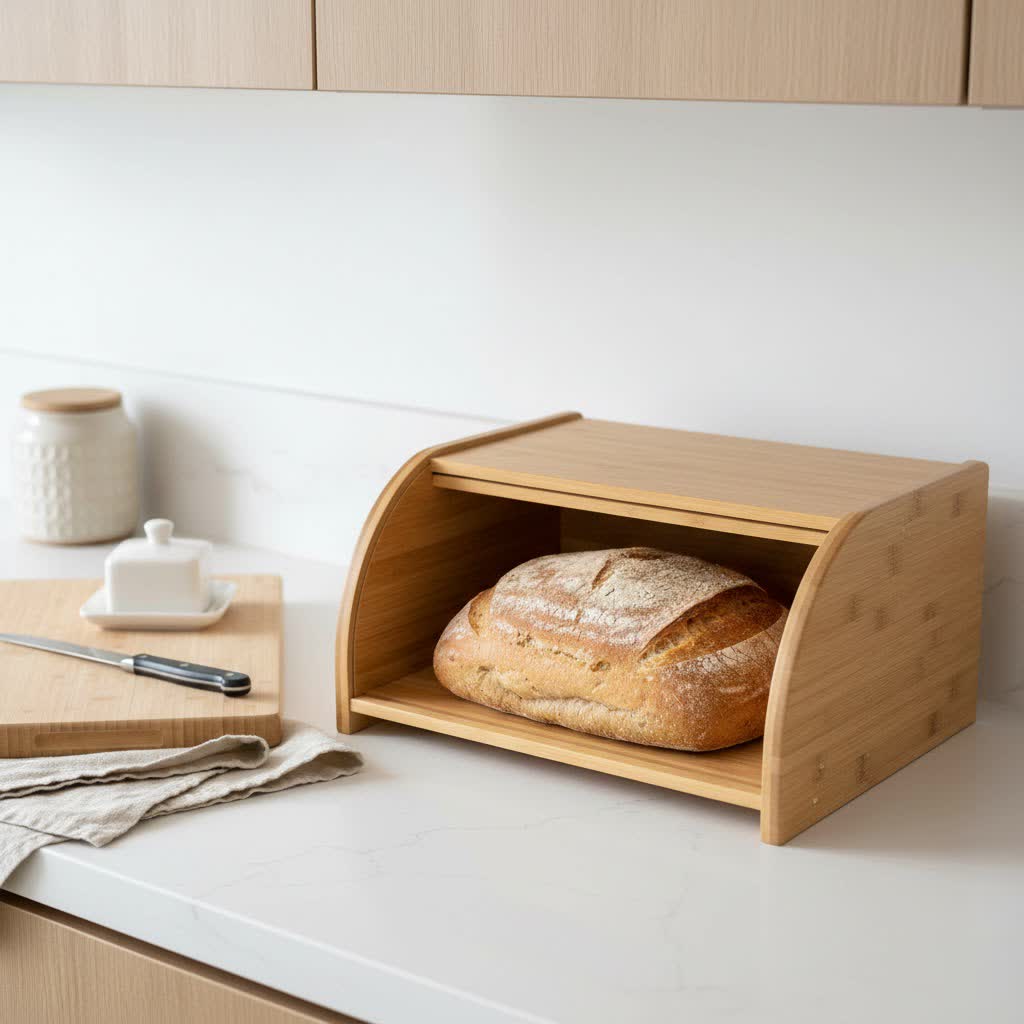
- Roll-Top (Tambour) Bread Boxes: This is perhaps the most iconic design. The lid consists of a series of wooden slats joined together, which smoothly glides back and forth into a recessed track. This design is highly space-efficient as the lid doesn’t swing out, making it ideal for smaller countertops or areas where overhead clearance is limited. They offer easy, one-handed access to your baked goods.
- Hinged Lid (Flip-Top) Bread Boxes: Featuring a lid that lifts open on hinges, this design is straightforward and classic. Some variations may include multiple hinged doors, creating compartments for different types of bread or smaller items. While they require a bit more overhead space when open, they often boast a deep capacity and a clear view of contents.
- Bread Boxes with Drawers: Many Amish bread boxes integrate one or more drawers beneath the main bread storage compartment. These drawers are incredibly practical, often used for storing bread knives, linens, small kitchen gadgets, or even acting as a crumb catcher, making cleanup a breeze. This adds a layer of utility to the traditional design.
- Corner Bread Boxes: Designed to fit snugly into kitchen corners, these innovative bread boxes maximize often-underutilized counter space. They typically feature a curved or angled front and can offer surprisingly generous storage capacity, making them an excellent solution for compact kitchens or to create a built-in look.
- Countertop Bread Boxes with a Top Shelf: Some designs extend upwards to include a small shelf on top of the main bread compartment. This creates additional display or storage space for items like coffee cups, spice jars, or decorative accents, further enhancing the box’s utility and aesthetic appeal.
Each combination of material and design contributes to a unique bread box, ensuring there’s an Amish-crafted option to suit every kitchen’s practical needs and stylistic preferences.
A Comparison of Amish Bread Box Styles
Choosing the right Amish bread box involves weighing the characteristics of different materials and designs against your specific needs and aesthetic preferences. Here’s a comparative overview:
| Feature | Oak Bread Box | Cherry Bread Box | Pine Bread Box | Roll-Top Design | Hinged Lid Design | With Drawer Design |
|---|---|---|---|---|---|---|
| Material | Solid Oak | Solid Cherry | Solid Pine | Varies (Oak, Cherry, Maple, Pine) | Varies (Oak, Cherry, Maple, Pine) | Varies (Oak, Cherry, Maple, Pine) |
| Durability | Excellent; very hard, resistant to wear | Excellent; hard, good resistance to dents | Good; softer, more prone to dents/scratches | Very durable (if solid wood) | Very durable (if solid wood) | Very durable (if solid wood) |
| Aesthetics | Classic, robust, prominent grain, traditional | Elegant, smooth, rich warm tones, deepens with age | Rustic, country, noticeable knots, lighter color | Sleek, modern or traditional, space-saving | Classic, traditional, full access | Functional, traditional, added utility |
| Maintenance | Low; occasional cleaning, wood conditioner | Low; occasional cleaning, wood conditioner | Low; occasional cleaning, wood conditioner | Low; ensures smooth track operation | Low; occasional hinge lubrication | Low; clean crumbs regularly |
| Price Range | Mid to High | Mid to High | Low to Mid | Mid to High (depending on wood) | Mid to High (depending on wood) | Mid to High (depending on wood) |
| Capacity | Varies by size and design | Varies by size and design | Varies by size and design | Can be ample, efficient | Often very generous, easy to load | Can be slightly less, but adds under-storage |
| Pros | Very strong, timeless look, long-lasting | Luxurious feel, beautiful aging, durable | Affordable, authentic rustic charm, lighter | Space-saving, smooth access, clean lines | Full visibility, sturdy, simple mechanics | Extra storage for utensils, crumbs, etc. |
| Cons | Can be heavy, higher cost | Higher cost, can be darker for some decor | Softer wood, more susceptible to marks | Mechanism can accumulate dust in track | Requires overhead clearance to open | Drawer mechanism needs to be well-built |
General Pros and Cons:
- Pros of Amish Bread Boxes: Unmatched durability, timeless aesthetic appeal, handcrafted quality, superior bread freshness, chemical-free (when unfinished or natural finishes), supports traditional artisan communities.
- Cons of Amish Bread Boxes: Generally higher initial cost compared to mass-produced alternatives, can be heavy, require dedicated counter space, limited material options (predominantly wood).
Ultimately, the “best” Amish bread box is one that aligns with your household’s needs for bread storage, your available kitchen space, and your personal style preferences, all while appreciating the inherent value of its handcrafted quality.
Guiding Your Choice: Selecting the Ideal Amish Bread Box
Choosing the perfect Amish bread box for your home is an investment in quality, tradition, and lasting freshness. To ensure you make a selection that truly fits your lifestyle and kitchen, consider these key factors.
Assessing Your Needs
Before diving into the beautiful options available, take a moment to define what you truly need from your bread box.
- Quantity of Bread: How many loaves or baked goods do you typically store at once? A single person or small family might only need a compact box for one loaf, while a larger family or avid baker may require a spacious design capable of holding multiple items. Amish bread boxes come in various sizes, so measure your usual bread purchases to gauge the necessary capacity.
- Kitchen Space: Measure the available countertop area where you plan to place your bread box. Remember that Amish bread boxes, especially those made from solid hardwoods, can be substantial. Consider both the width and depth, and for hinged-lid models, ensure there’s enough overhead clearance for the lid to open fully without obstruction. Corner designs are excellent for maximizing space in smaller kitchens.
- Interior Decor Style: Your bread box should complement your kitchen’s aesthetic. Do you have a farmhouse, rustic, traditional, or even a more contemporary design? Amish bread boxes, with their natural wood and classic lines, seamlessly integrate into many styles. Consider the wood type and finish that would best harmonize with your existing cabinetry and decor.
Material and Construction Matters
The materials and how the bread box is constructed are central to its performance and longevity.
- Wood Type: As discussed, different woods offer varied aesthetics and durability. Oak and cherry are excellent for heirloom quality and robust use, while pine provides a charming, rustic appeal at a lower price point. Consider the natural characteristics and how they align with your preferences.
- Craftsmanship: True Amish bread boxes are distinguished by their construction. Look for solid wood, not veneers or particle board. Traditional joinery methods, smooth sanding, and attention to detail in the finish indicate superior craftsmanship. These details ensure not only beauty but also structural integrity.
- Safety and Maintenance: Ensure any finishes used on the bread box are food-safe, especially for the interior. Generally, solid wood requires simple maintenance: a regular wipe-down with a damp cloth and occasional oiling or conditioning to prevent drying and cracking, helping it last for generations.
Functional Enhancements
Beyond basic storage, certain features can enhance the utility and convenience of your Amish bread box.
- Air Circulation: While the primary goal is to protect bread, a truly effective bread box needs a subtle degree of air circulation to prevent staleness and mold. Amish designs often achieve this through precise joinery or slight gaps, allowing the bread to “breathe” without drying out. This controlled environment is key.
- Integrated Storage: Drawers are a fantastic addition, offering convenient storage for bread knives, small kitchen tools, or simply catching crumbs to keep the main compartment tidy. A top shelf provides extra surface area for display or quick-grab items.
- Customization Options: Many Amish furniture makers offer customization, allowing you to choose the specific wood type, stain, or finish. This enables you to perfectly match your new bread box to your existing kitchen decor, making it a truly personalized piece.
By thoughtfully evaluating these aspects, you can confidently select an Amish bread box that not only preserves your bread beautifully but also becomes a cherished, functional accent in your home for years to come.
Investing in Heritage: The Value of a Handcrafted Amish Bread Box
In a world increasingly dominated by mass-produced items, the Amish bread box stands as a powerful reminder of the enduring value of quality craftsmanship and functional design. This isn’t just a kitchen accessory; it’s an investment in a piece of heritage, built to last for generations. The meticulous hand-selection of solid hardwoods, the time-honored joinery techniques, and the careful finishing process all contribute to a product that is not only robust and beautiful but also imbued with a story.
Choosing an Amish bread box means opting for unparalleled durability, a timeless aesthetic that transcends fleeting trends, and the assurance of a truly effective bread storage solution. It reflects a commitment to supporting artisan traditions and acquiring an item that will serve your family faithfully for decades, perhaps even becoming a cherished heirloom passed down through your own generations.
Conclusion
The Amish bread box represents a perfect fusion of tradition, craftsmanship, and practical utility. It offers a superior solution for keeping your bread fresh, preventing waste, and enhancing the aesthetic appeal of your kitchen. From its solid wood construction to its thoughtful design, every aspect speaks to a dedication to quality that is increasingly rare today. By bringing an Amish bread box into your home, you’re not just acquiring a kitchen item; you’re embracing a legacy of enduring value and timeless beauty.
Are you ready to experience the difference a truly handcrafted bread box can make in your kitchen?
Frequently Asked Questions
Do Amish bread boxes need special care?
Amish bread boxes, being made of solid wood, benefit from simple care. Regular dusting and wiping with a damp cloth are usually sufficient. To maintain the wood’s luster and prevent drying, occasional application of a food-safe wood conditioner or mineral oil is recommended. Avoid harsh chemical cleaners, as they can damage the finish.
How do Amish bread boxes keep bread fresh?
Amish bread boxes keep bread fresh by providing a controlled environment. The solid wood construction shields bread from direct airflow that causes staleness, while allowing a subtle amount of air circulation to prevent excessive moisture buildup and mold. This balance is crucial for preserving texture and flavor longer than open storage or airtight containers.
Are Amish bread boxes expensive?
Amish bread boxes are generally an investment, with prices typically higher than mass-produced alternatives. This is due to the use of solid, high-quality hardwoods, the meticulous handcrafted nature, and the durability designed to last for generations. The cost reflects the superior materials and labor involved in creating an heirloom-quality piece.
What types of wood are typically used for Amish bread boxes?
The most common types of wood used for Amish bread boxes are solid hardwoods such as oak, cherry, and maple. Pine is also a popular choice, particularly for more rustic or country-style designs. These woods are selected for their durability, natural beauty, and ability to hold up over time.
Can Amish bread boxes store more than just bread?
Absolutely! While primarily designed for bread, Amish bread boxes are versatile. Their cool, dark, and moderately ventilated environment is also ideal for storing other baked goods like pastries, bagels, muffins, or even certain root vegetables like potatoes and onions (though it’s best to keep them separate from bread to avoid moisture transfer).