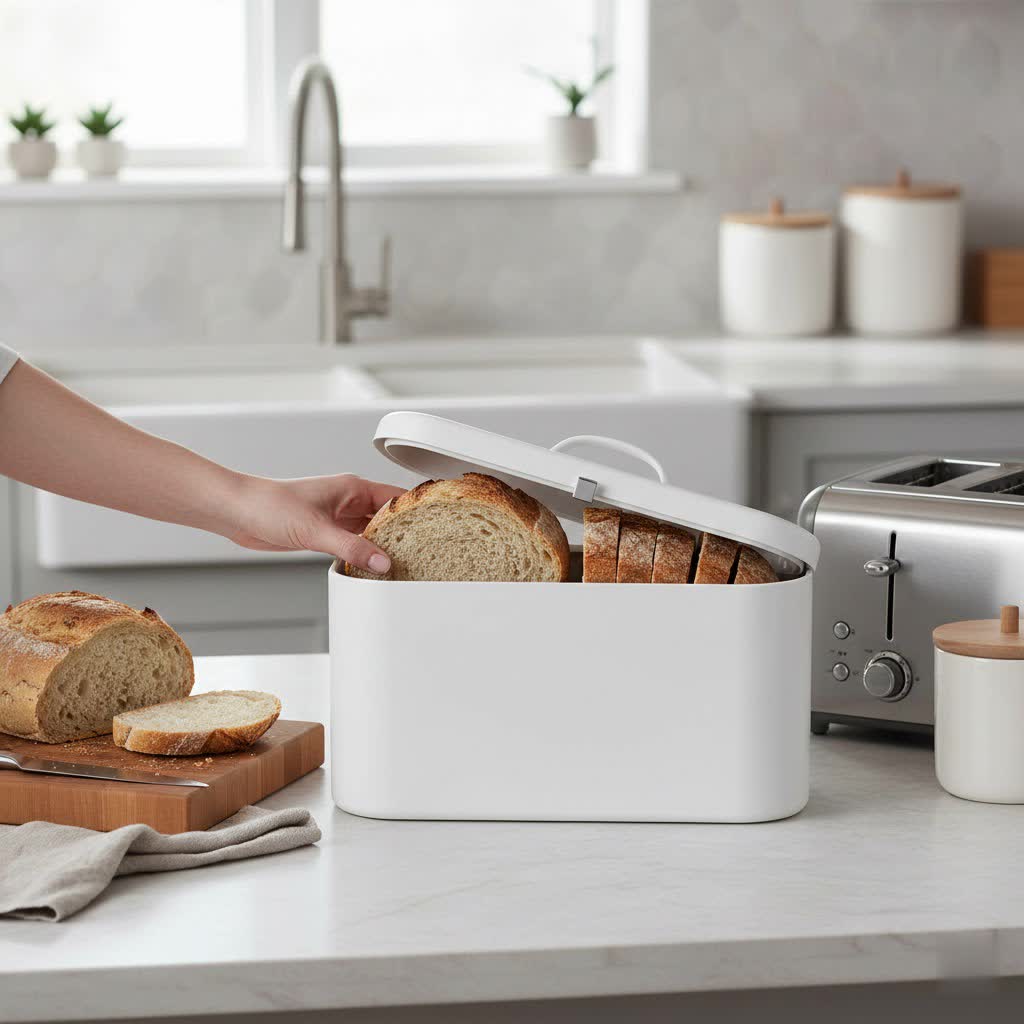
Stepping into a kitchen graced by an Antique Bread Box is like catching a glimpse of history, a silent nod to generations past where simplicity and craftsmanship reigned supreme. These charming relics, once essential household items, have transcended their practical origins to become coveted collectibles, bringing warmth, character, and a touch of nostalgic elegance to modern homes. But what makes an antique bread box so special, and how can you find and cherish one of your own?
What Defines an Antique Bread Box?
An antique bread box, often referred to as a bread bin, is more than just a container; it’s a piece of culinary history designed to preserve bread’s freshness in an era before plastic packaging and ubiquitous preservatives. Historically, bread was purchased daily from a local baker or baked at home without chemical additives, leading to a very short shelf life. The bread box emerged as an ingenious solution, providing a dedicated, breathable environment to slow the staling process and shield loaves from pests.
While precise origins are murky, bread boxes gained significant popularity in American and European kitchens throughout the late 19th and early 20th centuries, peaking around the 1920s. Innovations like Stanley Walter Krebs’ 1918 patent and the later association with Otto Frederick Rohwedder’s automatic bread-slicing machine cemented their place in domestic life. Their decline began in the 1950s and 60s, a casualty of commercially produced, preservative-laden bread wrapped in plastic and the rise of refrigeration and central air conditioning in homes. Today, their appeal is reborn, cherished for their authenticity, craftsmanship, and a sustainable approach to food storage.
Why Embrace an Antique Bread Box Today?
In an age of mass production, an antique bread box offers a refreshing counterpoint, blending historical allure with practical benefits:
- Timeless Aesthetic Appeal: Antique bread boxes are far from mere utilitarian objects. They embody the design sensibilities of their era, from rustic farmhouse charm to elegant Art Deco lines, instantly becoming a focal point and conversation starter in any kitchen. They add character and a sense of continuity that modern items often lack.
- Sustainable and Eco-Friendly Choice: Reusing an antique item is a fantastic way to embrace sustainability. It reduces waste and connects you to a past when quality and longevity were paramount. It’s an eco-conscious alternative to disposable packaging.
- Optimal Bread Storage: Surprisingly, many modern experts agree that bread often fares best when stored at room temperature in a dark, airy environment—precisely what a well-designed bread box provides. It allows for crucial airflow to prevent moisture buildup and mold, while simultaneously slowing the drying process. Unlike refrigeration, which accelerates staling by altering starch molecules, a bread box helps maintain the bread’s texture and flavor for several days.
- Organized and Clutter-Free Countertops: Beyond bread preservation, these boxes offer a neat and tidy solution for countertop clutter. They can stylishly house not just bread, but also pastries, muffins, or even serve as unique storage for kitchen essentials, keeping your space organized and visually appealing.
Unveiling the Varieties of Antique Bread Boxes
Antique bread boxes come in a delightful array of materials and styles, each telling a story of its time and craftsmanship.
By Material
The choice of material often dictated the box’s durability, appearance, and even its thermal properties.
- Wood: Wooden bread boxes are arguably the most iconic, highly sought after for their natural beauty and warmth. Common woods include oak, pine, and sometimes red cedar, valued for its natural insect-repelling properties. Many feature intricate joinery, such as dovetail joints, indicative of quality pre-1950s craftsmanship. Roll-top designs are particularly prevalent in wood, offering a classic aesthetic that complements farmhouse, rustic, or traditional kitchen decors.
- Metal: Metal bread boxes gained popularity in the mid-20th century, often showcasing vibrant enamel finishes, chrome accents, or decorative painted designs. Tin and galvanized steel were common, sometimes featuring hand-soldered seams on older pieces (pre-1940s). Brands like Lincoln Beauty Ware are celebrated for their sleek, often pastel-hued mid-century modern designs, while Ransburg boxes from the 1930s-1960s are highly collectible for their distinctive hand-painted florals and country scenes. Metal boxes are known for their durability and ease of cleaning.
- Ceramic/Pottery: Less common but highly effective are ceramic bread boxes, sometimes called bread crocks. These substantial pieces excel at maintaining a consistent, cool temperature, ideal for bread freshness. They often feature unique, hand-crafted designs or simple, elegant forms that can be beautiful additions to a kitchen.
|
Our Picks for the Best Bread Box in 2026
We may earn a commission when you use one of our links to make a purchase.
|
||
| Num | Product | Action |
|---|---|---|
| 1 | Sunhoo Bread Box for Kitchen Countertop Wooden Bread Storage Container Bin 2 Layer Breadbox Holder Large Capacity Keeper Vintage Farmhouse Food Organizer Pantry Shelf Acrylic Window (Brown) |

|
| 2 | Bamboo Bread Box for Kitchen Counter-Large Capacity Bread Storage Container Farmhouse Bread Box with Window Bread Holder |
|
| 3 | ROYALHOUSE Natural Bamboo Roll Top Bread Box Kitchen Food Storage - Assembly Required |
|
| 4 | Double Layer Bread Box for Kitchen Countertop, Large Breadbox Bread Container Storage with Windows, Wooden Farmhouse Bread Holder (Black) |
|
| 5 | Amazon Basics Carbon Steel Bread Box with Acacia Wood Lid, Lid Doubles as Cutting Board, 11.9 x 7.1 x 5.2 in. |
|
| 6 | ZICOTO Beautiful Bread Box With Wooden Lid For Your Kitchen Countertop - Spacious Container Perfectly Stores Your Homemade Bread, English Muffins & Bagels - Quality Cutting Board Lid Keeps Loaf Fresh |
|
| 7 | 2 Pack Glass Loaf Pan with Lid, 1.9QT/ 62 OZ Bread Pan - Baking Dish with Airtight Lids BPA free - Meatloaf Pans For Homemade Bread, Baking, Cakes, Dessert,Microwave & Oven Safe |
|
| 8 | Fullin Bread Box for Kitchen Countertop, Bread Storage Container Large Capacity Bamboo Homemade Bread Boxes, Bread Food Holder Organizer with Acrylic Window for Kitchen Counter, Panry Shelf, Cabinet |
|
| 9 | Bread Box Bread Boxes for Kitchen Counter Airtight, Time Recording Bread Storage Container with Lid, Bread Keeper for Homemade Bread, Toast, Bagel, Donut and Cookies, Grey |
|
| 10 | Black Corner Bread Box for Kitchen Countertop, Large Bread Container Storage Bamboo Wooden Farmhouse Bread Box with Window Bread Holder |
|
By Style
Beyond materials, the functional design of antique bread boxes also varied, reflecting different storage needs and aesthetic trends.
- Roll-Top: This classic design features a slatted door that slides smoothly upwards and tucks into the top of the box, saving valuable countertop space. Found predominantly in wood, but also in some metal versions, they are a hallmark of traditional bread storage.
- Hinged-Lid/Flip-Top: A straightforward design where the lid opens upwards on hinges. These boxes can be found in various shapes, from rectangular to round, and were common in both wood and metal constructions. Early 20th-century tin or metal hinged-door breadboxes, particularly round ones, are considered unique finds.
- Hoosier-Style: While not standalone boxes, many antique Hoosier cabinets featured integrated bread drawers or compartments designed to function similarly to a bread box, offering a glimpse into a more comprehensive kitchen storage system.
- Double-Decker: A rarer and highly collectible style, these boxes offer two separate compartments, sometimes used for different types of bread or for storing other baked goods.
Decoding the Value: What Makes an Antique Bread Box Collectible?
The value of an antique bread box can fluctuate significantly, ranging from under $100 to potentially thousands for truly rare examples. Several key factors influence its worth:
- Authenticity Markers: Identifying a genuine antique requires a keen eye. Look for:
- Construction: Hand-soldered seams on metal (pre-1940s), solid hardwood with dovetail or finger joints on wood (pre-1950s), and riveted construction rather than spot welding on metal boxes.
- Hardware: Flat-head screws (Phillips-head screws were not common until after the 1930s), original cast iron or brass hinges with natural patina, rather than modern replacements.
- Materials: Genuine porcelain enamel surfaces (not plastic coatings), thick metal or solid wood construction, contributing to a noticeably heavier body than modern replicas.
- Decorations: Hand-painted lettering, designs, or pin-striping that show slight inconsistencies, indicating human craftsmanship rather than decals.
- Condition: Like any antique, condition is paramount. While some patina, minor rust on metal, or softened edges on wood are expected and even desirable, significant damage, large dents, missing parts, or heavy rust can reduce value. Original paint, even if faded or chipped, is generally more desirable to collectors than a poorly repainted piece.
- Rarity and Uniqueness: Uncommon designs, unusual materials, or unique features (e.g., specific ventilation patterns, double-decker styles) can increase collectibility.
- Maker’s Mark and Brand: Bread boxes from well-known manufacturers or those with distinctive artisan craftsmanship tend to fetch higher prices. Brands like Ransburg, Lincoln Beauty Ware, and Waechtersbach are particularly sought after by collectors.
On average, a well-preserved antique bread box might range from $100 to $1,000, with exceptional or extremely rare examples commanding much higher sums, occasionally reaching upwards of $30,000 for museum-quality or historically significant pieces.
Your Guide to Finding and Choosing an Antique Bread Box
Embarking on the quest for an antique bread box is an exciting journey that combines historical appreciation with the thrill of the hunt.
Where to Hunt for Treasures
- Thrift Stores and Charity Shops: These are often goldmines for unexpected vintage finds. Patience and frequent visits are key, as inventory constantly changes.
- Antique Malls and Shops: Dedicated antique dealers often have a curated selection, though prices may be higher. They can also offer valuable insights into the piece’s history.
- Estate Sales and Auctions: These can be excellent sources for finding well-preserved pieces directly from original homes. Attend previews to inspect items thoroughly.
- Online Marketplaces: Websites like eBay, Etsy, and 1stDibs are popular platforms for buying and selling antiques. They offer a vast selection from around the world, but always review detailed photos, descriptions, and seller ratings carefully.
Assessing Your Find
Once you’ve spotted a potential treasure, take a moment to evaluate it:
- Inspect for Damage: Check for structural integrity, deep cracks in wood, significant rust that compromises metal, or large missing pieces. Minor imperfections are often part of the charm of an antique.
- Consider Restoration Potential: If a piece is damaged, assess if it’s within your skill set or budget to restore. Sometimes a simple cleaning and conditioning can bring an old piece back to life.
- Match Your Decor: Envision how the bread box will integrate with your existing kitchen aesthetic. Whether your style is rustic farmhouse, mid-century modern, or classic traditional, there’s an antique bread box to complement it.
- Check Functionality: Ensure lids open and close smoothly, roll-top mechanisms are intact, and hinges are functional.
Revitalizing Your Antique Bread Box: Care and Restoration Tips
Bringing an antique bread box back to its former glory or giving it a new lease on life can be a rewarding project.
- Initial Cleaning: Start with a gentle yet thorough cleaning. Use a soft cloth dampened with mild dish soap and warm water to wipe down all surfaces. For stubborn grime, a non-abrasive cleaner can be used sparingly. Always dry thoroughly to prevent moisture damage, especially on wood or areas prone to rust. Remove any removable hardware, like handles, for separate cleaning and to prevent paint from sticking during restoration.
- Addressing Rust (for Metal Boxes): For minor surface rust, a fine steel wool pad or a rust remover designed for antiques can be effective. Be gentle to avoid damaging original paint or finishes. For extensive rust, professional restoration might be considered.
- Wood Care: For wooden boxes, after cleaning, apply a good quality wood conditioner or a thin coat of paste wax. This will nourish the wood, restore its luster, and help protect it. Minor scratches can sometimes be minimized with wood repair markers. For deeper repairs, wood filler and sanding may be needed.
- Repainting and Stenciling: If a metal or wooden bread box is heavily damaged or you desire a new look, repainting is an option. For a distressed aesthetic, apply a base coat (e.g., black), then a top coat (e.g., white), and gently sand areas to let the base color show through. Stenciling can add charming designs or classic “BREAD” lettering. Always use paints and sealers appropriate for furniture and household items, and ensure proper ventilation.
- Preserving Patina: Many collectors value the natural aging and wear—the “patina”—of an antique. If your bread box has a beautiful, aged look, it’s often best to preserve it rather than strip it away. Gentle cleaning and protective waxes or sealants can help maintain its character.
> “An antique bread box is more than just a functional item; it’s a testament to enduring design and quality craftsmanship. Each scratch and fade tells a story, making it a unique bridge between past and present in your home.”
Conclusion
The antique bread box is a captivating blend of history, utility, and aesthetic appeal. From its humble origins as a kitchen necessity to its current status as a cherished collectible and stylish decor piece, it continues to captivate those who appreciate quality, character, and a touch of nostalgia. By understanding their history, appreciating their diverse forms, and knowing how to identify and care for them, you can find the perfect antique bread box to enrich your home and preserve a piece of culinary heritage. So, are you ready to embark on your own treasure hunt for a timeless bread box that tells a story?
Frequently Asked Questions
Are antique bread boxes safe for storing modern bread?
Yes, most antique bread boxes, once thoroughly cleaned, are perfectly safe for storing modern bread. Their design provides the ideal dark, room-temperature environment with adequate airflow, which is often superior to refrigeration for many types of bread.
How do I thoroughly clean an antique bread box?
Start by wiping it with a soft cloth and a solution of mild dish soap and warm water. For wooden boxes, ensure it dries completely and then apply a wood conditioner. For metal boxes, address any rust with appropriate removers and consider a food-safe sealant if desired, especially on interior surfaces.
What is the difference between a vintage and an antique bread box?
Generally, an item is considered “antique” if it is 100 years old or older. “Vintage” refers to items typically 20 years old or more, but less than 100 years old. So, a bread box from the early 1920s would be antique, while one from the 1960s would be vintage.
Do bread boxes truly keep bread fresher than other methods?
For many types of bread, especially artisan or homemade loaves without preservatives, a bread box can significantly prolong freshness by providing a balanced environment. It allows air circulation to prevent mold while maintaining enough humidity to prevent rapid drying, outperforming refrigeration which can quickly stale bread.