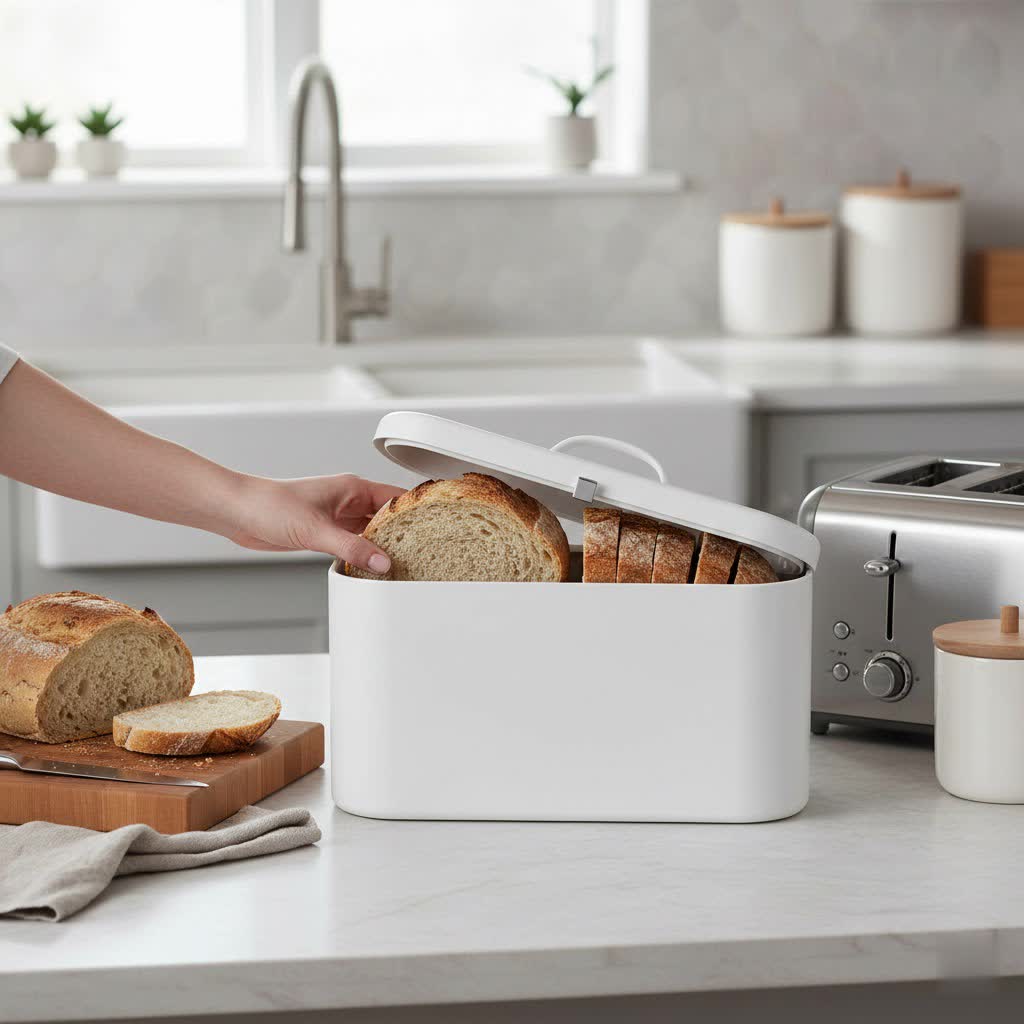
There’s a unique joy that comes with baking a fresh loaf of homemade bread – the warmth, the aroma, and that first perfect slice. But the satisfaction can quickly fade when your beautiful creation starts to go stale or, worse, moldy. For those who cherish their artisanal efforts, finding the right Bread Box For Homemade Bread isn’t just about storage; it’s about preserving that ephemeral freshness and ensuring every bite is as good as the first. This comprehensive guide will help you navigate the world of bread boxes to find the perfect companion for your cherished homemade loaves.
What is a Bread Box?
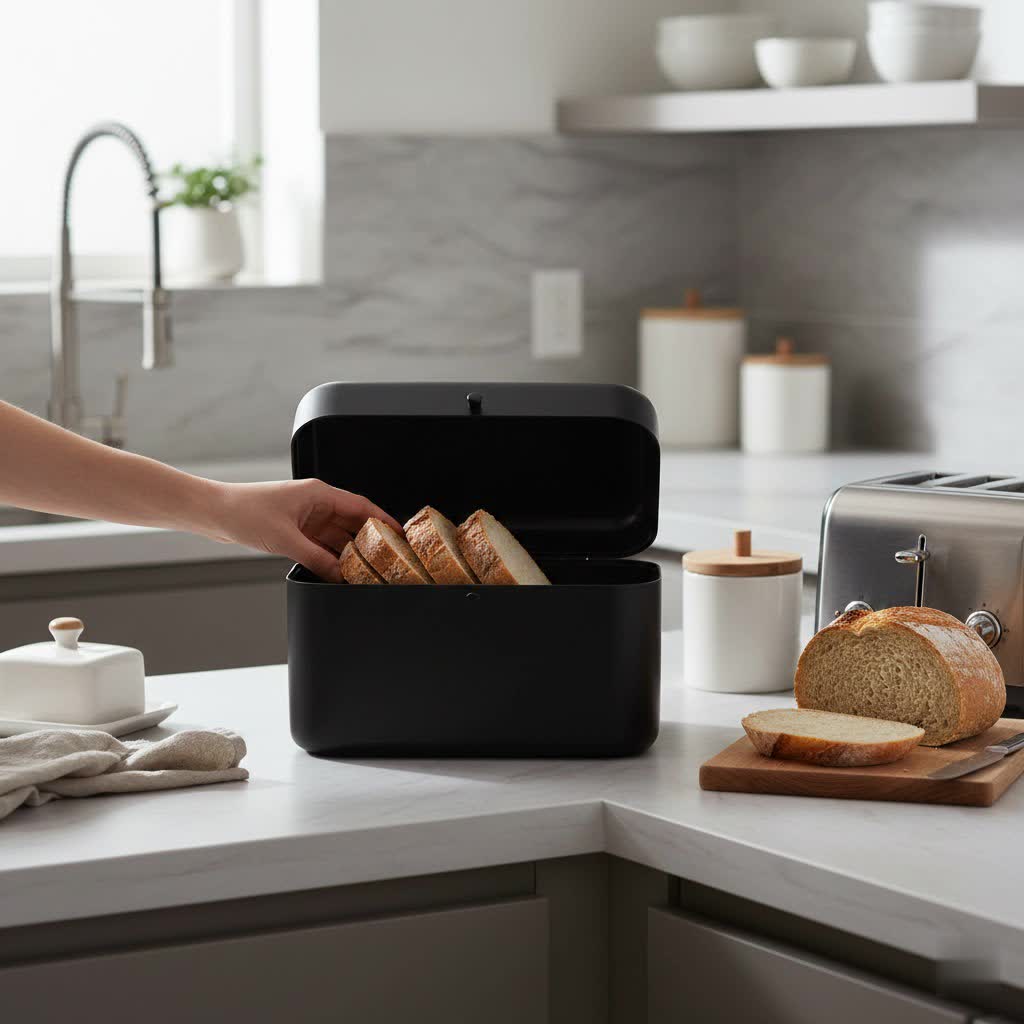
A bread box is a specialized container designed to store bread at room temperature, creating an optimal microclimate that extends its freshness. Unlike airtight containers that can trap moisture and encourage mold, or open-air storage that leads to rapid staling, a good bread box strikes a delicate balance. It allows for just enough airflow to prevent condensation while retaining sufficient moisture to keep your bread from drying out too quickly. This clever design helps to maintain the bread’s desirable texture and flavor for several days.
Why You Need a Bread Box for Your Homemade Loaves
Homemade bread, free from the preservatives found in many store-bought varieties, is particularly susceptible to environmental factors that accelerate spoilage. A dedicated bread box for homemade bread offers numerous advantages:
- Keeps Bread Fresher Longer: A bread box creates an ideal environment—cool, dark, and slightly humid—that significantly slows down the staling process, allowing you to enjoy your loaves for several days longer than if left on the counter.
- Prevents Mold and Staleness: By regulating internal humidity and allowing slight airflow, a bread box prevents the excess moisture that leads to mold growth, while simultaneously preventing the rapid drying out that causes bread to become hard and stale.
- Preserves Texture and Flavor: Imagine biting into a slice of your homemade sourdough, only to find the crust has gone limp and the interior is dry. A bread box helps preserve that coveted crispy crust and moist, tender crumb, maintaining the bread’s original characteristics. Refrigerating bread, surprisingly, can cause it to stale even faster by accelerating starch crystallization.
- Kitchen Aesthetics and Organization: Beyond functionality, a stylish bread box can be a beautiful addition to your kitchen counter, keeping your loaves neatly tucked away and contributing to a tidy, organized space.
- Eco-Friendly Choice: Opting for a bread box reduces your reliance on single-use plastic bags and wraps, making it a greener choice for storing your baked goods and minimizing household waste.
Popular Types of Bread Boxes
Bread boxes come in a variety of materials and designs, each offering unique benefits for your homemade bread.
By Material
- Wood: Wooden bread boxes, often crafted from bamboo or olivewood, are popular for their natural moisture-regulating properties. Wood is porous, allowing a small amount of moisture to escape, which is excellent for preventing sogginess and mold. They also add a rustic or elegant touch to any kitchen.
- Pros: Excellent humidity control, aesthetically pleasing, durable.
- Cons: Can require more maintenance (e.g., mineral oil conditioning for some woods).
- Metal: Stainless steel or aluminum bread boxes offer durability and are generally easy to clean. While often more airtight than wood, well-designed metal boxes incorporate subtle ventilation to ensure proper airflow.
- Pros: Durable, sleek, easy to clean.
- Cons: Can be prone to dents and smudges, and may require specific ventilation features to avoid trapping too much moisture.
- Ceramic: Known for their ability to maintain a stable environment, ceramic bread boxes provide consistent temperature and humidity levels, ideal for slowing down both staling and mold growth. Many feature a rustic charm, with lids that can double as cutting boards.
- Pros: Excellent for stable environment, often attractive, can have multi-functional lids. [cite: 1 from initial search]
- Cons: Can be heavy and less portable. [cite: 1 from initial search]
- Plastic: While often the most budget-friendly and lightweight option, plastic bread boxes vary greatly in design and effectiveness. Some are specifically designed for sliced sandwich bread, offering a tight seal for convenience.
- Pros: Lightweight, affordable, easy to clean.
- Cons: May not be as durable or aesthetically appealing as other materials; some can suffocate bread if not properly ventilated.
|
Our Picks for the Best Bread Box in 2026
We may earn a commission when you use one of our links to make a purchase.
|
||
| Num | Product | Action |
|---|---|---|
| 1 | Fullin Bread Box for Kitchen Countertop, Bread Storage Container Large Capacity Bamboo Homemade Bread Boxes, Bread Food Holder Organizer with Acrylic Window for Kitchen Counter, Panry Shelf, Cabinet |

|
| 2 | Bread Box Bread Boxes for Kitchen Counter Airtight, Time Recording Bread Storage Container with Lid, Bread Keeper for Homemade Bread, Toast, Bagel, Donut and Cookies, Grey |
|
| 3 | Bamboo Bread Box for Kitchen Counter-Large Capacity Bread Storage Container Farmhouse Bread Box with Window Bread Holder |
|
| 4 | Double Layer Bread Box for Kitchen Countertop, Large Breadbox Bread Container Storage with Windows, Wooden Farmhouse Bread Holder (Black) |
|
| 5 | 2 Pack Glass Loaf Pan with Lid, 1.9QT/ 62 OZ Bread Pan - Baking Dish with Airtight Lids BPA free - Meatloaf Pans For Homemade Bread, Baking, Cakes, Dessert,Microwave & Oven Safe |
|
| 6 | ZICOTO Beautiful Bread Box With Wooden Lid For Your Kitchen Countertop - Spacious Container Perfectly Stores Your Homemade Bread, English Muffins & Bagels - Quality Cutting Board Lid Keeps Loaf Fresh |
|
| 7 | ROYALHOUSE Natural Bamboo Roll Top Bread Box Kitchen Food Storage - Assembly Required |
|
| 8 | Amazon Basics Carbon Steel Bread Box with Acacia Wood Lid, Lid Doubles as Cutting Board, 11.9 x 7.1 x 5.2 in. |
|
| 9 | Sunhoo Bread Box for Kitchen Countertop Wooden Bread Storage Container Bin 2 Layer Breadbox Holder Large Capacity Keeper Vintage Farmhouse Food Organizer Pantry Shelf Acrylic Window (Brown) |
|
| 10 | Black Corner Bread Box for Kitchen Countertop, Large Bread Container Storage Bamboo Wooden Farmhouse Bread Box with Window Bread Holder |
|
By Design/Lid Style
- Roll-Top: These classic designs feature a lid that slides back, similar to a garage door. They are convenient as you can often place items on top of the box without needing to move them to access your bread.
- Flip-Top/Hinged: Lids that open upwards, like a treasure chest, are common. However, consider if this style will be practical in your kitchen, especially if the box is placed under cabinets or against a wall.
- Removable Lid: Some bread boxes have completely removable lids. While simple, they can sometimes be cumbersome to handle, especially if they are heavy or lack handles.
Comparing Bread Box Types: A Quick Look
| Material | Pros | Cons | Ideal For | Price Range |
|---|---|---|---|---|
| Wood | Natural moisture regulation, aesthetic appeal | Can require more maintenance (oiling), potentially higher cost | Artisanal, rustic kitchens, those prioritizing natural materials | Mid-High |
| Metal | Durable, easy to clean, sleek modern look | Prone to dents/smudges, crucial to ensure proper ventilation | Modern kitchens, those seeking robustness | Low-Mid |
| Ceramic | Stable humidity, unique aesthetic, can be multi-functional | Heavy, less portable, often higher cost | Rustic or traditional kitchens, consistent freshness | Mid-High |
| Plastic | Lightweight, affordable, easy to clean | Less aesthetic, may lack optimal ventilation for homemade loaves | Budget-conscious, convenience, pre-sliced bread | Low |
How to Choose the Perfect Bread Box for Your Homemade Bread
Selecting the right bread box for homemade bread involves a few key considerations to ensure it meets both your functional and aesthetic needs.
Assess Your Needs
- Quantity of Bread: How many loaves do you typically bake or buy at once? Ensure the bread box is spacious enough to comfortably hold your usual quantity without being overly large, which can waste precious counter space.
- Kitchen Space: Measure your available countertop space, paying attention to height clearance if you plan to place it under cabinets. Consider the footprint and lid style in relation to your kitchen layout.
- Aesthetic Preference: Your bread box will likely be a visible kitchen accessory. Choose a material and style that complements your existing decor, whether it’s modern, farmhouse, or traditional.
Material and Ventilation are Key
The most important factor for preserving homemade bread is controlled airflow.
- Prioritize Materials with Proper Ventilation: A good bread box is not airtight. Look for subtle ventilation holes, small gaps in seams, or naturally porous materials like wood that allow just enough air circulation to prevent mold-causing condensation while still keeping the bread from drying out.
- Wood for Natural Regulation: Wood, particularly bamboo or olivewood, is often favored for homemade bread due to its natural ability to absorb and release moisture, creating a balanced environment.
- Metal with Designed Airflow: If opting for metal, ensure the design explicitly accounts for ventilation, as solid metal can otherwise trap too much moisture.
Consider Additional Features
- Transparency: Bread boxes with clear or semi-transparent doors or windows are a significant advantage. As the saying goes, “out of sight, out of mind” – being able to see your bread helps you remember to enjoy it before it passes its prime.
- Lid Functionality: A roll-top lid can be incredibly convenient if you store items on top of your bread box, allowing access without moving other objects. Some lids double as a built-in cutting board, adding valuable functionality to a compact footprint.
- Ease of Cleaning: Consider materials that are easy to wipe down and resist smudges and fingerprints, especially for high-traffic kitchen items.
Top Picks: Bread Boxes Recommended for Homemade Bread Enthusiasts
Based on expert testing and user reviews, these bread boxes consistently perform well for keeping homemade bread in peak condition:
- Williams Sonoma Olivewood Bread Box: For those who appreciate beauty and quality, this olivewood box offers stunning aesthetics and durable construction. Its clear acrylic door allows you to easily see your loaves, and it excels at keeping bread fresh. It’s a premium investment that promises to improve with age.
- Oggi Stainless Steel Roll Top Bread Box: A fantastic budget-friendly option, the Oggi combines a durable stainless steel base with a frosted plexiglass roll-top lid. It’s spacious enough for various loaves, keeps bread fresh and soft, and its semi-transparent top offers a peek at the contents.
- Emile Henry Breadbox (Ceramic): This elegant ceramic breadbox, made from Burgundian clay and beechwood, provides an ideal, stable environment for homemade bread. It features a subtle ventilation hole and a beechwood lid that cleverly doubles as a cutting board, making it both functional and a beautiful, rustic addition to any kitchen. [cite: 1 from initial search]
“The secret to a truly fresh homemade loaf lies not just in the baking, but in the intelligent storage that follows. A good bread box is an investment in savoring every crumb.”
Conclusion
The aroma and taste of homemade bread are unparalleled, and with the right bread box for homemade bread, you can extend that pleasure for days. By understanding the importance of balanced airflow, considering different materials, and assessing your kitchen’s unique needs, you can select a bread box that not only keeps your loaves perfectly fresh but also enhances your kitchen’s appeal. Say goodbye to stale slices and embrace a smarter, more sustainable way to enjoy your baking masterpieces.
Ready to find the ideal home for your next culinary creation? What’s your favorite type of homemade bread to keep perfectly fresh?
Câu Hỏi Thường Gặp
Do bread boxes really work for homemade bread?
Yes, bread boxes are highly effective for homemade bread. They create a balanced environment that regulates humidity and airflow, which is crucial for prolonging freshness and preventing both rapid staling and mold growth in preservative-free loaves.
Is a bread box better than a plastic bag for homemade bread?
Absolutely. While plastic bags can trap moisture and soften your bread’s crust, a bread box allows for slight airflow, maintaining a crispy exterior and moist crumb. It prevents the condensation that leads to mold while slowing the drying process.
Should homemade bread be stored in the refrigerator?
Generally, no. Refrigerating bread can actually make it go stale faster due to accelerated starch crystallization. A bread box stores bread at room temperature, which is much better for preserving its texture and flavor.
What materials are best for a bread box to prevent mold?
Materials like wood (especially bamboo or olivewood) are excellent because they are porous and naturally regulate moisture. Metal and ceramic boxes also work well, provided they are designed with specific ventilation to ensure adequate airflow and prevent condensation.
How often should I clean my bread box?
It’s essential to clean your bread box regularly according to the manufacturer’s instructions. Periodically wipe out crumbs and any residue with hot soapy water or a damp cloth to prevent mold spores or insects from becoming an issue. A vinegar and water solution can also be used for thorough cleaning. [cite: 4 from initial search]
Can I store other baked goods in a bread box?
Yes, a bread box is suitable for storing various baked goods beyond just loaves of bread, such as pastries, muffins, or cookies, benefiting from the same controlled environment that keeps them fresh and delicious for longer.