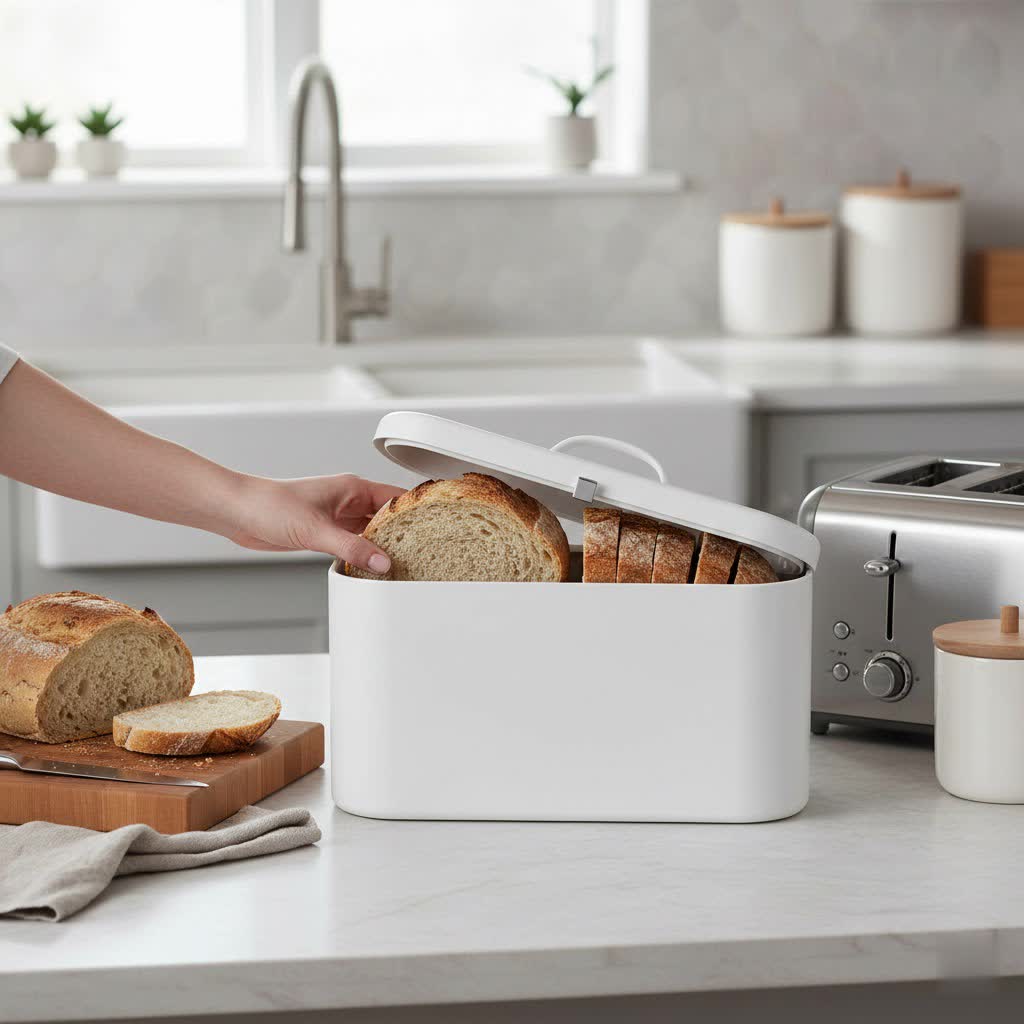
Imagine a kitchen where every detail tells a story, where functionality meets enduring beauty. For bread lovers, the quest for the perfect storage solution often leads to a delightful discovery: the Enamelware Bread Box. More than just a container, these iconic pieces offer a unique blend of vintage appeal and practical benefits, safeguarding your homemade sourdough or bakery-fresh artisan loaves with unparalleled grace. If you’ve ever wrestled with stale bread or cluttered countertops, an enamelware bread box might be the elegant answer you’ve been searching for. Let’s delve into the world of these charming kitchen essentials and uncover why they remain a favorite for discerning home cooks.
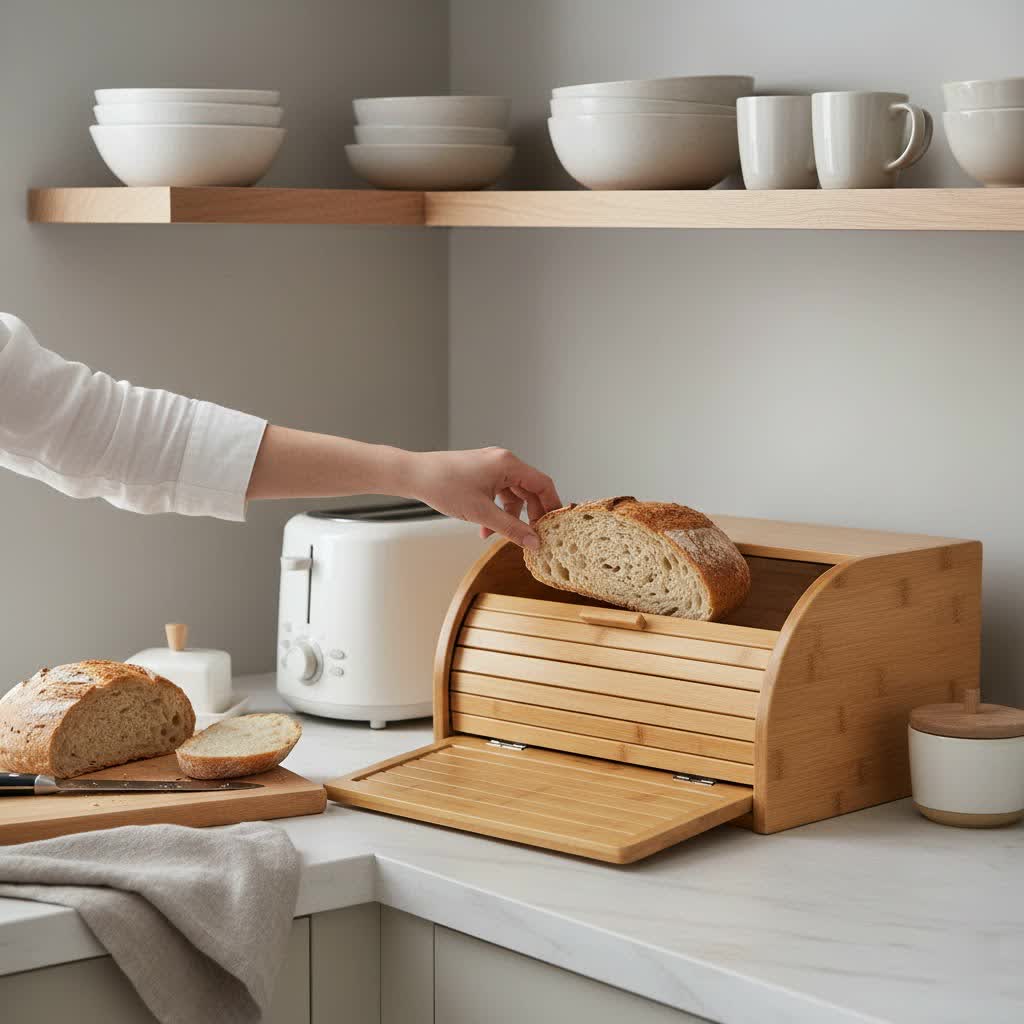
What is an Enamelware Bread Box?
An enamelware bread box is a kitchen storage container crafted from a metal base, typically steel or iron, coated with a layer of glass-like enamel. This vitreous enamel is achieved by fusing powdered glass to the metal surface at intensely high temperatures, creating a smooth, durable, and non-porous finish. This process results in a distinctively glossy, hard-wearing, and aesthetically pleasing surface that has captivated cooks and decorators for centuries.
The history of enamelware stretches back to ancient times, initially used for intricate artwork and jewelry. However, it was in the late 19th and early 20th centuries that enamelware truly found its footing in the domestic sphere. Bread boxes, along with other kitchen essentials like pots, kettles, and canisters, became popular during this era due to their hygienic, durable, and easy-to-clean properties. By the 1940s and 1950s, enamel bread boxes were commonplace, symbolizing a commitment to cleanliness and a touch of everyday luxury. While plastic alternatives temporarily supplanted them in the mid-20th century, modern consumers are rediscovering the enduring appeal and practical advantages of these classic pieces, bringing them back into contemporary kitchens with a renewed appreciation for their vintage charm.
Why Choose an Enamelware Bread Box?
Beyond their undeniable aesthetic appeal, enamelware bread boxes offer a host of practical benefits that contribute to better bread preservation and an organized kitchen.
Preserves Freshness Longer
|
Our Picks for the Best Bread Box in 2026
We may earn a commission when you use one of our links to make a purchase.
|
||
| Num | Product | Action |
|---|---|---|
| 1 | 2 Pack Glass Loaf Pan with Lid, 1.9QT/ 62 OZ Bread Pan - Baking Dish with Airtight Lids BPA free - Meatloaf Pans For Homemade Bread, Baking, Cakes, Dessert,Microwave & Oven Safe |

|
| 2 | Sunhoo Bread Box for Kitchen Countertop Wooden Bread Storage Container Bin 2 Layer Breadbox Holder Large Capacity Keeper Vintage Farmhouse Food Organizer Pantry Shelf Acrylic Window (Brown) |
|
| 3 | Amazon Basics Carbon Steel Bread Box with Acacia Wood Lid, Lid Doubles as Cutting Board, 11.9 x 7.1 x 5.2 in. |
|
| 4 | Fullin Bread Box for Kitchen Countertop, Bread Storage Container Large Capacity Bamboo Homemade Bread Boxes, Bread Food Holder Organizer with Acrylic Window for Kitchen Counter, Panry Shelf, Cabinet |
|
| 5 | Double Layer Bread Box for Kitchen Countertop, Large Breadbox Bread Container Storage with Windows, Wooden Farmhouse Bread Holder (Black) |
|
| 6 | Bamboo Bread Box for Kitchen Counter-Large Capacity Bread Storage Container Farmhouse Bread Box with Window Bread Holder |
|
| 7 | ROYALHOUSE Natural Bamboo Roll Top Bread Box Kitchen Food Storage - Assembly Required |
|
| 8 | ZICOTO Beautiful Bread Box With Wooden Lid For Your Kitchen Countertop - Spacious Container Perfectly Stores Your Homemade Bread, English Muffins & Bagels - Quality Cutting Board Lid Keeps Loaf Fresh |
|
| 9 | Bread Box Bread Boxes for Kitchen Counter Airtight, Time Recording Bread Storage Container with Lid, Bread Keeper for Homemade Bread, Toast, Bagel, Donut and Cookies, Grey |
|
| 10 | Black Corner Bread Box for Kitchen Countertop, Large Bread Container Storage Bamboo Wooden Farmhouse Bread Box with Window Bread Holder |
|
The design of an enamelware bread box creates an optimal environment for bread storage. Unlike airtight containers that can trap moisture and lead to mold, or open exposure that causes rapid drying, enamel bread boxes typically offer a controlled atmosphere. They shield bread from direct light, which can degrade nutrients and accelerate oxidation. Many designs also incorporate subtle ventilation, allowing just enough airflow to prevent excessive moisture buildup while slowing down the staling process. This balance helps keep crusts crisp and interiors soft, ensuring your bread stays delicious for longer.
Durability and Longevity
Constructed from robust metal and coated with a hard enamel layer, these bread boxes are built to last. They are sturdy, resistant to warping or cracking often seen in plastic or some wooden alternatives, and can withstand the rigors of daily kitchen use for years, even generations. This inherent durability makes them a sustainable choice, reducing the need for frequent replacements.
Superior Hygiene and Easy Cleaning
The smooth, non-porous surface of enamelware is naturally hygienic. It resists bacterial growth, does not absorb odors, and is remarkably easy to clean. A simple wipe with a damp cloth is usually sufficient to remove crumbs and spills, keeping your bread box pristine. This non-stick quality also means less effort in maintenance, ensuring a clean storage space for your baked goods without the risk of mold or mildew that can plague other materials.
Pest Resistance
For many households, keeping pantry pests at bay is a significant concern. The solid construction and often tight-fitting lids of enamelware bread boxes provide superior protection against insects and rodents. Their robust design creates a reliable barrier, safeguarding your bread and other stored items from unwanted visitors.
Aesthetic Appeal and Timeless Style
Perhaps one of the most compelling reasons to choose an enamelware bread box is its distinct aesthetic. These boxes bring a touch of nostalgia, fitting seamlessly into vintage, retro, farmhouse, and even modern rustic kitchen decors. Available in a spectrum of classic colors – from crisp whites with bold black or blue lettering to charming pastels and deep, warm tones – they serve as both a functional item and a striking decorative accent. Their timeless design ensures they remain stylish regardless of changing trends.
Non-Toxic and Environmentally Friendly
In an age where material safety is paramount, enamelware stands out. The glass-based coating does not contain harmful chemicals like BPA, making it a safe choice for food storage. Furthermore, enamel does not hinder the recyclable nature of the metal it covers, contributing to a more environmentally conscious kitchen.
Exploring Enamelware Bread Box Materials and Styles
While the core material of an enamelware bread box is enamel-coated metal, variations exist in their design and specific construction.
By Material
The primary material is enamel-coated steel or iron. This combination provides the best of both worlds: the strength and heat retention of metal, coupled with the smooth, protective, and decorative qualities of enamel. While some debate the thermal properties, for a bread box, the key benefits are durability, hygiene, and aesthetic versatility. The enamel prevents the metal from rusting and reacting with food acids, ensuring a clean, unblemished interior for your bread.
By Style
Enamelware bread boxes come in various styles, each offering unique functionality and visual appeal:
- Roll-Top Boxes: These feature a curved lid that slides back into the box, offering easy access and a space-saving design, as the lid doesn’t require extra clearance when opened.
- Flip-Top (Hinged Lid) Boxes: Similar to a treasure chest, these boxes have a lid that lifts upwards on hinges. They often offer a wider opening for larger loaves.
- Removable Lid Boxes: Simple and classic, these boxes have a lid that lifts completely off. They are easy to clean and can be quite versatile.
- Vintage-Inspired Designs: Many modern enamelware bread boxes are reproductions of classic designs, often featuring iconic elements like “BREAD” lettering, black outlined edges, and traditional color palettes such as white with blue or black trim, mint green, or pastel yellow. These styles evoke a sense of heritage and warmth.
Enamelware vs. Other Bread Box Materials
Choosing a bread box involves weighing the pros and cons of various materials. Here’s how enamelware stacks up against common alternatives:
| Feature | Enamelware Bread Box | Wooden Bread Box | Stainless Steel Bread Box | Plastic Bread Box | Ceramic Bread Box |
|---|---|---|---|---|---|
| Durability | Highly durable, long-lasting; chips if dropped. | Durable, can warp/crack with moisture. | Very durable, resistant to rust/dents. | Less durable, can warp, crack, scratch easily. | Durable, but brittle; can shatter if dropped. |
| Freshness | Good moisture/airflow balance; light protection. | Good breathability, can absorb odors over time. | Good moisture control; often with ventilation. | Can trap moisture, leading to mold if airtight. | Good insulation, maintains stable environment. |
| Hygiene/Clean | Non-porous, very easy to clean, naturally antibacterial. | Porous, can absorb odors/stains; harder to sanitize. | Non-porous, easy to clean. | Non-porous, easy to clean; can stain. | Non-porous, easy to clean. |
| Aesthetics | Vintage, retro, classic, wide color variety. | Natural, rustic, warm; limited color. | Modern, sleek, industrial; limited color. | Functional, often basic; wide color options. | Elegant, often artisanal; can be heavy. |
| Pest Resist. | Excellent due to solid construction. | Good, but not as impervious as metal. | Excellent due to solid construction. | Moderate, depending on seal tightness. | Good, but typically heavier. |
| Toxicity | Non-toxic (glass coating). | Generally non-toxic; check finishes. | Non-toxic. | Can contain BPA (check product for BPA-free). | Non-toxic. |
Enamelware bread boxes offer a unique blend, often surpassing plastic in durability and hygiene, and metal in aesthetic versatility. While wood provides natural charm, enamelware excels in ease of cleaning and pest resistance. For those seeking a timeless piece that performs reliably and adds character to their kitchen, enamelware remains a standout choice.
How to Choose the Perfect Enamelware Bread Box
Selecting the ideal enamelware bread box involves considering your specific needs and preferences to ensure it becomes a cherished and functional part of your kitchen.
Assess Your Needs
First, think about how you’ll use it:
- Bread Quantity: How much bread do you typically store at once? If you bake frequently or buy multiple loaves, opt for a larger capacity box that can comfortably fit two standard loaves or one large artisan loaf.
- Kitchen Space: Measure your available countertop or pantry space. Roll-top designs save space, while hinged lids require overhead clearance.
- Kitchen Aesthetic: Consider your existing decor. Do you prefer a classic farmhouse look, a vibrant retro pop of color, or a minimalist white and black design? Enamelware comes in a wide array of styles to complement various themes.
Key Features to Look For
Once you’ve assessed your needs, examine these features:
- Lid Design: Ensure the lid fits securely to provide adequate protection, but isn’t completely airtight, which can encourage mold. Roll-top lids offer convenience, while removable lids are easiest to clean.
- Ventilation: Some enamelware bread boxes include subtle ventilation holes or slotted sides. While not always overtly visible, a well-designed box will naturally regulate airflow to prevent both drying and excessive moisture.
- Condition (for Vintage): If you’re buying a vintage piece, inspect the enamel for significant chips or rust spots, especially on the interior, as these can affect hygiene and durability. Check that the lid operates smoothly and seals reasonably well.
- Handles and Portability: If you plan to move your bread box frequently, look for models with sturdy, ergonomic handles for ease of transport.
Maintenance Tips
To ensure your enamelware bread box lasts a lifetime:
- Cleaning: Wash with warm, soapy water and a soft cloth. Avoid abrasive scrubbers or harsh chemicals that could scratch the enamel. Dry thoroughly to prevent water spots.
- Preventing Chips: While durable, enamel can chip if struck sharply or dropped. Handle your bread box with care, and avoid stacking heavy items on top.
Top Enamelware Bread Boxes for Your Kitchen
While specific brands for “enamelware bread boxes” often lean towards vintage reproductions or specialty items rather than a readily available mass-market “top picks” list, several styles and characteristics consistently prove popular. When seeking an enamelware bread box, consider these beloved types:
- The Classic Farmhouse White with Black or Blue Trim: This iconic design often features bold “BREAD” lettering. It’s a perennial favorite for its clean, timeless look that fits seamlessly into rustic, country, and modern farmhouse kitchens. These pieces often boast a sturdy metal construction underneath the crisp enamel, providing reliable freshness.
- Retro Pastel Hues: Evoking the charming kitchens of the 1950s and 60s, these bread boxes come in soft mint greens, buttery yellows, and sky blues. They add a cheerful, nostalgic touch and are perfect for infusing a bit of mid-century flair into your home.
- Bold and Contemporary Enamelware: For those who appreciate the material but desire a more modern aesthetic, some enamel bread boxes come in solid, vibrant colors like deep red, cobalt blue, or even matte black. These pieces provide a striking focal point and can complement minimalist or industrial kitchen designs.
- Roll-Top Enamel Bins: Combining the classic material with a highly practical design, roll-top enamel bread boxes are excellent space savers. The retractable lid keeps your counter uncluttered while offering easy access to your loaves. Many vintage and reproduction models feature this functional and stylish closure.
When choosing, look for reputable sellers specializing in enamelware, whether new reproductions or carefully restored vintage pieces. Prioritize quality construction and a smooth, unblemished enamel finish for both aesthetics and long-term durability.
Conclusion
An enamelware bread box is more than just a place to store your bread; it’s an investment in freshness, style, and a touch of kitchen heritage. From preserving the perfect crust to adding a classic accent to your countertop, its durable, hygienic, and aesthetically pleasing qualities make it a standout choice. By understanding its unique benefits and considering your personal needs, you can easily find an enamelware bread box that not only keeps your bread beautifully fresh but also enriches the heart of your home. Why not bring a piece of timeless charm into your kitchen and enjoy perfectly preserved loaves every day?
Câu Hỏi Thường Gặp
Do enamelware bread boxes keep bread fresh longer than plastic bags?
Yes, enamelware bread boxes generally keep bread fresher than plastic bags. Plastic bags often trap too much moisture, leading to a soggy crust and accelerated mold growth. Enamel bread boxes, with their typically balanced ventilation and opaque design, create an optimal environment that prevents both excessive drying and moisture buildup, maintaining texture and slowing staleness more effectively.
How do I clean my enamelware bread box without damaging the enamel?
To clean your enamelware bread box, simply use warm water and a soft dish soap. Wipe it down with a soft cloth or sponge, then rinse thoroughly and dry immediately with a clean towel. Avoid abrasive scrubbers, steel wool, or harsh chemical cleaners, as these can scratch or chip the enamel surface.
Can I store other baked goods besides bread in an enamelware bread box?
Absolutely! Enamelware bread boxes are versatile and perfect for storing a variety of baked goods, including pastries, muffins, croissants, cookies, and even cakes. Their controlled environment helps keep these items fresh and protected from air and light, just as it does for bread.