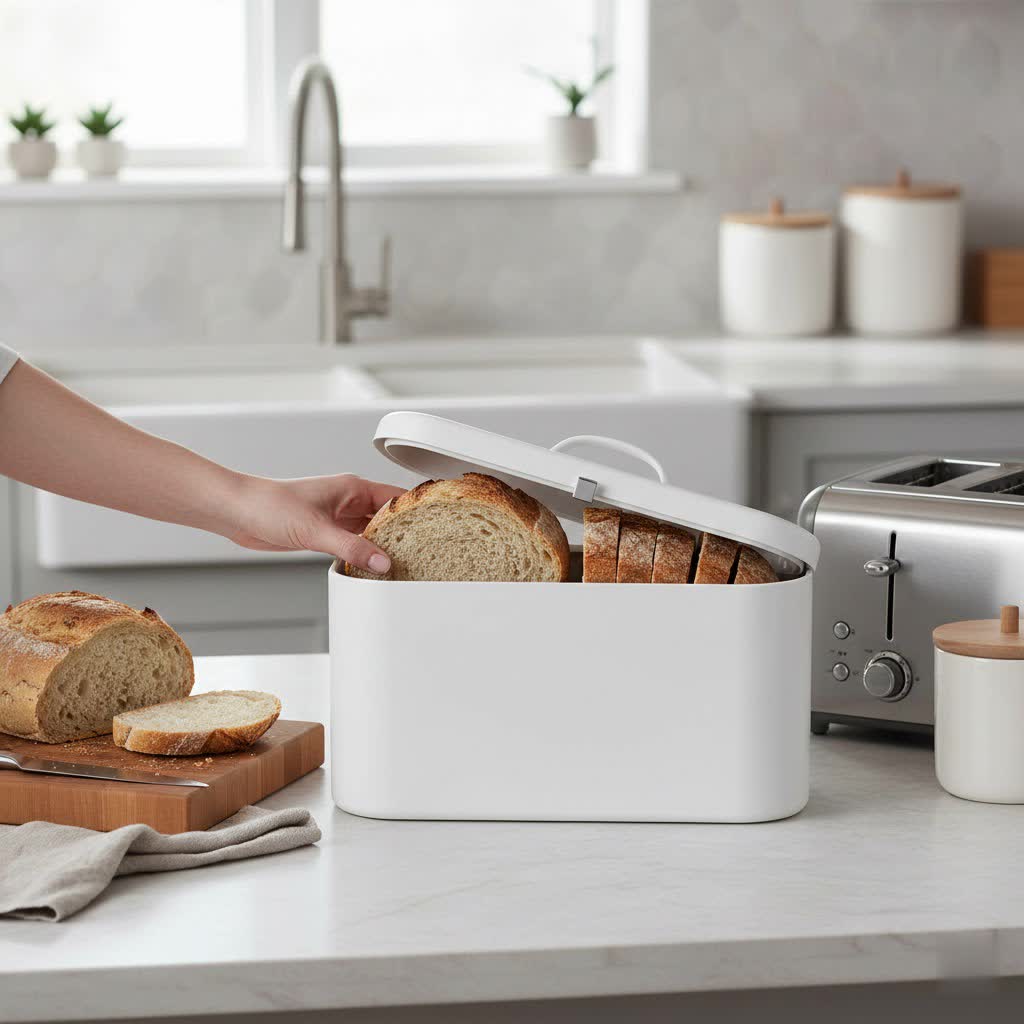
Waking up to a stale, hardened loaf of bread is a common kitchen disappointment. While modern storage solutions promise longevity, few deliver the perfect balance of preservation and charm quite like the classic Farmhouse Bread Box. More than just a simple container, a well-chosen bread box can transform your countertop, keeping your baked goods delightfully fresh while infusing your kitchen with rustic elegance. If you’re tired of discarding dried-out slices or battling mold, it’s time to rediscover this timeless kitchen essential.
What is a Farmhouse Bread Box?
At its heart, a farmhouse bread box is a dedicated storage unit for baked goods, specifically designed to create an ideal microclimate that extends their freshness. Far from being an airtight seal that suffocates your bread, these boxes are cleverly engineered to regulate humidity. They trap enough moisture to prevent your bread from drying out too quickly, yet allow sufficient air circulation to deter the growth of mold. This delicate balance ensures your artisanal loaves and everyday slices remain soft on the inside with a desirable crust.
Historically, bread boxes were a staple in every home, a testament to their effectiveness long before plastic bags and refrigerators became commonplace. The “farmhouse” distinction refers not just to its functionality, but to an aesthetic rooted in simplicity, natural materials, and a warm, inviting feel. These boxes embody a rustic charm, often featuring clean lines, distressed finishes, and natural wood or classic metal designs that complement a country-style kitchen.
Why Your Kitchen Needs a Farmhouse Bread Box
Bringing a farmhouse bread box into your home offers a multitude of benefits, from prolonging the life of your bread to elevating your kitchen’s ambiance.
Optimal Freshness and Flavor
|
Our Picks for the Best Bread Box in 2026
We may earn a commission when you use one of our links to make a purchase.
|
||
| Num | Product | Action |
|---|---|---|
| 1 | Double Layer Bread Box for Kitchen Countertop, Large Breadbox Bread Container Storage with Windows, Wooden Farmhouse Bread Holder (Black) |

|
| 2 | Bread Box Bread Boxes for Kitchen Counter Airtight, Time Recording Bread Storage Container with Lid, Bread Keeper for Homemade Bread, Toast, Bagel, Donut and Cookies, Grey |
|
| 3 | ZICOTO Beautiful Bread Box With Wooden Lid For Your Kitchen Countertop - Spacious Container Perfectly Stores Your Homemade Bread, English Muffins & Bagels - Quality Cutting Board Lid Keeps Loaf Fresh |
|
| 4 | Fullin Bread Box for Kitchen Countertop, Bread Storage Container Large Capacity Bamboo Homemade Bread Boxes, Bread Food Holder Organizer with Acrylic Window for Kitchen Counter, Panry Shelf, Cabinet |
|
| 5 | ROYALHOUSE Natural Bamboo Roll Top Bread Box Kitchen Food Storage - Assembly Required |
|
| 6 | Black Corner Bread Box for Kitchen Countertop, Large Bread Container Storage Bamboo Wooden Farmhouse Bread Box with Window Bread Holder |
|
| 7 | Bamboo Bread Box for Kitchen Counter-Large Capacity Bread Storage Container Farmhouse Bread Box with Window Bread Holder |
|
| 8 | 2 Pack Glass Loaf Pan with Lid, 1.9QT/ 62 OZ Bread Pan - Baking Dish with Airtight Lids BPA free - Meatloaf Pans For Homemade Bread, Baking, Cakes, Dessert,Microwave & Oven Safe |
|
| 9 | Amazon Basics Carbon Steel Bread Box with Acacia Wood Lid, Lid Doubles as Cutting Board, 11.9 x 7.1 x 5.2 in. |
|
| 10 | Sunhoo Bread Box for Kitchen Countertop Wooden Bread Storage Container Bin 2 Layer Breadbox Holder Large Capacity Keeper Vintage Farmhouse Food Organizer Pantry Shelf Acrylic Window (Brown) |
|
The primary reason to invest in a bread box is its superior ability to maintain bread freshness. Unlike storing bread in plastic bags, which can trap too much moisture and encourage mold, or in the refrigerator, which paradoxically accelerates staling, a bread box provides a balanced environment. It’s a cool, dark, and slightly humid space that slows down the drying process without allowing excessive moisture buildup. This means your bread retains its crispy exterior, moist crumb, and delectable chew for several days, sometimes even up to a week longer than other methods.
Protection from Elements and Pests
Beyond freshness, a bread box acts as a protective barrier. It shields your bread from airborne contaminants, curious pets, and common kitchen pests like ants or fruit flies. By keeping your loaves neatly enclosed, you ensure they remain hygienic and undisturbed until you’re ready to enjoy them.
Enhanced Kitchen Aesthetics and Organization
A farmhouse bread box is more than a utilitarian item; it’s a statement piece that contributes to your kitchen’s overall design. With its rustic charm and classic appeal, it adds a touch of warmth and authenticity that synthetic storage options simply cannot replicate. Furthermore, it helps declutter your countertops, providing a designated, attractive spot for your bread, rolls, bagels, and pastries, rather than leaving them in unsightly bags or scattered across the kitchen.
Unveiling Popular Farmhouse Bread Box Materials
The material of your farmhouse bread box significantly influences its appearance, durability, and even its performance. Each comes with its own set of characteristics that might make it the perfect fit for your home.
Wood (including Bamboo & Olivewood)
Wooden bread boxes, including those made from sustainable bamboo or elegant olivewood, are quintessential to the farmhouse aesthetic.
- Pros: Wood is a natural, non-reactive material that offers good insulation. Its porous nature can absorb some excess moisture, which can be beneficial in regulating humidity. Many wooden bread boxes, especially those made from bamboo, are lightweight and environmentally friendly. Olivewood, known for its dense, hard grain and beautiful patterns, provides a luxurious and durable option.
- Cons: Wooden boxes can sometimes be more expensive than their metal counterparts. They require specific care, including thorough drying after cleaning to prevent warping and occasional conditioning with mineral oil to maintain the wood’s integrity and sheen.
Metal (Galvanized Iron & Steel)
Metal bread boxes, particularly those crafted from galvanized iron or steel, offer a robust and often vintage-inspired farmhouse look.
- Pros: Metal boxes are exceptionally durable, sturdy, and typically easy to clean with just a damp sponge. They are often more budget-friendly. Powder-coated finishes in colors like off-white or black, sometimes with chalkboard-style lettering or intricate designs, enhance their rustic appeal.
- Cons: Metal tends to be less porous than wood, meaning it can create a more airtight environment. While good for keeping external elements out, excessive airtightness without proper ventilation can trap too much moisture, potentially leading to mold. Thinner metal or aluminum boxes might be prone to denting.
Ceramic
While less common for the classic farmhouse look, ceramic bread boxes are another option for bread storage.
- Pros: Ceramic is often lead-free and BPA-free, offering a stable environment. They can be aesthetically pleasing with a certain rustic appeal.
- Cons: Ceramic boxes are generally heavier and more fragile than wood or metal alternatives, making them susceptible to chips or breakage if dropped.
Key Features and Designs to Consider
Beyond material, the design and specific features of a farmhouse bread box play a crucial role in its functionality and how it integrates into your kitchen.
Lid Design
The way a bread box opens and closes impacts convenience and countertop footprint.
- Roll-top designs are popular for their space-saving nature, as the lid slides back without requiring extra clearance. However, these designs involve moving parts that could potentially wear out over time.
- Hinged or flip-top doors offer full access to the interior, making it easy to retrieve larger loaves. These require adequate space in front or above the box for the door to open completely.
- Lift-off lids are the simplest, often resembling a cookie jar. Some wooden lift-off lids are even designed to double as a cutting board, adding valuable multi-functionality.
Ventilation
Ventilation is the single most critical feature for a bread box. It’s the mechanism that regulates humidity, preventing both desiccation and mold growth. Look for bread boxes that explicitly mention ventilation holes, intentional gaps in seams, or those made from naturally porous materials like wood. Even metal boxes designed for a farmhouse aesthetic, which might appear “airtight,” should incorporate subtle design elements that allow for a controlled exchange of air to achieve optimal bread preservation.
Size & Capacity
Consider how much bread your household consumes and the available space on your kitchen counter. Bread boxes come in various sizes and capacities, from compact models perfect for a single loaf to extra-large, double-layer designs capable of holding multiple loaves, bagels, and pastries. Taller boxes allow for stacking items, while models with a flat top can offer additional surface area for storing spices, small appliances, or decorative items, maximizing counter utility.
Choosing Your Ideal Farmhouse Bread Box
Selecting the perfect farmhouse bread box involves harmonizing your practical needs with your aesthetic preferences.
Match Your Aesthetic
The “farmhouse” style is diverse, ranging from rustic and distressed to modern and minimalist. Consider your existing kitchen decor. Do you prefer the warmth of natural wood, the vintage charm of an off-white galvanized iron box with a wooden lid, or a sleek, powder-coated steel design? The right bread box should enhance your kitchen’s character, acting as a cohesive part of your overall design scheme.
Practical Considerations
Think about your daily routine. How often do you bake or buy bread? A larger family or avid baker might benefit from a high-capacity, double-layer box, while a smaller household might prefer a compact single-loaf design. Also, assess your counter space. If space is at a premium, a roll-top lid or a box with a flat, usable top might be ideal. Ease of cleaning is another factor; while metal is often simpler to wipe down, proper care for a wooden box ensures its longevity.
Material and Design Synergy
Ultimately, the choice of material and design should work in synergy. If you adore the natural look, a wooden or bamboo box offers inherent moisture absorption and aesthetic appeal. If durability and a distinct vintage feel are paramount, a metal bread box with careful attention to ventilation might be your best bet. Prioritize models that clearly articulate how they manage humidity to ensure your bread stays in its prime.
Top Farmhouse Bread Box Styles
While specific brand recommendations can vary, certain styles consistently embody the farmhouse aesthetic and deliver excellent performance:
- The Classic Wooden Roll-Top: Often crafted from bamboo or beech, these evoke a timeless charm. Their natural porousness and classic sliding mechanism make them a reliable choice for effective humidity control and a warm kitchen feel.
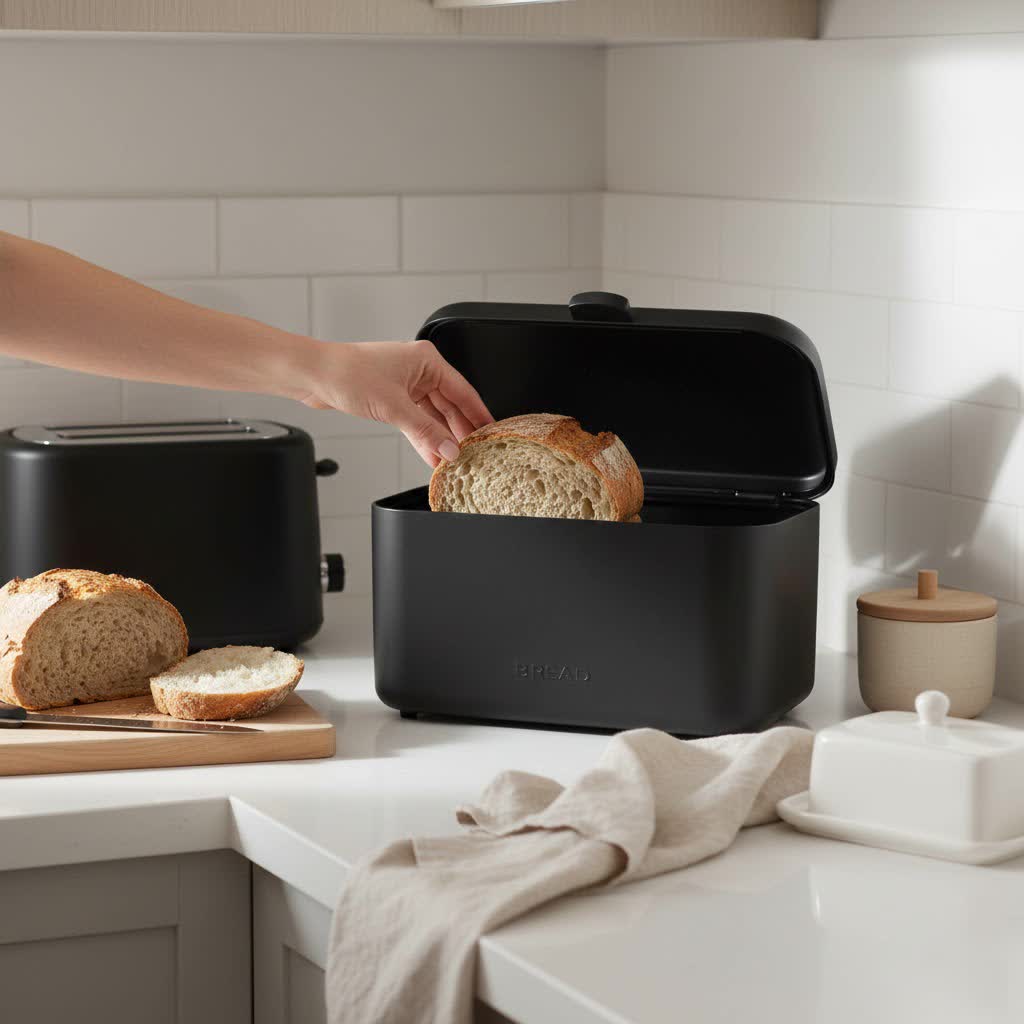
- The Distressed Metal Bin: These often feature powder-coated finishes in muted tones like off-white or soft gray, sometimes adorned with simple lettering like “Bread.” Made from materials like galvanized iron, they offer a sturdy, vintage look that fits perfectly into a rustic farmhouse setting, provided they have adequate ventilation.
- The Space-Saving Bamboo Two-Tier: For those who need more capacity without sacrificing counter space, tiered bamboo designs offer multiple levels of storage, often with magnetic closures and a flat top for additional utility.
Conclusion
A farmhouse bread box is a smart and stylish investment for any kitchen. It offers a time-tested solution to keep your beloved baked goods fresh, preventing both frustrating staleness and unwelcome mold. Beyond its practical benefits, it adds an undeniable touch of rustic charm and organization to your culinary space. By carefully considering materials, lid designs, and crucial ventilation features, you can choose a bread box that not only preserves your bread but also becomes a cherished part of your home’s story. So, are you ready to bring home the perfect farmhouse bread box and enjoy fresh bread every day?
Câu Hỏi Thường Gặp
How does a bread box keep bread fresh?
A bread box works by creating a balanced environment for your bread. It traps enough moist air to prevent the loaf from drying out and becoming stale, while simultaneously allowing for sufficient air circulation. This crucial airflow prevents excessive moisture buildup, which is the leading cause of mold growth, ensuring your bread remains fresh for an extended period.
Is a wooden or metal bread box better for freshness?
Both wood and metal can be effective. Metal boxes are durable and easy to clean, often more airtight, but require good ventilation to prevent mold. Wooden boxes are porous, absorbing excess moisture, and offer a classic aesthetic. Ultimately, neither material inherently works “better” for freshness; the key is proper ventilation design in any material.
Can bread boxes prevent mold?
Yes, a well-designed bread box significantly helps in preventing mold. Unlike plastic bags that trap all moisture and promote mold, or refrigerators that dry bread out, bread boxes are engineered to maintain a slightly humid environment with enough air circulation. This balance deters the conditions under which mold thrives, extending your bread’s lifespan.