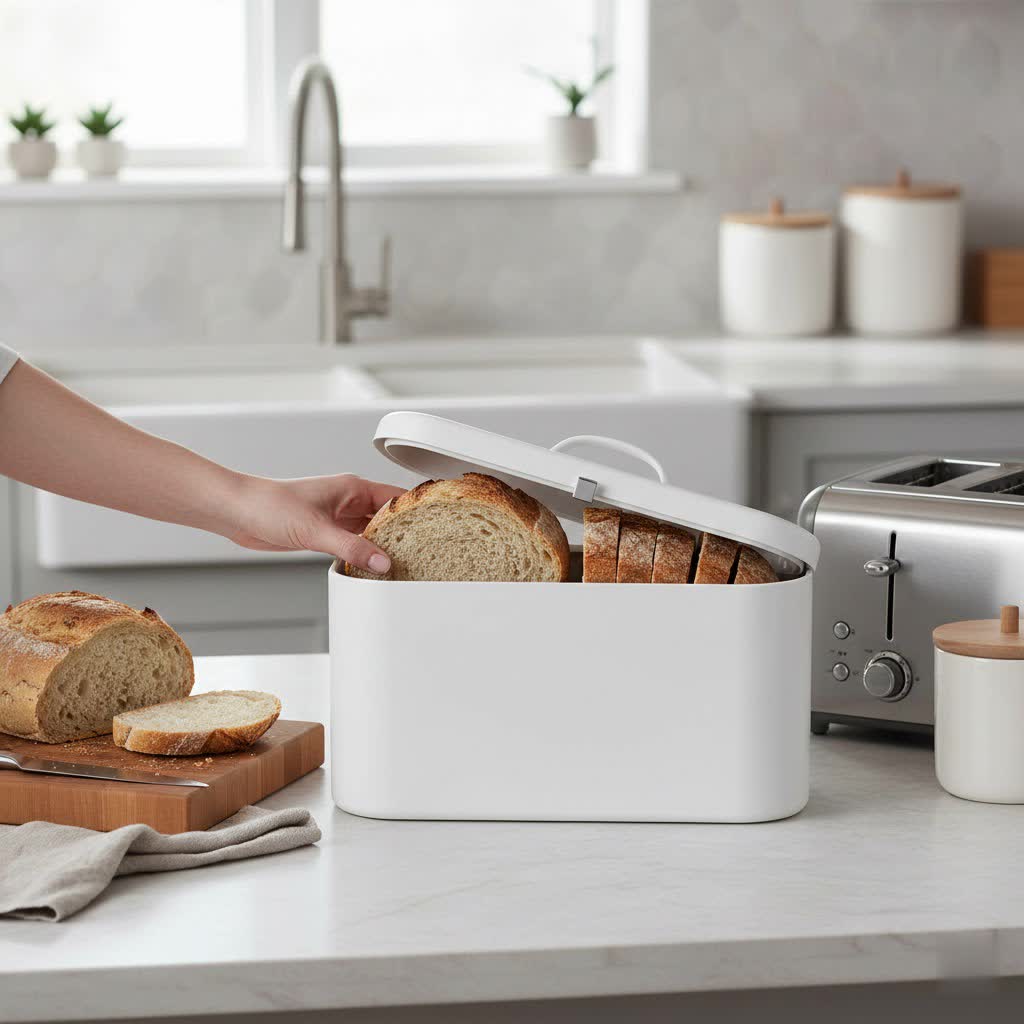
Imagine a kitchen where every detail contributes to both form and function. In this ideal space, even your bread storage is a statement piece, seamlessly blending into your décor while silently performing its vital task. Gone are the days of mundane plastic bags or bulky, old-fashioned containers. Welcome to the era of the Modern Bread Box – a sophisticated solution designed to keep your loaves perfectly fresh, your countertops impeccably tidy, and your kitchen aesthetically pleasing. If you’ve ever wrestled with stale sourdough or cluttered counters, this guide is for you. We’re about to delve into everything you need to know to choose the perfect modern bread box that marries practicality with contemporary style.
What is a Bread Box?
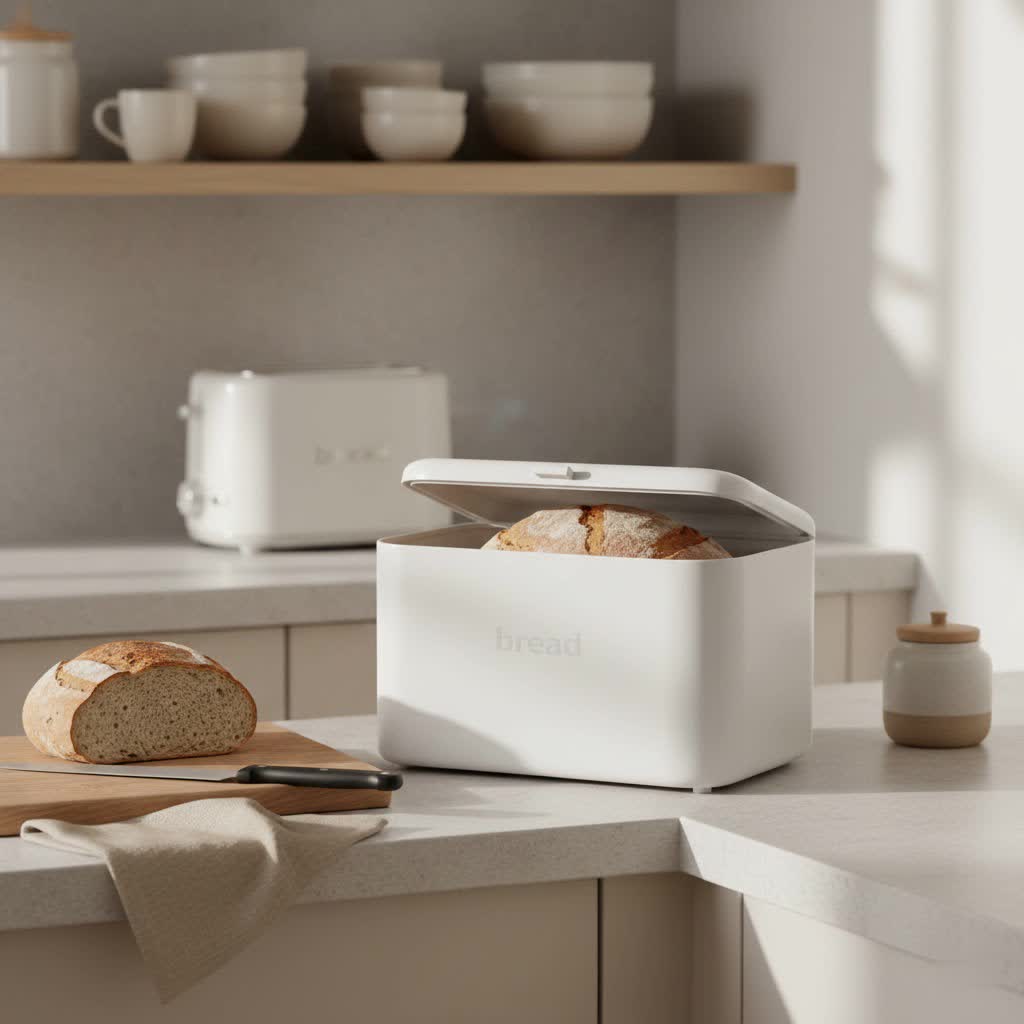
At its core, a bread box is a specialized container designed to store bread and other baked goods at room temperature, creating an optimal microclimate that significantly extends their freshness. While seemingly simple, its effectiveness lies in carefully balancing humidity and airflow. Traditionally, bread boxes were a staple in kitchens before widespread refrigeration, offering a practical way to preserve homemade and store-bought loaves. Today, they’ve experienced a resurgence, evolving from rustic mainstays to sleek, modern accessories that cater to the discerning homeowner who values both efficacy and design.
The concept remains the same: provide a dark, dry environment that prevents bread from drying out too quickly (like it might in the open air) and from developing mold due to excessive moisture (a common issue in airtight plastic bags or warm cabinets). Modern bread boxes achieve this with intelligent ventilation systems, contemporary materials, and designs that complement today’s kitchen aesthetics.
Why You Need a Modern Bread Box
A bread box isn’t just a container; it’s a game-changer for anyone who enjoys fresh bread. Here’s why integrating a modern bread box into your kitchen routine is a smart choice:
- Keeps Bread Fresher, Longer: The primary benefit of a bread box is its ability to regulate the air around your bread. It allows for just enough airflow to prevent condensation and mold, while retaining vital moisture to keep the bread soft and palatable. This delicate balance means your artisanal loaves and sandwich bread stay fresher for several days longer than if left on the counter or in a plastic bag.
- Prevents Mold and Staleness: Storing bread in the refrigerator can actually make it go stale faster due to a process called retrogradation. Conversely, a completely sealed environment can trap moisture, leading to rapid mold growth. A well-ventilated bread box offers the perfect middle ground, actively preventing both issues.
- Protects from Pests: An enclosed bread box acts as a barrier, safeguarding your baked goods from curious pets, insects, and other unwanted kitchen visitors. This offers peace of mind and maintains hygiene.
- Declutters and Enhances Kitchen Aesthetics: Beyond functionality, a modern bread box is a stylish statement. It neatly tucks away unsightly bread bags and packaging, instantly tidying your countertops. Available in a variety of sleek designs and premium materials, it becomes an attractive focal point, elevating the overall look and feel of your kitchen.
Types of Modern Bread Boxes
Modern bread boxes come in a diverse range of materials and designs, each offering unique benefits and aesthetic appeals. Understanding these variations is key to choosing one that perfectly fits your lifestyle and kitchen décor.
By Material
The material of your bread box significantly influences its performance, durability, and appearance.
- Wood (Bamboo, Acacia, Olivewood):
- Advantages: Wooden bread boxes, especially those made from bamboo, acacia, or olivewood, are celebrated for their natural beauty and warmth. They naturally regulate humidity, helping to keep bread soft without making it soggy. They are often sustainable and add an organic, inviting touch to the kitchen.
- Disadvantages: Can be more expensive than other materials. Some woods may require more careful cleaning and maintenance to prevent warping or staining.
- Care: Wipe clean with a damp cloth. Avoid harsh chemicals or prolonged exposure to water.
- Metal (Stainless Steel, Coated Steel):
- Advantages: Metal bread boxes, particularly stainless steel or powder-coated steel, offer a sleek, minimalist, and industrial look that aligns perfectly with modern kitchen designs. They are highly durable, easy to wipe clean, and resistant to odors.
- Disadvantages: Thinner metal can sometimes dent. Stainless steel may show fingerprints and smudges, requiring frequent wiping to maintain its pristine appearance. Some designs might lack optimal ventilation if not thoughtfully engineered.
- Care: Clean with warm soapy water and a soft cloth. Stainless steel cleaners can help maintain shine and prevent smudges.
- Plastic/Polyurethane:
- Advantages: Plastic or polyurethane bread boxes are generally the most affordable and lightweight option. They are easy to clean and often come in a wide array of colors and designs, making them versatile for various kitchen styles. Some modern designs utilize high-quality, sturdy plastics for enhanced durability.
- Disadvantages: Can sometimes feel less premium than wood or metal. Lower-quality plastics might not provide optimal ventilation, potentially leading to faster spoilage or mold.
- Care: Simple to clean with soap and water.
- Ceramic:
- Advantages: Ceramic bread boxes evoke a charming, often vintage or artisanal aesthetic. They are heavy and sturdy, providing excellent insulation to maintain a stable temperature inside.
- Disadvantages: Fragile and prone to chipping or breaking if dropped. Can be heavy and less common in purely “modern” sleek designs, though some contemporary ceramic pieces exist.
- Care: Hand wash gently.
|
Our Picks for the Best Bread Box in 2026
We may earn a commission when you use one of our links to make a purchase.
|
||
| Num | Product | Action |
|---|---|---|
| 1 | Double Layer Bread Box for Kitchen Countertop, Large Breadbox Bread Container Storage with Windows, Wooden Farmhouse Bread Holder (Black) |

|
| 2 | Bamboo Bread Box for Kitchen Counter-Large Capacity Bread Storage Container Farmhouse Bread Box with Window Bread Holder |
|
| 3 | Black Corner Bread Box for Kitchen Countertop, Large Bread Container Storage Bamboo Wooden Farmhouse Bread Box with Window Bread Holder |
|
| 4 | ROYALHOUSE Natural Bamboo Roll Top Bread Box Kitchen Food Storage - Assembly Required |
|
| 5 | ZICOTO Beautiful Bread Box With Wooden Lid For Your Kitchen Countertop - Spacious Container Perfectly Stores Your Homemade Bread, English Muffins & Bagels - Quality Cutting Board Lid Keeps Loaf Fresh |
|
| 6 | Fullin Bread Box for Kitchen Countertop, Bread Storage Container Large Capacity Bamboo Homemade Bread Boxes, Bread Food Holder Organizer with Acrylic Window for Kitchen Counter, Panry Shelf, Cabinet |
|
| 7 | Amazon Basics Carbon Steel Bread Box with Acacia Wood Lid, Lid Doubles as Cutting Board, 11.9 x 7.1 x 5.2 in. |
|
| 8 | 2 Pack Glass Loaf Pan with Lid, 1.9QT/ 62 OZ Bread Pan - Baking Dish with Airtight Lids BPA free - Meatloaf Pans For Homemade Bread, Baking, Cakes, Dessert,Microwave & Oven Safe |
|
| 9 | Sunhoo Bread Box for Kitchen Countertop Wooden Bread Storage Container Bin 2 Layer Breadbox Holder Large Capacity Keeper Vintage Farmhouse Food Organizer Pantry Shelf Acrylic Window (Brown) |
|
| 10 | Bread Box Bread Boxes for Kitchen Counter Airtight, Time Recording Bread Storage Container with Lid, Bread Keeper for Homemade Bread, Toast, Bagel, Donut and Cookies, Grey |
|
By Design & Functionality
Beyond material, the opening mechanism and overall design contribute to the usability and visual appeal of a modern bread box.
- Roll-Top:
- Description: Features a lid that rolls back and tucks into the top of the box.
- Advantages: Space-saving on countertops as the lid doesn’t swing out. Offers a clean, streamlined look.
- Considerations: Interior space might be slightly reduced by the roll mechanism.
- Flip-Top/Hinged Door:
- Description: The lid or door opens upwards or outwards on hinges.
- Advantages: Provides full access to the interior, making it easy to place and retrieve items. Often allows for better visibility of contents.
- Considerations: Requires adequate overhead or front clearance for the lid to open completely.
- Drawer Style:
- Description: A less common, often custom-built style where the bread box functions as a pull-out drawer.
- Advantages: Integrates seamlessly into kitchen cabinetry, hiding bread storage entirely for a hyper-minimalist look.
- Considerations: Requires custom cabinetry and may offer less flexibility in terms of size and placement.
- Wall-Mounted:
- Description: Designed to be mounted on a kitchen wall, freeing up countertop space.
- Advantages: Excellent for small kitchens or those aiming for maximum countertop space.
- Considerations: Installation required, and location needs careful planning.
- Minimalist/Sleek Design:
- Description: Characterized by clean lines, simple forms, and often monochromatic colors or natural wood finishes.
- Advantages: Blends effortlessly with contemporary kitchen décor, contributing to an uncluttered and sophisticated ambiance.
- Considerations: Focus is often on aesthetics, so ensure functionality (like proper ventilation) isn’t compromised.
Comparing Modern Bread Boxes: A Quick Guide
To help you visualize the differences, here’s a comparative overview of common modern bread box types:
| Feature | Wood (e.g., Bamboo) | Metal (e.g., Stainless Steel) | Plastic (e.g., Polyurethane) | Ceramic |
|---|---|---|---|---|
| Aesthetic | Warm, natural, organic | Sleek, industrial, minimalist | Versatile, modern, colorful | Artisanal, vintage, sturdy |
| Durability | Good, long-lasting | Very good, dent-prone if thin | Varies (good to excellent) | Fragile, chips easily |
| Freshness | Excellent (natural humidity) | Good (with proper ventilation) | Varies (check ventilation) | Good (insulating) |
| Cleaning | Wipe clean, avoid soaking | Easy, may show smudges | Very easy, dishwasher safe | Easy, hand wash |
| Ventilation | Often built-in, porous | Usually discrete holes/slats | Varies greatly | Usually small holes/gaps |
| Cost | Moderate to High | Moderate to High | Low to Moderate | Moderate |
| Best For | Scandinavian, rustic, natural kitchens | Contemporary, industrial, minimalist kitchens | Budget-conscious, vibrant kitchens | Farmhouse, artisanal, unique kitchens |
How to Choose the Perfect Modern Bread Box
Selecting the ideal modern bread box involves a thoughtful consideration of your needs, your kitchen’s environment, and your personal style.
Assess Your Needs
Start by evaluating what you truly need from your bread storage.
- Bread Consumption Habits: How much bread do you typically store? Do you buy large artisanal loaves, multiple sandwich breads, or a mix of baked goods? Choose a capacity that accommodates your usual stash without overstuffing. Most bread boxes fit one to three standard loaves.
- Kitchen Space: Measure your available countertop space, paying attention to width, depth, and height, especially if you have overhead cabinets. A roll-top design might be ideal for limited clearance, while a flip-top needs more vertical room. Consider wall-mounted options if counter space is truly at a premium.
- Kitchen Style: Your bread box should complement your existing kitchen décor. A sleek stainless steel box might be perfect for a minimalist kitchen, while a bamboo option could enhance a warm, natural aesthetic. Don’t be afraid to use it as a subtle design accent.
Prioritize Key Features
Certain features are non-negotiable for effective and convenient bread storage.
- Optimal Ventilation: This is paramount. Look for discreet air vents, small holes, or intentionally designed gaps in the lid or seams. Adequate airflow prevents mold while maintaining just enough moisture to keep bread soft. Without proper ventilation, even the most stylish box will fail to keep your bread fresh.
- Durability and Ease of Cleaning: A bread box sees daily use, so choose a material known for its longevity. Stainless steel and high-quality woods like bamboo are excellent choices. Consider how easily the material cleans – smooth surfaces are generally simpler to maintain.
- Lid Style Convenience: Think about your daily routine. Do you prefer the smooth, disappearing action of a roll-top, or the full, easy access of a hinged lid? Some modern designs feature lids that double as cutting boards, adding multi-functionality.
Smart Additions
Modern bread boxes often come with innovative features that enhance their utility.
- Built-in Cutting Boards: Many wooden or bamboo lids are designed to be flipped over and used as a cutting board, complete with crumb-catching grooves. This is a brilliant space-saver and adds convenience.
- Flat Tops for Extra Storage: Some roll-top or flip-top designs feature a flat, sturdy top surface, allowing you to place canisters, spices, or other lightweight kitchen essentials on top, maximizing vertical space.
- Transparent or Semi-Transparent Lids: While not strictly “modern,” a window or semi-transparent panel allows you to quickly see what’s inside, helping you keep track of your bread supply and prevent forgotten loaves from going bad.
Top Modern Bread Boxes for Your Kitchen
The market is brimming with fantastic modern bread boxes, catering to every taste and functional need. While specific product recommendations can vary, here are types that consistently rank high for their blend of modern aesthetics and superior performance:
- Sleek Stainless Steel Roll-Tops: These are a timeless modern choice, offering durability, easy cleaning, and a polished look that fits almost any contemporary kitchen. Look for designs with subtle ventilation holes.
- Bamboo with Cutting Board Lids: Combining natural warmth with smart functionality, these bread boxes often feature clean lines and a lid that doubles as a bread board, appealing to eco-conscious and practical homeowners.
- Minimalist Steel and Wood Hybrids: Brands like Yamazaki are known for their elegant designs that pair powder-coated steel with natural wood accents, creating a sophisticated and highly functional piece.
- High-Quality Polyurethane Bins: For those seeking color or a more unconventional modern look, well-designed plastic bread bins offer robust construction, excellent seals, and easy maintenance.
- Large Capacity Farmhouse-Style (Modern Twist): Some larger bread boxes, while drawing on farmhouse inspiration, adopt modern finishes and refined details (like matte black steel) to fit a broader range of contemporary rustic kitchens.
Conclusion
The modern bread box is far more than a simple storage container; it’s a testament to how thoughtful design can enhance everyday living. By mastering the delicate balance of airflow and moisture, it keeps your bread fresh, prevents waste, and elevates your kitchen’s aesthetic. Whether you prefer the warmth of natural wood, the sleekness of stainless steel, or innovative multi-functional designs, there’s a perfect modern bread box waiting to become an indispensable part of your home. Take the time to consider your needs, explore the options, and invest in a piece that brings both beauty and prolonged freshness to your daily bread. Which modern bread box will become the cornerstone of your kitchen’s fresh bread strategy?
Câu Hỏi Thường Gặp
How do modern bread boxes keep bread fresh?
Modern bread boxes are designed to create a balanced environment for bread storage. They allow a small amount of air circulation to prevent excessive moisture build-up that leads to mold, while also trapping enough humidity to keep the bread from drying out and becoming stale. This controlled airflow is crucial for extending freshness.
Can I store different types of baked goods in a bread box?
Absolutely! While primarily for bread, a good bread box is also excellent for keeping other baked goods fresh, such as muffins, bagels, croissants, cookies, and even cakes. The consistent temperature and regulated humidity benefit most types of baked goods by preventing them from drying out or becoming soggy.
Where should I place my modern bread box in the kitchen?
For optimal results, place your bread box on a cool, dry countertop away from direct sunlight, heat sources (like ovens or toasters), and areas of high humidity (like near the sink). This helps maintain a stable internal temperature and humidity level, maximizing your bread’s freshness.
How often should I clean my bread box?
It’s recommended to clean your bread box regularly, ideally every time you finish a loaf of bread or at least once a week. Remove all crumbs, then wipe the interior with a damp cloth and mild soap. Ensure it’s completely dry before adding new bread to prevent mold growth and maintain hygiene.
Are wooden bread boxes better than metal ones for keeping bread fresh?
Both wooden and metal bread boxes can be highly effective. Wooden boxes, particularly bamboo, naturally help regulate humidity due to their porous nature. Metal boxes, especially stainless steel with proper ventilation, offer excellent durability and a sleek modern look. The “better” choice often comes down to aesthetic preference and specific ventilation design rather than the material itself, as long as both have adequate airflow.