Have you ever found yourself with a perfectly baked loaf of bread, only for it to turn stale or moldy within days? The quest for perfectly preserved bread is a common kitchen dilemma. While traditional bread boxes have been around for centuries, modern plastic bread boxes offer a compelling blend of practicality, affordability, and functionality, providing an effective solution to keep your daily bread at its best.
What is a Bread Box?
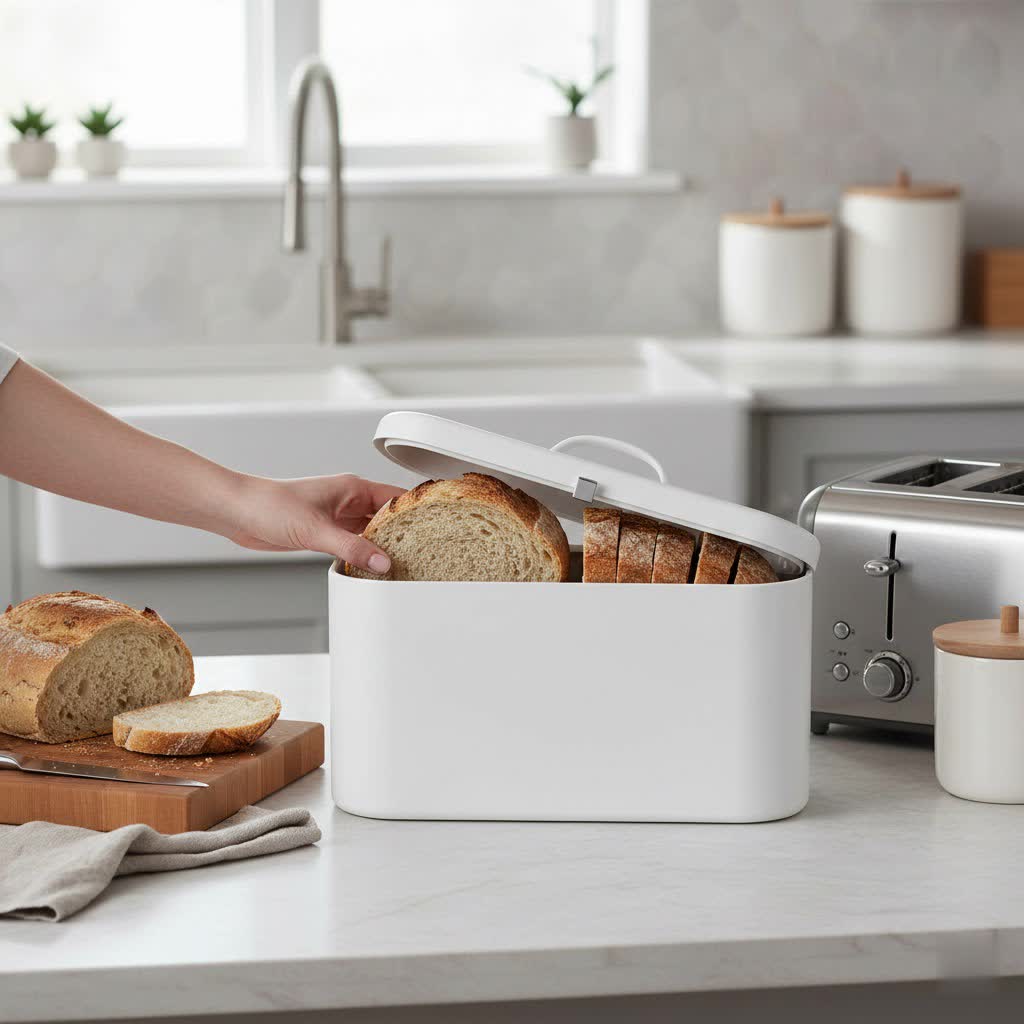
A bread box, often called a bread bin or bread keeper, is a kitchen container designed specifically to store bread and other baked goods. Its primary purpose is to create an optimal microclimate that extends the freshness of your bread by regulating air circulation and humidity. Historically, these boxes shielded bread from pests and kept it at a stable temperature before modern refrigeration and plastic packaging became widespread. Today, they continue to serve this vital role, offering a designated space that is cool, dark, and slightly humid—the ideal conditions to slow down both drying and mold growth.
Why Consider a Plastic Bread Box?
Choosing a plastic bread box for your kitchen comes with a host of benefits that make it a modern favorite for many households.
Firstly, plastic bread boxes excel at preserving freshness and slowing staling. They achieve this by establishing a balanced environment where a small amount of airflow prevents excessive moisture buildup, which can lead to sogginess and mold, while simultaneously retaining enough moisture to keep your bread from becoming hard and dry. This equilibrium helps maintain the bread’s desirable texture and flavor for several days.
Secondly, they provide effective protection against common kitchen nuisances. By housing your bread in a closed container, you shield it from direct sunlight, which can accelerate staling, and protect it from airborne particles, dust, and common household pests. This ensures your bread remains clean and safe for consumption.
Furthermore, plastic bread boxes are champions of kitchen organization and aesthetics. They offer a dedicated, often compact space to store various baked goods, decluttering countertops and cabinets. With a wide range of designs, colors, and sizes available, a plastic bread box can seamlessly integrate into any kitchen décor, adding a touch of modern simplicity.
Finally, the durability and ease of maintenance of plastic bread boxes are significant advantages. Unlike some other materials, plastic is generally resistant to cracking, warping, and rusting. Most plastic bread boxes are lightweight, making them easy to move and clean. Many are also dishwasher-safe or can be quickly wiped down, ensuring a hygienic storage environment with minimal effort.
Types of Bread Boxes: A Look at Plastic and Other Materials
Bread boxes come in various materials and designs, each offering unique characteristics. Understanding these differences can help you make an informed choice.
By Material
The material of a bread box significantly influences its performance, durability, and aesthetic appeal.
- Plastic: Plastic bread boxes are celebrated for their affordability, lightweight nature, and exceptional durability. Made from high-quality polypropylene or other food-grade plastics, they resist cracking, denting, and rust, often enduring frequent use and washing cycles. Modern plastic options are often BPA-free, addressing safety concerns. Their smooth, non-porous surfaces make them incredibly easy to clean and sanitize, which is crucial for food safety. However, plastic can sometimes be less breathable than more porous materials like wood or ceramic. Without proper ventilation, moisture can get trapped, potentially leading to a soft crust or quicker mold development. Aesthetically, while many designs are sleek and modern, some may find them less traditional or “natural” in appearance compared to wood.
- Wood: Wooden bread boxes are prized for their natural aesthetic and ability to regulate humidity due to their porous nature. They can lend a rustic or warm feel to a kitchen. However, wood can be heavier, more prone to scratches or dents, and requires more specific cleaning and maintenance to prevent warping or mold growth within the material itself.
- Metal: Metal bread boxes, typically made from stainless steel, offer a sleek, modern look and excellent durability. They are sturdy and can be easy to wipe clean. However, metal can be prone to showing fingerprints and smudges. In environments with fluctuating temperatures, metal can sometimes cause condensation inside the box if not properly ventilated, potentially affecting bread quality.
- Ceramic: Ceramic bread boxes are known for their superb humidity regulation and attractive, artisanal appearance. They tend to be heavy and fragile, making them less portable and more susceptible to breakage.
|
Our Picks for the Best Bread Box in 2026
We may earn a commission when you use one of our links to make a purchase.
|
||
| Num | Product | Action |
|---|---|---|
| 1 | Bread Box Bread Boxes for Kitchen Counter Airtight, Time Recording Bread Storage Container with Lid, Bread Keeper for Homemade Bread, Toast, Bagel, Donut and Cookies, Grey |

|
| 2 | Double Layer Bread Box for Kitchen Countertop, Large Breadbox Bread Container Storage with Windows, Wooden Farmhouse Bread Holder (Black) |
|
| 3 | Black Corner Bread Box for Kitchen Countertop, Large Bread Container Storage Bamboo Wooden Farmhouse Bread Box with Window Bread Holder |
|
| 4 | 2 Pack Glass Loaf Pan with Lid, 1.9QT/ 62 OZ Bread Pan - Baking Dish with Airtight Lids BPA free - Meatloaf Pans For Homemade Bread, Baking, Cakes, Dessert,Microwave & Oven Safe |
|
| 5 | Sunhoo Bread Box for Kitchen Countertop Wooden Bread Storage Container Bin 2 Layer Breadbox Holder Large Capacity Keeper Vintage Farmhouse Food Organizer Pantry Shelf Acrylic Window (Brown) |
|
| 6 | Fullin Bread Box for Kitchen Countertop, Bread Storage Container Large Capacity Bamboo Homemade Bread Boxes, Bread Food Holder Organizer with Acrylic Window for Kitchen Counter, Panry Shelf, Cabinet |
|
| 7 | Amazon Basics Carbon Steel Bread Box with Acacia Wood Lid, Lid Doubles as Cutting Board, 11.9 x 7.1 x 5.2 in. |
|
| 8 | ROYALHOUSE Natural Bamboo Roll Top Bread Box Kitchen Food Storage - Assembly Required |
|
| 9 | ZICOTO Beautiful Bread Box With Wooden Lid For Your Kitchen Countertop - Spacious Container Perfectly Stores Your Homemade Bread, English Muffins & Bagels - Quality Cutting Board Lid Keeps Loaf Fresh |
|
| 10 | Bamboo Bread Box for Kitchen Counter-Large Capacity Bread Storage Container Farmhouse Bread Box with Window Bread Holder |
|
By Design and Style
Beyond material, bread boxes also vary in their functional design.
- Roll-Top Boxes: Feature a lid that rolls back into the box, saving counter space, making them a popular choice.
- Flip-Top Boxes: Have a hinged lid that lifts open, offering full access to the interior.
- Drawer-Style Boxes: Integrated into cabinetry or standalone units that pull out like a drawer, often with ventilation.
- Specialized Dispensers: Some plastic designs, like those for standard sandwich loaves, offer clever dispensing mechanisms, allowing slices to be pulled out one at a time while keeping the rest protected.
Plastic Bread Box vs. Other Materials: A Comparison
To help you visualize the differences, here’s a detailed comparison:
| Feature | Plastic Bread Box | Wooden Bread Box | Metal Bread Box | Ceramic Bread Box |
|---|---|---|---|---|
| Cost | Generally most affordable | Moderate to High | Moderate | High |
| Durability | High (resistant to cracking, warping, rust) | High (but can scratch/dent, requires maintenance) | High (sturdy, but can dent/show smudges) | Moderate (fragile, prone to chipping/breaking) |
| Weight | Lightweight | Moderate to Heavy | Moderate | Heavy |
| Ease of Cleaning | Very Easy (smooth, non-porous, often dishwasher-safe) | Moderate (requires specific care) | Easy (wipes clean, but shows smudges) | Moderate (can be heavy, some are dishwasher-safe) |
| Humidity Reg. | Good (with proper ventilation), can be less breathable | Excellent (naturally porous) | Good (with proper ventilation), can condense | Excellent (porous, stable temperature) |
| Aesthetics | Modern, versatile, wide range of colors/styles | Rustic, natural, classic | Sleek, industrial, contemporary | Artisanal, traditional, distinct |
Choosing the Right Plastic Bread Box for Your Home
Selecting the perfect plastic bread box involves a few considerations to ensure it meets your specific needs and keeps your bread perfectly fresh.
Assess Your Needs
- Bread Quantity and Size: How much bread do you typically store? A single loaf keeper will differ from a larger box designed for multiple loaves, pastries, or larger artisan breads. Consider the dimensions of your most frequently purchased loaves.
- Kitchen Space and Style: Measure your available countertop or cabinet space. Do you need a compact design, or can you accommodate a larger unit? Think about your kitchen’s overall aesthetic; a clear plastic box might offer modern appeal, while a colored one could add a pop of personality.
Key Features to Look For
- Proper Ventilation: This is paramount for any bread box, but especially for plastic. Look for designs that explicitly mention subtle vents, small holes, or a slightly non-airtight seal. This controlled airflow is what prevents condensation and keeps crusts from becoming soggy while preventing mold.
- BPA-Free Material: For health and safety, ensure your plastic bread box is made from BPA-free, food-grade plastic. This is a common feature in quality modern plastic kitchenware.
- Ease of Cleaning: Opt for designs with smooth interiors and minimal crevices to make cleaning effortless. A box that’s easy to wash by hand or is dishwasher-safe will encourage regular cleaning, preventing crumb buildup that could attract pests or mold.
- Lid Style and Accessibility: Consider how the lid opens and closes. Roll-top lids are great for saving space, while flip-top or removable lids offer full access. Some models feature transparent lids, allowing you to see your bread supply at a glance.
Top Considerations for Maximizing Bread Freshness in a Plastic Box
Even the best plastic bread box needs a little help to work its magic. Here are some expert tips to keep your bread fresher for longer:
- Always Cool Bread Completely: Never store warm or hot bread in any bread box, especially plastic. The residual heat will create condensation, trapping moisture and quickly leading to sogginess and mold. Allow freshly baked bread to cool entirely on a wire rack before transferring it.
- Consider Original Packaging: For soft sandwich breads bought from the grocery store, keeping them in their original plastic bag inside the bread box can sometimes extend their softness while the box provides an extra layer of protection. For crustier artisan loaves, you might prefer storing them unwrapped or in a paper bag inside the plastic bread box to maintain their crisp exterior, relying on the box’s ventilation.
- Regular Cleaning is Key: Crumbs and any bits of old bread can harbor mold spores. Make it a habit to empty and wipe down your plastic bread box regularly with warm, soapy water and dry it thoroughly before adding fresh bread. A mild vinegar solution can also be used for deeper cleaning.
- Choose a Strategic Location: Place your plastic bread box in a cool, dry, and dark spot in your kitchen, away from direct sunlight, heat sources (like ovens or stovetops), and high humidity areas. A pantry or a shaded countertop corner is usually ideal.
Conclusion
Plastic bread boxes offer a highly practical, affordable, and hygienic solution for extending the life of your bread. By providing a stable, ventilated environment, they effectively combat staling and mold, keeping your loaves delicious and ready to enjoy. While they might differ from traditional materials in aesthetic or breathability, modern plastic designs with thoughtful ventilation and BPA-free construction are a smart choice for any kitchen. With the right plastic bread box and a few simple storage habits, you can say goodbye to stale bread and hello to freshness that lasts.
Frequently Asked Questions
Are plastic bread boxes suitable for all types of bread?
Plastic bread boxes with adequate ventilation are generally suitable for most types of bread, especially soft sandwich loaves, bagels, and pastries. For very crusty artisan breads, some may prefer linen bags or more porous materials like wood or ceramic to best preserve the crispness of the crust, as plastic can sometimes soften it.
Do plastic bread boxes cause bread to mold faster?
No, not if used correctly. Mold primarily occurs due to excessive trapped moisture. A well-designed plastic bread box includes controlled ventilation to prevent condensation, which is the main culprit for mold. Ensure the bread is completely cool and dry before storing, and clean your box regularly to prevent mold spores from developing.
Is it safe to store bread in plastic?
Yes, it is generally safe to store bread in modern plastic bread boxes, especially those made from food-grade, BPA-free plastics. Many manufacturers specifically label their products as BPA-free to assure consumers of their safety. Always check product specifications if you have concerns.