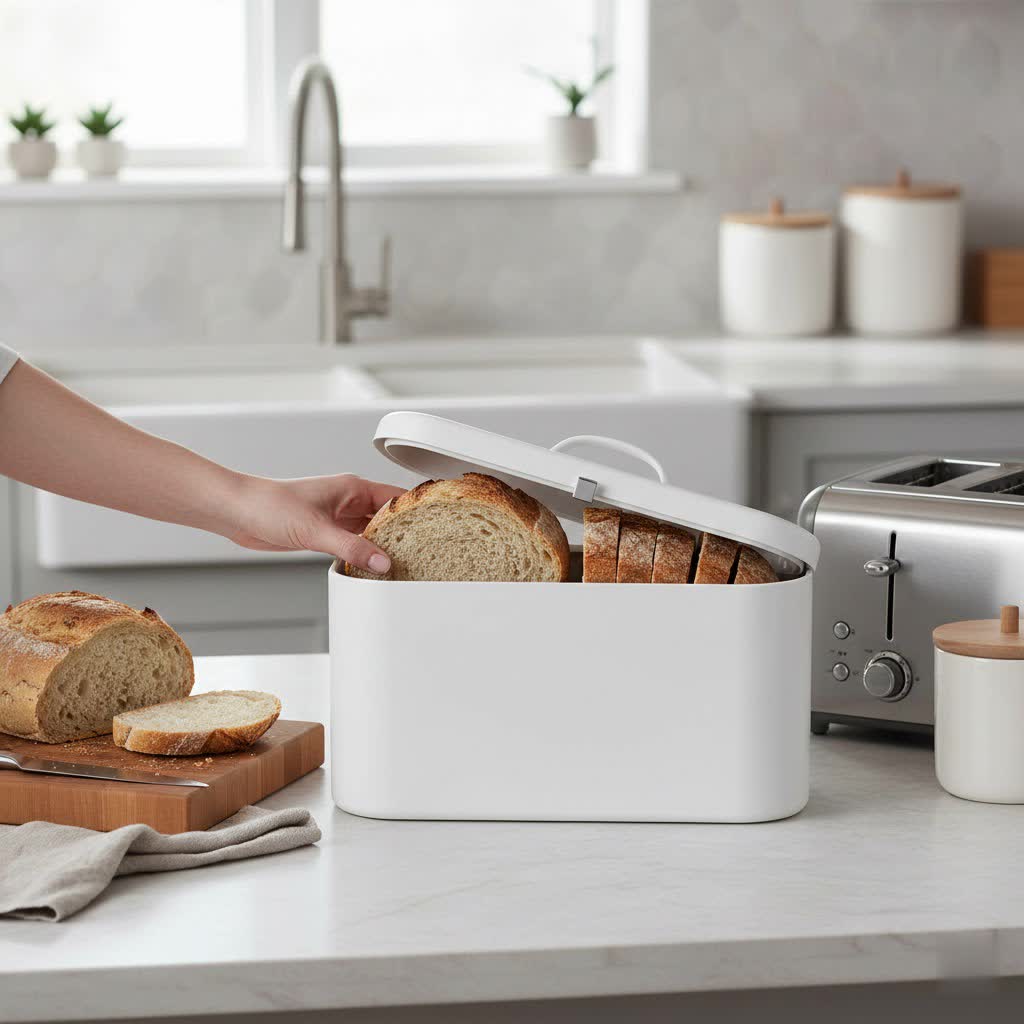
Imagine biting into a perfectly fresh slice of bread, its crust still yielding, its crumb soft and inviting. For many, keeping bread at its peak freshness feels like a daily battle, often ending with stale slices or an unwelcome patch of mold. While refrigerators dry out bread and plastic bags can trap moisture, the humble bread box offers a balanced solution. And among the myriad options available, the Plastic Bread Box has emerged as a surprisingly versatile and budget-friendly contender, proving that practicality and preservation can indeed go hand-in-hand in your kitchen.
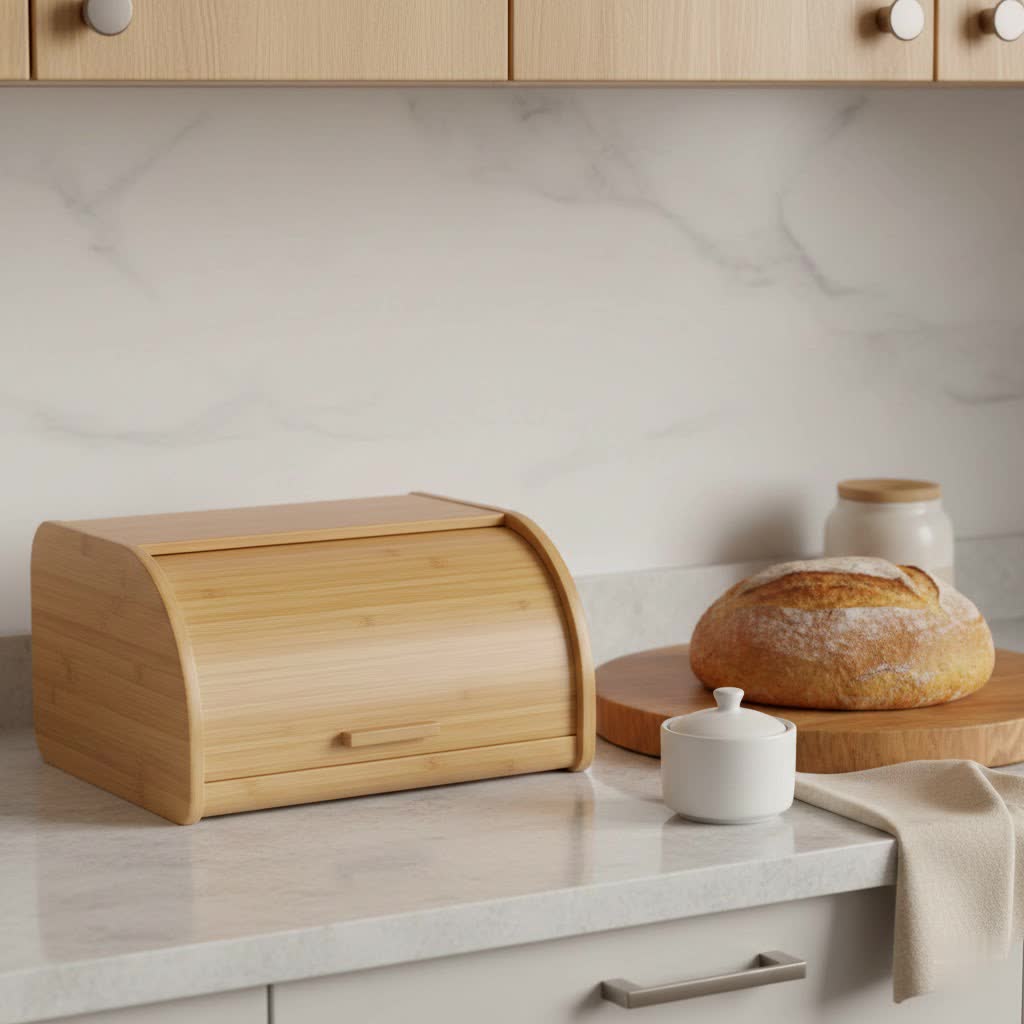
What is a Bread Box?
A bread box, at its core, is a dedicated storage container designed to keep bread and other baked goods fresh for longer periods than countertop exposure or refrigeration. Historically, these boxes served a crucial role in protecting loaves from pests and dust in the pantry or on the kitchen counter. More importantly, they create a micro-environment that carefully manages humidity. Unlike airtight containers that can encourage mold by trapping moisture, or open air that quickly leads to staleness, a well-designed bread box allows just enough air circulation to prevent both excessive drying and condensation buildup. This delicate balance is key to extending the life of your beloved loaves.
Why You Need a Bread Box (and Why Plastic Can Be a Great Choice)
Investing in a bread box might seem old-fashioned, but its benefits are timeless, and plastic models bring their own distinct advantages.
First and foremost, a bread box helps keep bread fresh longer. By creating a stable environment, it slows down the natural staling process, allowing you to enjoy your artisan sourdough or sandwich loaf for several extra days. This means less waste and more delicious meals.
Secondly, it’s a vital tool for preventing mold and spoilage. Excessive moisture is a mold’s best friend. A good bread box, especially one with thoughtful ventilation, ensures that moisture doesn’t accumulate, significantly reducing the risk of mold growth compared to storing bread in sealed plastic bags, which can often be a breeding ground for fungi.
Beyond freshness, bread boxes offer protection from pests and airborne contaminants. No one wants crumbs shared with unwelcome kitchen critters. A sturdy box provides a barrier against insects and dust, maintaining hygienic conditions for your food.
Finally, a bread box contributes to a tidy and aesthetically pleasing kitchen. Instead of having loaves scattered or unsightly plastic bags cluttering your counter, a bread box provides a designated, organized, and often stylish home for your baked goods.
For plastic bread boxes specifically, the choice brings:
- Affordability: Generally, plastic options are more budget-friendly than their wooden or metal counterparts, making them accessible to a wider range of households.
- Visibility: Many plastic bread boxes feature transparent or semi-transparent designs, allowing you to quickly see what’s inside and avoid forgotten, stale bread.
- Lightweight Design: Easy to move, clean, and reposition as needed.
Understanding Plastic Bread Boxes
Plastic bread boxes represent a modern take on a classic kitchen essential. Understanding their material properties and design specifics is key to maximizing their performance.
Material Properties of Plastic
When we talk about plastic bread boxes, we’re generally referring to food-grade plastics like polypropylene (PP) or acrylonitrile butadiene styrene (ABS). These materials are chosen for their safety and durability in food contact applications.
-
Advantages:
- Economical: Plastic is typically less expensive to produce, translating to more affordable options for consumers.
- Lightweight: Easy to handle and move around the kitchen, ideal for those who rearrange their countertops frequently.
- Easy to Clean: Plastic surfaces are generally non-porous and can be wiped clean with hot soapy water or a vinegar solution, making maintenance straightforward and hygienic.
- Transparency: Many plastic designs offer clear or frosted panels, allowing you to monitor your bread supply at a glance.
- Durability: While some thin plastics can dent, well-constructed plastic bread boxes are surprisingly resilient to impacts and everyday wear.
-
Disadvantages and Considerations:
- Breathability: Unlike natural wood, which is naturally porous, plastic is less breathable. This means that ventilation must be designed into a plastic bread box rather than being an inherent property of the material. If ventilation is poor, moisture can accumulate, potentially promoting mold.
- Aesthetics: While modern plastic designs can be sleek, some may not offer the same rustic or classic appeal as wood or metal options, depending on individual kitchen decor preferences.
- Environmental Impact: Concerns about plastic waste are valid. Opting for models made from recycled plastics or focusing on durability to ensure a long lifespan can mitigate this.
|
Our Picks for the Best Bread Box in 2026
We may earn a commission when you use one of our links to make a purchase.
|
||
| Num | Product | Action |
|---|---|---|
| 1 | Bamboo Bread Box for Kitchen Counter-Large Capacity Bread Storage Container Farmhouse Bread Box with Window Bread Holder |

|
| 2 | ROYALHOUSE Natural Bamboo Roll Top Bread Box Kitchen Food Storage - Assembly Required |
|
| 3 | Bread Box Bread Boxes for Kitchen Counter Airtight, Time Recording Bread Storage Container with Lid, Bread Keeper for Homemade Bread, Toast, Bagel, Donut and Cookies, Grey |
|
| 4 | 2 Pack Glass Loaf Pan with Lid, 1.9QT/ 62 OZ Bread Pan - Baking Dish with Airtight Lids BPA free - Meatloaf Pans For Homemade Bread, Baking, Cakes, Dessert,Microwave & Oven Safe |
|
| 5 | Amazon Basics Carbon Steel Bread Box with Acacia Wood Lid, Lid Doubles as Cutting Board, 11.9 x 7.1 x 5.2 in. |
|
| 6 | ZICOTO Beautiful Bread Box With Wooden Lid For Your Kitchen Countertop - Spacious Container Perfectly Stores Your Homemade Bread, English Muffins & Bagels - Quality Cutting Board Lid Keeps Loaf Fresh |
|
| 7 | Double Layer Bread Box for Kitchen Countertop, Large Breadbox Bread Container Storage with Windows, Wooden Farmhouse Bread Holder (Black) |
|
| 8 | Fullin Bread Box for Kitchen Countertop, Bread Storage Container Large Capacity Bamboo Homemade Bread Boxes, Bread Food Holder Organizer with Acrylic Window for Kitchen Counter, Panry Shelf, Cabinet |
|
| 9 | Sunhoo Bread Box for Kitchen Countertop Wooden Bread Storage Container Bin 2 Layer Breadbox Holder Large Capacity Keeper Vintage Farmhouse Food Organizer Pantry Shelf Acrylic Window (Brown) |
|
| 10 | Black Corner Bread Box for Kitchen Countertop, Large Bread Container Storage Bamboo Wooden Farmhouse Bread Box with Window Bread Holder |
|
Key Design Elements for Plastic
Because plastic doesn’t naturally breathe, the design of a plastic bread box is paramount to its effectiveness.
- Ventilation: This is the most critical feature. Look for models with small, discreet air holes or slightly imperfect seals around the lid. These allow for essential air circulation, preventing condensation that leads to mold while retaining enough moisture to keep bread from drying out too quickly.
- Lid Style: Common plastic bread box lid styles include:
- Roll-top: A classic design where the lid slides back and forth, offering easy access and a retro look.
- Flip-top/Hinged: A lid that lifts up, providing a wide opening.
- Removable Lid: Simple and often used with more minimalist designs.
- The lid should fit securely but not be airtight.
- Transparency: Whether fully clear or frosted, transparency can be a helpful feature, letting you check your bread supply without opening the box.
Plastic vs. Other Bread Box Materials: A Comparison
Choosing a bread box involves weighing the pros and cons of different materials. Here’s how plastic stacks up against common alternatives like wood, metal, and ceramic.
| Feature | Plastic | Wood | Metal | Ceramic |
|---|---|---|---|---|
| Cost | Most affordable | Mid to high | Mid-range | High |
| Durability | Good, often impact-resistant | Very good, long-lasting with care | Good, but thinner types can dent easily | Good, but can chip or break if dropped |
| Weight | Lightweight | Moderate to heavy | Moderate | Heaviest |
| Aesthetics | Modern, clean, can be colorful or transparent | Classic, rustic, natural | Industrial, sleek, modern | Artistic, decorative, temperature stable |
| Humidity Reg. | Design-dependent (needs ventilation) | Naturally porous, good humidity control | Design-dependent (needs ventilation) | Excellent temperature stability & moisture retention |
| Ease of Cleaning | Very easy to wipe clean | Requires more careful cleaning, can absorb odors | Easy to wipe, but can show fingerprints/smudges | Very easy, non-porous |
| Visibility | Often transparent | Opaque | Opaque | Opaque |
As seen, while plastic may not offer the natural breathability of wood or the inherent temperature stability of ceramic, its performance is highly dependent on smart design, particularly adequate ventilation. For budget-conscious or design-focused individuals, plastic offers a compelling blend of features.
Choosing the Ideal Plastic Bread Box for Your Kitchen
Selecting the right plastic bread box goes beyond just picking a color. It’s about finding a functional piece that integrates seamlessly into your kitchen and genuinely extends your bread’s freshness.
Assess Your Bread Consumption & Space
Before you buy, consider your household’s bread habits and kitchen layout.
- Quantity of Bread: Do you typically store a single loaf of sandwich bread, or do you frequently bake artisan loaves and need space for multiple items? Choose a size that comfortably accommodates your usual needs without being excessively large, which can take up valuable counter space.
- Kitchen Space: Measure the area where you plan to place the bread box. Consider its height if it will sit under cabinets and its footprint on your countertop.
- Kitchen Style: While plastic can be versatile, choose a color or design that complements your existing decor, whether modern, minimalist, or eclectic.
Focus on Functional Design
The true effectiveness of a plastic bread box lies in its functional design elements.
- Ventilation is Paramount: Reiterate this. Look for clearly indicated ventilation holes, slots, or a lid that allows for slight airflow. This is non-negotiable for preventing mold in a non-porous material like plastic.
- Food-Grade Quality: Ensure the plastic used is certified food-safe and BPA-free for healthy storage.
- Easy Access and Cleaning: A wide opening and smooth, easy-to-clean surfaces are essential for daily convenience and hygiene. Test the lid mechanism if possible to ensure it operates smoothly.
Explore Additional Features
Some plastic bread boxes may offer thoughtful extras:
- Integrated Storage: Some designs might include compartments for bread knives or other small kitchen tools, though these are less common for purely plastic models.
- Multi-purpose Lids: While rarer for full plastic boxes, some designs might feature a wooden or bamboo lid that doubles as a cutting board.
- Stackable Designs: For smaller kitchens or those needing multiple storage units, stackable options can be a space-saver.
Maximizing Freshness with Your Plastic Bread Box
A bread box is a tool, and like any tool, its effectiveness can be enhanced with proper usage. Here are some expert tips to get the most out of your plastic bread box and keep your bread fresher for longer:
- Cool Completely: This is crucial. Never place warm or hot bread directly into any bread box, especially a plastic one. The trapped steam will lead to condensation, creating the perfect environment for mold. Always let freshly baked bread cool entirely on a wire rack before storing it.
- Clean Regularly: Crumbs and residual moisture are a magnet for mold and pests. Periodically wipe down your plastic bread box with hot, soapy water or a diluted vinegar solution. Ensure it’s completely dry before returning bread.
- Avoid the Refrigerator: Unless you plan to toast it, the refrigerator is generally the worst place for bread. The cold, dry air accelerates the staling process. A bread box at room temperature is far superior for short-term storage.
- Consider Light Wrapping: For loaves that tend to dry out quickly or if your bread box has a very generous ventilation system, you might consider loosely wrapping your bread in a clean paper bag or a linen bread bag inside the plastic bread box. Avoid tight plastic wrap, as this can counteract the box’s ventilation efforts and trap moisture.
- Freeze for Long-Term: For bread you won’t eat within a few days, freezing is the best long-term solution. Slice it first for convenience, then wrap it tightly and freeze.
“A bread box isn’t a magic vault, but it’s an incredibly effective tool for managing the delicate balance of humidity that bread needs to stay delicious. For plastic models, the key is thoughtful design—ensuring proper ventilation is built-in to prevent moisture traps.” – Alice Chen, Food Storage Expert
Conclusion
The plastic bread box, often underestimated, stands out as a practical, affordable, and effective solution for preserving your baked goods. By understanding its unique properties—its lightweight nature, ease of cleaning, and often transparent design—and focusing on models with good ventilation, you can confidently keep your bread fresher and more delicious. Far from being a relic of the past, a well-chosen plastic bread box is a smart addition to any modern kitchen, simplifying food storage and reducing waste. So, are you ready to give your bread the perfect home it deserves?
Frequently Asked Questions
Are plastic bread boxes safe for food storage?
Yes, most plastic bread boxes are made from food-grade plastics like polypropylene or ABS, which are specifically designed to be safe for contact with food. Always check product specifications to ensure they are BPA-free and certified food-safe.
Do plastic bread boxes cause mold faster than other materials?
Not if they are properly designed and used. Mold thrives in trapped moisture. A good plastic bread box will have deliberate ventilation (small holes or gaps) to allow air circulation, preventing condensation and mold growth. Ensure bread is completely cool and dry before storage.
How often should I clean my plastic bread box?
It’s recommended to clean your plastic bread box weekly or whenever you finish a loaf of bread. Wipe it down with warm, soapy water or a vinegar solution, and ensure it’s completely dry before adding new bread to prevent crumb buildup and inhibit mold.
Can I store homemade bread in a plastic bread box?
Absolutely! Plastic bread boxes are excellent for homemade bread, provided the bread has completely cooled down to room temperature before being placed inside. This prevents steam from creating a moist, mold-friendly environment.
Is an airtight plastic bread box better for freshness?
No, an airtight seal is generally not recommended for bread boxes. While it might prevent drying, it traps moisture, which significantly increases the risk of mold. The best bread boxes, regardless of material, allow for a small amount of airflow to regulate humidity effectively.