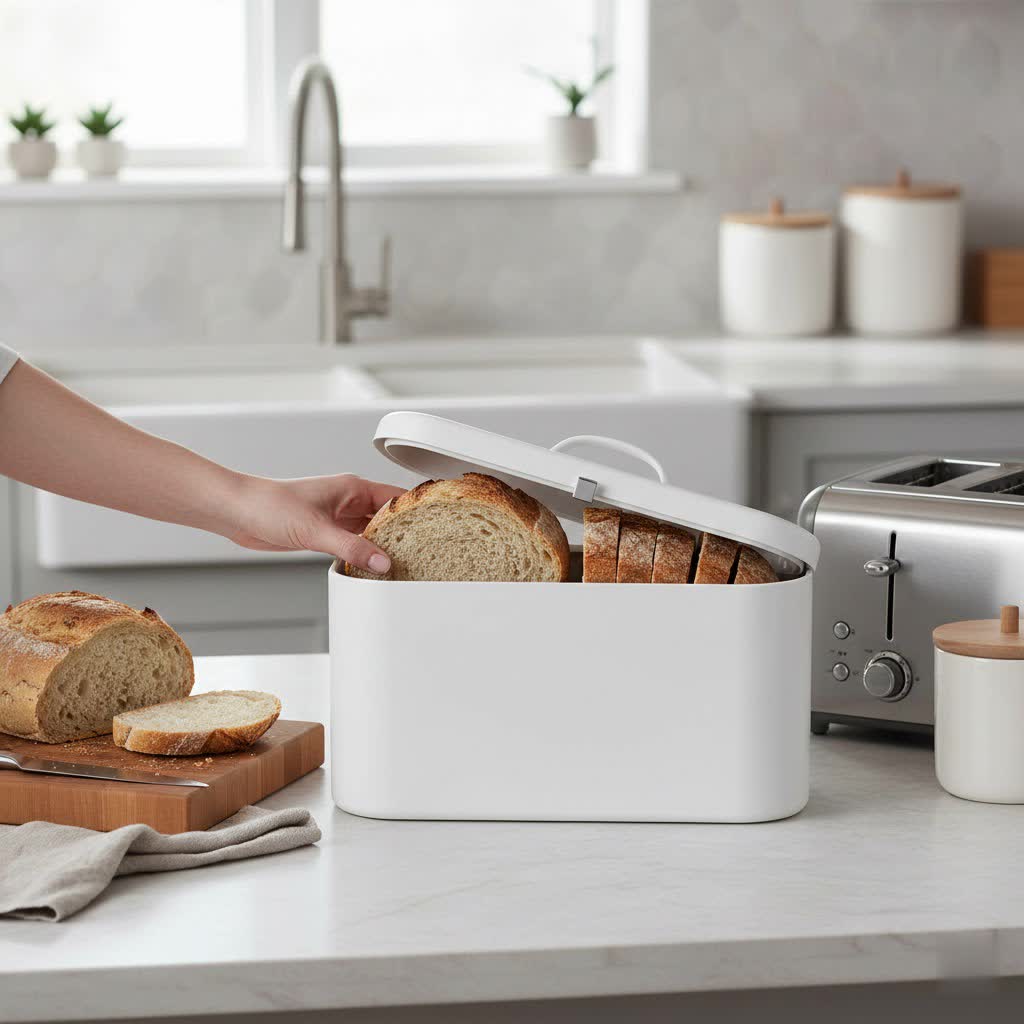
In a world filled with modern appliances and sleek designs, there’s a timeless appeal in revisiting the classics. If you’ve ever dreamt of a kitchen that blends nostalgic aesthetics with practical functionality, a Retro Bread Box is your answer. More than just a charming countertop accessory, these vintage-inspired pieces are a secret weapon in the fight against stale loaves, offering a stylish solution to keep your baked goods wonderfully fresh.
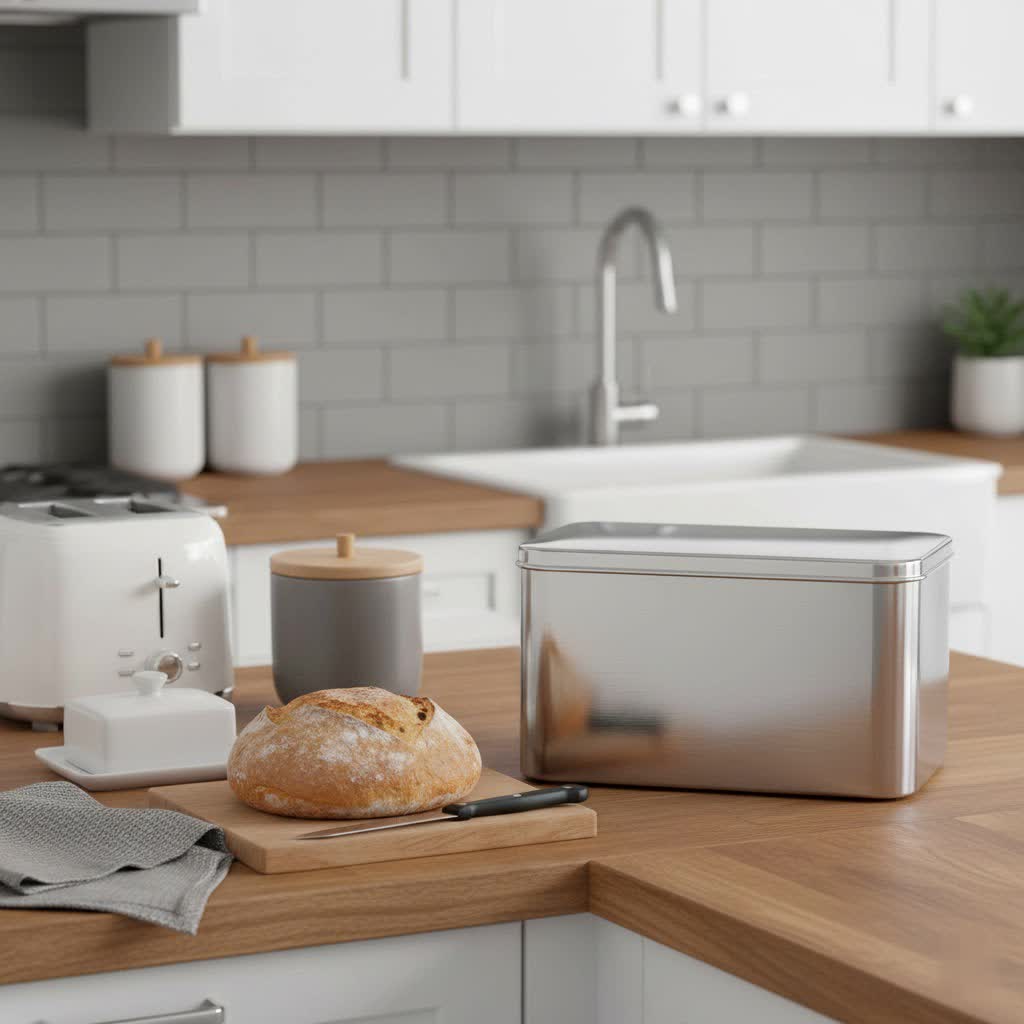
What is a Bread Box and Why Go Retro?
A bread box, often called a bread bin, is essentially a storage container designed to keep bread and other baked goods fresh for longer periods. Its primary purpose is to create an ideal environment that balances humidity and airflow, preventing bread from either drying out too quickly or succumbing to mold. While the concept is simple, its effectiveness is profound.
The history of the bread box dates back centuries, gaining widespread popularity in the U.S. before the advent of plastic packaging and preservatives in commercially produced bread. Early versions, like one from the late 1800s in the Smithsonian collection, were even used to transport bread on trains and wagons, with patents like Stanley Walter Krebs’s in 1918 solidifying its place in the American home. Today, with a renewed appreciation for artisan loaves and homemade baking, the bread box has experienced a delightful resurgence. Going “retro” with your bread box means embracing designs and materials that evoke specific past eras, adding character and warmth to your kitchen, beyond just its functional benefits.
Why You Need a Retro Bread Box for Your Kitchen
Beyond its undeniable aesthetic appeal, a retro bread box offers several compelling advantages for any kitchen.
First and foremost, it keeps bread fresh longer. Unlike storing bread in a plastic bag, which can trap moisture and encourage mold, or in the refrigerator, which paradoxically causes bread to stale faster, a bread box regulates humidity. It holds enough moisture to prevent your crusty baguettes from turning into rocks, while allowing enough air circulation to ward off mold. You can expect your baked goods to stay fresh for several days, or even a week longer than other storage methods.
Secondly, a bread box prevents mold and staleness. The delicate balance of airflow and moisture within a well-designed bread box is crucial. Ventilation features, such as small holes, gaps in seams, or the natural porosity of certain materials, help prevent moisture buildup that leads to mold. This ensures your bread remains enjoyable, not destined for the bin.
Moreover, these containers protect your bread from pests and light. A sturdy lid forms a barrier against unwelcome insects and rodents, while the enclosed space shields bread from direct sunlight, which can accelerate spoilage. Finally, a retro bread box provides an organized and aesthetically pleasing storage solution. Instead of cluttered countertops with various bags and packages, your bread box corrals all your baked goods into one charming container, enhancing your kitchen’s overall look and adding a unique touch of personality.
> “A retro bread box isn’t just a pretty face; it’s a practical centerpiece that brings both freshness and character to your kitchen.” – Admin, reviewhieutv.com
Exploring Popular Retro Bread Box Styles and Materials
Retro bread boxes come in a delightful array of materials and designs, each contributing to their vintage charm and functional performance.
By Material
- Metal (Steel, Aluminum, Powder-coated): These are perhaps the most iconic retro bread boxes, often featuring vibrant colors, enameled finishes, or a rustic farmhouse look. Metal boxes are known for their durability and ease of cleaning. Stainless steel and aluminum are common, with powder-coated options offering a wide range of hues, from classic whites and creams to playful pastels and bold primary colors reminiscent of mid-century diners. While some metal boxes can be very airtight, good designs incorporate ventilation to prevent mold.
- Wood (Bamboo, Olivewood, Oak, Cherry): Wooden bread boxes offer a warm, natural aesthetic that fits well with farmhouse, rustic, or even Scandinavian retro styles. Wood is naturally porous, allowing it to absorb some excess moisture, which can aid in freshness. However, wood can be more expensive and requires more care, such as thorough drying after washing and occasional oiling to maintain its condition.
- Ceramic: While less common for the entire box, ceramic bread bins evoke a classic, traditional feel. They are durable but can be heavy and are susceptible to breaking if dropped.
- Plastic/Acrylic: Often used for transparent or semi-transparent lids, plastic can also form the body of more budget-friendly or uniquely functional bread boxes. While generally easy to clean and lightweight, full plastic designs might not always capture the robust retro feel of metal or wood.
|
Our Picks for the Best Bread Box in 2026
We may earn a commission when you use one of our links to make a purchase.
|
||
| Num | Product | Action |
|---|---|---|
| 1 | Bread Box Bread Boxes for Kitchen Counter Airtight, Time Recording Bread Storage Container with Lid, Bread Keeper for Homemade Bread, Toast, Bagel, Donut and Cookies, Grey |

|
| 2 | Sunhoo Bread Box for Kitchen Countertop Wooden Bread Storage Container Bin 2 Layer Breadbox Holder Large Capacity Keeper Vintage Farmhouse Food Organizer Pantry Shelf Acrylic Window (Brown) |
|
| 3 | ZICOTO Beautiful Bread Box With Wooden Lid For Your Kitchen Countertop - Spacious Container Perfectly Stores Your Homemade Bread, English Muffins & Bagels - Quality Cutting Board Lid Keeps Loaf Fresh |
|
| 4 | Fullin Bread Box for Kitchen Countertop, Bread Storage Container Large Capacity Bamboo Homemade Bread Boxes, Bread Food Holder Organizer with Acrylic Window for Kitchen Counter, Panry Shelf, Cabinet |
|
| 5 | 2 Pack Glass Loaf Pan with Lid, 1.9QT/ 62 OZ Bread Pan - Baking Dish with Airtight Lids BPA free - Meatloaf Pans For Homemade Bread, Baking, Cakes, Dessert,Microwave & Oven Safe |
|
| 6 | Double Layer Bread Box for Kitchen Countertop, Large Breadbox Bread Container Storage with Windows, Wooden Farmhouse Bread Holder (Black) |
|
| 7 | ROYALHOUSE Natural Bamboo Roll Top Bread Box Kitchen Food Storage - Assembly Required |
|
| 8 | Amazon Basics Carbon Steel Bread Box with Acacia Wood Lid, Lid Doubles as Cutting Board, 11.9 x 7.1 x 5.2 in. |
|
| 9 | Black Corner Bread Box for Kitchen Countertop, Large Bread Container Storage Bamboo Wooden Farmhouse Bread Box with Window Bread Holder |
|
| 10 | Bamboo Bread Box for Kitchen Counter-Large Capacity Bread Storage Container Farmhouse Bread Box with Window Bread Holder |
|
By Design Type
The lid mechanism is a key design feature that influences both the look and functionality of a retro bread box:
- Roll-Top: This classic design, often seen in stainless steel or painted metal, features a lid that rolls back into the box, saving valuable counter space. It’s a hallmark of many traditional and retro kitchen setups.
- Lift-Off/Flip-Top: Simple and straightforward, these lids lift completely off or flip open. Some lift-off wooden lids are even designed to double as cutting boards, adding an extra layer of utility.
- Hinged Door: Similar to a small cupboard, these doors open outwards or drop down, providing full access to the interior. Boxes with hinged doors often require more counter clearance when open.
Comparing Retro Bread Box Features: A Quick Guide
To help you navigate the options, here’s a comparison of common retro bread box materials:
| Feature | Metal | Wood | Ceramic |
|---|---|---|---|
| Aesthetic | Industrial, colorful, farmhouse, mid-century | Natural, rustic, warm, classic | Sturdy, traditional, often glazed |
| Durability | High, resistant to impact | High, can last for decades | High, but brittle if dropped |
| Ventilation | Often includes built-in holes or non-airtight seals | Porous, absorbs excess moisture naturally | Relies on lid fit for airflow |
| Maintenance | Easy to wipe clean, rust-resistant (stainless steel) | Needs thorough drying, occasional oiling | Easy to wipe clean |
| Cost | Moderate | Moderate to High | Moderate to High |
How to Choose the Perfect Retro Bread Box
Selecting the ideal retro bread box involves a balance of practical needs and aesthetic desires.
Determine Your Needs
Start by considering how you’ll use it. The quantity of bread you typically store is crucial; do you need space for one artisan loaf or several loaves, bagels, and pastries? Next, assess your kitchen space and layout. Measure your available countertop area to ensure the bread box fits comfortably, especially if you opt for a larger model or one with a roll-top or hinged door that requires extra clearance. Finally, think about your existing kitchen style. Do you have a farmhouse, industrial, mid-century modern, or eclectic decor? This will guide your material and color choices.
Material and Style Selection
This is where the “retro” aspect truly comes into play. If your kitchen leans towards a rustic charm, a powder-coated metal box with vintage lettering or a warm wooden design might be perfect. For a bolder, mid-century look, consider a brightly colored steel box. If you prefer a more minimalist take on retro, clean lines in white steel or bamboo can blend seamlessly. Remember that material also impacts durability and cleaning, so choose one that aligns with your lifestyle.
Essential Features to Look For
Beyond looks, functionality is key. Ensure the bread box has proper ventilation. This is paramount for preventing mold and keeping bread fresh. Look for small holes, subtle gaps in the lid’s seal, or simply a non-airtight design. Consider the lid mechanism – roll-top for space-saving, lift-off for simplicity, or hinged for easy access. Check the capacity and footprint; some taller boxes allow for stacking, while flat-top designs can offer extra storage space for spices or small appliances.
Top Retro Bread Box Picks for a Stylish & Fresh Kitchen
While the market is vast, here are a few examples that embody the retro spirit while delivering on performance:
- Granrosi Large Bread Box: This popular choice often features a metal construction with a rustic, farmhouse-meets-retro design, complete with chalkboard-style lettering. It offers a huge capacity and excellent value, making it perfect for larger families or those who bake frequently.
- Oggi Stainless Steel Roll-Top Bread Box: A roll-top design is a quintessential retro bread box feature. While many modern iterations exist, the classic roll-top evokes a timeless kitchen feel, offering spacious storage and convenient access without taking up extra counter space for an opening lid.
- Culinary Couture Extra Large Blue Bread Box: Available in various colors, this stainless steel box often boasts a “subtle vintage flair” and includes ventilation holes to promote airflow. Its range of hues makes it easy to find one that perfectly complements your retro color scheme.
- Vintage-Inspired Metal Bins: Look for designs on platforms like Etsy or Wayfair that mimic old-fashioned bread bins, often with enameled finishes, specific fonts for the word “bread,” and classic handles. These often come in colors like beige, mint green, or pastel blue to complete the retro aesthetic. [cite: 4 (from search, Wayfair)]
Conclusion
A retro bread box is more than just a nod to the past; it’s a smart, stylish investment in your kitchen’s functionality and aesthetic. By understanding how these charming containers work to keep your bread perfectly fresh and by considering the diverse array of materials, designs, and features available, you can confidently choose a piece that not only preserves your baked goods but also elevates your kitchen’s unique character.
Ready to infuse your kitchen with a touch of timeless charm and keep your favorite loaves at their peak? Embrace the enduring appeal of the retro bread box and rediscover the simple joy of fresh bread, every day.
Frequently Asked Questions
How does a bread box keep bread fresh?
A bread box keeps bread fresh by regulating humidity. Its non-airtight design allows just enough air circulation to prevent moisture buildup (which causes mold) while trapping enough moisture to stop the bread from drying out and becoming stale.
Can I put hot bread in a bread box?
No, it’s best to let freshly baked bread cool completely before placing it in a bread box. Putting hot bread directly into the box will trap steam, creating excessive moisture that can lead to rapid mold growth and a soggy texture.
How do I clean a retro bread box?
Cleaning a bread box is usually simple. Start by emptying all crumbs. Then, wipe the interior and exterior with a damp sponge, using a small amount of mild dish soap for any sticky spots. The most crucial step is to dry the box thoroughly before replacing the bread, especially wooden boxes, to prevent mold or warping.
Are wooden or metal retro bread boxes better?
Both wooden and metal retro bread boxes are effective, and the choice often comes down to aesthetic preference and maintenance. Metal boxes are generally durable and easy to clean, while wood is porous and can absorb moisture. Wooden boxes may require occasional oiling. Neither material is inherently “better” for freshness, as long as proper ventilation is present.
What makes a bread box “retro”?
A bread box is considered “retro” when its design, materials, and colors evoke styles popular in past decades, typically from the mid-20th century. This can include features like roll-top mechanisms, enameled metal finishes, specific vintage fonts, and color palettes like pastels, bold primary colors, or rustic farmhouse aesthetics.