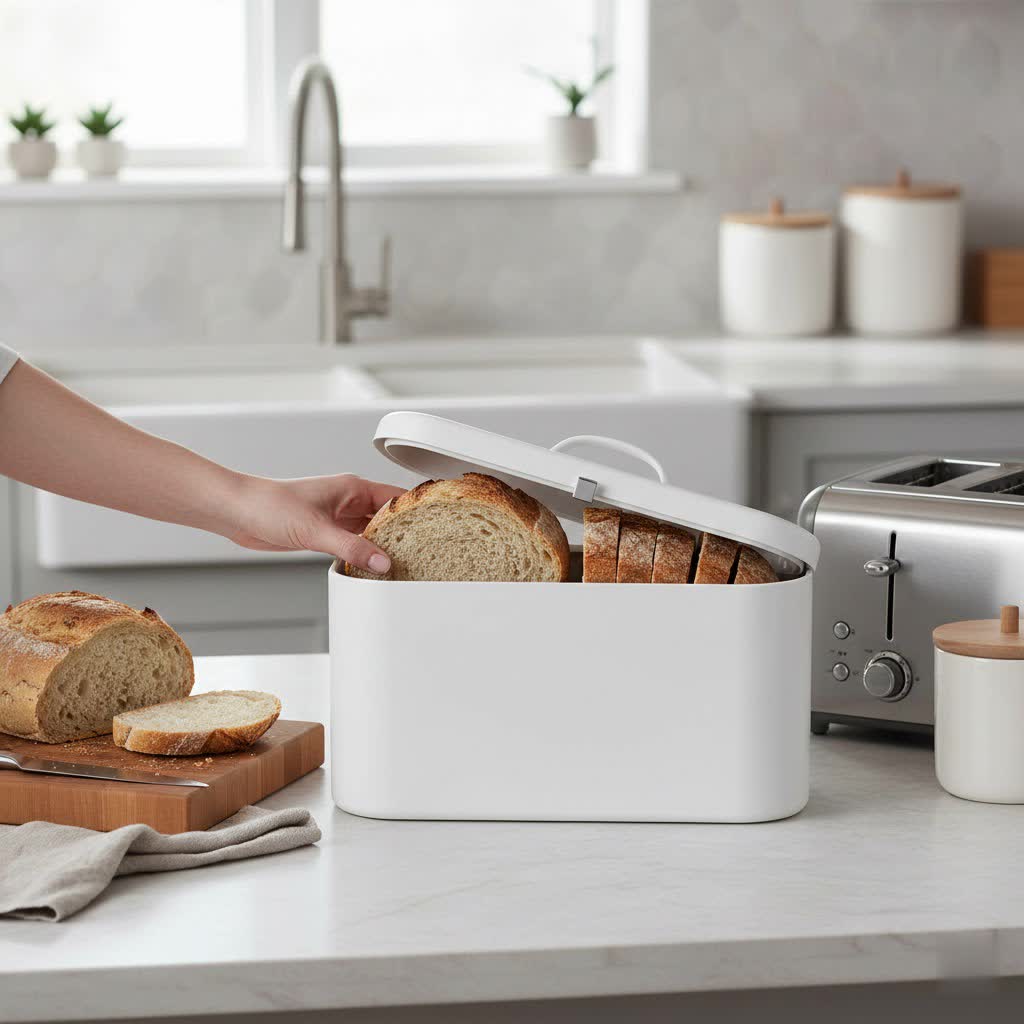
Keeping bread fresh is a culinary quest, and for those with compact kitchens or smaller households, the traditional, bulky bread box often feels like an unnecessary counter hog. However, a Small Bread Box offers the perfect solution, marrying functionality with a minimalist footprint. As a technician with over a decade of experience in home appliances, especially bread boxes, I’ve seen hundreds of designs, materials, and sizes. Let’s delve into how a compact bread box can revolutionize your kitchen and keep your beloved loaves perfectly fresh without sacrificing precious counter space.
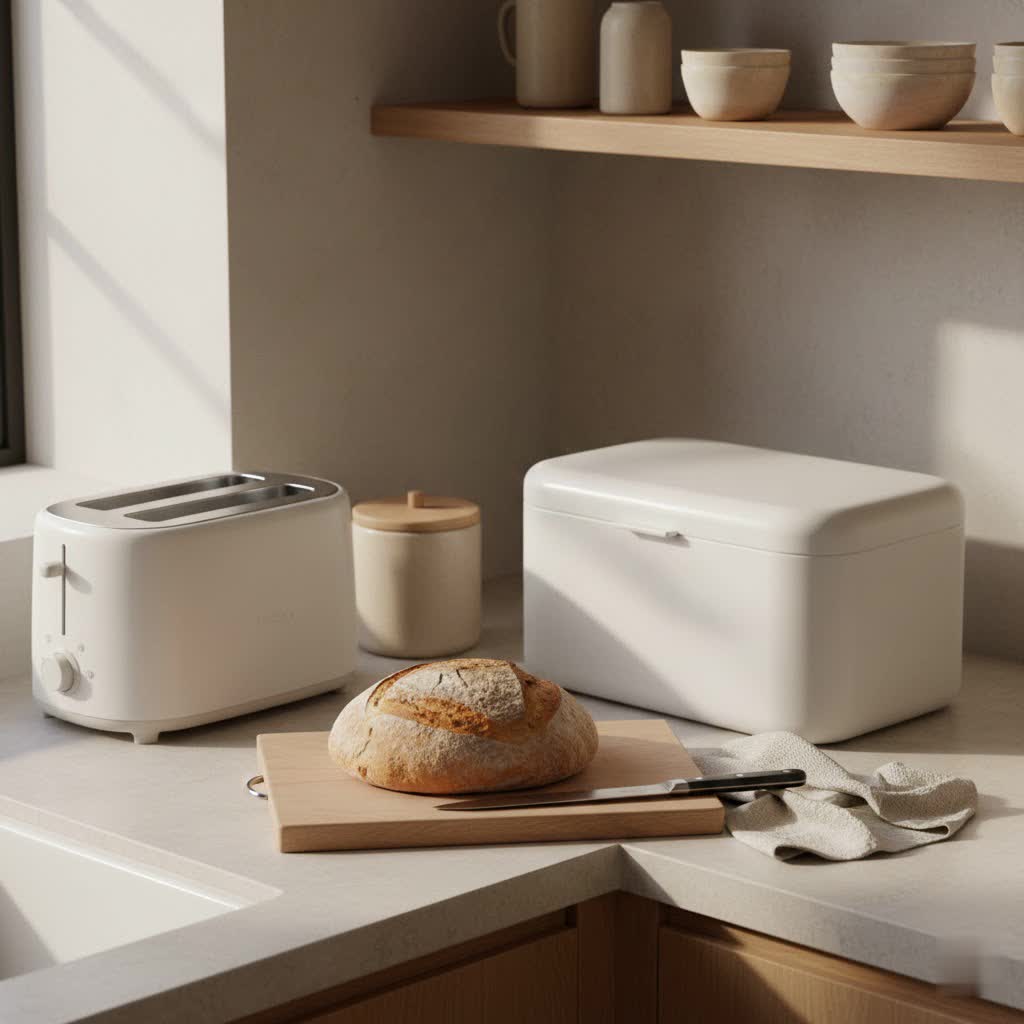
What is a Small Bread Box?
A bread box, at its core, is a container designed to store bread at room temperature, creating an optimal environment that extends its freshness. A small bread box takes this concept and scales it down, typically measuring around 10-12 inches (25-30 cm) wide, 6-8 inches (15-20 cm) deep, and 6-8 inches (15-20 cm) high. These dimensions are perfectly suited to hold one standard loaf of bread, a few bagels, muffins, or other small baked goods. They are specifically crafted for compact kitchens, apartments, or individual households where space is a premium, and large capacity isn’t a primary concern.
Historically, bread storage evolved from simple cloth wraps to sophisticated wooden or metal boxes, each designed to combat the common enemies of bread: rapid drying (staleness) and excessive moisture (mold). Modern small bread boxes continue this tradition, offering engineered solutions tailored to contemporary living.
Why a Small Bread Box is a Kitchen Essential
Many home bakers and bread enthusiasts underestimate the impact proper storage has on their loaves. A small bread box isn’t just a charming kitchen accessory; it’s a vital tool for maximizing the lifespan and quality of your baked goods.
- Keeps Bread Fresh Longer: The primary benefit of a bread box is its ability to regulate airflow and humidity. Unlike an open countertop where bread quickly dries out, or an airtight plastic bag that can encourage mold, a good bread box maintains a microclimate that allows just enough air circulation to prevent both staleness and excessive moisture buildup. Bread stored at room temperature in a bread box typically remains softer, easier to slice, and more flavorful than refrigerated bread, which often suffers from “retrogradation” – a process that makes it stale faster.
- Prevents Mold and Bacteria: By controlling humidity, a small bread box creates an unfavorable environment for mold spores and bacteria that thrive in damp, stagnant air. The slight ventilation prevents condensation, a common culprit for premature mold growth.
- Protects from Pests and Contaminants: A bread box acts as a physical barrier against kitchen pests like ants or flies, and shields your bread from airborne dust and other kitchen contaminants, keeping it hygienic until you’re ready to enjoy it.
- Optimizes Small Kitchen Spaces: This is where the “small” aspect shines. In kitchens with limited counter space, a compact bread box becomes invaluable. It provides a dedicated, tidy home for your bread without overwhelming your workspace, often designed to fit snugly under cabinets or in tight corners.
- Adds Aesthetic Appeal: Beyond functionality, small bread boxes can enhance your kitchen decor. Available in a variety of materials and styles, they can complement your existing aesthetic, from farmhouse rustic to sleek modern, turning everyday storage into a design statement.
Popular Materials for Small Bread Boxes
The material of your small bread box significantly influences its performance, durability, and aesthetic. Each comes with its own set of advantages and considerations.
Wood
Wood, particularly bamboo, oak, or olivewood, is a classic choice for bread boxes.
- Advantages: Wooden bread boxes often boast a beautiful, natural aesthetic that can warm up any kitchen. Many woods, like bamboo, are naturally breathable, helping to regulate humidity and prevent mold. They are generally durable and can last for years with proper care.
- Disadvantages: Wood can be susceptible to warping if exposed to excessive moisture or humidity fluctuations. It also requires occasional conditioning with food-safe mineral oil to maintain its integrity and appearance. Cleaning requires a gentle touch to avoid water damage.
- Examples: The Williams Sonoma Olivewood Bread Box and the ETMI Bamboo Bread Box are popular choices, offering both functionality and style.
|
Our Picks for the Best Bread Box in 2026
We may earn a commission when you use one of our links to make a purchase.
|
||
| Num | Product | Action |
|---|---|---|
| 1 | ZICOTO Beautiful Bread Box With Wooden Lid For Your Kitchen Countertop - Spacious Container Perfectly Stores Your Homemade Bread, English Muffins & Bagels - Quality Cutting Board Lid Keeps Loaf Fresh |

|
| 2 | Amazon Basics Carbon Steel Bread Box with Acacia Wood Lid, Lid Doubles as Cutting Board, 11.9 x 7.1 x 5.2 in. |
|
| 3 | Bread Box Bread Boxes for Kitchen Counter Airtight, Time Recording Bread Storage Container with Lid, Bread Keeper for Homemade Bread, Toast, Bagel, Donut and Cookies, Grey |
|
| 4 | Black Corner Bread Box for Kitchen Countertop, Large Bread Container Storage Bamboo Wooden Farmhouse Bread Box with Window Bread Holder |
|
| 5 | Sunhoo Bread Box for Kitchen Countertop Wooden Bread Storage Container Bin 2 Layer Breadbox Holder Large Capacity Keeper Vintage Farmhouse Food Organizer Pantry Shelf Acrylic Window (Brown) |
|
| 6 | ROYALHOUSE Natural Bamboo Roll Top Bread Box Kitchen Food Storage - Assembly Required |
|
| 7 | Double Layer Bread Box for Kitchen Countertop, Large Breadbox Bread Container Storage with Windows, Wooden Farmhouse Bread Holder (Black) |
|
| 8 | Bamboo Bread Box for Kitchen Counter-Large Capacity Bread Storage Container Farmhouse Bread Box with Window Bread Holder |
|
| 9 | Fullin Bread Box for Kitchen Countertop, Bread Storage Container Large Capacity Bamboo Homemade Bread Boxes, Bread Food Holder Organizer with Acrylic Window for Kitchen Counter, Panry Shelf, Cabinet |
|
| 10 | 2 Pack Glass Loaf Pan with Lid, 1.9QT/ 62 OZ Bread Pan - Baking Dish with Airtight Lids BPA free - Meatloaf Pans For Homemade Bread, Baking, Cakes, Dessert,Microwave & Oven Safe |
|
Metal
Metal bread boxes, typically made from stainless steel or enameled steel, offer a more modern and industrial look.
- Advantages: Metal is highly durable, easy to wipe clean, and resistant to odors. Stainless steel models can complement kitchens with contemporary appliances. Some designs include ventilation holes to ensure proper air circulation.
- Disadvantages: Thinner metal can be prone to dents and scratches. Shiny finishes, like polished stainless steel, can easily show fingerprints and smudges, requiring frequent cleaning. If not designed with ventilation, they can sometimes create too airtight an environment, leading to moisture buildup.
- Examples: The Oggi Stainless Steel Roll Top Bread Box is a well-regarded option, known for its sleek design and effectiveness, though its dimensions may push it towards the larger end of “small.”
Plastic
Plastic bread boxes are often the most affordable and lightweight option.
- Advantages: They are typically very easy to clean, highly durable, and come in a wide range of colors and designs. Some plastic boxes are transparent, allowing you to easily see the contents.
- Disadvantages: Plastic can sometimes be less breathable, and lower-quality plastics might absorb odors over time. Aesthetically, they might not offer the same premium feel as wood or metal. It’s important to ensure they are BPA-free for food safety.
- Examples: The Buddeez Sandwich Size Bread Buddy Dispenser is a specialized plastic option, designed perfectly for storing a single loaf of pre-sliced sandwich bread.
Ceramic/Stoneware
While less common for truly “small” bread boxes, ceramic and stoneware options exist and are prized for their unique properties.
- Advantages: Ceramic provides excellent insulation, maintaining a stable internal temperature and humidity. They often have a rustic or elegant appeal and can double as decorative pieces.
- Disadvantages: They are typically heavy and can be fragile, prone to chipping or breaking if dropped. Their weight also makes them less portable. Capacity can be limited, often best suited for a single, artisanal loaf.
- Examples: The Emile Henry Breadbox, while a premium option, showcases the beauty and effectiveness of ceramic storage, often featuring a lid that doubles as a cutting board.
Types of Small Bread Box Designs
The design of a small bread box impacts both its usability and how it integrates into your kitchen space.
Roll-Top Bread Boxes
These designs feature a curved lid that rolls back into the box itself, similar to a tambour door.
- Advantages: Roll-top designs save countertop space because the lid doesn’t swing out or need to be lifted completely off. This makes them ideal for placement under overhead cabinets. Many also offer a flat top surface for additional storage.
- Disadvantages: Roll-top mechanisms can sometimes be less smooth over time, and if not careful, you might squish items near the top edge when closing.
Hinged Lid Bread Boxes (Flip-Top)
These boxes have a lid that opens upwards or downwards, usually with a hinge.
- Advantages: Hinged lids offer full and easy access to the contents. Downward-opening lids often provide a flat surface to prepare bread.
- Disadvantages: Upward-opening lids require vertical clearance, which can be an issue under low cabinets. Downward-opening lids might need a clear space in front of the box.
Removable Lid Bread Boxes
These are simpler designs where the lid simply lifts off.
- Advantages: Straightforward and easy to clean. The lid can sometimes double as a cutting board, as seen in some Joseph Joseph models.
- Disadvantages: Requires space to place the lid when accessing bread. Smooth, handle-free lids can sometimes be difficult to remove, especially if hands are wet or greasy.
Specialty Designs (e.g., for Sandwich Bread)
Some small bread boxes are designed with a very specific type of bread in mind.
- Advantages: Optimized for specific needs, such as the Buddeez Bread Buddy which perfectly fits a standard sliced sandwich loaf and allows for easy dispensing. They are often ultra-compact.
- Disadvantages: Less versatile for storing other types of bread or baked goods.
How to Choose the Perfect Small Bread Box
Selecting the ideal small bread box involves a thoughtful assessment of your personal needs, kitchen layout, and aesthetic preferences.
Assess Your Bread Consumption
Consider how much bread you typically have on hand. Are you a single person or a couple who consumes one loaf of artisanal bread or a few rolls a week? Or do you primarily buy sliced sandwich bread? A truly small bread box is perfect for storing a single loaf or a limited quantity of smaller baked goods, ensuring nothing goes to waste or takes up unnecessary space. If you find yourself frequently buying larger quantities, you might lean towards a compact model that is on the upper end of the “small” spectrum, or consider freezing excess bread.
Measure Your Counter Space
This is arguably the most critical step when choosing a small bread box. Measure the available width, depth, and especially height on your countertop, paying attention to clearance under upper cabinets. A roll-top design is excellent for tight vertical spaces, while a hinged lid needs room to open. Remember, even a compact bread box needs a home that doesn’t feel cluttered.
Consider Material and Style
Your bread box should not only be functional but also complement your kitchen decor.
- For a warm, rustic, or natural look, wood (bamboo, olivewood) is an excellent choice.
- For a modern, industrial, or minimalist aesthetic, metal (stainless steel) or sleek plastic might be preferable.
- Ceramic options can add an elegant, handcrafted touch.
Think about how much maintenance you’re willing to do; wood might require occasional oiling, while metal shows fingerprints.
Look for Key Features
Beyond basic storage, certain features can enhance the utility of your small bread box:
- Ventilation: Essential for freshness, look for discreet holes or subtle gaps in seams that allow controlled airflow.
- Transparency: A clear or frosted window in the lid or front can be incredibly useful, allowing you to see at a glance what bread you have and when you’re running low, preventing forgotten loaves.
- Flat Top Surface: Many roll-top or flip-top designs offer a flat top that can be used for storing small items like spice jars or a small appliance, effectively creating more storage space in a compact kitchen.
- Ease of Cleaning: Smooth interiors and easily accessible designs make cleaning crumbs and wiping down surfaces a breeze, which is crucial for hygiene and preventing mold.
- Magnetic Closure: A subtle magnetic catch ensures the lid stays securely closed, maintaining the internal environment.
Top 3 Small Bread Boxes for Compact Kitchens
Based on rigorous testing and a deep understanding of what makes a bread box truly functional for smaller spaces, here are some top recommendations that excel in design, durability, and most importantly, keeping your bread fresh.
1. Joseph Joseph Bread Bin with Bamboo Lid
This sleek, modern bread bin offers a fantastic balance of style and practicality for compact kitchens.
- Dimensions: Approximately 14.6 x 8.7 x 7.1 inches.
- Pros: Its moderate size fits well on most countertops. The bamboo lid cleverly doubles as a cutting board, complete with crumb-catching grooves, saving additional space. The polyurethane main compartment is easy to clean, and the overall minimalist design complements contemporary kitchens. It effectively keeps bread fresh for several days.
- Cons: While the cutting board lid is a bonus, it needs extra cleaning. Some users might desire more ventilation.
2. Williams Sonoma Olivewood Bread Box
For those who appreciate premium materials and timeless design, this olivewood bread box is a statement piece that also performs beautifully.
- Dimensions: Approximately 15 x 9.5 x 7.5 inches.
- Pros: Made from durable and exquisitely grained olivewood, it adds a touch of rustic elegance. The clear acrylic cover allows you to easily see your bread, and it opens smoothly. It keeps artisanal loaves fresh effectively and is built to improve with age.
- Cons: This is a significant investment at a higher price point. Natural wood requires occasional conditioning with food-safe mineral oil to maintain its beauty.
3. Buddeez Sandwich Size Bread Buddy Dispenser
If your primary need is to store a single loaf of pre-sliced sandwich bread efficiently, this specialized plastic dispenser is incredibly practical and ultra-compact.
- Dimensions: Approximately 5 x 5 x 13.5 inches.
- Pros: Its extremely narrow footprint is perfect for the smallest kitchens or even for tucking away in a cabinet or on top of the fridge. It’s designed to hold a standard bagged sandwich loaf and allows you to easily pull slices from the top without removing the bag. It seals tightly, keeping bread very fresh.
- Cons: It’s highly specialized, meaning it won’t accommodate artisanal loaves or larger baked goods. Its aesthetic is purely functional rather than decorative.
Conclusion
A small bread box is far more than just a kitchen container; it’s a smart investment for anyone looking to optimize their kitchen space while ensuring their bread remains delightfully fresh. By understanding the different materials, designs, and key features, you can confidently choose a compact bread box that perfectly aligns with your lifestyle, your kitchen’s aesthetic, and your desire for perfectly preserved loaves. Say goodbye to stale slices and cluttered counters, and embrace the tidy efficiency a well-chosen small bread box brings.
What bread-storing challenge does a small bread box solve for your kitchen?
Câu Hỏi Thường Gặp
Are small bread boxes as effective as larger ones at keeping bread fresh?
Yes, the effectiveness of a bread box in keeping bread fresh depends more on its design (proper ventilation and seal) than its overall size. A well-designed small bread box will create the ideal microclimate to prevent bread from becoming stale or moldy, just like its larger counterparts, making it perfectly suitable for single loaves or small quantities of baked goods.
How often should I clean my small bread box?
It’s recommended to clean your bread box regularly, ideally every few weeks or whenever you finish a loaf and before introducing a new one. This prevents crumb buildup, which can attract pests or encourage mold growth. Use warm, soapy water and dry thoroughly, following any specific manufacturer instructions for your material.
Can I store other items besides bread in a small bread box?
While primarily designed for bread, a small bread box can also effectively store other baked goods like muffins, bagels, pastries, or even cookies. Some models with flat tops can also double as additional counter space for small, lightweight items like spice jars, maximizing utility in a compact kitchen.
What is the ideal humidity level for storing bread in a bread box?
The ideal environment for bread storage involves a balance: not too dry to prevent staleness, and not too humid to prevent mold. A good bread box aims for a relative humidity that keeps the crust crisp and the interior soft, typically achieved through slight, controlled ventilation rather than being completely airtight or fully exposed.