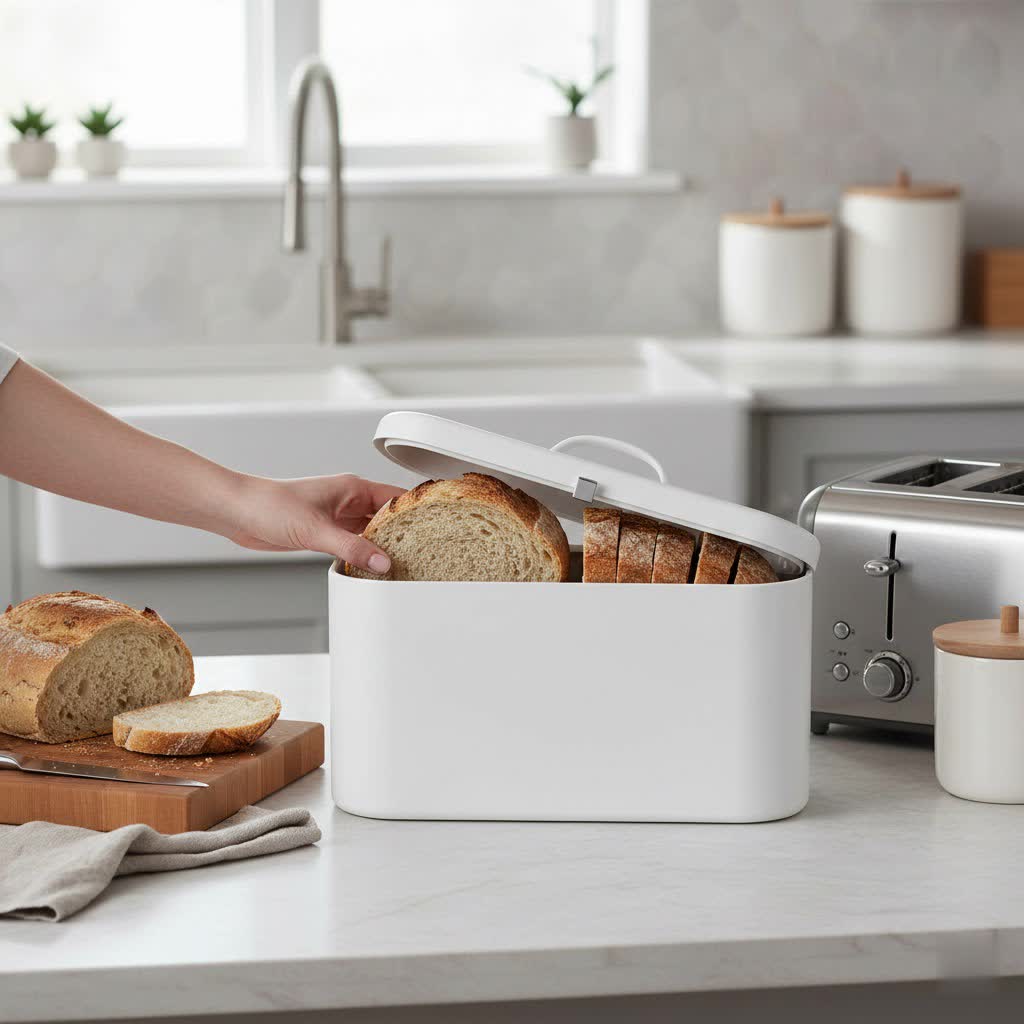
The struggle to keep bread fresh is a universal kitchen dilemma. Whether it’s a crusty artisan loaf, a soft sandwich bread, or homemade sourdough, maintaining that perfect texture and preventing premature staleness or mold can feel like a losing battle. While modern solutions abound, a timeless classic offers a surprisingly effective and naturally elegant answer: the Wooden Bread Box. This guide will delve into why a wooden bread box is an indispensable kitchen item, exploring its benefits, various types, and how to select and care for the perfect one to keep your bread in prime condition, longer.
What is a Wooden Bread Box?
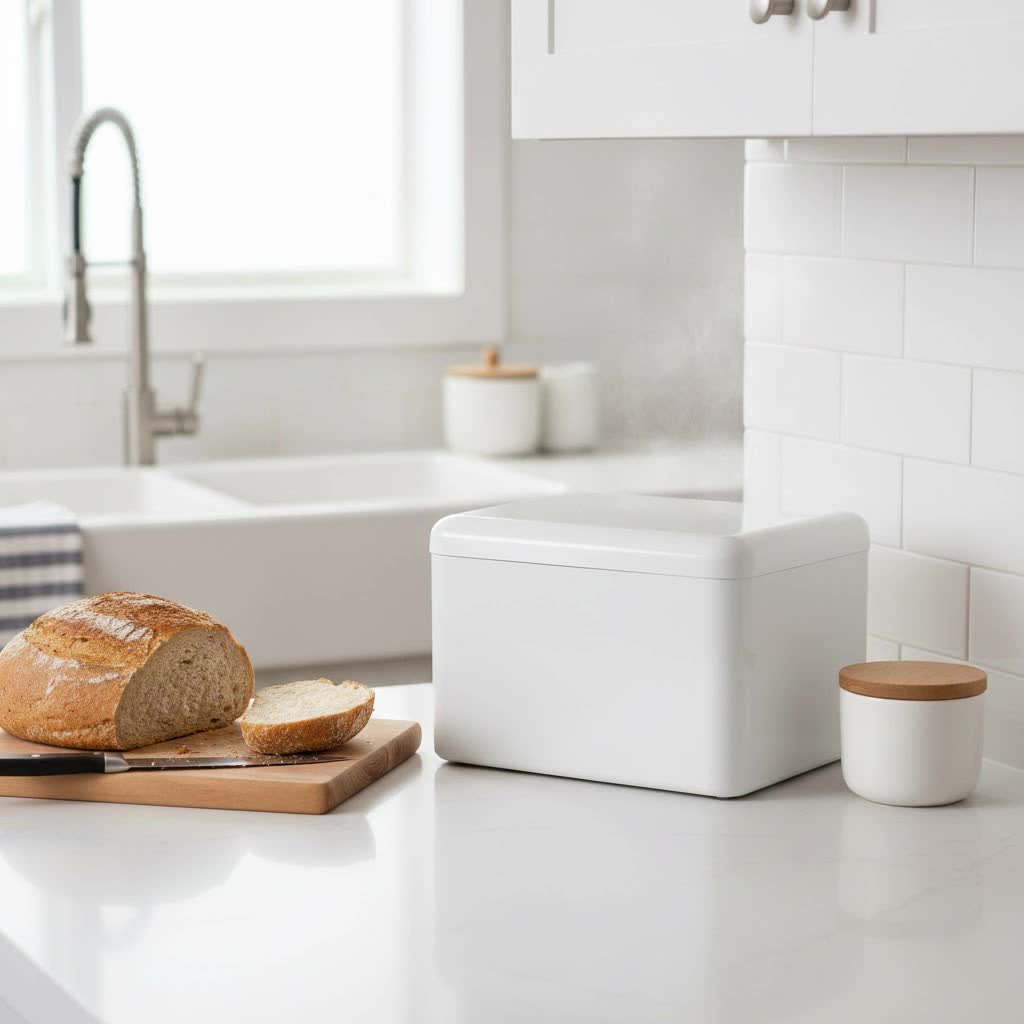
A wooden bread box is a specialized container designed for storing bread and other baked goods, primarily to extend their freshness. Unlike airtight containers that can trap too much moisture and promote mold, or open storage that quickly leads to dryness, a quality wooden bread box provides an ideal microclimate. It works by regulating the humidity around the bread, creating an environment that slows down both the staling process and the growth of mold. This age-old method of bread preservation has been cherished for centuries, proving its efficacy through generations of home bakers and bread enthusiasts.
Why Choose a Wooden Bread Box? The Natural Advantage
Opting for a wooden bread box brings a host of benefits, leveraging the natural properties of wood to create an optimal storage environment for your baked goods.
Keeping Bread Fresh Longer
|
Our Picks for the Best Bread Box in 2026
We may earn a commission when you use one of our links to make a purchase.
|
||
| Num | Product | Action |
|---|---|---|
| 1 | ZICOTO Beautiful Bread Box With Wooden Lid For Your Kitchen Countertop - Spacious Container Perfectly Stores Your Homemade Bread, English Muffins & Bagels - Quality Cutting Board Lid Keeps Loaf Fresh |

|
| 2 | Amazon Basics Carbon Steel Bread Box with Acacia Wood Lid, Lid Doubles as Cutting Board, 11.9 x 7.1 x 5.2 in. |
|
| 3 | Bread Box Bread Boxes for Kitchen Counter Airtight, Time Recording Bread Storage Container with Lid, Bread Keeper for Homemade Bread, Toast, Bagel, Donut and Cookies, Grey |
|
| 4 | Fullin Bread Box for Kitchen Countertop, Bread Storage Container Large Capacity Bamboo Homemade Bread Boxes, Bread Food Holder Organizer with Acrylic Window for Kitchen Counter, Panry Shelf, Cabinet |
|
| 5 | Bamboo Bread Box for Kitchen Counter-Large Capacity Bread Storage Container Farmhouse Bread Box with Window Bread Holder |
|
| 6 | Double Layer Bread Box for Kitchen Countertop, Large Breadbox Bread Container Storage with Windows, Wooden Farmhouse Bread Holder (Black) |
|
| 7 | Black Corner Bread Box for Kitchen Countertop, Large Bread Container Storage Bamboo Wooden Farmhouse Bread Box with Window Bread Holder |
|
| 8 | ROYALHOUSE Natural Bamboo Roll Top Bread Box Kitchen Food Storage - Assembly Required |
|
| 9 | 2 Pack Glass Loaf Pan with Lid, 1.9QT/ 62 OZ Bread Pan - Baking Dish with Airtight Lids BPA free - Meatloaf Pans For Homemade Bread, Baking, Cakes, Dessert,Microwave & Oven Safe |
|
| 10 | Sunhoo Bread Box for Kitchen Countertop Wooden Bread Storage Container Bin 2 Layer Breadbox Holder Large Capacity Keeper Vintage Farmhouse Food Organizer Pantry Shelf Acrylic Window (Brown) |
|
Wood possesses a unique ability to absorb and release moisture, making it an excellent material for bread storage. This natural breathability helps to maintain a balanced humidity level inside the box. It prevents your bread from drying out and becoming stale too quickly, while also avoiding excessive moisture that can lead to sogginess. This delicate balance is key to preserving the bread’s texture and flavor.
Preventing Mold and Staleness
The regulated humidity within a wooden bread box acts as a natural barrier against both mold growth and rapid staleness. By preventing the accumulation of condensation, which is a prime catalyst for mold, and simultaneously slowing the evaporation of moisture from the bread, these boxes significantly extend the shelf life of your loaves. This means less food waste and more enjoyment from every slice.
Protection from Pests
A sturdy wooden bread box provides a robust physical barrier against common kitchen pests such as ants, flies, and other unwelcome critters. Keeping your bread safely enclosed not only protects it from contamination but also ensures it remains hygienic and ready for consumption.
Kitchen Aesthetics and Organization
Beyond its practical benefits, a wooden bread box adds a touch of warmth, charm, and elegance to any kitchen decor. Available in various finishes and styles, from rustic farmhouse to sleek modern, it can complement your interior design beautifully. Moreover, it serves as an excellent organizational tool, clearing countertop clutter and providing a designated, attractive home for your bread.
Eco-Friendly Choice
Choosing a wooden bread box is often a more sustainable option. Wood, especially from responsibly managed forests, is a renewable resource. A well-crafted wooden bread box is durable and built to last for many years, reducing the need for frequent replacements and contributing to a more eco-conscious lifestyle.
Exploring Types of Wooden Bread Boxes
Wooden bread boxes come in a delightful array of wood types, designs, and features, each offering distinct advantages.
By Wood Type
The type of wood used significantly impacts the bread box’s durability, appearance, and even its moisture-regulating properties.
- Bamboo: A highly sustainable and fast-growing grass, bamboo is a popular choice for its lightweight nature, natural antimicrobial properties, and often more affordable price point. Bamboo bread boxes tend to have a light, modern aesthetic.
- Acacia: Known for its rich, varied grain and impressive durability, acacia wood is resistant to water and scratches, making it a robust option. Acacia bread boxes often bring a warm, exotic feel to the kitchen.
- Beechwood: A dense and hard wood, beech is prized for its strength, smooth finish, and classic, uniform appearance. It’s excellent for retaining a stable moisture level, offering a traditional European look.
- Pine/Fir: These softer woods are frequently used for more rustic or farmhouse-style bread boxes. They are lightweight and often more budget-friendly, though they may require a good sealant to enhance durability and moisture resistance.
By Design and Features
Beyond the wood itself, the design and additional features play a crucial role in functionality and user experience.
- Roll-Top (or Roll-Front): This classic design features a curved door that slides open and closed, often tucking neatly into the back of the box. Roll-top bread boxes are space-saving as they don’t require extra clearance for a lid to lift up, making them ideal for smaller kitchens or under cabinets.
- Lift-Top (or Flip-Top): Characterized by a simple lid that lifts completely off or flips open on hinges. Many lift-top designs cleverly incorporate a cutting board on the underside of the lid, offering dual functionality and convenience.
- Drawer-Style: Some bread boxes are designed to integrate seamlessly into kitchen cabinetry or appear as standalone units with pull-out drawers. These can be multi-tiered, offering storage for various baked goods.
- Ventilation: Proper airflow is critical for a bread box. Many wooden designs include small, strategically placed ventilation holes or gaps. These allow for gentle air circulation, preventing excessive humidity buildup and further deterring mold, without letting the bread dry out too quickly.
- Integrated Cutting Boards: A highly practical feature, often found on lift-top models, where the lid doubles as a surface for slicing bread. This not only saves space but also minimizes crumbs on your countertop.
Wooden vs. Other Materials: A Quick Comparison
While other materials like metal and plastic are common for bread storage, wood offers distinct advantages. Metal bread bins can sometimes trap condensation, leading to a “sweaty” environment that encourages mold. They are also less breathable, potentially drying out bread faster if not designed with adequate ventilation. Plastic containers, while often airtight, can also trap too much moisture, creating a breeding ground for mold, and may not offer the same aesthetic appeal or long-term durability as wood. Wood’s natural ability to manage humidity sets it apart, providing a balanced environment that truly extends bread freshness.
How to Choose the Perfect Wooden Bread Box
Selecting the right wooden bread box involves considering your specific needs, kitchen space, and aesthetic preferences.
Assess Your Bread Storage Needs
Start by evaluating how much bread you typically store and how your kitchen is set up.
- Size Matters: Consider the quantity and size of the bread you usually buy or bake. Do you need to store multiple loaves, a variety of rolls, bagels, or pastries? Choose a box with adequate internal dimensions.
- Kitchen Space: Measure your available countertop space or the area where you intend to place the bread box. Account for clearance if choosing a lift-top model.
- Style Preference: Align the bread box’s aesthetic with your kitchen decor. From minimalist designs to ornate carvings, wood offers versatile styling options.
Key Features to Look For
Beyond the basics, certain features can enhance the functionality and longevity of your bread box.
- Wood Quality and Finish: Opt for food-safe wood with a smooth, durable finish that is easy to clean. Unfinished wood may require more maintenance or seasoning.
- Ventilation: Ensure the box has subtle ventilation holes or a slightly less than airtight design to allow for essential air circulation, crucial for preventing mold and staleness.
- Construction: Examine the craftsmanship. Look for sturdy joints, a well-fitting lid or smoothly operating roll-top mechanism, and overall robust construction.
- Additional Functionality: Decide if you want extras like an integrated cutting board, crumb tray, or multiple compartments.
Maintenance and Care
Proper care is paramount to ensure your wooden bread box remains hygienic and functions effectively for years to come.
- Cleaning: Regularly wipe the inside and outside of your bread box with a damp cloth. For tougher spots, a small amount of mild dish soap can be used, but always ensure to dry the box thoroughly immediately afterward to prevent water damage or mold.
- Preventing Mold: Always allow freshly baked bread to cool completely before placing it in the bread box. Warm bread releases steam, which can quickly lead to condensation and mold. Also, ensure the box is regularly emptied of crumbs and kept dry.
- Oiling (for unfinished wood): If your bread box is made of unfinished or lightly treated wood, periodically apply a food-grade mineral oil. This helps to condition the wood, protect it from moisture, and enhance its natural beauty.
Top Tips for Maintaining Your Wooden Bread Box
A little routine care goes a long way in keeping your wooden bread box performing its best.
- Keep it clean and dry: Regular wiping and ensuring it’s completely dry after cleaning are your best defenses against mold.
- Allow bread to cool completely: Never put warm or hot bread into your box, as the steam will immediately cause condensation.
- Don’t overcrowd it: Give your bread some breathing room. Overpacking can restrict airflow and create a humid environment.
- Avoid placing near heat sources or direct sunlight: Extreme temperatures or direct sun can dry out or warp the wood, and also accelerate the spoilage of bread.
Frequently Asked Questions
Do wooden bread boxes really keep bread fresh?
Yes, quality wooden bread boxes are highly effective at keeping bread fresh. The natural properties of wood allow it to absorb and release moisture, creating a balanced humidity level inside that slows down staling and prevents excessive moisture accumulation, which can lead to mold.
How do I clean a wooden bread box?
To clean a wooden bread box, wipe it down regularly with a damp cloth and a small amount of mild soap if necessary. It’s crucial to dry the box thoroughly immediately afterward with a clean, dry cloth to prevent any moisture from soaking into the wood and potentially causing mold or damage.
Can I store different types of bread in one wooden bread box?
While you can, it’s generally best to store similar types of bread together. If you need to store different items, consider wrapping them individually. This helps prevent flavor transfer and ensures that items with varying moisture requirements don’t affect each other, optimizing freshness for each.
How often should I clean my wooden bread box?
For optimal hygiene and to ensure your bread stays fresh, it’s recommended to clean your bread box weekly, or certainly every time you finish a loaf and before placing a new one inside. This routine helps remove crumbs and prevents any potential mold spores from developing.
Are wooden bread boxes prone to mold?
Wooden bread boxes are less prone to mold than airtight containers due to wood’s natural breathability. However, mold can still occur if warm bread is stored inside, creating condensation, or if the box is not cleaned regularly. Proper ventilation and ensuring bread is cool and the box is dry are key preventative measures.