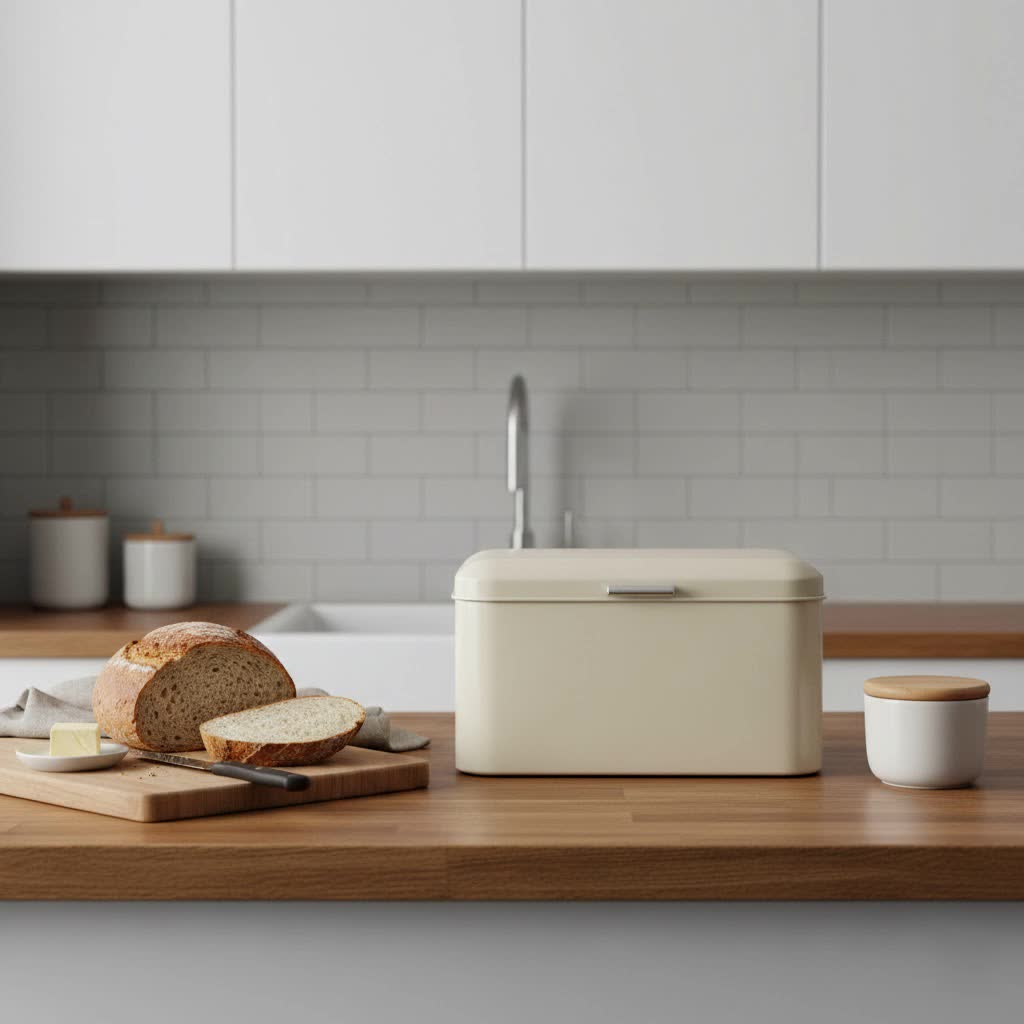
Stepping into a kitchen graced by an antique tin bread box is like taking a delightful journey back in time. These charming pieces, more than just relics of a bygone era, offer a blend of history, unique aesthetics, and practical utility that modern kitchenware often lacks. For those who appreciate the allure of vintage finds or seek optimal conditions for their homemade loaves, an antique tin bread box presents an irresistible appeal.
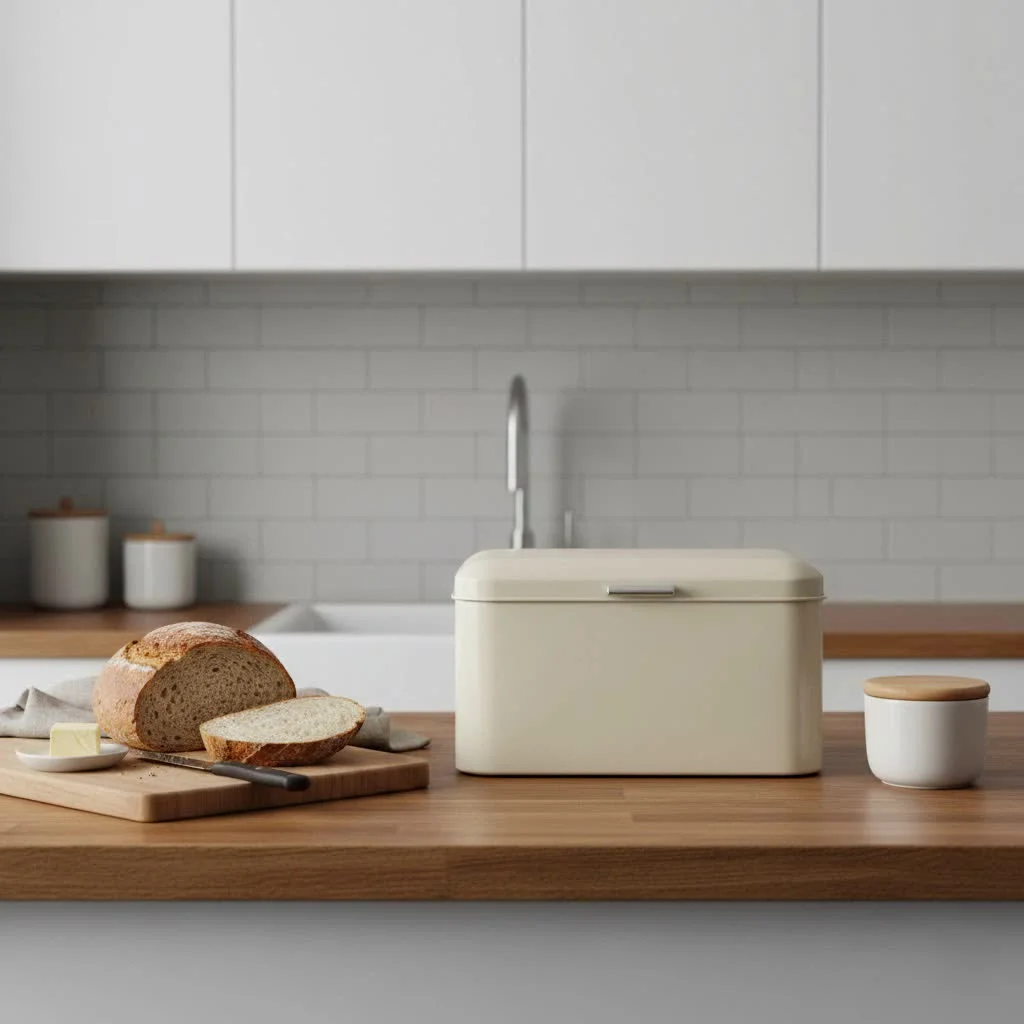
What is an Antique Tin Bread Box?
An antique tin bread box is essentially a specialized container designed to store bread and other baked goods, primarily to extend their freshness. Before the widespread use of preservatives in commercially baked bread and the advent of plastic packaging, bread boxes were an indispensable kitchen item found in almost every home.
The concept of keeping bread fresh in a dedicated container dates back centuries, but the bread box as we know it gained prominence in the late 19th and early 20th centuries. The Smithsonian even houses a bread box from the late 1800s, originally used for transporting bread. Stanley Walter Krebs patented a version in 1918, and interestingly, Otto Frederick Rohwedder, the inventor of the automatic bread-slicing machine in 1928, also introduced the bread box as a companion to his innovation. Their popularity peaked in the 1920s, a golden age for household inventions, before slowly declining as mass-produced bread with longer shelf lives became the norm. Today, they are cherished by collectors, bakers, and those seeking a touch of vintage elegance in their kitchens.
Why Choose an Antique Tin Bread Box?
The appeal of an antique tin bread box goes far beyond its nostalgic charm. These containers were ingeniously designed to tackle the challenge of keeping bread fresh without refrigeration, and their principles remain highly relevant for artisan and homemade breads today.
First and foremost, a tin bread box creates an ideal microclimate for bread. Bread stales not primarily by drying out, but through a process called retrogradation, where starch molecules crystallize. This process accelerates in cooler temperatures, which is why refrigerating bread can actually make it go stale faster. A bread box maintains a consistent room temperature, significantly prolonging the bread’s edible life. The material itself, tin, helps regulate internal temperature, preventing extreme fluctuations.
A well-designed tin bread box offers a balance of airflow and protection. Its lid, while snug enough to deter pests like mice and insects, typically isn’t completely airtight. This slight ventilation is crucial; it prevents condensation build-up inside the box, which can lead to mold, while still slowing down the drying process. This optimal environment means your crusty sourdough stays crispier and your soft sandwich loaf remains tender for days longer than if left on the counter or even in a plastic bag.
Beyond functionality, antique tin bread boxes bring unparalleled character and durability to a kitchen. They are a sustainable choice, repurposing a well-made item rather than contributing to consumerism. Their designs, often featuring hand-painted details or unique vintage typography, serve as a conversation piece and a tangible link to culinary history.
The Evolution of Tin Bread Boxes: Styles and Eras
Antique tin bread boxes showcase a fascinating progression of design and artistry, reflecting the trends and manufacturing capabilities of their time. The choice of tin as a material allowed for a variety of shapes, decorative finishes, and practical features.
Early 20th Century Designs
|
Our Picks for the Best Bread Box in 2026
As an Amazon Associate I earn from qualifying purchases.
|
||
| Num | Product | Action |
|---|---|---|
| 1 | Sunhoo Bread Box for Kitchen Countertop Wooden Bread Storage Container Bin 2 Layer Breadbox Holder Large Capacity Keeper Vintage Farmhouse Food Organizer Pantry Shelf Acrylic Window (Brown) |

|
| 2 | Bread Box Bread Boxes for Kitchen Counter Airtight, Time Recording Bread Storage Container with Lid, Bread Keeper for Homemade Bread, Toast, Bagel, Donut and Cookies, Grey |
|
| 3 | Double Layer Bread Box for Kitchen Countertop, Large Breadbox Bread Container Storage with Windows, Wooden Farmhouse Bread Holder (Black) |
|
| 4 | Fullin Bread Box for Kitchen Countertop, Bread Storage Container Large Capacity Bamboo Homemade Bread Boxes, Bread Food Holder Organizer with Acrylic Window for Kitchen Counter, Panry Shelf, Cabinet |
|
| 5 | Bamboo Bread Box for Kitchen Counter-Large Capacity Bread Storage Container Farmhouse Bread Box with Window Bread Holder |
|
| 6 | Amazon Basics Carbon Steel Bread Box with Acacia Wood Lid, Lid Doubles as Cutting Board, 11.9 x 7.1 x 5.2 in. |
|
| 7 | ZICOTO Beautiful Bread Box With Wooden Lid For Your Kitchen Countertop - Spacious Container Perfectly Stores Your Homemade Bread, English Muffins & Bagels - Quality Cutting Board Lid Keeps Loaf Fresh |
|
| 8 | Black Corner Bread Box for Kitchen Countertop, Large Bread Container Storage Bamboo Wooden Farmhouse Bread Box with Window Bread Holder |
|
| 9 | ROYALHOUSE Natural Bamboo Roll Top Bread Box Kitchen Food Storage - Assembly Required |
|
| 10 | 2 Pack Glass Loaf Pan with Lid, 1.9QT/ 62 OZ Bread Pan - Baking Dish with Airtight Lids BPA free - Meatloaf Pans For Homemade Bread, Baking, Cakes, Dessert,Microwave & Oven Safe |
|
In the early part of the 20th century, tin bread boxes often featured robust construction with an emphasis on utility. Common styles included large, rectangular boxes, sometimes with curved, hinged doors that opened outward. These were frequently unadorned or featured simple embossed patterns, focusing on their primary role in food preservation. A key characteristic to look for in these older pieces is often hand-soldered seams, indicating pre-1940s manufacturing methods. The use of thicker gauge metal also contributed to their substantial weight and durability.
Mid-Century Modern Aesthetics
The mid-20th century saw a vibrant shift in kitchen aesthetics, and tin bread boxes evolved to match. From the 1930s through the 1970s, many tin bread boxes embraced brighter colors, playful patterns, and more streamlined forms. Brands like Ransburg became highly sought after for their distinctive hand-painted designs, often depicting florals, fruits, or charming country scenes. Other notable manufacturers like Cheinco, Decoware, Harvell, and Empeco also produced a variety of colorful and stylized tin bread bins during this era, making them popular collector’s items today. These pieces often feature roll-top or flip-top lids, designed for easy access and a sleek countertop presence.
Enamelled vs. Plain Tin
Tin bread boxes frequently came in two main finishes: plain tin or enamelled tin. Plain tin, often lacquered or painted, offered a straightforward, industrial aesthetic that could be easily customized. Enamelled tin, however, provided a more durable, glossy finish that was easier to clean and resistant to rust, though prone to chipping if mishandled. The enamel often allowed for more intricate color work and patterns, adding to the decorative appeal of the bread box.
Identifying an Authentic Antique Tin Bread Box
Discerning a genuine antique tin bread box from a modern reproduction or simply a vintage-style piece requires a keen eye for detail. Several characteristics can help you determine the authenticity and era of a tin bread box.
Firstly, examine the construction and materials. Authentic antique tin boxes, especially those pre-dating the 1940s, often feature hand-soldered seams rather than machine spot welding. The metal itself tends to be thicker and heavier than modern counterparts. Look for the type of fasteners used: flat-head screws were prevalent before Phillips-head screws became common after the 1930s. Hinges, if present, were typically made of robust cast iron or brass, often exhibiting a natural patina consistent with age.
Secondly, observe the design and craftsmanship. Hand-painted lettering and designs, as opposed to decals, are strong indicators of an older piece. You might notice slight inconsistencies in the artwork or hand-applied pin striping, which are hallmarks of manual craftsmanship. Some antique boxes may have vent holes, strategically placed to ensure optimal airflow for bread preservation.
Finally, signs of natural aging are crucial. Authentic antique tin bread boxes will inevitably show some wear, such as surface rust, faded paint, minor dents, or a charming patina. These are not flaws but rather markers of their journey through time. Be wary of pieces that appear too “perfect” unless they have been professionally restored, and even then, look for underlying signs of age.
Caring for and Restoring Your Antique Tin Bread Box
An antique tin bread box, despite its age, can continue to serve its purpose for years with proper care. Even if it’s destined purely for display, some maintenance can preserve its charm.
Basic Cleaning and Maintenance
Regular cleaning is simple: wipe the interior and exterior with a soft cloth dampened with warm, soapy water. Avoid harsh abrasives or chemical cleaners, which can damage original paint or finishes. Ensure the box is thoroughly dried before storing bread to prevent moisture buildup and mold. For everyday bread storage, lining the bottom with a clean tea towel can also help absorb excess moisture and cradle your loaf.
Rust Removal Techniques
Rust is a common issue with older tin items. For light rust or stains, a paste made of baking soda and water can be effective. Apply it, let it sit for a couple of hours, then scrub gently with a soft brush or steel wool. For more extensive rust, a solution of white vinegar and salt can be used for soaking, though this requires careful monitoring to avoid damaging the metal. For stubborn rust, commercial rust converters or oxalic acid (used with proper safety precautions in a well-ventilated area) can be employed, transforming rust into a paintable surface. Always test any method on an inconspicuous area first. After rust removal, rinse and dry thoroughly.
Repainting vs. Preserving Original Patina
The decision to repaint or preserve the original patina depends on the box’s condition and your aesthetic preference. Many collectors value the authentic, aged look. If you choose to preserve the original finish, a very light application of linseed oil can help enrich faded colors and protect the surface, making dull pieces “pop” without altering their antique allure.
However, if the original paint is heavily chipped, rusted, or unattractive, repainting can give an antique bread box a new lease on life. Start by thoroughly cleaning and removing loose rust. A primer, especially a rust-inhibiting one, is crucial before applying several coats of spray paint. For older wooden components or areas with raw wood, a shellac primer can prevent bleed-through and ensure an even finish.
Repurposing Antique Tin Bread Boxes
Even if you don’t bake bread, an antique tin bread box offers a multitude of creative repurposing possibilities, adding a unique touch to any room.
- Decorative Accent: Simply display it as a standalone piece in your kitchen, living room, or even a bathroom. Its vintage charm instantly elevates the decor.
- Storage Solution: Use it to organize various items. In the kitchen, it can hold snacks, cookbooks, or small utensils. In a craft room, it’s perfect for art supplies like paints, brushes, or yarn. In an office, it can store mail, bills, or charging cables (with careful modification for cable access).
- Planter or Centerpiece: Line it with a plastic bag and use it to house herbs, small plants, or seasonal floral arrangements.
- Charging Station: Drill discreet holes in the back for cables and use it to neatly store and charge phones, tablets, and other electronics, keeping countertops clutter-free.
- Bathroom Organizer: Store toiletries, hand towels, or even hair accessories in a stylish, vintage manner.
Factors Influencing Value and Collectibility
The value of an antique tin bread box can vary significantly based on several factors, making it an exciting hunt for collectors.
Condition is paramount. Boxes with original, intact paint, strong hinges, minimal rust, and no significant dents or damage typically command higher prices. While a charming patina is desirable, heavy deterioration can reduce value.
Rarity and Manufacturer play a crucial role. Some brands are more collectible than others due to their unique designs or limited production runs. Ransburg bread boxes, with their distinctive hand-painted designs, are particularly sought after. Other manufacturers like Waechtersbach, Cheinco, and Decoware are also popular among vintage enthusiasts.
Design and Aesthetics heavily influence desirability. Unique shapes, vibrant colors, intricate patterns, and specific artistic motifs (e.g., Art Deco, Mid-Century Modern graphics) can make a bread box more valuable. Double-decker bread boxes, which offered additional storage, are also considered highly collectible.
The story and provenance of a particular bread box can also add to its allure, though this is often harder to verify. The market for antique tin bread boxes is driven by a blend of historical significance, aesthetic appeal, and emotional connection to the past.
Conclusion
The antique tin bread box stands as a beautiful shows a time when household items were crafted with both utility and enduring charm in mind. Whether you’re a seasoned collector, a home baker, or simply someone looking to infuse your living space with a touch of history, these timeless pieces offer tangible benefits for bread preservation and an undeniable aesthetic appeal. By understanding their history, identifying authentic features, and providing proper care, you can ensure that your antique tin bread box continues to tell its story and serve its purpose for generations to come.
What cherished memories could an antique tin bread box evoke in your home?
Frequently Asked Questions
How long does bread stay fresh in an antique tin bread box?
When stored in an antique tin bread box, a loaf of bread can typically remain fresh for at least 5-7 days, often several days longer than if left on the counter or in plastic packaging. The box’s ability to maintain a consistent room temperature and allow slight airflow helps prevent both drying and mold.
How do I clean rust from an antique tin bread box without damaging it?
For light rust, a paste of baking soda and water, gently scrubbed, can be effective. For more extensive rust, a soak in a white vinegar and salt solution, followed by scrubbing with steel wool or a brush, can work. Always test a small, inconspicuous area first and dry the box thoroughly immediately after cleaning to prevent further rusting.
What are the key signs to identify a truly antique tin bread box?
Look for hand-soldered seams (pre-1940s), thicker metal construction, flat-head screws (before 1930s), cast iron or brass hinges with natural patina, and hand-painted designs or lettering instead of decals. Natural signs of age like faded paint or surface rust also indicate authenticity.
Can I still use an antique tin bread box for food storage?
Yes, absolutely! If the interior is clean and free of heavy rust or flaking paint, an antique tin bread box is perfectly suitable for storing bread. You can also line it with parchment paper or a clean tea towel for added protection and hygiene.
Are antique tin bread boxes valuable?
Some antique tin bread boxes can be quite valuable, especially those in good condition, from desirable manufacturers like Ransburg, or featuring unique, hand-painted designs. Their value is influenced by rarity, age, and overall aesthetic appeal to collectors and decorators.
Cooking gear we tested in our own kitchens
Free PDF — preheat times measured on 10 popular air fryers.
