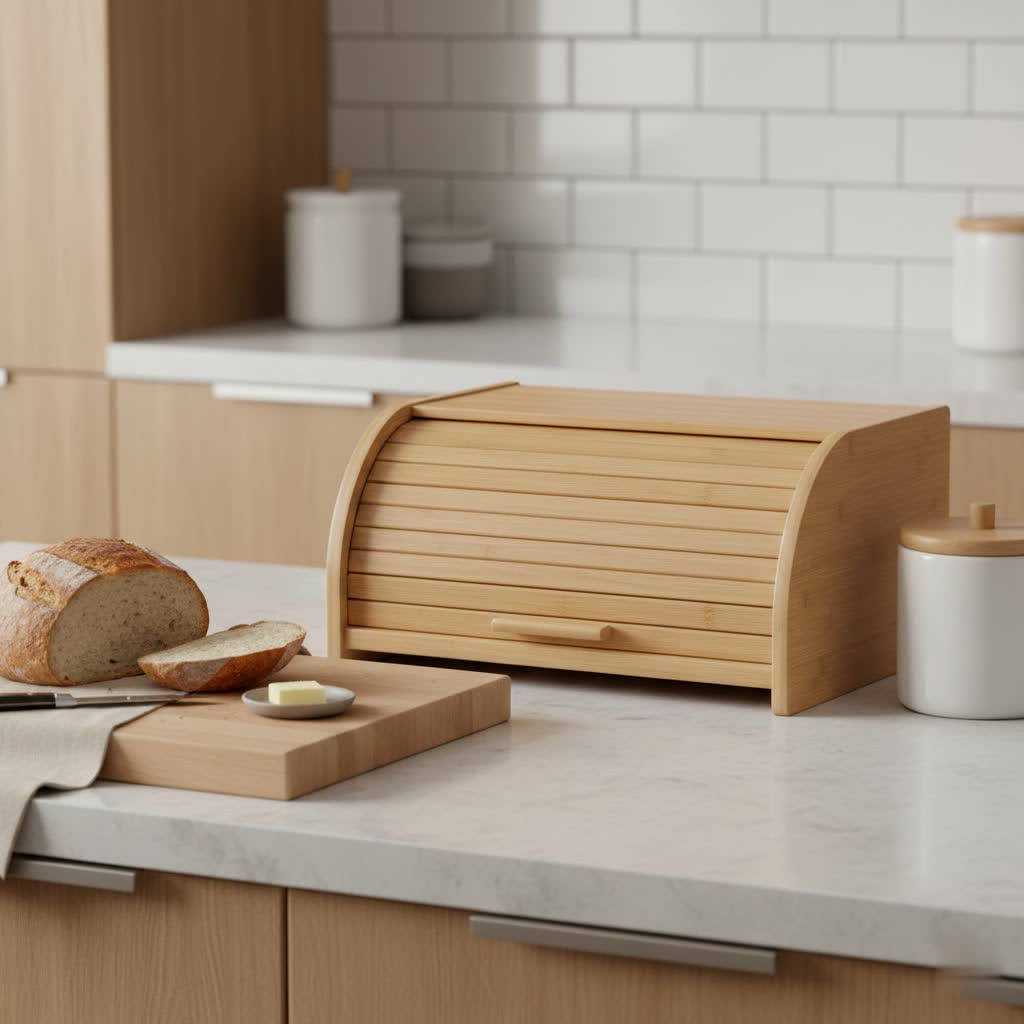
Ever wonder why your artisan sourdough turns into a rock or your sandwich loaf gets moldy too fast? You’re not alone. The way we store bread significantly impacts its freshness and flavor. Enter the humble yet essential bread box – the classic, elegant solution designed to extend the life and taste of your beloved baked goods. This guide will dive into what makes a bread box indispensable, explore various types and materials, and equip you with the knowledge to select the ideal one, ensuring your bread remains perfectly fresh, slice after delicious slice.
What is a Bread Box?
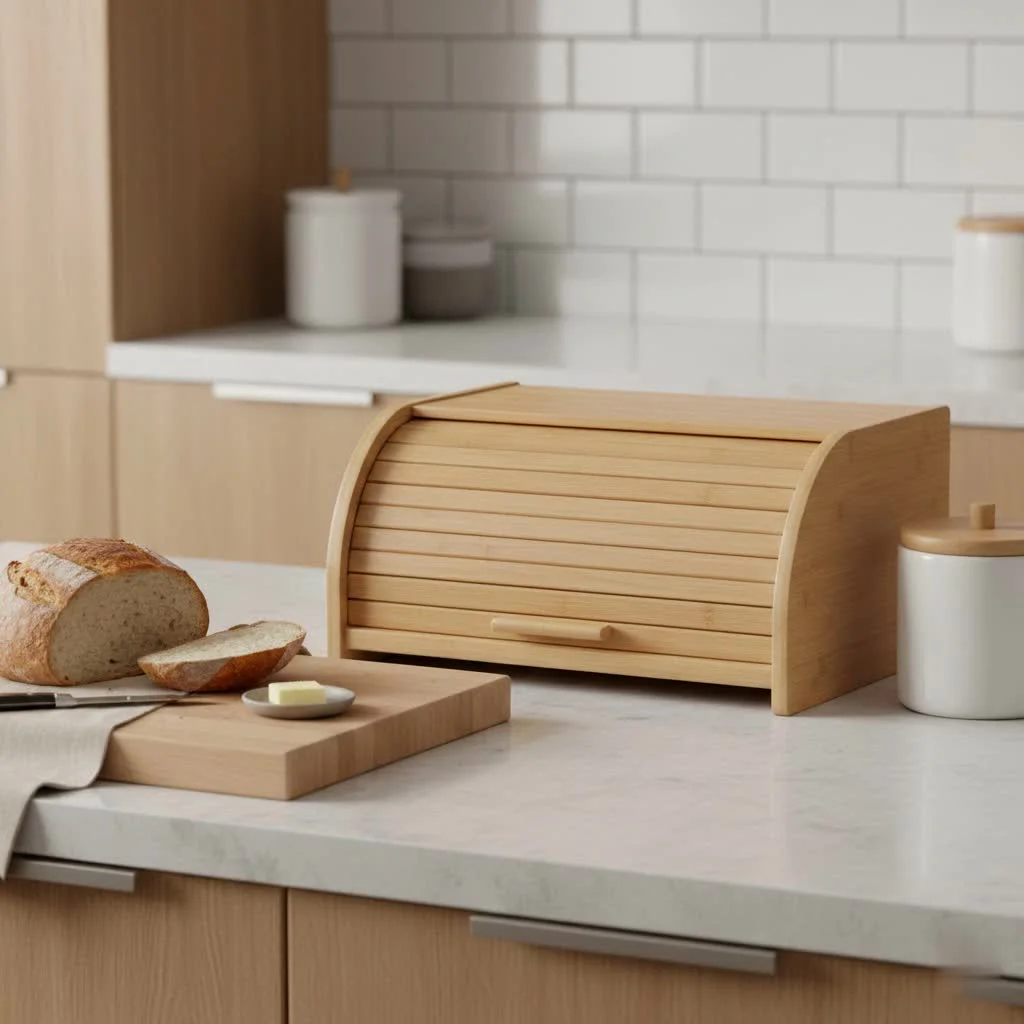
A bread box is a dedicated kitchen container crafted for storing bread and other baked goods, specifically engineered to maintain optimal freshness by carefully regulating humidity and airflow. More than just a simple container, it’s an aesthetically pleasing storage option that protects your loaves from environmental factors that lead to spoilage. For complete kitchen organization library on this site.
The genius of a bread box lies in its function: it acts as a balanced microclimate for your bread. It prevents bread from drying out too quickly, a common issue when loaves are left exposed on the countertop. Conversely, it avoids the pitfalls of completely sealed environments, like plastic bags, which can trap too much moisture and create a breeding ground for anaerobic mold. By allowing just the right amount of air circulation, a bread box locks in essential moisture to keep bread soft and palatable, while simultaneously deterring the growth of undesirable mold. While the exact origins are a bit hazy, bread boxes have been a staple in kitchens for centuries, evolving from simple wooden chests to the diverse designs we see today.
Why You Need a Bread Box
Owning a bread box offers a multitude of benefits, transforming your bread storage from a constant battle against staleness and mold into a simple, effective routine.
Keep Bread Fresh Longer
The primary reason to invest in a bread box is its superior ability to preserve freshness. Bread boxes create a balanced environment, trapping enough moisture to prevent your bread from quickly drying out and becoming hard. At the same time, they allow some airflow to deter moisture buildup, a key factor in mold prevention. This controlled atmosphere can extend the freshness of your bread for several days, and sometimes even up to a week, far surpassing other common storage methods.
Prevent Mold and Bacteria
For many, mold is the ultimate bread nemesis. Storing bread in airtight plastic bags, while seemingly protective, can actually be counterproductive as it traps moisture, creating ideal conditions for mold to thrive. A well-designed bread box mitigates this risk by regulating humidity, allowing for just enough air exchange to discourage mold growth, keeping your loaves safer for longer.
Protect Bread from Pests
|
Our Picks for the Best Bread Box in 2026
As an Amazon Associate I earn from qualifying purchases.
|
||
| Num | Product | Action |
|---|---|---|
| 1 | Double Layer Bread Box for Kitchen Countertop, Large Breadbox Bread Container Storage with Windows, Wooden Farmhouse Bread Holder (Black) |

|
| 2 | 2 Pack Glass Loaf Pan with Lid, 1.9QT/ 62 OZ Bread Pan - Baking Dish with Airtight Lids BPA free - Meatloaf Pans For Homemade Bread, Baking, Cakes, Dessert,Microwave & Oven Safe |
|
| 3 | Bread Box Bread Boxes for Kitchen Counter Airtight, Time Recording Bread Storage Container with Lid, Bread Keeper for Homemade Bread, Toast, Bagel, Donut and Cookies, Grey |
|
| 4 | ROYALHOUSE Natural Bamboo Roll Top Bread Box Kitchen Food Storage - Assembly Required |
|
| 5 | ZICOTO Beautiful Bread Box With Wooden Lid For Your Kitchen Countertop - Spacious Container Perfectly Stores Your Homemade Bread, English Muffins & Bagels - Quality Cutting Board Lid Keeps Loaf Fresh |
|
| 6 | Fullin Bread Box for Kitchen Countertop, Bread Storage Container Large Capacity Bamboo Homemade Bread Boxes, Bread Food Holder Organizer with Acrylic Window for Kitchen Counter, Panry Shelf, Cabinet |
|
| 7 | Black Corner Bread Box for Kitchen Countertop, Large Bread Container Storage Bamboo Wooden Farmhouse Bread Box with Window Bread Holder |
|
| 8 | Amazon Basics Carbon Steel Bread Box with Acacia Wood Lid, Lid Doubles as Cutting Board, 11.9 x 7.1 x 5.2 in. |
|
| 9 | Bamboo Bread Box for Kitchen Counter-Large Capacity Bread Storage Container Farmhouse Bread Box with Window Bread Holder |
|
| 10 | Sunhoo Bread Box for Kitchen Countertop Wooden Bread Storage Container Bin 2 Layer Breadbox Holder Large Capacity Keeper Vintage Farmhouse Food Organizer Pantry Shelf Acrylic Window (Brown) |
|
Beyond invisible threats like mold, bread boxes also serve as a sturdy physical barrier against common kitchen pests. From curious insects to tiny rodents, a secure bread box keeps unwanted visitors away from your precious loaves, ensuring your food remains hygienic and uncontaminated.
Create a Tidy and Aesthetic Kitchen Space
Functionality aside, bread boxes significantly contribute to kitchen organization and aesthetics. Instead of cluttered countertops with various bread bags and wrappers, a bread box provides a designated, attractive home for your baked goods. Available in a myriad of styles, materials, and colors, a bread box can seamlessly integrate into your existing decor, enhancing the overall look and feel of your kitchen.
Popular Types of Bread Boxes
Bread boxes come in a diverse range of materials and designs, each offering unique advantages and catering to different kitchen styles and needs.
By Material
The material of your bread box plays a crucial role in its performance, durability, and aesthetic appeal.
-
Wood:
- Pros: Wood, especially varieties like olivewood or bamboo, offers a natural, rustic charm that can beautifully complement many kitchen decors. Its porous nature allows for natural breathability, helping to regulate moisture and keep bread soft. Olivewood is particularly noted for its durability and tendency to improve in appearance with age, while bamboo is a lightweight and sustainable choice.
- Cons: Wooden bread boxes can absorb odors over time if not properly maintained. Some types, like olivewood, may require periodic conditioning with food-safe mineral oil to keep the wood supple and shiny. They can also be more expensive than other materials.
- Care: Regular cleaning with a damp cloth and thorough drying is essential. For certain woods, periodic application of mineral oil is recommended.
-
Metal:
- Pros: Metal bread boxes, often made from stainless steel or aluminum, lend a sleek, modern, or even vintage retro look to kitchens. Thicker stainless steel models are generally sturdy and durable.
- Cons: Thinner metal boxes can be prone to denting or scratching. Shiny surfaces, like stainless steel, can easily show smudges and fingerprints, requiring more frequent cleaning. If lacking proper ventilation, metal can trap moisture, potentially leading to mold.
- Care: Easy to wipe clean with a damp sponge and soapy water, but ensure complete drying to prevent rust or moisture buildup.
-
Plastic:
- Pros: Plastic bread boxes are typically lightweight and the most inexpensive option available.
- Cons: They are generally less effective at maintaining optimal humidity levels compared to wood or ceramic. Some lower-quality plastics may impart a slight taste to bread, though BPA-free options are common. Durability varies greatly, with some being flimsy.
- Care: Very easy to clean with soap and water.
-
Ceramic:
- Pros: Ceramic bread boxes are often highly decorative and can be a beautiful accent in a kitchen. They offer stable temperature regulation, providing good insulation for bread.
- Cons: These boxes tend to be heavier and, being ceramic, are more prone to breaking if dropped.
- Care: Hand wash and ensure complete drying.
By Design/Lid Style
The way a bread box opens can significantly impact its usability and how it fits into your kitchen workflow.
- Roll-Top: These bread boxes feature a lid that rolls back into the box, much like a garage door. This design is excellent for saving counter space, as the lid doesn’t swing out. It also allows you to place items on top of the bread box without obstructing access to the bread.
- Flip-Top (or Drop-Down): With a hinged lid, these boxes open upwards or downwards, providing full access to the interior. Some flip-top lids are designed to lie flat on the countertop when open, and a few even feature a built-in cutting board for added convenience.
- Lift-Off Lid: This is the simplest design, where the lid simply lifts off the top, similar to a cookie jar. Some wooden lift-off lids are reversible and can double as a cutting board, offering practical versatility.
- Wall-Mounted/Drawer: While less common in standard retail, some bread storage solutions are designed to be wall-mounted, saving precious counter space, or integrated as a pull-out drawer within custom cabinetry for a seamless look.
Comparing Popular Bread Box Materials
Choosing the right bread box often comes down to balancing functionality, aesthetics, and maintenance. Here’s a comparison of common materials:
| Feature | Wood (e.g., Olivewood, Bamboo) | Metal (e.g., Stainless Steel) | Plastic (e.g., BPA-free) | Ceramic |
|---|---|---|---|---|
| Aesthetics | Rustic, natural, warm | Modern, sleek, industrial, or vintage | Basic, utilitarian | Decorative, classic, often artistic |
| Durability | Good (especially hardwoods like olivewood); can last for decades with care | Good (thicker steel); thinner models prone to dents | Varies; can be flimsy; less robust | Good, but fragile if dropped |
| Ventilation | Naturally breathable (porous material) | Needs specific ventilation holes or gaps | Varies; can trap moisture if airtight | Good (provides insulation while allowing airflow) |
| Cleaning | Requires careful wiping, thorough drying; may need oiling | Easy to wipe; shiny surfaces show smudges | Very easy to clean | Easy to wipe; can be heavy to handle for cleaning |
| Price Range | Moderate to High | Low to Moderate | Low | Moderate to High |
| Key Drawback | Can absorb odors; requires specific maintenance | Prone to dents/smudges; can trap moisture without ventilation | Less effective humidity control; can look cheap | Heavy; susceptible to breaking |
How to Choose the Perfect Bread Box
Selecting the ideal bread box involves considering several factors to ensure it perfectly meets your household’s needs and complements your kitchen.
Determine Your Usage Needs
Before diving into materials and styles, take a moment to assess how you’ll use your bread box.
- Quantity of Bread to Store: Consider how much bread your household consumes and stores at any given time. If you frequently buy or bake multiple loaves, a larger capacity bread box will be necessary. For smaller households that go through a single loaf slowly, a compact bin might suffice.
- Available Kitchen Space: Bread boxes occupy counter space. Measure your available area to ensure the box fits comfortably. Some designs have a flat top that can be used for stacking other kitchen items, maximizing vertical space, while others with curved tops do not. Also, consider the height clearance under cabinets if you plan to place it beneath them.
- Kitchen Aesthetic: Your bread box is likely to be a prominent countertop item, so its style should align with your kitchen’s overall decor. Whether you prefer a rustic farmhouse, modern minimalist, vintage, or classic look, there’s a bread box design to match.
Select Material and Lid Style
Once you understand your needs, you can narrow down your choices based on material and how the box opens.
- Material Choice: Prioritize materials that excel at regulating humidity. As discussed, porous woods offer natural breathability, while metal boxes will need specific ventilation features to prevent moisture buildup. Your choice should also reflect your preferred durability and cleaning routine.
- Lid Style: Consider your daily convenience. Roll-top designs are excellent for space-saving. Hinged or lift-off lids provide full access to the interior. Many users appreciate transparent or semi-transparent lids, as they allow you to easily see what’s inside, helping you remember your bread and avoid waste.
Look for Additional Features
Some bread boxes come with extra features that can enhance their functionality and convenience.
- Ventilation: This is a non-negotiable feature. A good bread box must have small air holes or slots to ensure proper air circulation, preventing mold while keeping the bread soft. Some advanced models even offer adjustable ventilation slots, which can be particularly useful in humid climates or during warmer months when bread tends to spoil faster.
- Ease of Cleaning: Crumbs are inevitable. Look for bread boxes with removable trays or smooth, easily wipeable surfaces. This makes regular cleaning a breeze, preventing crumb accumulation and deterring potential pests or mold growth.
- Multi-functionality: Some innovative bread boxes integrate additional features, such as a lid that doubles as a cutting board or extra storage compartments for small kitchen items. These can be particularly practical for maximizing utility in smaller kitchens.
Top Bread Box Picks for a Fresh Loaf
Based on extensive testing and user reviews, several bread boxes consistently stand out for their ability to keep bread fresh, their thoughtful design, and overall value.
- Williams Sonoma Olivewood Bread Box: For those who prioritize aesthetics and high-quality materials, this olivewood bread box is a top contender. Praised for its exquisite beauty, the durable olivewood develops a richer character over time. Its clear acrylic cover provides excellent visibility, allowing you to easily see your bread supply. While a significant investment, its elegant design and effective freshness preservation make it a favorite for many.
- Oggi Stainless Steel Roll Top Bread Box: Offering excellent value, the Oggi Stainless Steel Roll Top Bread Box is a popular budget-friendly option. Its semi-transparent frosted plexiglass lid allows for a quick glance at the contents, and the roll-top design is highly convenient for counter use. This spacious box accommodates various loaves and is effective at keeping bread fresh and soft. Reviewers note it might be thinner or flimsier than premium wooden models, but it performs well for its price point.
- Granrosi Large Bread Box: If you love a rustic farmhouse aesthetic and need ample storage, the Granrosi Large Bread Box is an excellent choice. This powder-coated metal box offers a huge capacity, easily fitting multiple loaves or an assortment of baked goods, and excels at preventing mold. Its simple, effective design and good value have made it a favorite. The primary consideration is its bulky footprint, which might be a factor for kitchens with limited counter space.
“A bread box is that extra layer of defense against air and moisture that can cause bread to spoil while keeping your counter tidy.” – Meghan Splawn, Food Editor & Recipe Professional
Conclusion
Choosing the right bread box is a simple yet impactful decision that can elevate your kitchen experience. By understanding the essential role a bread box plays in regulating humidity and airflow, you can significantly extend the life and flavor of your favorite loaves, reducing waste and ensuring a delightful bite every time. From preserving freshness and preventing mold to protecting against pests and enhancing your kitchen’s aesthetic, the benefits are clear.
When making your selection, consider key factors such as material, size, ventilation, and lid style to align with your specific needs and decor. Whether you opt for the natural charm of wood, the sleekness of metal, or a modern multi-functional design, the perfect bread box is out there. With the right bread box, you can enjoy perfectly fresh bread every day. Which bread box best suits your kitchen and your love for fresh bread?
Frequently Asked Questions
Do bread boxes really work?
Yes, bread boxes are highly effective at preserving bread freshness. They create a balanced microclimate that prevents bread from drying out too quickly and from becoming soggy or moldy due to excess moisture. By carefully moderating airflow, they extend the shelf life of your baked goods.
Is it better to store bread in a plastic bag or a bread box?
A bread box is generally a superior storage solution compared to a sealed plastic bag. While plastic bags can help retain some moisture, they often trap too much, creating a humid environment where mold thrives. A bread box allows for essential airflow while maintaining sufficient humidity to prevent staleness without encouraging mold.
Can I put any type of bread in a bread box?
Most bread boxes are versatile enough to accommodate various types of bread, including artisanal boules, sliced sandwich loaves, baguettes, and even pastries or bagels. However, some specialized designs might be optimized for specific bread shapes or sizes, so it’s always good to check the capacity.
How often should I clean my bread box?
It’s recommended to clean your bread box periodically, ideally by regularly emptying crumbs. For a more thorough cleaning, wipe the interior with a damp cloth and mild soap. A vinegar and water solution can also be used. Always ensure the bread box is completely dry before storing bread again, as trapped moisture can lead to mold or mildew. Wooden boxes may benefit from occasional oiling.
Does a bread box go in the refrigerator?
No, bread boxes are specifically designed for countertop storage at room temperature. Storing bread in the refrigerator is generally discouraged as the cold temperatures and dry air inside can accelerate staling and negatively impact the bread’s flavor and texture.
Cooking gear we tested in our own kitchens
Free PDF — preheat times measured on 10 popular air fryers.
