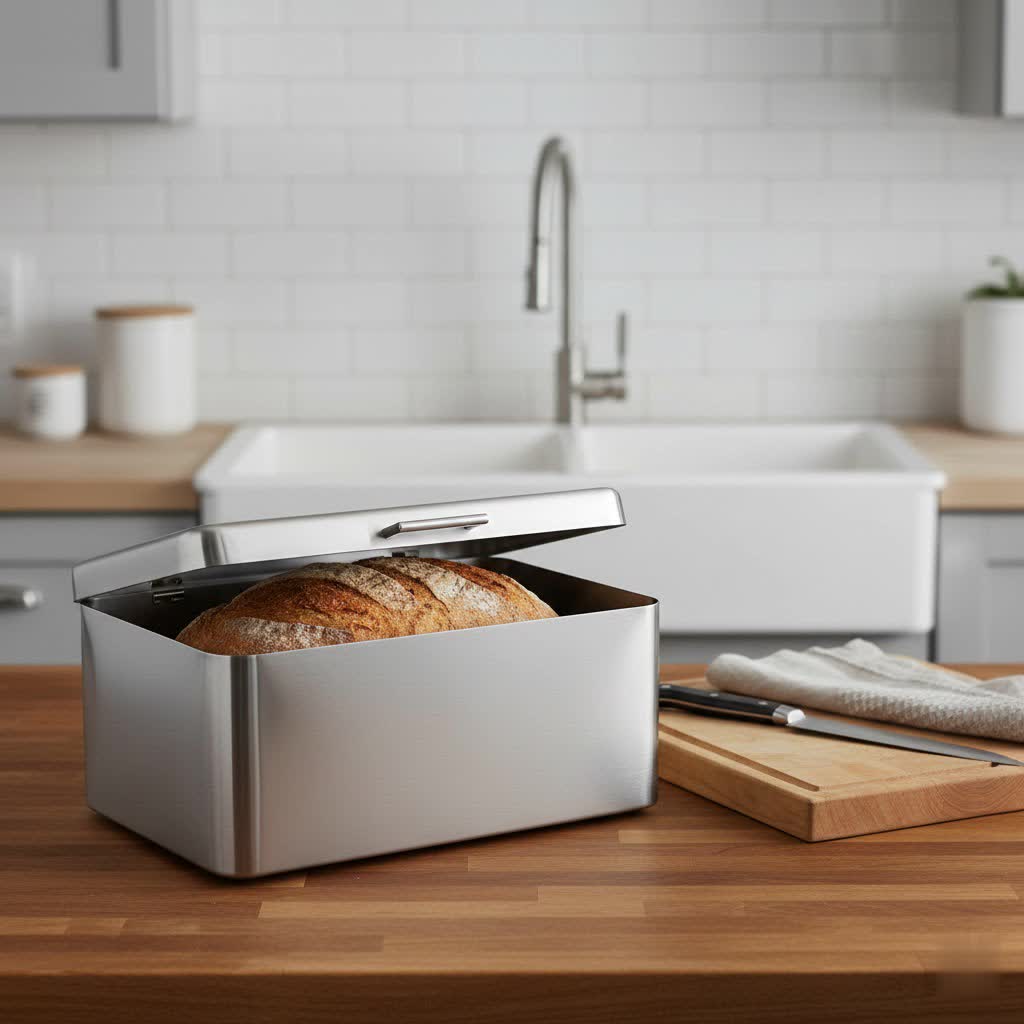
The irresistible aroma of freshly baked bread is one of life’s simple pleasures, yet keeping that perfect loaf fresh can feel like a culinary challenge. Too often, bread succumbs to staleness or mold, leaving us disappointed. But what if there was a timeless solution that not only preserved your bread’s delicious quality but also added a touch of elegance to your kitchen? Enter the ceramic bread box. This article will delve into why a ceramic bread box is an indispensable kitchen item, how it works its magic, and what to look for when choosing the perfect one to keep your cherished loaves in prime condition.
What is a Bread Box?
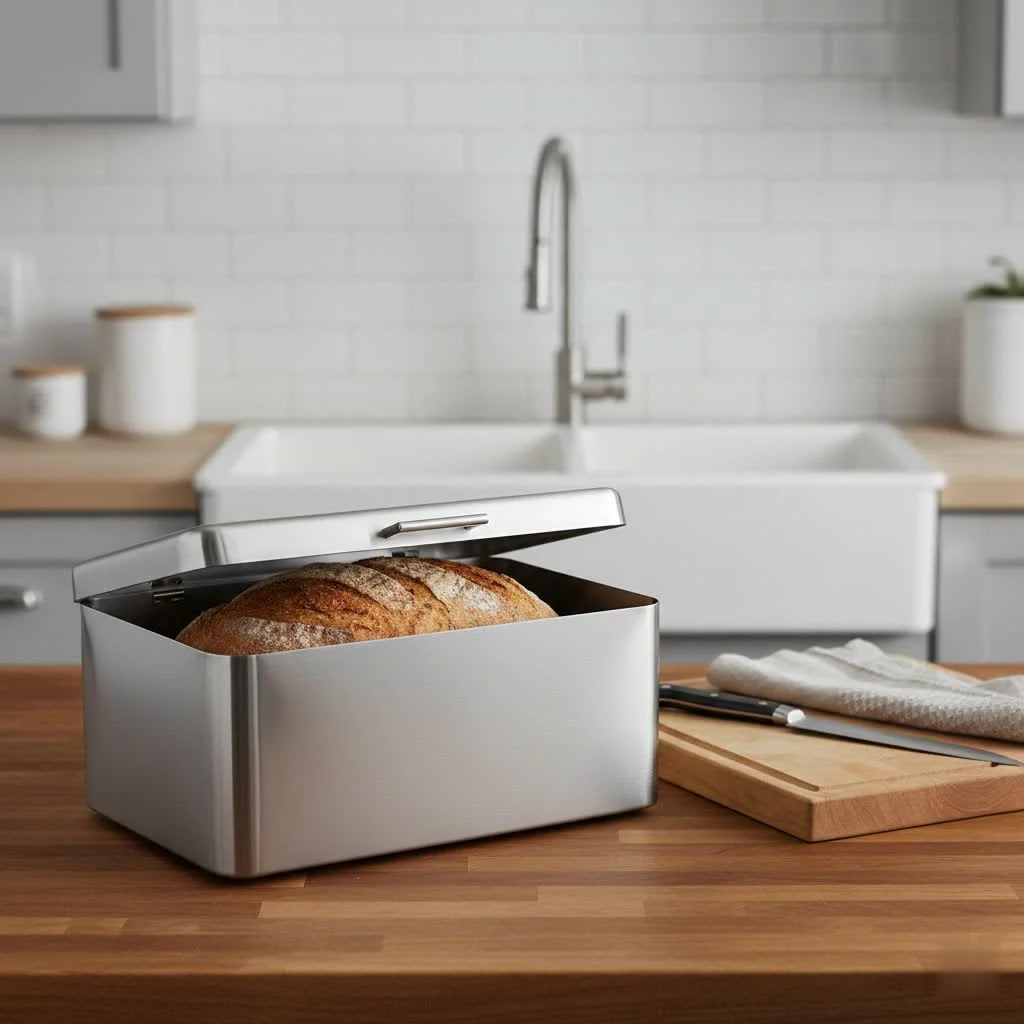
A bread box, at its core, is a specialized container designed to store bread and other baked goods, optimizing their freshness. Far more than just a simple bin, it creates a micro-environment that regulates humidity and airflow, striking a delicate balance to prevent bread from either drying out too quickly or becoming a breeding ground for mold. The concept of a dedicated bread storage container dates back centuries, with early versions often crafted from materials like clay or ceramic, highlighting their enduring effectiveness in preserving food before modern refrigeration.
Why You Need a Bread Box for Your Kitchen
Investing in a bread box, particularly a ceramic one, offers a myriad of benefits that go beyond mere storage.
- Keeps Bread Fresher Longer: The primary function of a bread box is to create a controlled atmosphere. It allows for a slight exchange of air while trapping just enough moisture to keep your bread soft and palatable, significantly extending its lifespan compared to leaving it exposed on the counter or tightly sealed in plastic.
- Prevents Mold and Staleness: A common misconception is that airtight storage is best for bread. However, true airtightness can trap too much moisture, leading to mold. A good bread box, especially ceramic with its inherent breathability, allows just enough airflow to prevent condensation build-up, safeguarding your bread from both mold and premature staleness.
- Protects from Pests and Contaminants: Beyond preserving freshness, a bread box acts as a protective barrier. It shields your bread from common kitchen pests, curious pets, and airborne dust or contaminants, ensuring your food remains clean and hygienic.
- Enhances Kitchen Aesthetics and Organization: A well-chosen bread box can be a stylish focal point on your countertop, adding a touch of rustic charm or modern sophistication depending on its design. It neatly consolidates loaves, bagels, muffins, and pastries, helping to declutter your kitchen and maintain an organized, appealing space.
Exploring Popular Bread Box Materials
Bread boxes come in various materials, each with unique characteristics that influence performance, aesthetics, and maintenance. Understanding these differences helps in appreciating the specific benefits of ceramic.
Wood
|
Our Picks for the Best Bread Box in 2026
As an Amazon Associate I earn from qualifying purchases.
|
||
| Num | Product | Action |
|---|---|---|
| 1 | ROYALHOUSE Natural Bamboo Roll Top Bread Box Kitchen Food Storage - Assembly Required |

|
| 2 | Black Corner Bread Box for Kitchen Countertop, Large Bread Container Storage Bamboo Wooden Farmhouse Bread Box with Window Bread Holder |
|
| 3 | Bamboo Bread Box for Kitchen Counter-Large Capacity Bread Storage Container Farmhouse Bread Box with Window Bread Holder |
|
| 4 | Double Layer Bread Box for Kitchen Countertop, Large Breadbox Bread Container Storage with Windows, Wooden Farmhouse Bread Holder (Black) |
|
| 5 | Fullin Bread Box for Kitchen Countertop, Bread Storage Container Large Capacity Bamboo Homemade Bread Boxes, Bread Food Holder Organizer with Acrylic Window for Kitchen Counter, Panry Shelf, Cabinet |
|
| 6 | Amazon Basics Carbon Steel Bread Box with Acacia Wood Lid, Lid Doubles as Cutting Board, 11.9 x 7.1 x 5.2 in. |
|
| 7 | 2 Pack Glass Loaf Pan with Lid, 1.9QT/ 62 OZ Bread Pan - Baking Dish with Airtight Lids BPA free - Meatloaf Pans For Homemade Bread, Baking, Cakes, Dessert,Microwave & Oven Safe |
|
| 8 | ZICOTO Beautiful Bread Box With Wooden Lid For Your Kitchen Countertop - Spacious Container Perfectly Stores Your Homemade Bread, English Muffins & Bagels - Quality Cutting Board Lid Keeps Loaf Fresh |
|
| 9 | Sunhoo Bread Box for Kitchen Countertop Wooden Bread Storage Container Bin 2 Layer Breadbox Holder Large Capacity Keeper Vintage Farmhouse Food Organizer Pantry Shelf Acrylic Window (Brown) |
|
| 10 | Bread Box Bread Boxes for Kitchen Counter Airtight, Time Recording Bread Storage Container with Lid, Bread Keeper for Homemade Bread, Toast, Bagel, Donut and Cookies, Grey |
|
Wooden bread boxes offer a classic, warm aesthetic. Their natural porosity can aid in moisture regulation, absorbing some excess humidity. However, wood can absorb odors over time and requires more careful cleaning to prevent warping or staining. They often exude a rustic, farmhouse charm.
Metal
Metal bread boxes, typically made from stainless steel or powder-coated iron, are known for their durability and sleek, modern appearance. They are generally easy to clean. While sturdy, if too airtight, metal boxes can trap moisture, potentially leading to a soggy crust or mold if not designed with adequate ventilation.
Plastic
Plastic bread boxes are lightweight and often the most budget-friendly option. They are easy to clean and often come in various colors and designs. However, plastic generally offers less effective humidity control and may not be as aesthetically appealing or durable as other materials.
Ceramic
Ceramic bread boxes strike a beautiful balance between traditional craftsmanship and modern functionality.
-
Pros of Ceramic:
- Stable Environment: Ceramic naturally helps maintain a stable internal environment with minimal moisture, which is crucial for preserving bread’s texture and flavor. It prevents the bread from drying out too quickly while also deterring mold growth by allowing a slight, natural respiration.
- Aesthetic Appeal: Often described as premium, durable, rustic, and elegant, ceramic bread boxes are coveted for their visual appeal. They can serve as a stunning decorative element, seamlessly blending with various kitchen decors, from traditional to contemporary.
- Temperature Regulation: Ceramic is excellent at regulating temperature. It provides a degree of insulation, helping to keep the internal temperature consistent and protecting bread from minor fluctuations in ambient kitchen temperatures.
- Durability and Longevity: While ceramic can be heavy, it is a robust material that, with proper care, can last for many years, making it a sustainable choice.
-
Cons of Ceramic:
- Weight: Ceramic bread boxes tend to be heavier than those made from wood, metal, or plastic, making them less portable.
- Price: Due to the material and craftsmanship, ceramic bread boxes can be among the pricier options on the market.
- Fragility: While durable, ceramic is susceptible to chipping or breaking if dropped, requiring careful handling.
Comparing Bread Box Materials: A Quick Guide
| Feature | Wood | Metal | Plastic | Ceramic |
|---|---|---|---|---|
| Freshness | Good | Good (with ventilation) | Fair | Excellent (stable humidity) |
| Aesthetics | Rustic, Classic, Natural | Modern, Sleek, Industrial | Basic, Functional | Elegant, Artisan, Traditional |
| Durability | Good (can warp/scratch) | Excellent (can dent) | Fair (can crack/stain) | Excellent (fragile if dropped) |
| Maintenance | Requires specific care | Easy to wipe clean | Very easy to clean | Easy to wipe clean, heavier to move |
| Ventilation | Naturally porous | Needs deliberate design | Often minimal | Naturally regulated through material |
| Weight | Medium | Medium | Light | Heavy |
| Price | Medium to High | Low to Medium | Low | Medium to High |
How to Choose the Perfect Ceramic Bread Box
Selecting the ideal ceramic bread box involves considering both practical needs and aesthetic preferences.
Determine Your Needs
- Quantity of Bread: How many loaves do you typically store at once? Consider the size of your household and consumption habits. A larger family might need a spacious box that can accommodate multiple loaves or an assortment of baked goods, while a smaller household might prefer a compact model.
- Kitchen Space: Measure your available countertop space or the area where you plan to place the bread box. Account for its footprint and height, especially if it will sit under cabinets.
- Kitchen Style: Think about your existing kitchen decor. Ceramic bread boxes come in a vast array of finishes, colors, and designs, from minimalist white to vibrant hand-painted patterns. Choose a style that complements your interior design, making it a harmonious part of your kitchen’s aesthetic.
Consider Material and Design Features
Even within the ceramic category, design elements matter.
- Ventilation: Ensure the ceramic bread box is designed with appropriate ventilation. This might be subtle, through small air holes or a lid that isn’t completely airtight, which is essential to prevent moisture buildup and mold without drying out the bread.
- Lid Style: Ceramic bread boxes often feature various lid styles, such as simple lift-off lids, or sometimes even wooden lids that double as cutting boards for added functionality. Consider which style offers the most convenience for your daily use.
- Ease of Cleaning: While ceramic is generally easy to clean, consider the design. Simple, smooth interiors are easier to wipe down and maintain free of crumbs and spills.
Top Ceramic Bread Box Picks
While specific brand recommendations vary with trends, the best ceramic bread boxes share common characteristics: a robust, food-safe ceramic body that regulates internal humidity, a well-fitting lid that allows for minimal, essential airflow, and a design that enhances kitchen aesthetics. Look for models praised for their ability to keep crusty artisan loaves crisp and soft sandwich bread tender. Many feature sleek, minimalist designs or charming, vintage-inspired aesthetics, often with wooden lids to complement the ceramic.
Expert Tips for Storing Bread in Your Ceramic Bread Box
To maximize the freshness-preserving power of your ceramic bread box, follow these simple guidelines:
- Cool Completely: Always ensure freshly baked bread has cooled down entirely to room temperature before placing it in the bread box. Warm bread will release steam, creating condensation inside the box and encouraging mold.
- Remove Packaging: For store-bought bread, remove it from its original plastic packaging. While this might seem counterintuitive, the plastic often traps too much moisture, leading to a soggy crust and faster mold growth. Some prefer to store bread unwrapped or in a breathable paper bag inside the bread box, especially for crusty artisan loaves.
- Avoid the Refrigerator: Never store bread in the refrigerator. While it slows mold growth, the cool temperatures accelerate the staling process, turning your delicious loaf hard and dry much faster.
- Optimal Placement: Position your ceramic bread box in a cool, dry area of your kitchen, away from direct sunlight and heat sources like ovens, microwaves, dishwashers, or the top of the refrigerator. Consistent room temperature, ideally between 54-64°F (12-18°C), is best for bread storage.
- Regular Cleaning: Periodically clean your bread box. Wipe out crumbs and any residue with warm, soapy water or a vinegar and water solution, then dry thoroughly before returning bread. This prevents mold spores or insects from becoming an issue.
Conclusion
A ceramic bread box is a testament to the idea that sometimes, traditional methods truly are the best. It offers an exceptional way to prolong the freshness and quality of your baked goods, guarding against staleness and mold while adding a touch of understated elegance to your kitchen. By understanding its unique properties and following simple storage guidelines, you can ensure every slice is as delightful as the first. Why settle for less when your daily bread can be perfectly preserved and beautifully presented?
Frequently Asked Questions
Do ceramic bread boxes truly keep bread fresh?
Yes, ceramic bread boxes are highly effective. Their material properties help maintain a stable internal environment that perfectly balances humidity and airflow, preventing bread from drying out too quickly or becoming moldy. This optimal environment extends the freshness of your loaves significantly.
How do I clean a ceramic bread box?
Cleaning a ceramic bread box is straightforward. Simply wipe out any crumbs or spills with a damp cloth and mild dish soap. For a deeper clean, a solution of white vinegar and water can be used to naturally sanitize. Always ensure the box is completely dry before storing bread again to prevent mold.
Can I store different types of baked goods in a ceramic bread box?
Absolutely! Ceramic bread boxes are versatile and can store various baked goods, including artisan loaves, sandwich bread, bagels, muffins, pastries, and even cookies. The consistent environment they provide benefits most non-refrigerated baked goods by preserving their texture and flavor.
Why shouldn’t I put bread in the refrigerator?
Storing bread in the refrigerator actually causes it to go stale much faster than at room temperature. The cold temperatures accelerate a process called retrogradation, where starch molecules crystallize, leading to a hard, dry texture. A bread box offers a far superior environment for short-to-medium term storage.
Cooking gear we tested in our own kitchens
Free PDF — preheat times measured on 10 popular air fryers.
