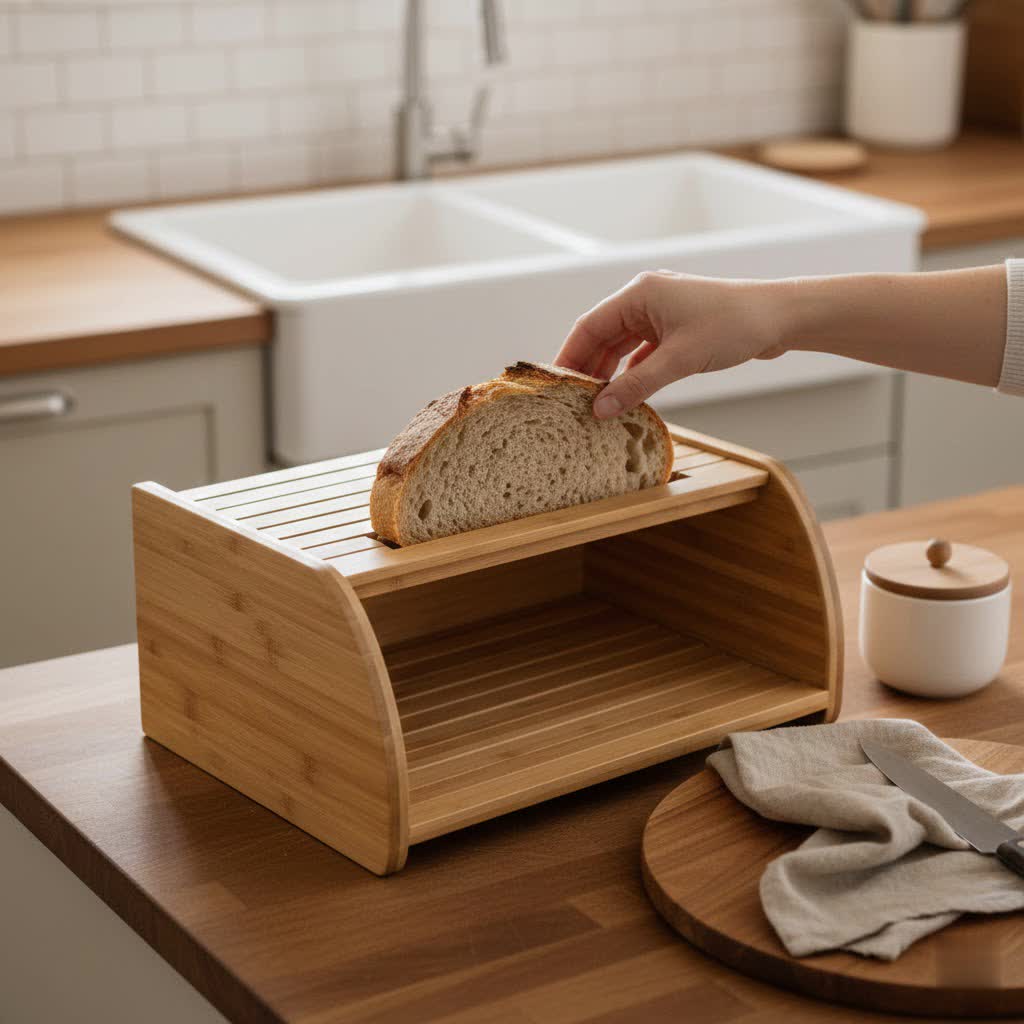
For generations, the humble bread box has been a staple in kitchens worldwide, quietly preserving our daily loaves and pastries. But beyond mere utility, some bread boxes transcend their functional purpose, becoming cherished pieces of history and unique decorative accents. Among these, the vintage Decoware bread box stands out, offering a delightful blend of yesteryear’s charm and enduring quality. As an experienced technician with a decade of expertise in home appliances, particularly bread boxes, I’ve seen countless designs, yet the Decoware remains a captivating subject, embodying a unique era of kitchen aesthetics.
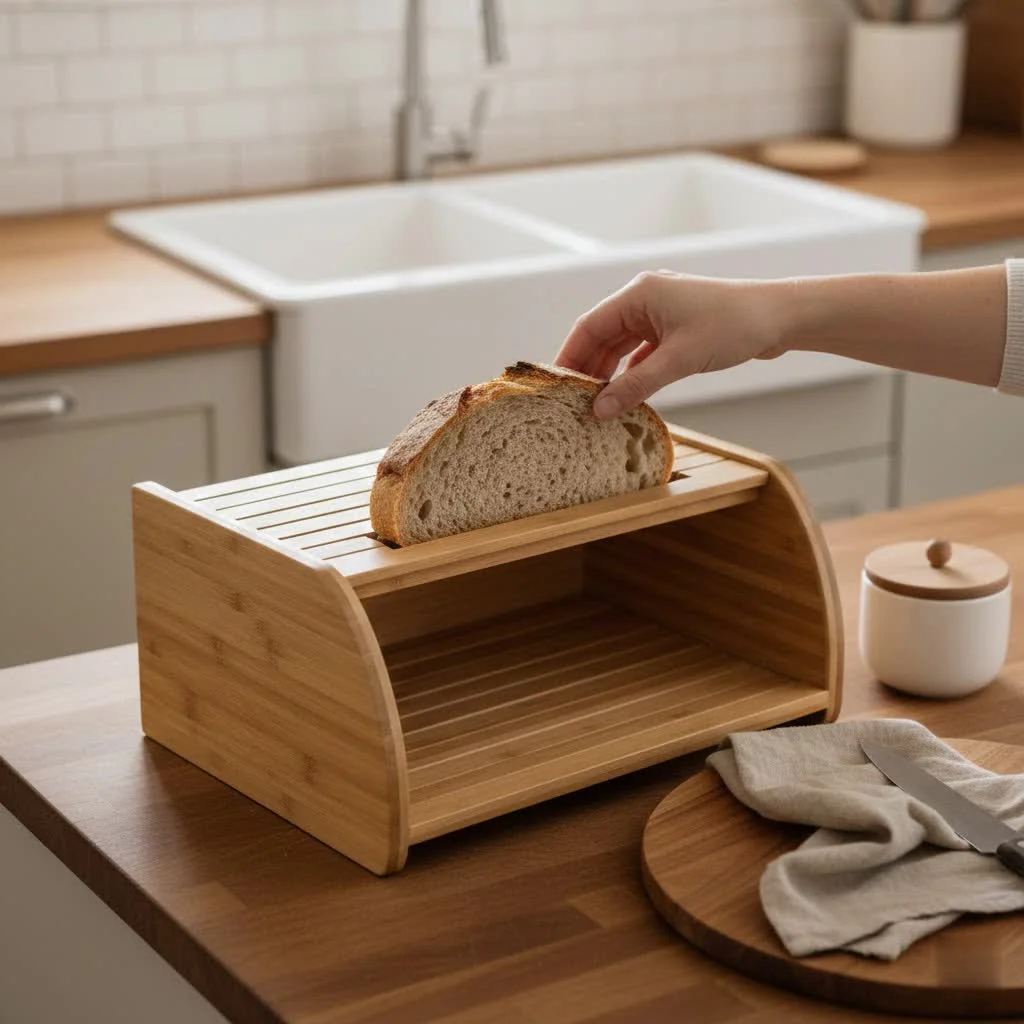
What is a Decoware Bread Box?
Decoware was a prominent American brand renowned for its tinware and metal houseware products, particularly popular from the 1930s through the 1960s. During this period, Decoware bread boxes became a common sight in kitchens, celebrated for their sturdy construction and cheerful designs. These boxes were not just containers; they were decorative statements that reflected the domestic aesthetics of their time, often featuring vibrant floral, apple, pine cone, or geometric motifs.
Crafted primarily from durable sheet metal, Decoware bread boxes were designed to be both resilient and appealing. Their surfaces were typically coated with a smooth enamel, often in creamy white or pastel colors, serving as a canvas for the stenciled artistry that became their hallmark. Each piece carried the “Decoware” mark, usually embossed on the bottom, affirming its authenticity and heritage.
The original purpose of these bread boxes was clear: to protect bread and baked goods. They provided a dark, cool environment with essential airflow, a critical factor in maintaining freshness and preventing premature spoilage. Today, while many are sought after by collectors for their historical value and aesthetic appeal, their fundamental design principles for bread preservation remain relevant.
The Enduring Appeal of Vintage Decoware Bread Boxes
The allure of a vintage Decoware bread box extends far beyond its original function. These pieces represent a tangible link to a bygone era, invoking a sense of nostalgia and history in modern homes. Collectors and enthusiasts are drawn to their unique artistry, from the French country-style white enamel with gold stenciling to the more vibrant floral patterns or mid-century fruit motifs. Each scratch, faded paint area, or subtle dent—often referred to as patina—tells a story, adding to the box’s character and charm.
Integrating a Decoware bread box into contemporary decor is surprisingly seamless. Their classic designs and warm aesthetics blend beautifully with various kitchen styles, from rustic farmhouse and shabby chic to eclectic and even minimalist spaces seeking a unique focal point. Beyond traditional bread storage, these vintage treasures are often repurposed as decorative storage for kitchen utensils, recipe cards, or even as stylish accents on shelves and countertops, proving their versatility and timeless appeal. They offer a simple yet profound way to infuse personality and a touch of historical elegance into any kitchen.
Why a Bread Box? Preserving Freshness and Enhancing Your Kitchen
|
Our Picks for the Best Bread Box in 2026
As an Amazon Associate I earn from qualifying purchases.
|
||
| Num | Product | Action |
|---|---|---|
| 1 | ROYALHOUSE Natural Bamboo Roll Top Bread Box Kitchen Food Storage - Assembly Required |

|
| 2 | Black Corner Bread Box for Kitchen Countertop, Large Bread Container Storage Bamboo Wooden Farmhouse Bread Box with Window Bread Holder |
|
| 3 | ZICOTO Beautiful Bread Box With Wooden Lid For Your Kitchen Countertop - Spacious Container Perfectly Stores Your Homemade Bread, English Muffins & Bagels - Quality Cutting Board Lid Keeps Loaf Fresh |
|
| 4 | Fullin Bread Box for Kitchen Countertop, Bread Storage Container Large Capacity Bamboo Homemade Bread Boxes, Bread Food Holder Organizer with Acrylic Window for Kitchen Counter, Panry Shelf, Cabinet |
|
| 5 | Bamboo Bread Box for Kitchen Counter-Large Capacity Bread Storage Container Farmhouse Bread Box with Window Bread Holder |
|
| 6 | Bread Box Bread Boxes for Kitchen Counter Airtight, Time Recording Bread Storage Container with Lid, Bread Keeper for Homemade Bread, Toast, Bagel, Donut and Cookies, Grey |
|
| 7 | Sunhoo Bread Box for Kitchen Countertop Wooden Bread Storage Container Bin 2 Layer Breadbox Holder Large Capacity Keeper Vintage Farmhouse Food Organizer Pantry Shelf Acrylic Window (Brown) |
|
| 8 | 2 Pack Glass Loaf Pan with Lid, 1.9QT/ 62 OZ Bread Pan - Baking Dish with Airtight Lids BPA free - Meatloaf Pans For Homemade Bread, Baking, Cakes, Dessert,Microwave & Oven Safe |
|
| 9 | Double Layer Bread Box for Kitchen Countertop, Large Breadbox Bread Container Storage with Windows, Wooden Farmhouse Bread Holder (Black) |
|
| 10 | Amazon Basics Carbon Steel Bread Box with Acacia Wood Lid, Lid Doubles as Cutting Board, 11.9 x 7.1 x 5.2 in. |
|
Whether a vintage Decoware piece or a modern design, the fundamental purpose of a bread box is to keep your baked goods fresh for longer. This seemingly simple container plays a crucial role in the delicate balance required to preserve bread’s texture and taste.
A good bread box works by creating a stable, semi-humid environment that is neither too dry nor too moist. Unlike airtight plastic bags that can trap excessive moisture and lead to mold, or leaving bread exposed on the counter where it quickly stales, a bread box allows for essential air circulation. This controlled airflow prevents the build-up of humidity that fosters mold growth while simultaneously preventing the bread from drying out and becoming hard. It helps retain the bread’s original characteristics: a delightfully crispy exterior and a moist, soft crumb.
Beyond freshness, bread boxes offer practical benefits for kitchen organization and aesthetics. They provide a designated, tidy space for loaves, bagels, muffins, and other baked goods, reducing counter clutter. Visually, a well-chosen bread box, especially one with the decorative flair of a Decoware piece, can enhance your kitchen’s overall design, serving as a charming and functional element. Furthermore, they offer a protective barrier against common kitchen pests, ensuring your bread remains untouched and hygienic.
Decoware Bread Box: Material and Design Insights
Vintage Decoware bread boxes were predominantly constructed from metal, typically sheet metal or tin, and finished with a durable enamel coating. This choice of material lent itself to the manufacturing processes of the mid-20th century, allowing for mass production of robust and aesthetically pleasing kitchenware.
Material Insights (Metal/Enamel):
- Durability: Metal construction ensured these boxes were built to last, capable of withstanding daily kitchen use for decades.
- Vintage Aesthetic: The enamel finish, often in solid colors or adorned with intricate stenciled patterns, gives Decoware bread boxes their distinctive retro look, highly prized today.
- Hygiene: Enamel surfaces, when intact, are relatively smooth and easy to wipe clean, contributing to a hygienic storage environment.
- Ventilation: Decoware boxes typically featured small ventilation holes, often discreetly placed on the back. This intentional design prevented an overly airtight seal, allowing for the crucial airflow needed to deter mold while maintaining optimal humidity.
Considerations for Vintage Pieces:
While robust, vintage Decoware pieces naturally show signs of their age. Areas of patina, paint loss, small dents, scuffing, and even minor rust are common. For decorative purposes, these imperfections add character. However, if intending to use a vintage Decoware bread box for food, it’s essential to assess its internal condition carefully. Heavily rusted interiors might compromise food safety, making them better suited for non-food storage or display unless professionally restored and lined with food-safe materials. The hinged lid design, a common feature, allowed for easy access while securely closing to protect contents.
How to Choose a Vintage Decoware Bread Box
Selecting a vintage Decoware bread box is a treasure hunt, blending appreciation for history with practical considerations for its role in your home.
Determining Your Needs: Display or Function?
Before you begin, consider how you intend to use the bread box. Are you seeking a charming decorative accent to complement your retro or farmhouse kitchen decor? Or do you genuinely want a functional storage solution for your bread? This will influence how critically you assess its condition.
Assessing Condition: Patina vs. Damage
Vintage pieces will rarely be pristine. Look for:
- External Appearance: Patina (a soft sheen or discoloration from age) and minor paint loss can enhance character. Avoid pieces with severe rust, large dents, or significant structural damage that compromises the lid’s ability to close.
- Internal Cleanliness: For food storage, the interior should be relatively clean and free of heavy rust or flaking paint. A light, superficial discoloration is often acceptable for display or if you plan to line the box.
- Hinges and Handles: Ensure hinges are securely attached and function smoothly, and that handles are intact and sturdy.
Authenticity and Design
- Decoware Markings: Many authentic Decoware pieces are embossed with the brand name on the bottom. While not all may have it, its presence confirms authenticity.
- Desired Aesthetic: Decoware came in various patterns. Seek a design—be it floral, abstract, or a simple solid color—that resonates with your personal style and kitchen theme.
- Size: Measure your available counter space to ensure the bread box fits comfortably without overwhelming the area.
Repurposing Ideas
If a vintage Decoware box isn’t suitable for food due to its age, it can still be a valuable addition to your home. Consider using it for:
- Kitchen Storage: Store dry goods in sealed containers inside, or keep recipe books, tea bags, or small kitchen gadgets.
- Craft Supplies: A beautiful way to organize art supplies, sewing notions, or stationery.
- Decorative Display: Simply feature it as a standalone piece of art or part of a curated vintage collection.
Caring for Your Decoware Bread Box
Owning a vintage Decoware bread box means appreciating its history and caring for it appropriately to ensure its longevity, whether for display or light use.
Cleaning Vintage Metal and Enamel:
- Gentle Approach: Avoid harsh abrasives or chemical cleaners, which can damage the enamel finish and original paintwork.
- Mild Soap and Water: Use a soft cloth dampened with warm water and a small amount of mild dish soap to wipe down both the interior and exterior.
- Thorough Drying: Crucially, dry the box completely after cleaning to prevent rust, especially in any areas where the enamel may be chipped or the bare metal exposed.
- Removing Minor Rust: For small spots of surface rust, a gentle scrub with fine steel wool or a rust-removing paste designed for metal can be effective, but proceed with caution to avoid damaging surrounding enamel.
Preserving Patina:
Many collectors value the authentic wear and patina of vintage items. If you prefer to maintain this character, simply clean gently and avoid aggressive scrubbing or polishing that could strip away decades of history.
Maintenance Tips:
- Placement: Keep your Decoware bread box in a cool, dry area away from direct sunlight, extreme heat, or high humidity, which can accelerate wear and rust.
- Lining (for food): If using for food, consider lining the bottom with parchment paper or a clean linen towel to create an additional barrier, especially if the interior enamel shows significant wear.
- Handle with Care: Vintage hinges and latches, while durable, can become stiff over time. Operate them gently to prevent damage.
By understanding its history, appreciating its unique aesthetic, and providing proper care, your Decoware bread box will continue to be a cherished and conversation-starting piece in your home for years to come.
Frequently Asked Questions
Do Decoware bread boxes maintain their original functionality?
While vintage Decoware bread boxes were designed for food storage and can still offer a degree of freshness preservation due to their ventilation, their effectiveness might be reduced by age-related wear. Many are now collected more for their aesthetic and historical value.
Can I put fresh bread directly into a vintage Decoware bread box?
If the interior is in excellent condition, free from significant rust or flaking paint, it might be suitable for fresh bread. However, for added peace of mind and hygiene, it’s recommended to store bread in a paper bag or wrap it in a linen cloth before placing it in the box, or to line the box with parchment paper.
How do I remove rust from a Decoware bread box without damaging it?
For light surface rust, a paste of baking soda and water or a gentle rust remover designed for metal can be carefully applied with a soft cloth. Avoid abrasive tools. Always test on an inconspicuous area first and dry thoroughly immediately after treatment.
Are Decoware bread boxes valuable?
The value of a Decoware bread box varies greatly depending on its condition, rarity of its design, and overall appeal to collectors. Pieces in excellent, well-preserved condition with desirable patterns tend to fetch higher prices in the vintage market.
What are popular alternative uses for a vintage Decoware bread box?
Beyond bread storage, these boxes are frequently repurposed as decorative storage for kitchen towels, recipe cards, small appliances, craft supplies, or as charming display pieces in kitchens, living rooms, or even bathrooms. Their distinctive look makes them versatile decor items.
Cooking gear we tested in our own kitchens
Free PDF — preheat times measured on 10 popular air fryers.
