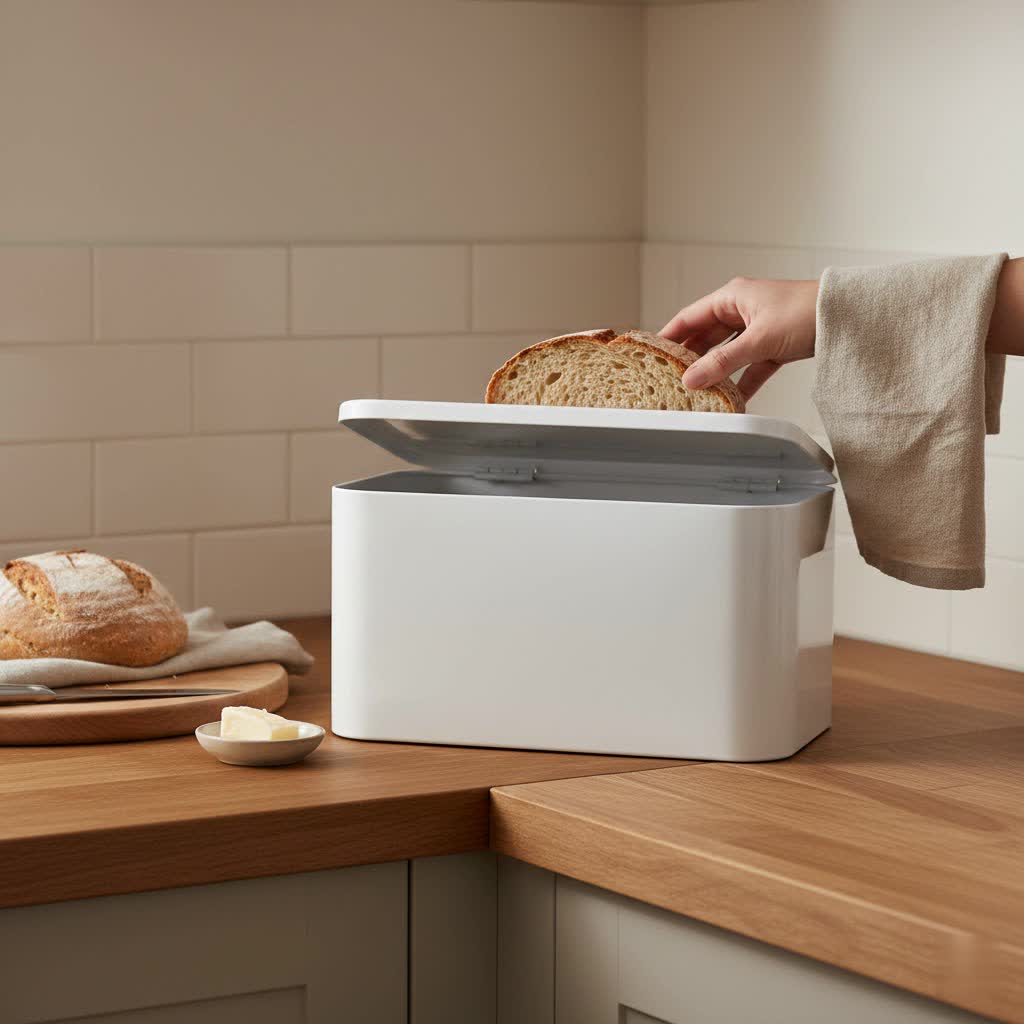
There’s nothing quite like the aroma of freshly baked bread or the simple pleasure of a perfect slice for toast. Yet, the joy often fades quickly as loaves go stale or develop mold, leaving our counters cluttered with bags and containers. If you’re tired of sacrificing either freshness or aesthetics in your kitchen, it’s time to discover the elegance and utility of a truly nice bread box. This guide will walk you through everything you need to know to select a bread box that not only preserves your baked goods but also enhances your kitchen’s charm.
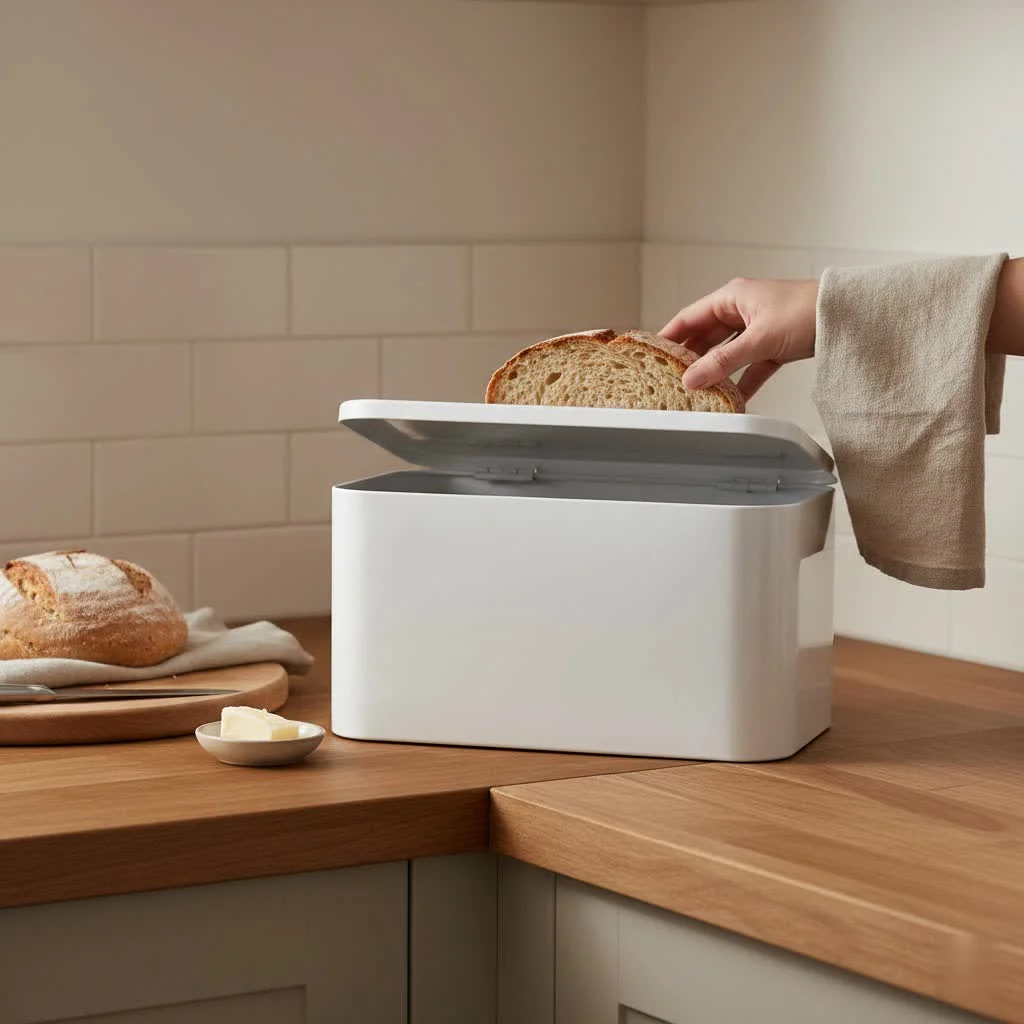
What is a Bread Box?
A bread box is more than just a container; it’s a specially designed storage solution for keeping bread at room temperature. Its primary function is to create a micro-environment that perfectly balances humidity and airflow. Historically, these humble yet effective containers were a staple in kitchens, providing a simple, preservative-free way to extend the life of homemade and bakery loaves. Today, they’ve experienced a resurgence, recognized not only for their practical benefits but also for their ability to add a touch of timeless style to any culinary space.
Why You Need a Bread Box
Beyond its classic appeal, a bread box offers compelling advantages for any bread lover:
- Keeps Bread Fresh Longer: Unlike airtight containers that trap too much moisture and promote mold, or leaving bread exposed which leads to rapid staleness, a good bread box maintains a slightly humid environment. This balance slows down the drying process that causes bread to go stale while allowing just enough air circulation to prevent excessive moisture buildup. This means crusty breads stay crispier, and soft loaves remain pliable for days.
- Prevents Mold and Bacteria: Proper ventilation is key. A well-designed bread box prevents condensation from forming inside, which is the prime breeding ground for mold and bacteria.
- Protects from Pests: A sturdy bread box provides a reliable physical barrier against common kitchen pests, keeping your baked goods safe and sanitary.
- Creates a Tidy and Aesthetic Kitchen: Say goodbye to unsightly plastic bags and scattered bread products. A bread box offers a dedicated, organized space for your loaves, rolls, bagels, and pastries. Available in a myriad of materials and designs, it can seamlessly integrate with or become a beautiful accent piece in your kitchen decor.
Popular Types of Bread Boxes
The world of bread boxes offers a diverse array of options, each with unique characteristics that cater to different preferences and kitchen styles.
By Material
|
Our Picks for the Best Bread Box in 2026
As an Amazon Associate I earn from qualifying purchases.
|
||
| Num | Product | Action |
|---|---|---|
| 1 | Fullin Bread Box for Kitchen Countertop, Bread Storage Container Large Capacity Bamboo Homemade Bread Boxes, Bread Food Holder Organizer with Acrylic Window for Kitchen Counter, Panry Shelf, Cabinet |

|
| 2 | ROYALHOUSE Natural Bamboo Roll Top Bread Box Kitchen Food Storage - Assembly Required |
|
| 3 | 2 Pack Glass Loaf Pan with Lid, 1.9QT/ 62 OZ Bread Pan - Baking Dish with Airtight Lids BPA free - Meatloaf Pans For Homemade Bread, Baking, Cakes, Dessert,Microwave & Oven Safe |
|
| 4 | Black Corner Bread Box for Kitchen Countertop, Large Bread Container Storage Bamboo Wooden Farmhouse Bread Box with Window Bread Holder |
|
| 5 | Amazon Basics Carbon Steel Bread Box with Acacia Wood Lid, Lid Doubles as Cutting Board, 11.9 x 7.1 x 5.2 in. |
|
| 6 | Double Layer Bread Box for Kitchen Countertop, Large Breadbox Bread Container Storage with Windows, Wooden Farmhouse Bread Holder (Black) |
|
| 7 | Sunhoo Bread Box for Kitchen Countertop Wooden Bread Storage Container Bin 2 Layer Breadbox Holder Large Capacity Keeper Vintage Farmhouse Food Organizer Pantry Shelf Acrylic Window (Brown) |
|
| 8 | Bamboo Bread Box for Kitchen Counter-Large Capacity Bread Storage Container Farmhouse Bread Box with Window Bread Holder |
|
| 9 | Bread Box Bread Boxes for Kitchen Counter Airtight, Time Recording Bread Storage Container with Lid, Bread Keeper for Homemade Bread, Toast, Bagel, Donut and Cookies, Grey |
|
| 10 | ZICOTO Beautiful Bread Box With Wooden Lid For Your Kitchen Countertop - Spacious Container Perfectly Stores Your Homemade Bread, English Muffins & Bagels - Quality Cutting Board Lid Keeps Loaf Fresh |
|
The material of your bread box plays a significant role in both its performance and its aesthetic.
- Wood:
- Advantages: Wood, especially bamboo or olivewood, offers a warm, natural, and often rustic aesthetic. Its porous nature allows for a degree of natural breathability, helping to regulate humidity. Many appreciate the timeless appeal and solid feel of a wooden bread box.
- Disadvantages: Wooden bread boxes can be more expensive. They require thorough drying after cleaning to prevent warping and can absorb odors over time if not properly maintained.
- Care: Wipe clean with a damp cloth, dry immediately and completely. Occasional conditioning with food-safe mineral oil can help preserve the wood.
- Metal:
- Advantages: Metal bread boxes (stainless steel, powder-coated steel, aluminum) are known for their durability and sleek, modern appearance. They are generally easy to clean and can withstand daily use. Thicker stainless steel varieties are resistant to dents.
- Disadvantages: Thinner metal boxes can be prone to denting. Stainless steel may show fingerprints and smudges, requiring frequent wiping. Without adequate ventilation, metal can trap moisture.
- Care: Easily wiped clean with a damp, soapy cloth. For stainless steel, a microfiber cloth can help with smudges.
- Plastic:
- Advantages: Plastic bread boxes are typically lightweight, very affordable, and simple to clean. They come in a wide range of colors and designs.
- Disadvantages: While functional, plastic often lacks the “premium” or “nice” aesthetic of wood or ceramic. They may not be as durable as metal or wood and might yellow over time. Proper ventilation is crucial to prevent moisture buildup.
- Care: Exceptionally easy to clean with soap and water.
- Ceramic:
- Advantages: Ceramic bread boxes strike an excellent balance between style and functionality. They provide good insulation, which helps maintain a stable internal temperature, and often feature elegant, artisan designs. They are durable and excellent at controlling humidity, often with small ventilation holes.
- Disadvantages: Ceramic is heavier and more fragile than other materials, making it susceptible to chips or breaks if dropped. They can also be among the more expensive options.
- Care: Easy to wipe clean; handle with care to avoid breakage.
By Style
Beyond material, the opening mechanism and overall design contribute to a bread box’s functionality and visual appeal.
- Roll-top: These popular boxes feature a door that smoothly rolls up and back into the top of the unit, similar to a garage door. They are excellent for saving countertop space as they don’t require extra room for a lid to swing open.
- Flip-top/Hinged Door: These designs feature a door that typically opens outwards or downwards. They offer easy, full access to the interior, but require sufficient space on the countertop for the door to open freely.
- Removable Lid: The simplest style, where the lid lifts off completely. Some innovative designs feature a wooden lid that doubles as a cutting board, adding valuable multi-functionality.
- Drawer or Wall-Mounted: While less common for the “nice bread box” aesthetic, these options offer integrated or elevated storage for those with specific space-saving or kitchen design needs.
Comparison of Popular Bread Box Materials
Choosing the right bread box often comes down to balancing material properties with your personal style and budget. Here’s a comparative overview to help you decide:
| Feature | Wood | Metal | Plastic | Ceramic |
|---|---|---|---|---|
| Aesthetics | Rustic, natural, warm | Modern, sleek, industrial | Functional, less decorative | Classic, elegant, artisan |
| Durability | Good (can warp if wet) | Very good (thick steel) | Varies (can be less robust) | Good (fragile) |
| Ventilation | Natural porosity, often includes holes | Relies on specific holes/gaps | Relies on specific holes/gaps | Good (often includes holes) |
| Cleaning | Wipe, dry thoroughly, oil | Easy, may show smudges | Very easy | Easy |
| Price | Medium to High | Low to Medium | Low | Medium to High |
| Pros | Breathable, elegant | Durable, easy to clean | Lightweight, affordable | Insulating, stylish |
| Cons | High maintenance, expensive | Can dent, fingerprints | Less aesthetic, may lack durability | Heavy, fragile, expensive |
Guide to Choosing a Nice Bread Box
Finding the perfect bread box means considering your individual needs and how the box will fit into your kitchen and lifestyle.
Determine Your Needs
- Quantity of Bread: How much bread do you typically keep? If you’re a single person buying one loaf a week, a compact box is ideal. For a large family or avid baker, a spacious model that can accommodate multiple loaves, bagels, and pastries will be more practical.
- Kitchen Space: Measure your available countertop space. Consider both the footprint and the height, especially if you have overhead cabinets. A roll-top or a box with a flat top for additional storage can be a smart choice for smaller kitchens.
- Interior Design Style: Your bread box is a visible kitchen appliance. Do you prefer a rustic farmhouse look, a sleek minimalist design, a vibrant vintage pop, or something more classic and elegant? The material and style should complement your existing decor.
Choosing Material and Style
Once you understand your needs, you can narrow down your options:
- Material: If durability and easy cleaning are top priorities, a high-quality metal bread box might be perfect. For a warm, natural feel and good breathability, wood or bamboo is an excellent choice. If you value a blend of style, insulation, and don’t mind the fragility, ceramic offers a sophisticated option.
- Lid Style: Consider how often you access your bread and the space around the box. Roll-top lids are space-efficient, while hinged lids offer full access. A removable lid, especially one that doubles as a cutting board, adds practical value.
- Transparency: Some bread boxes feature transparent or semi-transparent panels. This can be a useful feature if you like to quickly see what’s inside and monitor your bread supply.
Look for Additional Features
Many bread boxes come with thoughtful features that enhance their utility:
- Ventilation Holes: This is arguably the most crucial feature for optimal bread preservation. Look for discrete holes or slight gaps in seams that allow for controlled airflow, preventing both staleness and mold.
- Integrated Cutting Board: Some lids, particularly those made of wood, are designed to be flipped over and used as a convenient cutting surface. This space-saving feature is incredibly practical.
- Flat Top Surface: A flat top allows you to utilize the space above the bread box for storing other small kitchen items like spice jars, canisters, or even small appliances.
- Magnetic Closure: A subtle magnetic closure ensures the lid stays securely shut, protecting your bread and maintaining the internal environment.
Top Bread Boxes Today
While specific product recommendations can quickly become outdated, the best bread boxes consistently share a few key characteristics. They effectively manage humidity and airflow, ensuring bread stays fresh for several days, often up to a week. Top models are crafted from durable materials like high-density bamboo, quality stainless steel, or robust ceramic, designed to withstand daily use while looking beautiful on your counter. Many popular options feature clever designs such as space-saving roll-top lids, flat tops for extra storage, or lids that ingeniously double as cutting boards. Ultimately, a top bread box is one that aligns with your kitchen’s aesthetic, fits your space, and reliably keeps your favorite loaves at their peak of freshness.
Conclusion
Choosing a nice bread box is an investment in both the freshness of your baked goods and the aesthetic harmony of your kitchen. By understanding the essential role of balanced airflow and humidity, and by considering the various materials, styles, and features available, you can select a bread box that perfectly meets your needs. It’s a simple, elegant solution to extend the life of your bread, reduce waste, and bring a touch of timeless charm back to your home.
Which beautiful bread box will grace your kitchen counter and become your new favorite kitchen essential?
Frequently Asked Questions
Do bread boxes really work to keep bread fresh?
Yes, bread boxes are highly effective. They create a balanced environment—cool, dark, and slightly humid—that slows down the drying process that leads to staleness while allowing enough airflow to prevent moisture buildup and mold growth.
Is a bread box better than the refrigerator for storing bread?
In most cases, yes. Refrigerating bread can actually make it go stale faster because the cold temperatures accelerate starch crystallization. A bread box stores bread at room temperature, which helps maintain its texture and flavor for a longer period.
Will a bread box cause bread to mold faster?
Not if properly designed and used. A good bread box features ventilation to prevent condensation, which is the primary cause of mold. Ensure your bread box has some form of airflow and that bread is completely cool and dry before storing it.
How do you clean a bread box?
Regular cleaning is simple. First, empty out any crumbs. Then, wipe the interior with a damp sponge, using a drop of dish soap for any sticky spots. For wooden boxes, dry thoroughly and quickly to prevent warping. Avoid putting most bread boxes in the dishwasher unless explicitly stated by the manufacturer.
Are wooden bread boxes better than metal ones?
Both wood and metal make excellent bread boxes, and the “better” choice often comes down to personal preference. Wood offers natural breathability and a warm aesthetic but may require more maintenance. Metal boxes are durable and easy to clean, often with a modern look, but need deliberate ventilation.
What size bread box do I need?
The ideal size depends on your household’s bread consumption and available counter space. A standard bread box typically fits one to two loaves. If you buy or bake frequently for a larger family, consider larger-capacity models, ensuring it fits under any overhead cabinets.
Cooking gear we tested in our own kitchens
Free PDF — preheat times measured on 10 popular air fryers.
