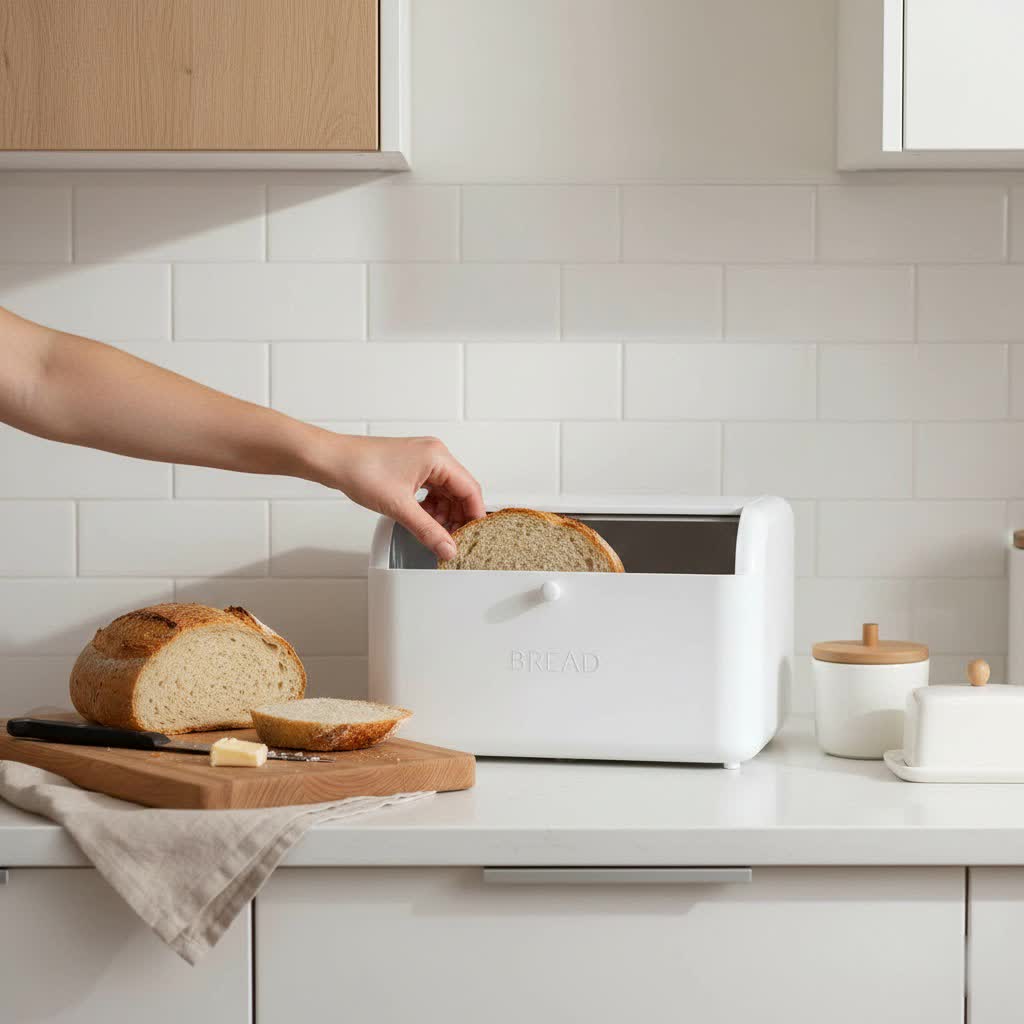
Have you ever found yourself yearning for the warmth and character of a bygone era in your kitchen? Amidst the sleek lines of modern appliances, a vintage tin bread box stands as a delightful echo of the past, offering not just a charming aesthetic but also a practical solution to a timeless problem: keeping your bread perfectly fresh. These iconic kitchen staples are more than mere containers; they are a blend of history, functionality, and undeniable retro flair. Whether you’re a passionate home baker, an artisan bread enthusiast, or simply someone who appreciates unique kitchen decor, a vintage tin bread box can improve your countertop into a statement of nostalgic elegance. Join us as we explore the world of vintage tin bread boxes, uncovering their history, benefits, and how to choose the perfect one to preserve your loaves and improve your kitchen’s style.
What is a Bread Box?
A bread box, often called a bread bin, is a dedicated container designed to store bread and other baked goods, specifically crafted to maintain their freshness for an extended period. Before the advent of modern food preservatives and ubiquitous plastic packaging, the bread box was an indispensable item in nearly every household. Its primary function was to create an optimal environment for bread storage, balancing humidity to prevent both drying out and mold growth.
The origins of the bread box can be traced back to the late 19th century, with some early versions appearing in the Smithsonian collection from the late 1800s, used for transporting bread. A patent for a bread box was even granted in 1918 to Stanley Walter Krebs. The item truly gained widespread popularity in the 1920s, a period when sliced bread, introduced by Otto Frederick Rohwedder, became a kitchen staple and necessitated an effective storage companion. While its prominence waned with the rise of pre-packaged bread, the bread box has experienced a significant resurgence, driven by a renewed appreciation for homemade and artisan breads, and the desire for kitchen items that blend utility with vintage charm.
Why You Need a Bread Box (Especially a Vintage Tin One)
In an age of advanced refrigeration and plastic wraps, the relevance of a bread box might seem diminished, but for true bread lovers, its benefits remain paramount. A vintage tin bread box, in particular, offers a unique combination of advantages that modern solutions often overlook.
Primarily, a bread box excels at keeping bread fresh longer. Bread stales not by drying out, but through a process called retrogradation, where starches crystallize. This process accelerates in cooler temperatures, making the refrigerator an enemy of fresh bread. A bread box maintains a consistent room temperature, effectively slowing down this staling process and prolonging the edible life of your loaves.
Beyond freshness, these containers are crucial in preventing mold and bacteria. Vintage tin bread boxes are typically designed with a lid that is loose enough to allow a minimal amount of airflow. This subtle ventilation prevents the build-up of condensation inside, which is the primary culprit behind mold growth. The slight air circulation ensures a balanced humidity level, keeping the crust crisp and the interior soft without creating a moist, mold-friendly environment.
A well-sealed bread box provides excellent protection from pests. From tiny ants to more determined rodents, baked goods are often targets for kitchen intruders. The sturdy construction of a tin bread box, with its snugly fitting lid, acts as an effective barrier, keeping your bread safe and hygienic.
Finally, and perhaps most appealing to many, is the contribution of a vintage tin bread box to kitchen aesthetics and organization. These pieces inject a delightful dose of nostalgia and personality into any kitchen decor. Their vibrant colors, classic designs, and appealing patinas make them instant focal points, transforming cluttered countertops into organized, visually appealing spaces.
“A vintage tin bread box isn’t just a container; it’s a statement. It tells a story of enduring design and a timeless commitment to preserving the simple pleasure of fresh bread.” – Emily Thorne, Vintage Kitchenware Collector
Popular Types of Bread Boxes
Bread boxes come in a variety of materials and designs, each offering distinct characteristics. While our focus is on vintage tin, understanding the broader landscape helps appreciate its unique position.
By Material
|
Our Picks for the Best Bread Box in 2026
As an Amazon Associate I earn from qualifying purchases.
|
||
| Num | Product | Action |
|---|---|---|
| 1 | Fullin Bread Box for Kitchen Countertop, Bread Storage Container Large Capacity Bamboo Homemade Bread Boxes, Bread Food Holder Organizer with Acrylic Window for Kitchen Counter, Panry Shelf, Cabinet |

|
| 2 | Bread Box Bread Boxes for Kitchen Counter Airtight, Time Recording Bread Storage Container with Lid, Bread Keeper for Homemade Bread, Toast, Bagel, Donut and Cookies, Grey |
|
| 3 | Bamboo Bread Box for Kitchen Counter-Large Capacity Bread Storage Container Farmhouse Bread Box with Window Bread Holder |
|
| 4 | Sunhoo Bread Box for Kitchen Countertop Wooden Bread Storage Container Bin 2 Layer Breadbox Holder Large Capacity Keeper Vintage Farmhouse Food Organizer Pantry Shelf Acrylic Window (Brown) |
|
| 5 | Double Layer Bread Box for Kitchen Countertop, Large Breadbox Bread Container Storage with Windows, Wooden Farmhouse Bread Holder (Black) |
|
| 6 | ROYALHOUSE Natural Bamboo Roll Top Bread Box Kitchen Food Storage - Assembly Required |
|
| 7 | Black Corner Bread Box for Kitchen Countertop, Large Bread Container Storage Bamboo Wooden Farmhouse Bread Box with Window Bread Holder |
|
| 8 | Amazon Basics Carbon Steel Bread Box with Acacia Wood Lid, Lid Doubles as Cutting Board, 11.9 x 7.1 x 5.2 in. |
|
| 9 | ZICOTO Beautiful Bread Box With Wooden Lid For Your Kitchen Countertop - Spacious Container Perfectly Stores Your Homemade Bread, English Muffins & Bagels - Quality Cutting Board Lid Keeps Loaf Fresh |
|
| 10 | 2 Pack Glass Loaf Pan with Lid, 1.9QT/ 62 OZ Bread Pan - Baking Dish with Airtight Lids BPA free - Meatloaf Pans For Homemade Bread, Baking, Cakes, Dessert,Microwave & Oven Safe |
|
- Wood: Wooden bread boxes, often crafted from hardwoods like oak, bamboo, or maple, are prized for their natural breathability and rustic charm. They can help regulate humidity, and some woods even possess natural germ-killing properties. However, they require more maintenance, such as occasional oiling, and can be heavier or more susceptible to scratches.
- Metal (Tin/Steel/Aluminum): Vintage tin bread boxes, often made of tinplate or coated steel, are highly durable and resilient. They were popular in the mid-century, often featuring vibrant colors, chrome accents, and cheerful designs. Metal offers excellent protection against pests and, when properly designed, allows for the necessary airflow to keep bread fresh. While robust, thinner metal can sometimes dent, and shiny surfaces may show fingerprints more readily.
- Plastic: Modern plastic bread boxes are lightweight and typically inexpensive. However, they often create an airtight seal, which can trap moisture and accelerate mold growth. They generally lack the aesthetic appeal and durability of vintage options.
- Ceramic: Ceramic bread crocks or boxes offer good insulation and can be very attractive. They are excellent at maintaining a stable temperature but can be heavy and are prone to breaking if dropped.
By Design
- Roll-top: This classic design features a curved lid that slides open and closed, often resembling a garage door. Roll-top bread boxes are highly functional as they don’t require extra space to open the lid, making them ideal for smaller countertops.
- Flip-top/Hinged Lid: These are simpler designs with a lid that lifts open, either fully detachable or hinged at the back. They offer straightforward access to the bread but require overhead clearance for opening. Many vintage tin bread boxes feature hinged lids, sometimes adorned with decorative handles or motifs.
- Drawer/Wall-mounted: Less common for tin bread boxes, these designs integrate into cabinetry or hang on walls, offering space-saving solutions. However, finding vintage tin versions of these styles is rare.
Comparing Popular Bread Box Materials
Choosing the right bread box material depends on your priorities, from freshness to durability and style. Here’s a comparative look:
| Feature | Wood | Metal (Tin/Steel) | Plastic | Ceramic |
|---|---|---|---|---|
| Freshness | Excellent (good breathability) | Excellent (good airflow when designed right) | Poor (traps moisture, promotes mold) | Good (stable temperature) |
| Durability | High (solid construction, long-lasting) | Very High (sturdy, resilient) | Low (prone to cracking, staining) | Moderate (fragile if dropped) |
| Aesthetics | Rustic, natural, warm | Retro, industrial, colorful, sleek | Modern, utilitarian | Traditional, artistic, weighty |
| Maintenance | Occasional oiling, wipe clean | Wipe clean, prevent rust | Easy to wipe clean | Wipe clean, careful handling |
| Typical Cost | Medium to High | Medium (vintage can vary widely) | Low | Medium to High |
How to Choose the Perfect Vintage Tin Bread Box
Selecting a vintage tin bread box is a delightful journey that blends practicality with personal style. To find the ideal piece that resonates with your kitchen, consider a few key aspects.
Determine Your Needs
Start by assessing how much bread you typically need to store. If you’re a regular home baker or often buy multiple artisan loaves, a larger tin bread box will be more suitable. Consider the available space in your kitchen; tin bread boxes vary in size and footprint. A roll-top design might be best for limited counter space, while a large, decorative hinged-lid box could be a centerpiece on a more expansive counter. Finally, think about your interior style. Do you want a bright, mid-century pop of color, a distressed farmhouse look, or a more industrial aesthetic? Vintage tin boxes offer a wide array of designs to complement different decor schemes.
Material and Design Choices
While focusing on tin, that even within metal, variations exist. Look for quality tinplate or coated steel for longevity. For bread freshness, ventilation is paramount. Some vintage tin bread boxes have small, subtle vent holes, while others rely on a slightly imperfect seal of the lid to allow minimal air exchange. This controlled airflow is what prevents mold while keeping bread from drying out. A lid that is too tight will trap moisture, while one that is too loose will dry out your bread quickly. Consider the lid mechanism: a roll-top offers smooth, space-saving access, while a hinged lid might have a more pronounced vintage look.
Considering Additional Features
When venturing into the world of vintage items, condition is a significant factor. Do you prefer a bread box with its original chipped paint and weathered patina, which tells a story of its past? Or would you rather find a meticulously restored piece or undertake a restoration project yourself? The charm of vintage often lies in its imperfections. For collectors, certain brands like Ransburg, Lincoln Beauty Ware, or Cheinco are highly sought after due to their distinctive designs and historical significance. These can often fetch higher prices depending on rarity and condition. Lastly, consider ease of cleaning—a straightforward design without too many nooks and crannies will be simpler to maintain.
Top Considerations for Vintage Tin Bread Box Owners
Once you’ve acquired your charming vintage tin bread box, knowing how to care for it and maximize its benefits is key to enjoying it for years to come.
Preserving Freshness in Your Vintage Tin Box
To get the most out of your tin bread box, proper placement is crucial. Keep it on your countertop, away from direct sunlight, heat sources (like ovens or toasters), and damp areas. bread stales faster in the refrigerator, so avoid chilling your loaves. For optimal freshness, ensure your bread is completely cool before placing it in the box. If your bread comes in a paper bag, you can often keep it in the bag inside the tin for an extra layer of protection, as paper allows for some breathability.
Cleaning and Care
Vintage tin can be durable, but it requires gentle care. Wipe down the interior and exterior regularly with a damp cloth and mild soap. Avoid abrasive cleaners or harsh scrubbing pads that can scratch or remove paint. Thoroughly dry the box immediately after cleaning to prevent rust, especially in areas where paint might be chipped. If you notice any stubborn odors, a wipe with a solution of baking soda and water, followed by thorough drying, can help.
Restoration Tips (if desired)
Many vintage tin bread boxes come with charming wear and tear, but some might benefit from a little TLC. If you’re looking to restore your bread box, start with a thorough cleaning to remove dirt and grime. For minor rust spots, gentle sanding can help, followed by a rust-inhibiting primer. Repainting with food-safe enamel paint can give it a new lease on life, allowing you to choose a color that perfectly matches your kitchen. Some enthusiasts even use vinyl decals or stencils to add retro patterns or “BREAD” lettering, mimicking classic designs. Embracing the patina, or the natural wear and aging, is also a valid approach that many collectors prefer, as it adds to the item’s unique story.
“A well-loved vintage bread box has a soul. Its chips and faded hues aren’t flaws; they are badges of honor, shows countless loaves it has kept fresh through the decades.” – Arthur Finch, Artisan Baker & Antiques Enthusiast
Collecting Insights
The world of vintage tin bread boxes is rich with collectible pieces. Specific brands from the mid-20th century, unique hand-painted designs, or unusually colored pieces can be highly valued. When collecting, consider the piece’s rarity, its overall condition (original paint and hardware often command higher prices), and whether it fills a gap in your collection or complements your existing decor. Attending flea markets, antique shops, and online vintage marketplaces are excellent ways to discover these timeless treasures.
Conclusion
Vintage tin bread boxes offer a compelling blend of practical functionality and undeniable aesthetic appeal, making them a must-have for anyone looking to infuse their kitchen with character and keep their baked goods perfectly fresh. They stand as a shows simpler times, when quality craftsmanship and thoughtful design were paramount, providing an optimal environment for bread that often surpasses modern alternatives. More than just storage, these charming relics become conversation pieces, telling stories of kitchens past and adding a unique touch of nostalgia to your home. So, why settle for stale bread or a bland countertop when you can embrace the enduring elegance and efficiency of a vintage tin bread box? Which vintage tin bread box will tell your kitchen’s next story?
Frequently Asked Questions
Are vintage tin bread boxes really better for bread than plastic bags or refrigeration?
Yes, absolutely. Vintage tin bread boxes create a room-temperature environment with controlled airflow, which is ideal for bread. Refrigeration speeds up the staling process (retrogradation), and plastic bags can trap moisture, leading to mold. A tin bread box strikes the perfect balance to keep bread fresh longer.
How do I clean a vintage tin bread box without damaging it?
To clean your vintage tin bread box, use a soft cloth with warm water and a mild dish soap. Gently wipe both the interior and exterior. Avoid abrasive cleaners or scouring pads, as these can scratch the paint or accelerate rust. Ensure you dry the box thoroughly immediately after cleaning to prevent any moisture-related damage.
Can a rusty vintage tin bread box be safely restored and used for food?
For light surface rust, you can often clean it and then paint over it with food-safe enamel paint after appropriate priming. However, if the rust is extensive or has compromised the structural integrity of the tin, it might be better to use the box for decorative purposes rather than food storage, or seek professional restoration advice to ensure it’s safe for food.
What makes a tin bread box “vintage” and desirable?
A tin bread box is considered vintage if it dates back several decades, typically to the mid-20th century or earlier. Desirability often comes from its unique design, original paintwork (even with charming patina), specific brand (like Lincoln Beauty Ware or Ransburg), and how well it reflects the aesthetic trends of its era, such as mid-century modern or farmhouse styles.
Where can I find authentic vintage tin bread boxes?
Authentic vintage tin bread boxes can be found at a variety of places. Look in antique shops, flea markets, estate sales, and thrift stores. Online marketplaces such as Etsy and eBay are also excellent resources, offering a wide selection from various sellers and often providing detailed descriptions and photos of the items’ condition.
Cooking gear we tested in our own kitchens
Free PDF — preheat times measured on 10 popular air fryers.
