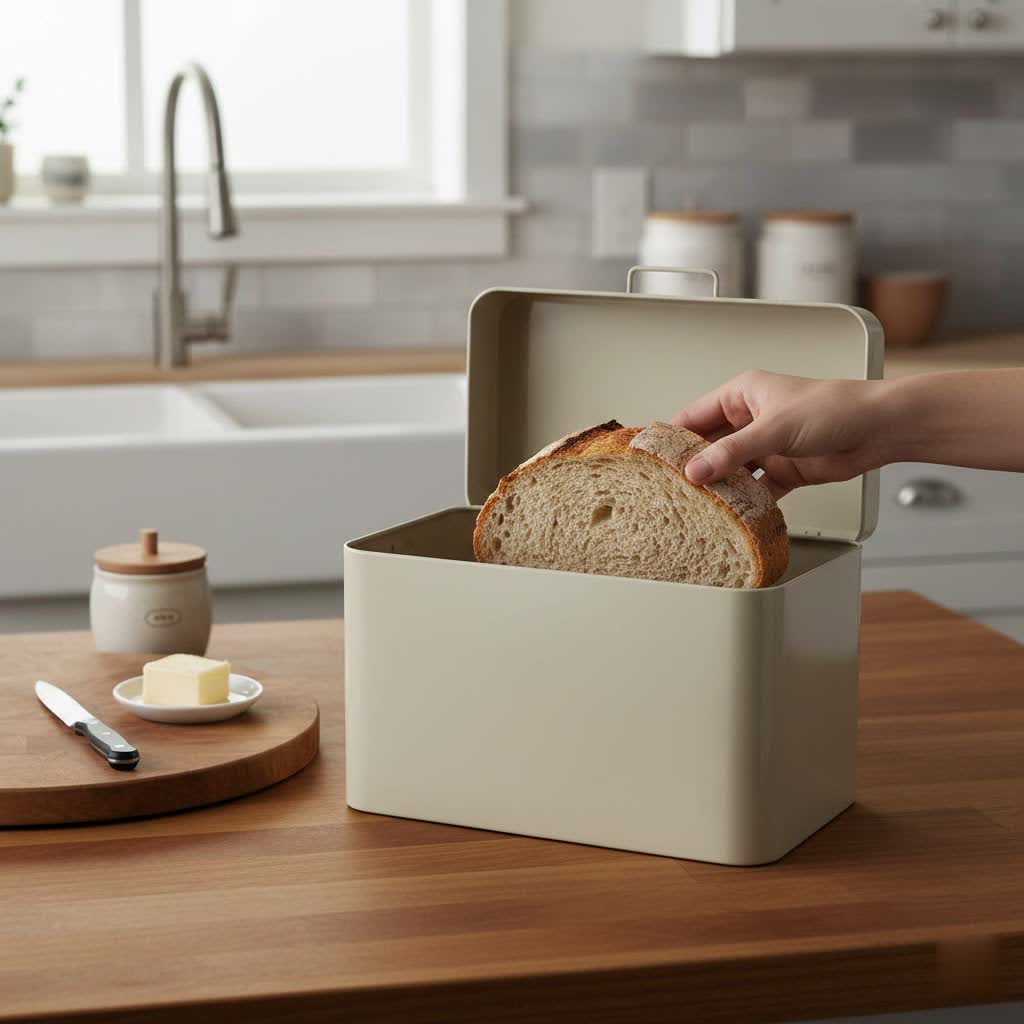
For anyone who loves a good slice of toast or a fresh sandwich, the battle against stale bread and unwelcome mold is a constant kitchen challenge. Many seek the “airtight bread box” as the ultimate solution, believing that completely sealing bread off from the outside world is the key to preserving its perfect texture and taste. However, the secret to truly extending your loaf’s life lies not in absolute airtightness, but in a delicate balance of regulated airflow and moisture control.
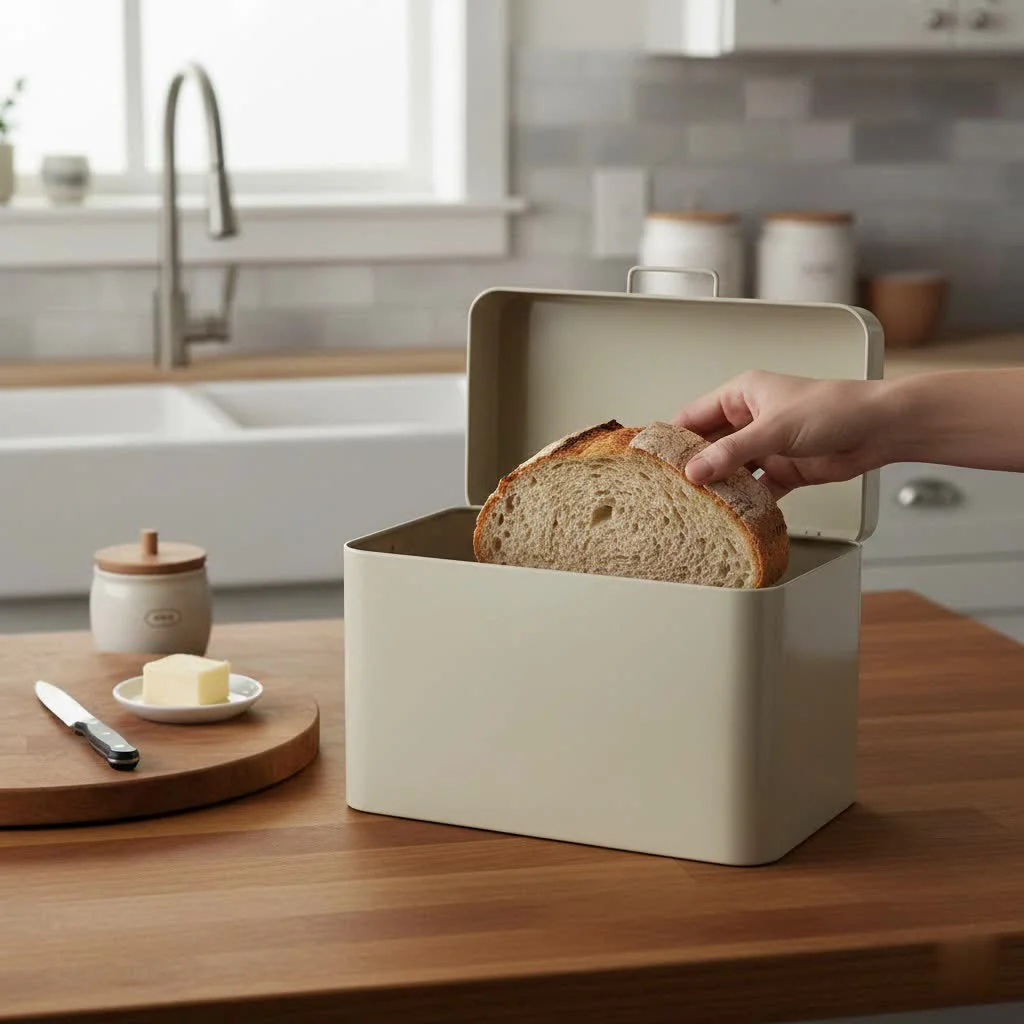
This guide will demystify the art of bread storage, revealing why a perfectly designed bread box is an essential tool in your kitchen, and how it works to keep your baked goods wonderfully fresh without succumbing to either dryness or dampness. Get ready to transform your bread-keeping habits and enjoy fresher bread for longer. For best kitchen organization roundups on this site.
What is a Bread Box?
At its core, a bread box is a dedicated container designed to store bread and other baked goods, keeping them fresh and flavorful for an extended period. Historically, before modern preservatives and plastic packaging became commonplace, bread boxes were ubiquitous in kitchens. Their ingenious design creates a mini-environment that shields bread from the elements that cause it to spoil most rapidly: excessive air exposure and fluctuating temperatures.
Unlike an open countertop where bread quickly dries out, or a plastic bag that can trap too much moisture and encourage mold, a well-designed bread box maintains a stable, slightly humid, and dark environment. This controlled atmosphere slows down the staling process by retaining just the right amount of moisture in the bread while preventing the buildup of condensation that leads to mold growth. It’s a simple yet effective system that prioritizes the delicate balance needed for optimal bread preservation.
Why a Properly Ventilated Bread Box is Essential for Freshness
The primary goal of any bread storage solution is to keep your bread in its prime for as long as possible, a task a well-ventilated bread box excels at through several key mechanisms.
First, it effectively combats staleness. Bread goes stale when its starch molecules recrystallize, a process accelerated by cold temperatures (like a refrigerator) and too much exposure to air. A bread box acts as a barrier, limiting air circulation just enough to slow this process, allowing your bread to retain its soft, pliable texture and flavor for days longer than if left exposed on the counter.
Second, and crucially, it plays a vital role in preventing mold. This is where the misconception of “airtight” becomes important. A truly airtight container traps all moisture inside, creating a warm, damp environment—the perfect breeding ground for mold spores. A proper bread box, however, incorporates subtle ventilation. These small, often inconspicuous holes or breathable materials allow just enough air to circulate, preventing humidity from accumulating and, consequently, inhibiting mold growth. This balance is critical: enough moisture to prevent drying, but enough airflow to prevent fungal proliferation.
Beyond freshness, a bread box also helps in maintaining texture. While plastic bags can make a bread’s crust soggy and soft, a bread box allows the crust to retain its desired crispness while keeping the interior moist. It’s the ideal setting for preserving the characteristics of artisanal loaves.
Furthermore, it offers practical protection against unwanted guests like pests and keeps bread away from direct sunlight, which can prematurely age and dry out your loaves. Finally, from an organizational standpoint, a bread box contributes to a tidy and aesthetic kitchen, providing a designated, attractive home for your baked goods rather than cluttered bags and wrappers.
Understanding Bread Box Ventilation: The “Airtight” Misconception
The term “airtight bread box” is often used, but it’s a phrase that, when taken literally, actually describes an unsuitable environment for most bread. The core principle of a functional bread box isn’t to seal bread completely off from oxygen, but to regulate its exposure to air and moisture.
Bread needs to “breathe” to some extent. When bread is baked, it contains moisture. If this moisture is entirely trapped in a sealed container, condensation builds up. This high humidity, combined with room temperature, creates an ideal environment for mold spores, which are naturally present in the air and on food surfaces, to thrive. This is why a truly airtight plastic container can sometimes lead to moldy bread faster than leaving it exposed (though exposed bread will go stale quickly).
A properly designed bread box achieves a delicate equilibrium. It significantly limits the amount of dry air that comes into contact with the bread, thus slowing down the staling process (where moisture evaporates from the bread, and starches crystalize). Simultaneously, it allows for a minimal, controlled exchange of air. This might be through subtle gaps in a roll-top lid, small ventilation holes in the back, or the inherent porousness of certain materials like wood. This gentle airflow prevents the excessive moisture buildup that would otherwise lead to mold, ensuring your bread remains both fresh and free from spoilage for longer. Therefore, when looking for a bread box, seek out designs that speak to “controlled ventilation” or “breathable” rather than strictly “airtight.”
Common Types of Bread Boxes
Bread boxes come in various forms, each offering distinct advantages based on material and style. Understanding these differences can help you select the best fit for your kitchen and bread-keeping habits.
By Material
|
Our Picks for the Best Bread Box in 2026
As an Amazon Associate I earn from qualifying purchases.
|
||
| Num | Product | Action |
|---|---|---|
| 1 | Bamboo Bread Box for Kitchen Counter-Large Capacity Bread Storage Container Farmhouse Bread Box with Window Bread Holder |

|
| 2 | ZICOTO Beautiful Bread Box With Wooden Lid For Your Kitchen Countertop - Spacious Container Perfectly Stores Your Homemade Bread, English Muffins & Bagels - Quality Cutting Board Lid Keeps Loaf Fresh |
|
| 3 | Bread Box Bread Boxes for Kitchen Counter Airtight, Time Recording Bread Storage Container with Lid, Bread Keeper for Homemade Bread, Toast, Bagel, Donut and Cookies, Grey |
|
| 4 | Fullin Bread Box for Kitchen Countertop, Bread Storage Container Large Capacity Bamboo Homemade Bread Boxes, Bread Food Holder Organizer with Acrylic Window for Kitchen Counter, Panry Shelf, Cabinet |
|
| 5 | Black Corner Bread Box for Kitchen Countertop, Large Bread Container Storage Bamboo Wooden Farmhouse Bread Box with Window Bread Holder |
|
| 6 | Amazon Basics Carbon Steel Bread Box with Acacia Wood Lid, Lid Doubles as Cutting Board, 11.9 x 7.1 x 5.2 in. |
|
| 7 | 2 Pack Glass Loaf Pan with Lid, 1.9QT/ 62 OZ Bread Pan - Baking Dish with Airtight Lids BPA free - Meatloaf Pans For Homemade Bread, Baking, Cakes, Dessert,Microwave & Oven Safe |
|
| 8 | Double Layer Bread Box for Kitchen Countertop, Large Breadbox Bread Container Storage with Windows, Wooden Farmhouse Bread Holder (Black) |
|
| 9 | Sunhoo Bread Box for Kitchen Countertop Wooden Bread Storage Container Bin 2 Layer Breadbox Holder Large Capacity Keeper Vintage Farmhouse Food Organizer Pantry Shelf Acrylic Window (Brown) |
|
| 10 | ROYALHOUSE Natural Bamboo Roll Top Bread Box Kitchen Food Storage - Assembly Required |
|
-
Wood: Often made from bamboo, acacia, or pine, wooden bread boxes are lauded for their natural breathability. Wood is a porous material that can absorb some excess moisture, helping to regulate the internal humidity and prevent mold while keeping the bread from drying out too quickly. They tend to be durable, offer a warm, classic aesthetic, and some boast natural anti-microbial properties. However, they can be heavier, may require more careful cleaning to prevent warping, and are often at a higher price point.
-
Metal (Stainless Steel, Tin): These bread boxes are durable, often easy to clean, and come in a wide range of modern or retro designs. Metal itself is not porous, so ventilation in these models must be explicitly engineered through small holes or designed lid gaps. Without proper ventilation, metal boxes can be too sealed, leading to condensation and mold. They can also show fingerprints easily and thinner models might be prone to denting.
-
Plastic: Lightweight and typically the most affordable option, plastic bread boxes are available in countless colors and styles. They are easy to clean, but like metal, require intentional ventilation design. Choosing BPA-free plastic (often indicated by recycling codes #2, #4, or #5) is advisable for food storage. If not adequately vented, plastic can be a prime environment for moisture buildup.
-
Ceramic: Ceramic bread bins offer excellent insulation, helping to keep internal temperatures stable. Their weight provides stability, and they often have an attractive, rustic appeal. Similar to wood, ceramic can sometimes offer a degree of natural porosity, aiding in humidity regulation, though deliberate venting is still beneficial. The main drawback is their fragility and heavy weight.
By Style
- Roll-Top: Featuring a lid that rolls back into the box, these are classic and space-saving, as they don’t require extra room to open.
- Flip-Top/Hinged Lid: These have a lid that opens upwards or forwards on hinges. They are straightforward but require clear overhead or front space to open.
- Drawer-Style: Built into kitchen cabinetry, these are less common but offer seamless integration and maximum counter space saving.
- Wall-Mounted: Another space-saving option, ideal for smaller kitchens, keeping bread off the counter entirely.
How to Choose the Perfect Bread Box
Selecting the right bread box involves considering your personal bread consumption habits, kitchen space, and aesthetic preferences. It’s about finding the balance between functionality and style that works best for you.
Assess Your Bread Habits
- Quantity of Bread: Do you typically store a single artisan loaf, a standard sliced sandwich bread, or multiple items like bagels and pastries? Choose a capacity that comfortably fits your usual needs without being overly large and taking up unnecessary counter space.
- Type of Bread: Crusty loaves like sourdough benefit from slightly more air circulation to maintain their crunch, while softer sandwich breads need a bit more moisture retention to prevent drying out. While most bread boxes cater to a general balance, some materials like wood might be slightly more forgiving for crusty breads due to their natural breathability.
- Kitchen Size and Style: Consider the available counter space and your kitchen’s decor. A large roll-top might be perfect for a spacious, traditional kitchen, while a compact, minimalist metal or bamboo box could suit a smaller, modern design.
Prioritize Smart Design Features
- Ventilation is Key: As established, true airtightness is generally detrimental. Look for bread boxes that explicitly mention features like small air holes, breathable construction, or a slightly loose-fitting lid. This controlled airflow is critical for preventing mold while slowing staleness.
- Size & Capacity: Measure your available counter space and consider the dimensions of the loaves you usually buy or bake. Ensure the box is tall enough for artisan bread and wide enough for sandwich loaves.
- Material Choice: Beyond aesthetics, think about durability and ease of maintenance. Metal is robust and easy to wipe clean, but can dent. Wood requires a bit more care but offers natural moisture regulation. Plastic is light and affordable but may lack a premium feel.
- Ease of Cleaning: Crumbs are inevitable. A bread box with a smooth interior, removable base, or a design that’s easy to wipe down will make cleaning much simpler and prevent crumb buildup, which can attract pests or harbor mold spores.
- Added Functionality: Some bread boxes come with clever extras, such as lids that double as cutting boards, or compartments for storing bread knives. These can add value and convenience to your kitchen.
Key Features of High-Quality Bread Boxes
When exploring options for your kitchen, focus on these characteristics that define an excellent bread box, ensuring your bread stays in its prime:
- Optimal Airflow: High-quality bread boxes are engineered with subtle ventilation mechanisms—whether tiny holes, strategically designed gaps in lids, or the inherent porousness of materials like unsealed wood or bamboo. This crucial feature prevents moisture from accumulating, effectively inhibiting mold growth while allowing enough moisture retention to keep bread from going stale too quickly.
- Durable Construction: A superior bread box is built to last. Materials such as robust stainless steel, sturdy bamboo, or thick, quality wood ensure the box withstands daily use, maintaining its structural integrity and protective qualities over time. This durability means your investment continues to pay off in consistent bread freshness.
- Generous Capacity: An effective bread box should comfortably accommodate your typical loaf size, or even two standard loaves, without squishing them. Many designs also offer enough room for additional baked goods like bagels, muffins, or pastries, making them versatile storage solutions for various kitchen treats.
- Aesthetic Appeal: Beyond functionality, a high-quality bread box also enhances your kitchen’s decor. Available in numerous styles, from sleek modern metal to warm, rustic wood, the best bread boxes serve as attractive countertop fixtures that complement your personal taste and add a touch of organized charm.
- Easy Maintenance: Regular cleaning is essential for hygiene and preventing mold. Well-designed bread boxes feature smooth interior surfaces, minimal crevices where crumbs can hide, and are often easy to wipe clean with a damp cloth. Some even have removable bases or cutting board lids that simplify the cleaning process, ensuring a fresh environment for every loaf.
Conclusion
The quest for perfectly fresh bread often leads us down paths of refrigeration or excessive plastic wrapping, both of which can compromise texture and accelerate spoilage. The timeless bread box, however, offers a superior solution, provided you understand its true nature. It’s not about creating an absolute vacuum, but about crafting a balanced, breathable environment that cradles your loaves, protecting them from the elements that cause staleness and mold.
By choosing a bread box with optimal, controlled ventilation, durable construction, and a design that complements your kitchen, you can significantly extend the life of your baked goods. This not only reduces waste but also ensures that every slice or roll maintains its delightful texture and flavor for days longer.
So, are you ready to elevate your bread storage game? What delicious baked goods will you entrust to your perfectly preserved haven?
Frequently Asked Questions
Is an airtight bread box truly better for keeping bread fresh?
No, a truly airtight bread box is generally not better. While the intention is to lock in freshness, complete airtightness traps moisture, which creates a humid environment perfect for mold growth. The best bread boxes offer controlled ventilation—just enough airflow to prevent condensation and mold, while still limiting air exposure to slow down staling.
Does refrigerating bread help it stay fresh longer?
For most types of bread, refrigeration actually speeds up the staling process by accelerating the recrystallization of starch molecules. While it can delay mold growth, it often results in dry, tough bread much faster than storing it at room temperature in a bread box. Freezing is a better option for long-term storage.
How often should I clean my bread box?
It’s recommended to clean your bread box regularly, ideally every few weeks or whenever you finish a loaf and before adding a new one. Remove all crumbs, wipe the interior with a damp cloth, and ensure it’s completely dry before storing bread again. This prevents the buildup of mold spores and keeps pests away.
Can bread boxes store more than just bread?
Absolutely! Many bread boxes are versatile and can effectively store a variety of baked goods such as bagels, muffins, pastries, cookies, and even some non-refrigerated fruits and vegetables like onions or potatoes. The key is ensuring whatever you store benefits from a cool, dark, and slightly ventilated environment.
What is the ideal temperature for storing bread in a bread box?
Bread should be stored in a bread box at cool room temperature, away from direct sunlight and heat sources like ovens or windows. A consistent temperature, typically between 68-72°F (20-22°C), in a dark environment helps to preserve its freshness and prevent rapid staling or mold formation.
Cooking gear we tested in our own kitchens
Free PDF — preheat times measured on 10 popular air fryers.
