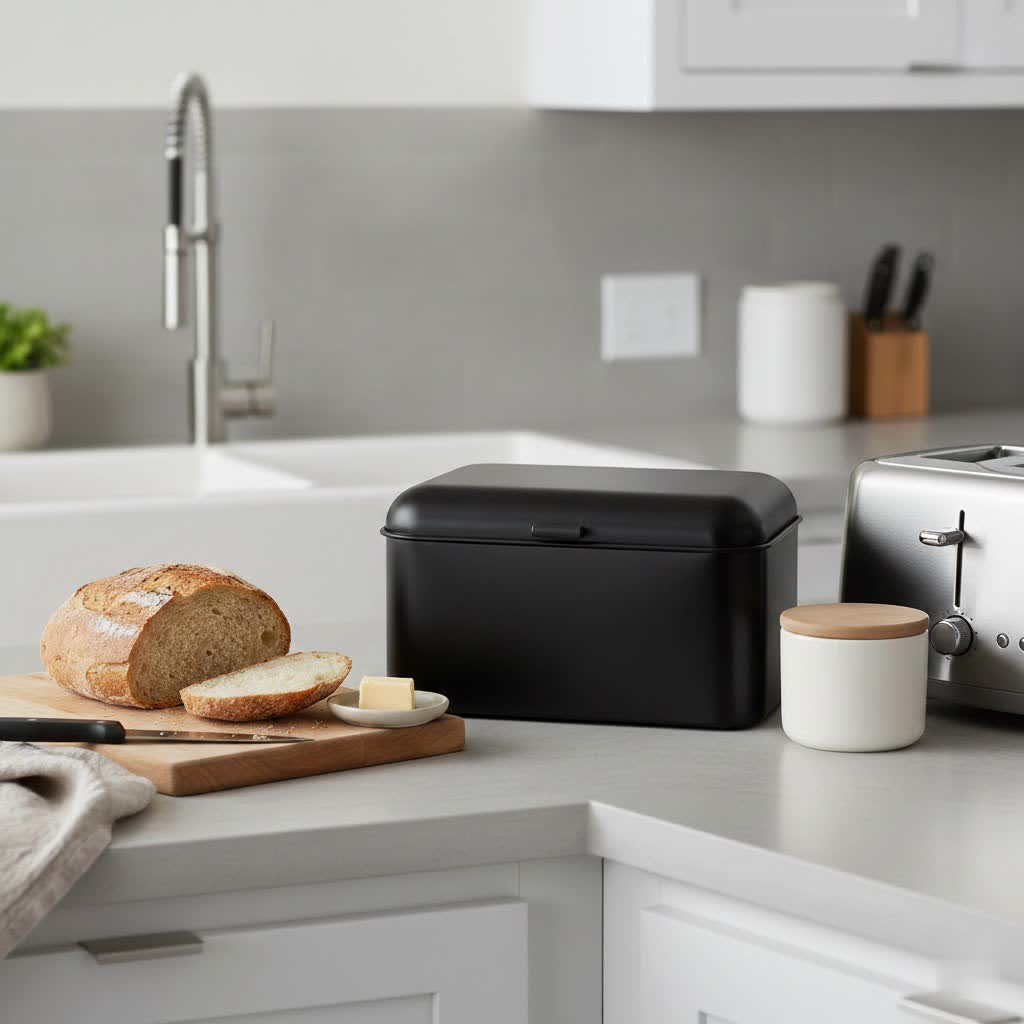
Is your kitchen counter perpetually cluttered with bread crumbs, and your loaves never seem to stay fresh for long? You’re not alone. Many home cooks struggle to keep their favorite artisan bread, bagels, and pastries perfectly preserved while maintaining a tidy kitchen. The solution might be simpler and more elegant than you think: a bread box with an integrated cutting board. This innovative kitchen essential not only provides optimal storage to extend the freshness of your baked goods but also offers the unparalleled convenience of an immediate, mess-free slicing surfaceLet’s explore how this dual-purpose item can improve your daily bread routine and improve your kitchen’s functionality and style.
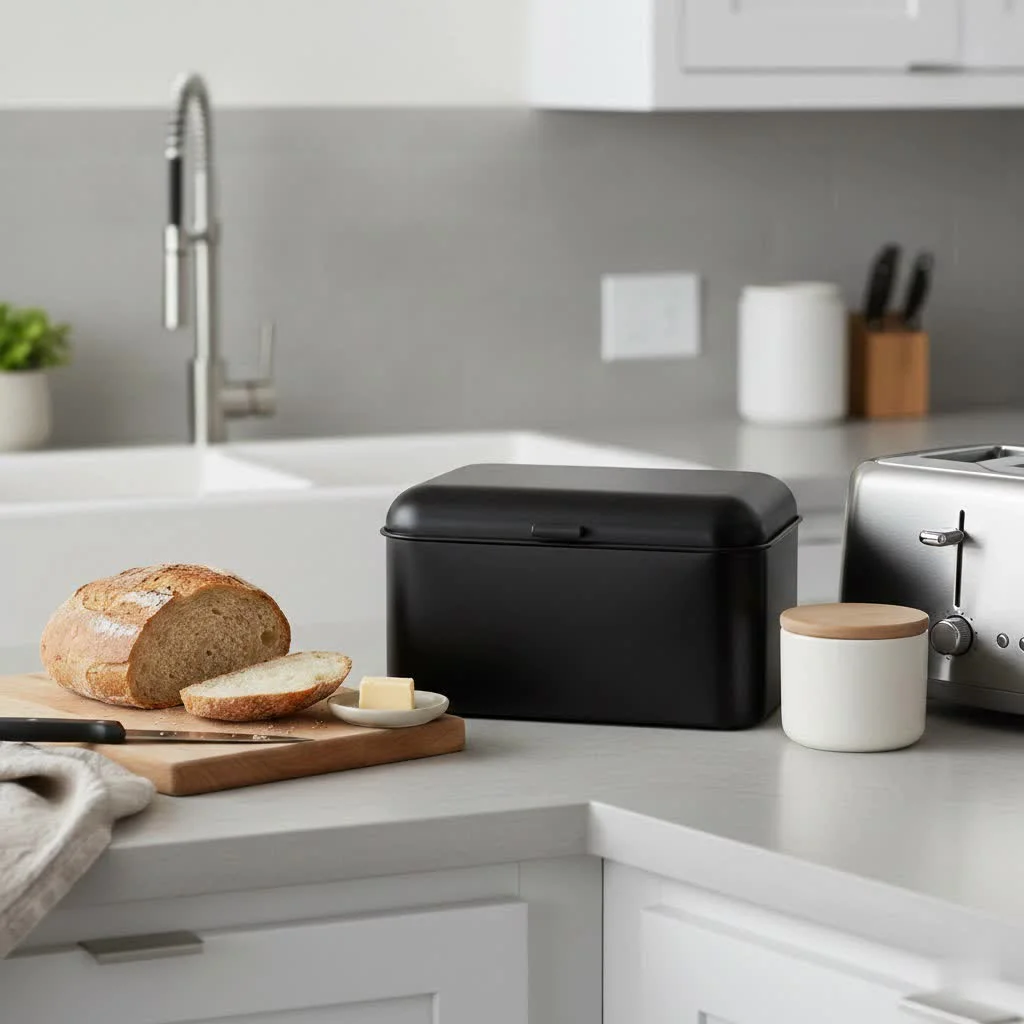
What is a Bread Box with Cutting Board?
A bread box, often referred to as a bread bin, is a dedicated container designed to store bread and other baked goods at room temperature, protecting them from drying out and staling. The primary goal is to create a controlled environment that balances humidity and airflow, preventing both excessive moisture (which leads to mold) and too much exposure to air (which causes staleness). The modern innovation of a “bread box with cutting board” takes this functionality a step further by incorporating a cutting surface directly into its design, often as the lid itself. This integration streamlines the process of slicing and serving bread, making it a truly multi-functional piece for any kitchen. For expert kitchen organization reviews on this site.
Historically, bread boxes evolved from simple wooden chests used in households to preserve bread. As baking became more sophisticated and kitchens more compact, the design adapted. The inclusion of a cutting board is a relatively recent, yet highly practical, enhancement, born from the desire for efficiency and tidiness in contemporary kitchens.
Why a Bread Box with an Integrated Cutting Board is a Kitchen Essential
The benefits of investing in a bread box, especially one with a built-in cutting board, extend far beyond simple storage.
Keeps Bread Fresher, Longer
The fundamental purpose of any bread box is to maintain the ideal environment for baked goods. Unlike refrigeration, which can dry out bread and alter its texture, a good bread box allows for a minimal amount of airflow while retaining essential moisture. This carefully balanced atmosphere slows down the staling process and inhibits mold growth, ensuring your sourdough, baguettes, or sandwich loaves remain soft and delicious for several days. Many designs feature subtle ventilation holes or slightly non-airtight lids to achieve this perfect balance.
Prevents Mess and Clutter
|
Our Picks for the Best Bread Box in 2026
As an Amazon Associate I earn from qualifying purchases.
|
||
| Num | Product | Action |
|---|---|---|
| 1 | ROYALHOUSE Natural Bamboo Roll Top Bread Box Kitchen Food Storage - Assembly Required |

|
| 2 | Black Corner Bread Box for Kitchen Countertop, Large Bread Container Storage Bamboo Wooden Farmhouse Bread Box with Window Bread Holder |
|
| 3 | 2 Pack Glass Loaf Pan with Lid, 1.9QT/ 62 OZ Bread Pan - Baking Dish with Airtight Lids BPA free - Meatloaf Pans For Homemade Bread, Baking, Cakes, Dessert,Microwave & Oven Safe |
|
| 4 | Double Layer Bread Box for Kitchen Countertop, Large Breadbox Bread Container Storage with Windows, Wooden Farmhouse Bread Holder (Black) |
|
| 5 | ZICOTO Beautiful Bread Box With Wooden Lid For Your Kitchen Countertop - Spacious Container Perfectly Stores Your Homemade Bread, English Muffins & Bagels - Quality Cutting Board Lid Keeps Loaf Fresh |
|
| 6 | Bread Box Bread Boxes for Kitchen Counter Airtight, Time Recording Bread Storage Container with Lid, Bread Keeper for Homemade Bread, Toast, Bagel, Donut and Cookies, Grey |
|
| 7 | Fullin Bread Box for Kitchen Countertop, Bread Storage Container Large Capacity Bamboo Homemade Bread Boxes, Bread Food Holder Organizer with Acrylic Window for Kitchen Counter, Panry Shelf, Cabinet |
|
| 8 | Sunhoo Bread Box for Kitchen Countertop Wooden Bread Storage Container Bin 2 Layer Breadbox Holder Large Capacity Keeper Vintage Farmhouse Food Organizer Pantry Shelf Acrylic Window (Brown) |
|
| 9 | Amazon Basics Carbon Steel Bread Box with Acacia Wood Lid, Lid Doubles as Cutting Board, 11.9 x 7.1 x 5.2 in. |
|
| 10 | Bamboo Bread Box for Kitchen Counter-Large Capacity Bread Storage Container Farmhouse Bread Box with Window Bread Holder |
|
Anyone who has ever sliced a fresh loaf knows the inevitable shower of crumbs that follows. A bread box with a cutting board addresses this directly. The integrated cutting surface often features grooves or a crumb-catching design that traps debris, preventing it from scattering across your countertops. This not only makes cleanup a breeze but also keeps your kitchen looking organized and tidy, eliminating the need for a separate cutting board and the constant wiping of crumb trails.
Space-Saving Multi-Functionality
Kitchen space is often at a premium. A bread box with an integrated cutting board offers a smart, two-in-one solution that reduces the number of tools cluttering your cabinets or countertops. When you’re ready to slice, simply lift or flip the lid, and your cutting surface is immediately available. This design is particularly beneficial in smaller kitchens where every inch counts, providing both storage and a prep area in a single, compact footprint.
Protects Countertops and Knives
Using a designated cutting board protects your valuable kitchen surfaces from knife marks and wear. An integrated board ensures you always have a safe, appropriate surface for slicing bread, rather than resorting to an unprotected countertop. Specific bread cutting boards are designed to be gentle on your knives, helping to maintain their sharpness longer compared to cutting on harder surfaces.
Adds Style and Organization to Your Kitchen
Beyond its practical advantages, a well-chosen bread box with a cutting board can significantly enhance your kitchen’s aesthetic. Available in various materials and styles, from rustic farmhouse to sleek modern, these boxes can complement your decor, acting as a stylish focal point while neatly containing your baked goods. They create a dedicated “bread station,” promoting a sense of order and sophistication.
Exploring Materials: The Foundation of Your Bread Box
The material of your bread box with a cutting board influences its durability, aesthetics, and how effectively it preserves bread.
Wooden Bread Boxes (e.g., Bamboo, Acacia, Olivewood)
Wooden bread boxes are a popular choice, particularly those made from bamboo, acacia, or olivewood. They offer a natural, warm aesthetic that fits well with many kitchen styles.
- Pros: Natural Beauty & Durability: Wood provides a classic, elegant look and is naturally robust. Moisture Regulation: Many woods, especially bamboo, have natural properties that help regulate humidity inside the box, preventing both dryness and excessive moisture. Eco-Friendly: Bamboo, in particular, is a sustainable and rapidly renewable resource. Some woods may also possess natural germ-killing properties.
- Cons: Maintenance: Wood requires proper care, such as occasional oiling, and should not be left soaking in water to prevent warping or cracking. Can be more expensive than other materials.
Metal Bread Boxes (e.g., Stainless Steel)
Metal bread boxes, typically made from stainless steel, offer a modern and industrial look.
- Pros: Durability & Easy Cleaning: Metal is highly durable and easy to wipe clean. Sleek Aesthetics: Stainless steel provides a contemporary, minimalist appeal.
- Cons: Ventilation: Metal can be too airtight, which is not ideal for bread storage unless specifically designed with ventilation holes. Visibility: Opaque metal prevents you from seeing the contents, making it harder to know when you’re running low. Smudges: Can show fingerprints and smudges easily.
Ceramic Bread Boxes
Ceramic bread boxes are less common for integrated cutting boards but are valued for their specific properties.
- Pros: Excellent Moisture Retention: Ceramic helps maintain a stable, slightly humid environment, which is excellent for certain types of bread. Rustic Charm: Often comes in attractive, artisan designs.
- Cons: Fragility: Ceramic is heavy and prone to breaking if dropped. Weight: Can be less practical to move around.
While plastic bread boxes exist, they are less frequently paired with integrated cutting boards due to aesthetic and material durability considerations for a cutting surface.
Key Features to Look for in a Bread Box with Cutting Board
When selecting your ideal bread box, several features contribute to its overall effectiveness and convenience.
- Optimal Ventilation: This is paramount for bread freshness. Look for subtle ventilation holes, a ribbed bottom to allow airflow underneath the loaf, or a lid design that isn’t completely airtight. Proper ventilation prevents condensation buildup and mold without drying out the bread.
- Cutting Board Design: Evaluate how the cutting board is integrated. Is it the main lid, a removable insert, or a slide-out tray? Consider if it has crumb-catching grooves or a raised edge to contain mess. A reversible lid that acts as a cutting board on one side is a popular and efficient design.
- Size and Capacity: Consider how much bread you typically store. Do you buy large artisan loaves, multiple smaller items like bagels, or bake your own frequently? Ensure the box is spacious enough to accommodate your needs without squishing items, and that it fits comfortably on your countertop or in your pantry, especially under overhead cabinets.
- Lid Style: Common lid styles include roll-top, lift-off, and hinged doors. Roll-top lids offer easy access and save counter space when open, while lift-off lids often double most effectively as cutting boards.
- Aesthetics and Kitchen Compatibility: The bread box should complement your kitchen decor. Whether you prefer a rustic farmhouse look, a sleek modern design, or something in between, there’s a style to match.
How to Choose the Perfect Bread Box with Cutting Board for Your Home
Selecting the right bread box with a cutting board involves a blend of practical considerations and personal preference.
Assess Your Bread Consumption and Storage Needs
First, determine the volume and type of bread you frequently purchase or bake. If you regularly handle large sourdough loaves, opt for a box with ample dimensions. For households with varied baked goods, a multi-tier or larger capacity box might be more suitable. Consider how often you consume bread and whether you need to store multiple items simultaneously.
Consider Your Kitchen Space and Style
Measure your available countertop or pantry space to ensure the bread box fits without overcrowding. Think about your kitchen’s overall aesthetic. Do you have a contemporary, minimalist design that would benefit from a sleek stainless steel or a simple bamboo box? Or does a rustic, farmhouse-style wooden or ceramic box better suit your traditional decor? The bread box should be a harmonious addition to your kitchen environment.
Prioritize Material and Functionality
Decide which material best aligns with your priorities. If durability and a natural look are key, wood (like bamboo or acacia) is an excellent choice. If ease of cleaning and a modern appearance are more important, a metal base with a wooden lid might be appealing. Crucially, ensure the cutting board functionality is robust and practical for your slicing habits, with effective crumb management features.
About Maintenance and Cleaning
Different materials require varying levels of care. Wooden cutting board lids, for instance, should be hand-washed and dried immediately to prevent warping. Metal or plastic components are often easier to wipe clean. Consider how much effort you’re willing to put into maintaining your bread box to keep it hygienic and looking its best.
Top Picks: Bread Boxes with Cutting Boards We Recommend
After extensive research and user feedback, here are some top contenders that beautifully combine bread storage with cutting board functionality:
1. Joseph Joseph Bread Box with Removable Bamboo Cutting Board
This modern and compact bread box is frequently praised for its smart design. It features a durable base (often polyurethane) and a removable bamboo lid that doubles as a sturdy cutting board. The bamboo lid often incorporates crumb-catching grooves, making slicing neat and tidy. Its non-slip base adds stability during use, and its moderate size fits well on most countertops, proving to keep bread fresh for several days.
2. Emile Henry Breadbox
Crafted from high-quality ceramic with a beechwood lid, the Emile Henry Breadbox offers a rustic yet elegant aesthetic. The ceramic base provides an excellent environment for moisture regulation, helping to keep bread fresh. The beechwood lid is designed to be flipped over and used as a cutting board. While not always airtight, a subtle hole at the bottom encourages minimal airflow to prevent mold, making it a premium choice for those who value craftsmanship and effective preservation.
3. Abioto Baking Modern Bread Box With Cutting Board
Crafted from eco-friendly bamboo fiber, this stylish and functional bread box is designed for home bakers. Its spacious interior can accommodate tall sourdough loaves without squishing them, and a unique ribbed bottom enhances airflow, keeping bread soft and fresh. The innovative cutting board lid transforms the storage solution into a versatile kitchen tool, allowing for easy slicing directly at the point of storage. It represents a modern choice that prioritizes both fresh bread and kitchen efficiency.
Conclusion
A bread box with an integrated cutting board is more than just a storage container; it’s a versatile kitchen upgrade that simplifies your routine, keeps your baked goods perfectly fresh, and contributes to a more organized and aesthetically pleasing countertop. By understanding the different materials, key features, and how to choose the right one for your needs, you can easily find a bread box that brings both functionality and style to your home. Say goodbye to stale loaves and scattered crumbs, and hello to effortless slicing and prolonged freshness. Which bread box with cutting board will you choose to enhance your kitchen experience?
Frequently Asked Questions
How does a bread box with a cutting board keep bread fresh?
A bread box with a cutting board typically maintains a semi-airtight environment that balances humidity and airflow. It prevents bread from drying out too quickly (like in open air) and avoids excessive moisture buildup (like in an airtight container or refrigerator), which can lead to mold. The cutting board lid often contributes to this controlled atmosphere while offering a convenient slicing surface.
Can I use the cutting board for other foods besides bread?
While primarily designed for bread, the integrated cutting board can often be used for other light chopping tasks, such as slicing pastries, bagels, or even small fruits. However, it’s generally recommended to dedicate it primarily to bread to avoid cross-contamination and preserve its specific bread-cutting features, like crumb grooves.
What is the best material for a bread box with a cutting board?
The “best” material depends on your priorities. Wooden options like bamboo or acacia are popular for their natural aesthetics, durability, and moisture-regulating properties. Metal boxes offer a sleek look and are easy to clean, while ceramic provides excellent moisture retention. Consider your kitchen’s style, desired maintenance, and specific bread storage needs when choosing.
Cooking gear we tested in our own kitchens
Free PDF — preheat times measured on 10 popular air fryers.

I was so tired of my artisan bread going stale in just a day or two, and the crumbs everywhere after slicing were a nightmare. This guide really opened my eyes to the integrated cutting board feature. I bought one of the bamboo models mentioned, and it’s been a game-changer. My sourdough stays fresh for so much longer, and cleanup is a breeze. Highly recommend!
I’ve been looking for a better way to store my bagels and pastries without them getting squished or drying out. The idea of a bread box with a built-in cutting board seemed a bit extra at first, but after reading about the convenience, I decided to try it. It’s definitely improved my counter tidiness and the freshness of my baked goods. My only minor complaint is that some of the larger loaves don’t fit quite as easily as I’d hoped, but it’s still a solid upgrade.
I appreciate the detailed breakdown of different bread box materials. I ended up getting a ceramic one because I liked the look, but I’ve found the cutting board part to be a little less sturdy than I expected for heavier, crusty breads. It works fine for softer loaves, but I still grab my separate cutting board for anything really dense. It does keep my bread fresh, though, which is the main thing.
My kitchen counter used to be a constant battleground of bread crumbs and stray knives. The concept of a dual-purpose item like this bread box with an integrated cutting board is genius. I picked up a metal one with a wooden lid, and it looks fantastic while keeping my brioche rolls perfectly soft. It’s amazing how much difference one item can make in reducing clutter and improving functionality.