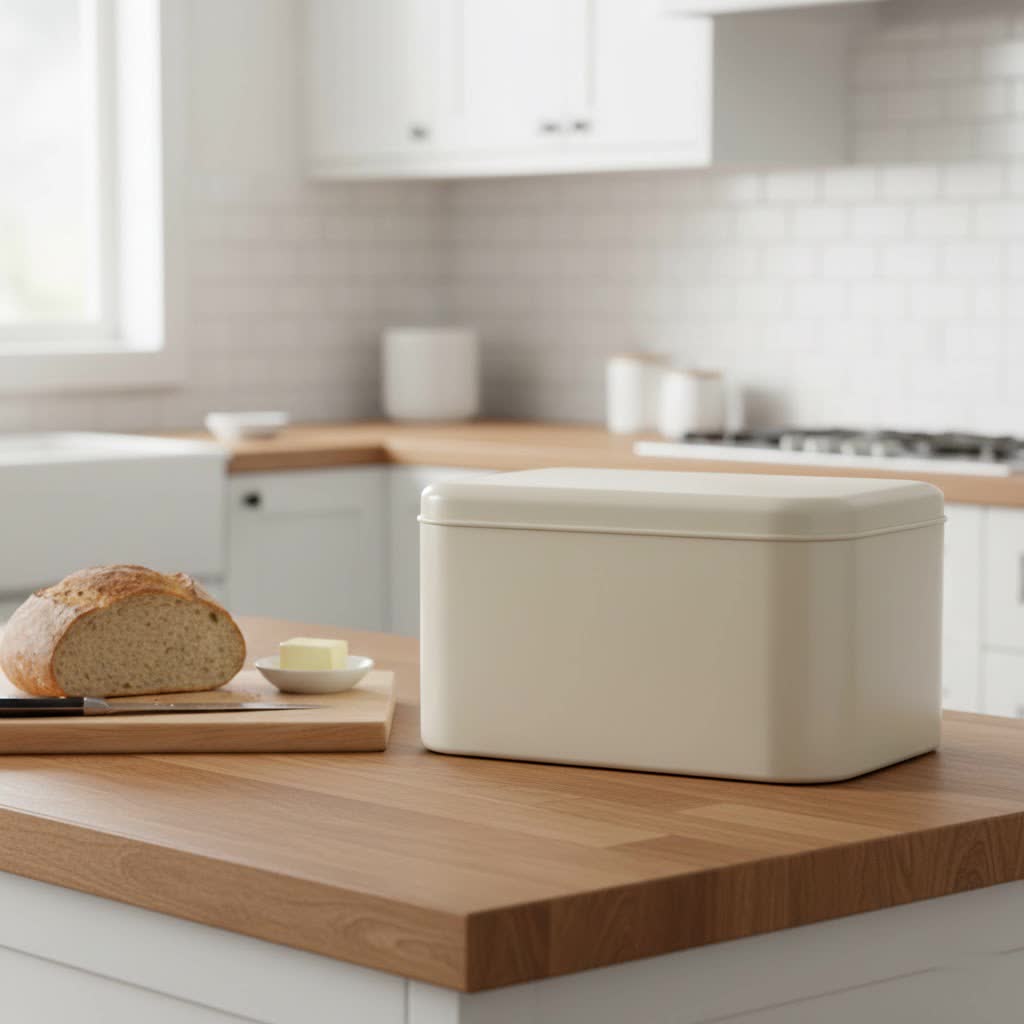
Have you ever tossed out a perfectly good loaf of bread because it went stale too quickly, or worse, discovered a fuzzy green surprise? It’s a common kitchen dilemma, but the solution is simpler than you might think: a dedicated bread storage box. Far from being an outdated kitchen relic, a modern bread box is a smart investment for anyone who appreciates fresh bread, reduces food waste, and loves an organized countertop. This comprehensive guide will walk you through everything you need to know about selecting the perfect bread box to keep your beloved baked goods delightfully fresh for longer.
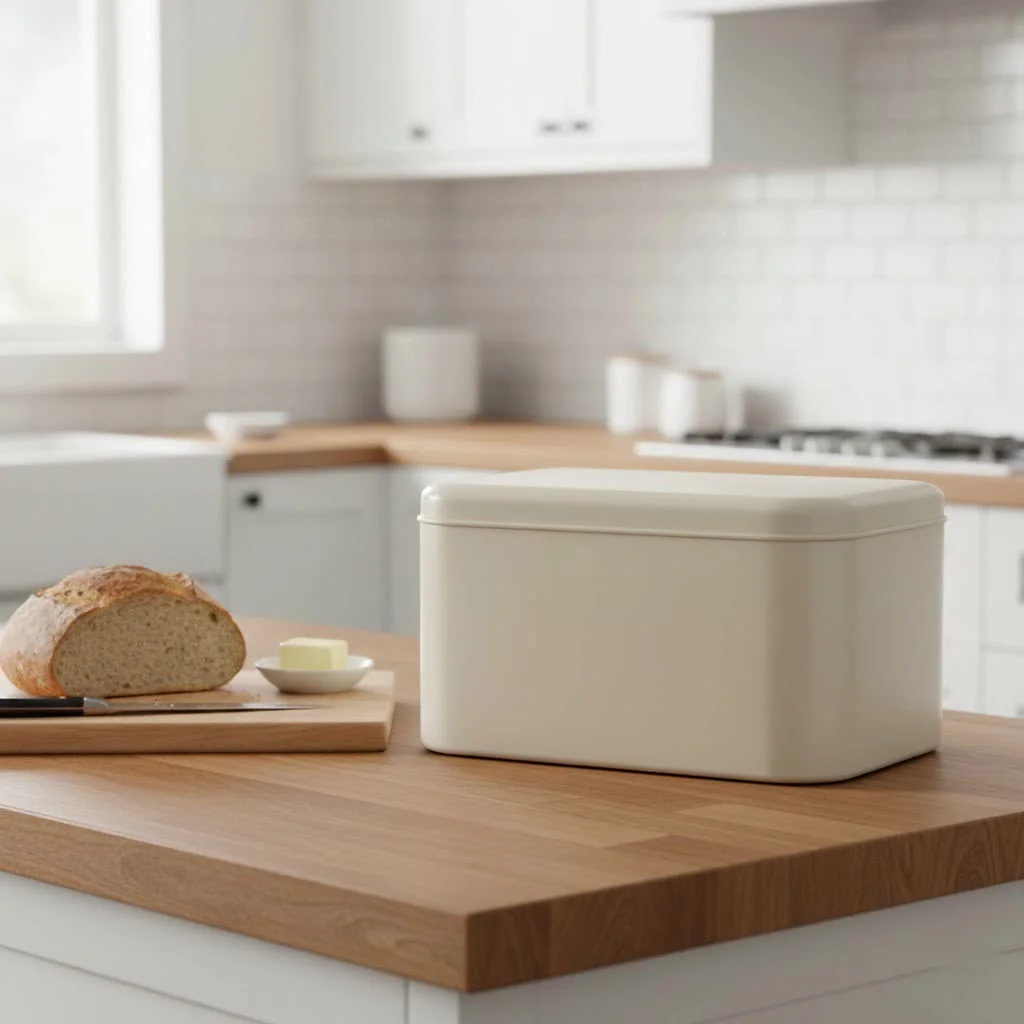
What is a Bread Box, and How Does It Work?
A bread box, at its core, is a specialized container designed to extend the freshness of bread and other baked goods. Its primary function is to create an optimal microclimate that regulates humidity and airflow, preventing bread from drying out too quickly or becoming a haven for mold. For shop curated kitchen organization on this site.
Unlike airtight containers that trap moisture and accelerate mold growth, a well-designed bread box allows for a small amount of air circulation. This controlled environment ensures that bread retains its natural moisture without becoming soggy, thereby delaying staleness and inhibiting mold development. It’s a delicate balance that helps your sourdough, baguettes, and sandwich loaves stay soft and enjoyable for days longer than if left on the counter or stored in a plastic bag.
Why You Need a Bread Box for Optimal Freshness
Investing in a bread box offers a multitude of benefits that extend beyond just prolonging the life of your bread. It’s a simple yet effective tool for smarter kitchen management and a more enjoyable bread-eating experience.
- Keeps Bread Fresher, Longer: The most obvious benefit is superior preservation. A good bread box maintains the ideal balance of moisture, slowing down the staling process and keeping crusts crisp and interiors soft for extended periods.
- Prevents Mold and Spoilage: By allowing a controlled amount of air exchange, bread boxes prevent the build-up of excess moisture, which is the primary catalyst for mold growth. This means fewer wasted loaves and more delicious slices.
- Protects from Pests: Bread left exposed on the counter can attract unwanted attention from insects or even curious pets. A sturdy bread box acts as a protective barrier, keeping your baked goods safe and sanitary.
- Enhances Kitchen Organization and Aesthetics: Beyond functionality, bread boxes serve as excellent countertop organizers. They neatly contain loaves, rolls, and pastries, reducing clutter and adding a touch of style to your kitchen decor, whether you prefer a rustic farmhouse look or sleek modern minimalism.
Popular Types of Bread Boxes
Bread boxes come in a variety of materials and designs, each offering unique advantages and aesthetic appeals. Understanding these differences will help you choose one that best fits your lifestyle and kitchen.
By Material
|
Our Picks for the Best Bread Box in 2026
As an Amazon Associate I earn from qualifying purchases.
|
||
| Num | Product | Action |
|---|---|---|
| 1 | Double Layer Bread Box for Kitchen Countertop, Large Breadbox Bread Container Storage with Windows, Wooden Farmhouse Bread Holder (Black) |

|
| 2 | ROYALHOUSE Natural Bamboo Roll Top Bread Box Kitchen Food Storage - Assembly Required |
|
| 3 | 2 Pack Glass Loaf Pan with Lid, 1.9QT/ 62 OZ Bread Pan - Baking Dish with Airtight Lids BPA free - Meatloaf Pans For Homemade Bread, Baking, Cakes, Dessert,Microwave & Oven Safe |
|
| 4 | Sunhoo Bread Box for Kitchen Countertop Wooden Bread Storage Container Bin 2 Layer Breadbox Holder Large Capacity Keeper Vintage Farmhouse Food Organizer Pantry Shelf Acrylic Window (Brown) |
|
| 5 | ZICOTO Beautiful Bread Box With Wooden Lid For Your Kitchen Countertop - Spacious Container Perfectly Stores Your Homemade Bread, English Muffins & Bagels - Quality Cutting Board Lid Keeps Loaf Fresh |
|
| 6 | Bamboo Bread Box for Kitchen Counter-Large Capacity Bread Storage Container Farmhouse Bread Box with Window Bread Holder |
|
| 7 | Bread Box Bread Boxes for Kitchen Counter Airtight, Time Recording Bread Storage Container with Lid, Bread Keeper for Homemade Bread, Toast, Bagel, Donut and Cookies, Grey |
|
| 8 | Amazon Basics Carbon Steel Bread Box with Acacia Wood Lid, Lid Doubles as Cutting Board, 11.9 x 7.1 x 5.2 in. |
|
| 9 | Fullin Bread Box for Kitchen Countertop, Bread Storage Container Large Capacity Bamboo Homemade Bread Boxes, Bread Food Holder Organizer with Acrylic Window for Kitchen Counter, Panry Shelf, Cabinet |
|
| 10 | Black Corner Bread Box for Kitchen Countertop, Large Bread Container Storage Bamboo Wooden Farmhouse Bread Box with Window Bread Holder |
|
The material of your bread box plays a crucial role in its effectiveness, durability, and visual appeal.
- Wood: Wooden bread boxes, often crafted from bamboo, acacia, or olivewood, are highly popular for their natural beauty and excellent breathability.
- Pros: Porous nature helps absorb excess moisture, preventing mold. They offer a warm, classic aesthetic and are generally durable.
- Cons: Can be more expensive than other materials and may require more care, such as occasional oiling, to prevent drying or cracking. They can also absorb odors if not cleaned properly.
- Care: Wipe with a damp cloth; avoid harsh detergents or prolonged soaking. Ensure it’s completely dry before storing bread.
- Metal: Stainless steel, galvanized steel, or enameled metal bread boxes provide a sleek, modern, or vintage industrial look.
- Pros: Extremely durable, easy to clean, and often more affordable. Metal can be very effective at keeping pests out.
- Cons: Some metal boxes can be too airtight if not designed with proper ventilation, which can lead to rapid mold growth. They can also show fingerprints.
- Care: Simple wipe-down with soapy water is usually sufficient. Look for models with small ventilation holes.
- Plastic: While less common for dedicated bread boxes that focus on freshness, plastic options exist, often for temporary storage or specific bread types.
- Pros: Lightweight, inexpensive, and sometimes clear, allowing you to see contents easily.
- Cons: Less breathable than wood or metal (unless specifically designed with vents), can lead to faster staleness or mold. Aesthetics are often less appealing.
- Care: Very easy to clean and dishwasher-safe for many models.
- Ceramic/Earthenware: These traditional materials offer excellent insulation and a charming, often rustic, appeal.
- Pros: Good at maintaining a stable temperature, which can be beneficial in fluctuating kitchen environments. Often porous enough for good breathability.
- Cons: Fragile and heavy, making them less portable and prone to breakage if dropped.
- Care: Hand wash is usually recommended due to fragility.
By Style and Design
Beyond material, the design of a bread box impacts its usability and how it integrates into your kitchen space.
- Roll-Top Boxes: Featuring a curved, sliding lid, these are a classic design. They are space-efficient as the lid retracts neatly into the box, requiring no extra clearance on the counter.
- Flip-Top/Lidded Boxes: These have a hinged or removable lid. Some designs incorporate the lid as a cutting board, adding a practical multi-functional element. They require vertical space for the lid to open.
- Drawer-Style Boxes: Less common as standalone units, but sometimes integrated into kitchen cabinets or larger storage systems. These offer a seamless, built-in look.
- Wall-Mounted Boxes: An excellent space-saving solution for smaller kitchens, these attach directly to a wall, freeing up precious countertop real estate.
- Double-Layer Boxes: Designed to hold multiple loaves or different types of baked goods, these boxes often have two tiers, maximizing storage capacity within a compact footprint.
Comparing Bread Box Options: A Quick Guide
To help you make an informed decision, here’s a comparison of common bread box types:
| Feature | Wood (e.g., Bamboo) | Metal (e.g., Stainless Steel) | Ceramic/Earthenware | Plastic (Ventilated) |
|---|---|---|---|---|
| Key Pros | Natural breathability, aesthetic appeal | Durable, easy to clean, modern look | Stable temperature, rustic charm | Lightweight, affordable, often clear |
| Key Cons | Higher cost, needs care, absorbs odors | Can be too airtight, shows fingerprints | Fragile, heavy, less portable | Less breathable, less durable |
| Longevity | High (with care) | Very High | Moderate (if handled carefully) | Moderate |
| Aesthetics | Warm, rustic, traditional | Sleek, modern, industrial, vintage | Artisan, farmhouse | Functional, utilitarian |
| Care | Wipe clean, occasional oiling | Easy wipe clean | Hand wash, avoid drops | Easy wipe clean, often dishwasher-safe |
| Price | $$ – $$$ | $ – $$ | $$ – $$$ | $ |
Choosing the Right Bread Box for Your Home
Selecting the perfect bread box involves considering your unique needs, kitchen environment, and personal style.
Assess Your Needs
Start by thinking about how you typically consume and store bread.
- Quantity and Type of Bread: Do you buy one standard loaf of sandwich bread a week, or do you frequently bake artisanal boules and baguettes? Some boxes are ideal for a single loaf, while larger or double-layer models can accommodate multiple items.
- Kitchen Space: Evaluate your available countertop space. A roll-top or wall-mounted box saves space, whereas a flip-top might require more clearance.
- Kitchen Decor: Your bread box should complement your kitchen’s overall aesthetic, whether it’s country chic, minimalist modern, or industrial.
Material and Style Considerations
Once you know your needs, narrow down your choices based on material and style.
- Prioritize Safety and Ease of Cleaning: Ensure the material is food-safe. Easy cleaning is crucial for hygiene and preventing mold, so consider how simple it is to wipe down and dry.
- Match Style to Space: A natural wooden box might perfectly suit a farmhouse kitchen, while a stainless steel option could enhance a contemporary design. Consider visibility—do you want a clear window to see contents, or a solid design for a streamlined look?
Essential Features to Look For
Beyond basic function, certain features can significantly enhance the utility of your bread box.
- Adequate Ventilation: This is paramount. Look for small, discreet air vents or a design that naturally allows for some airflow without drying out the bread.
- Moisture-Resistant Base: A raised or moisture-resistant base can prevent condensation from forming underneath, protecting both your bread and your countertop.
- Smart Design Elements: Some bread boxes come with integrated cutting boards as lids, or removable crumb trays for easy cleaning. These thoughtful additions add practicality to your purchase.
Top Bread Box Picks for Every Kitchen
While the “best” bread box is subjective, here are a few highly-regarded options that exemplify quality and thoughtful design across different categories:
- Oggi Stainless Steel Roll Top Bread Box: Often praised as a top pick for its affordability and classic roll-top design. It offers good capacity for everyday loaves and a durable, easy-to-clean stainless steel construction that fits many kitchen styles.
- ETMI Bamboo Bread Box: An excellent budget-friendly bamboo option. It provides the natural breathability of wood, often featuring a functional design that can blend seamlessly into a rustic or contemporary kitchen.
- Yamazaki Steel and Wood Bread Box: A fantastic choice for a modern minimalist aesthetic and large capacity. This bread box often combines sturdy steel with a warm wooden lid, offering both style and ample storage for multiple items.
- Emile Henry Breadbox: A premium ceramic option, known for its excellent temperature regulation and porous, unglazed lid that naturally wicks away excess moisture. Ideal for artisanal bakers seeking optimal conditions for their homemade loaves.
Conclusion
A bread storage box is more than just a container; it’s a commitment to preserving freshness, reducing waste, and maintaining a tidy kitchen. By understanding the different materials, styles, and key features available, you can confidently select a bread box that not only keeps your favorite baked goods deliciously fresh but also complements your personal kitchen aesthetic. So, why let another loaf go stale when the perfect solution is within reach? Which bread box will you choose to improve your kitchen and your bread experience?
Frequently Asked Questions
How often should I clean my bread box?
It’s essential to clean your bread box regularly, ideally every week or whenever you finish a loaf. This prevents crumb build-up, which can attract pests and harbor mold spores. A simple wipe-down with warm, soapy water, followed by thorough drying, is usually sufficient.
Can a bread box really keep bread fresh longer than a plastic bag?
Yes, absolutely. A well-designed bread box creates a balanced environment that prevents bread from either drying out too quickly or becoming too moist, both of which accelerate spoilage. Plastic bags, by contrast, often trap humidity, which can lead to rapid mold growth, especially in warmer climates.
Is wood or metal better for a bread box?
Both wood and metal make excellent bread boxes, and the choice often comes down to personal preference and specific design. Wooden boxes (like bamboo) are naturally porous, offering good breathability, while metal boxes are durable and easy to clean. Many effective bread boxes combine elements of both materials to achieve optimal bread preservation.
Cooking gear we tested in our own kitchens
Free PDF — preheat times measured on 10 popular air fryers.

I bought a ceramic bread crock after reading about how they help regulate humidity. While it does keep my homemade bread from drying out too fast, it’s quite heavy and takes up a lot of counter space. It’s also a bit of a pain to clean. I might try a different material next time, but for now, it’s doing an okay job.
I’ve always just kept my bread in its original bag, but after reading about the ‘fuzzy green surprise,’ I knew I needed a better solution. I opted for a metal bread bin, and it looks great on my counter. It keeps my sandwich bread soft, though I do wish it was a little larger to fit two loaves comfortably. Still, a solid improvement.
I was so tired of my artisan loaves going stale in just a couple of days. This guide really helped me understand the importance of proper airflow. I ended up getting a bamboo bread box with ventilation holes, and it’s made a huge difference. My sourdough stays fresh for almost a week now! Definitely a game-changer for reducing food waste.
This guide was super helpful in explaining the different types of bread boxes. I never realized how much humidity control played a role in keeping bread fresh. I went with a wooden bread box, and it’s perfect for my brioche and challah. No more stale bread, and my kitchen looks so much more organized!