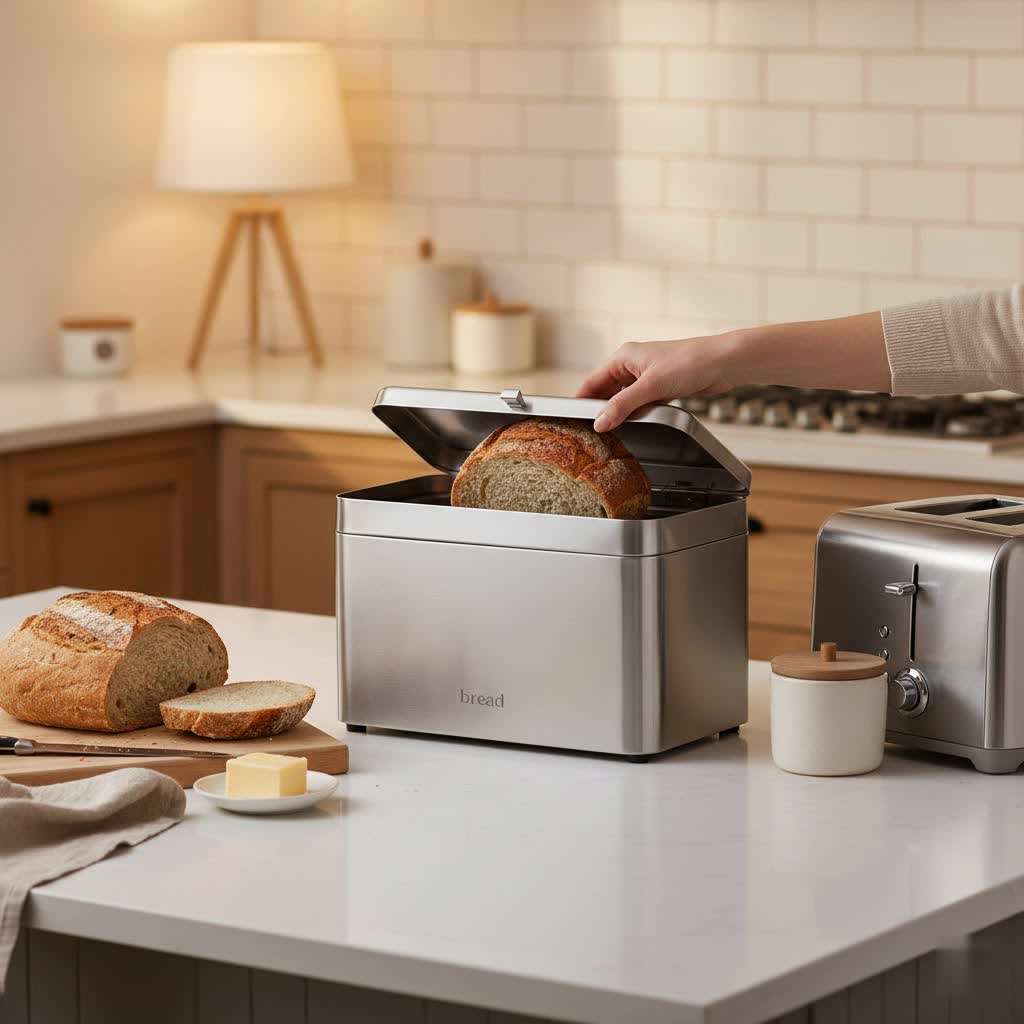
There’s nothing quite like the aroma and taste of freshly baked bread. But maintaining that delightful freshness beyond the first day often feels like a culinary challenge. If you’ve ever wrestled with stale crusts or the disappointment of mold, you know the struggle is real. The good news? The solution might be simpler, and more stylish, than you think: the humble bread box. This classic kitchen essential is making a powerful comeback, and for very good reason. It’s an ingenious way to extend the life of your beloved loaves, ensuring every slice is as enjoyable as the first, while keeping your kitchen counter looking impeccably tidy. Let’s dive into the world of bread boxes and discover how they can improve your bread storage.
What Exactly is a Bread Box?
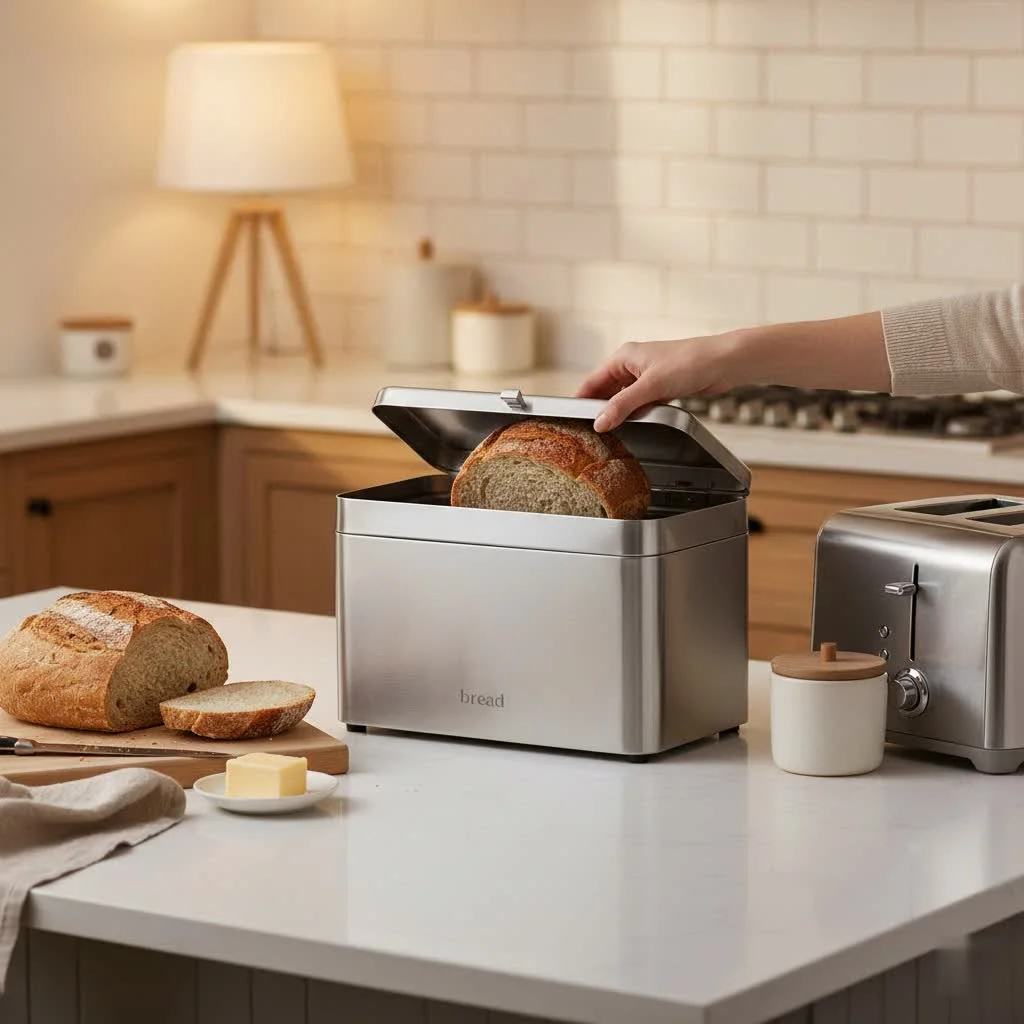
A bread box, at its core, is a specialized container designed to store bread and other baked goods at room temperature. Its primary purpose is to create an optimal microclimate that prevents bread from going stale too quickly or developing mold. For see our kitchen organization recommendations on this site.
Historically, bread boxes have been a staple in kitchens for centuries, evolving from simple wooden chests to more elaborate metal, ceramic, or plastic designs. Their enduring presence speaks to their fundamental effectiveness in an era before widespread refrigeration, when proper bread storage was crucial for minimizing waste and maximizing enjoyment. Today, they combine that timeless utility with modern aesthetics, making them a functional and decorative addition to any kitchen.
Why Do You Need a Bread Box?
If you’re wondering whether a bread box is truly necessary, consider these compelling benefits that go beyond simple storage.
Keeps Bread Fresher for Longer
The most significant advantage of a bread box is its ability to regulate humidity and airflow. It’s a delicate balance: too much air exposure leads to staling, while too little (like in a tightly sealed plastic bag) traps moisture and encourages mold. A well-designed bread box provides just enough ventilation to prevent moisture buildup, keeping the bread’s interior soft and preventing its crust from hardening prematurely. This extends the lifespan of your bread by several days, sometimes even up to a week.
Prevents Mold and Bacteria Growth
By managing humidity, bread boxes actively combat one of bread’s biggest enemies: mold. Excess moisture is a breeding ground for mold spores. The subtle ventilation in a bread box allows humid air to escape, significantly reducing the risk of mold growth compared to airtight containers or plastic bags.
Protects Bread from Pests and Elements
|
Our Picks for the Best Bread Box in 2026
As an Amazon Associate I earn from qualifying purchases.
|
||
| Num | Product | Action |
|---|---|---|
| 1 | Double Layer Bread Box for Kitchen Countertop, Large Breadbox Bread Container Storage with Windows, Wooden Farmhouse Bread Holder (Black) |

|
| 2 | ZICOTO Beautiful Bread Box With Wooden Lid For Your Kitchen Countertop - Spacious Container Perfectly Stores Your Homemade Bread, English Muffins & Bagels - Quality Cutting Board Lid Keeps Loaf Fresh |
|
| 3 | 2 Pack Glass Loaf Pan with Lid, 1.9QT/ 62 OZ Bread Pan - Baking Dish with Airtight Lids BPA free - Meatloaf Pans For Homemade Bread, Baking, Cakes, Dessert,Microwave & Oven Safe |
|
| 4 | Bread Box Bread Boxes for Kitchen Counter Airtight, Time Recording Bread Storage Container with Lid, Bread Keeper for Homemade Bread, Toast, Bagel, Donut and Cookies, Grey |
|
| 5 | Amazon Basics Carbon Steel Bread Box with Acacia Wood Lid, Lid Doubles as Cutting Board, 11.9 x 7.1 x 5.2 in. |
|
| 6 | Sunhoo Bread Box for Kitchen Countertop Wooden Bread Storage Container Bin 2 Layer Breadbox Holder Large Capacity Keeper Vintage Farmhouse Food Organizer Pantry Shelf Acrylic Window (Brown) |
|
| 7 | Bamboo Bread Box for Kitchen Counter-Large Capacity Bread Storage Container Farmhouse Bread Box with Window Bread Holder |
|
| 8 | Black Corner Bread Box for Kitchen Countertop, Large Bread Container Storage Bamboo Wooden Farmhouse Bread Box with Window Bread Holder |
|
| 9 | Fullin Bread Box for Kitchen Countertop, Bread Storage Container Large Capacity Bamboo Homemade Bread Boxes, Bread Food Holder Organizer with Acrylic Window for Kitchen Counter, Panry Shelf, Cabinet |
|
| 10 | ROYALHOUSE Natural Bamboo Roll Top Bread Box Kitchen Food Storage - Assembly Required |
|
Leaving bread exposed on the counter invites dust, airborne particles, and curious insects or even rodents. A sturdy bread box provides a protective barrier, shielding your loaves from environmental contaminants and unwelcome pantry invaders, ensuring your bread remains clean and safe to eat.
Creates a Tidy and Aesthetic Kitchen Space
Beyond its practical benefits, a bread box can be a stylish element in your kitchen decor. It provides a designated, attractive home for your bread, eliminating unsightly plastic bags or cluttered countertops. With a vast array of designs, materials, and colors available, you can easily find a bread box that complements your personal style and enhances your kitchen’s overall aesthetic.
Popular Types of Bread Boxes
Bread boxes come in various materials and designs, each offering unique advantages. Understanding these differences can help you choose the perfect one for your kitchen and bread-storing habits.
By Material
-
Wood
- Advantages: Wooden bread boxes are classic, offering a rustic and warm aesthetic. Wood is naturally porous, which allows for some moisture absorption and gentle ventilation, creating a breathable environment ideal for many types of bread. They are durable and can add a touch of timeless elegance.
- Disadvantages: Can be susceptible to warping if exposed to excessive moisture. They might require more careful cleaning and occasional oiling to maintain their finish. They can also be heavier and more expensive than other materials.
- Care: Wipe clean with a damp cloth; avoid harsh chemicals or prolonged soaking.
-
Metal (Stainless Steel, Tin, Enamel)
- Advantages: Metal bread boxes, particularly stainless steel, are highly durable, easy to clean, and often feature sleek, modern designs. Enamel-coated metal options offer vibrant colors and a retro charm. Many metal boxes come with built-in ventilation holes to prevent mold. They are generally more affordable than wooden options.
- Disadvantages: If not adequately ventilated, metal can trap too much moisture, potentially leading to mold. They can also be prone to dents or scratches.
- Care: Easy to wipe down with soap and water. Stainless steel may show fingerprints, requiring regular polishing.
-
Plastic
- Advantages: Plastic bread boxes are lightweight, highly affordable, and often come in transparent designs, allowing you to see your bread at a glance. They are very easy to clean and often shatterproof. Many modern plastic designs incorporate effective ventilation systems.
- Disadvantages: Can sometimes look less sophisticated than wood or metal. Some cheaper plastics may retain odors or stain over time.
- Care: Simple to wash with warm soapy water.
-
Ceramic
- Advantages: Ceramic bread boxes are excellent at maintaining a cool, consistent temperature inside. They are often artisanal and decorative, adding a unique touch to your kitchen. The material’s natural properties can also aid in moisture regulation.
- Disadvantages: Heavy and fragile, making them prone to breaking if dropped. They can also be more expensive.
- Care: Hand wash recommended to prevent chipping.
By Style
-
Roll-Top
- Features a curved lid that rolls back into the box, saving counter space and providing easy access.
-
Flip-Top
- A hinged lid that opens upwards, often providing a wide opening for larger loaves.
-
Drawer
- Designed to slide out like a drawer, sometimes integrated into cabinetry for a seamless look.
-
Wall-Mounted
- A space-saving option that frees up counter space by attaching to the kitchen wall.
Comparing Popular Bread Box Types
To help you make an informed decision, here’s a comparative look at the common bread box types:
| Feature | Wood | Metal | Plastic | Ceramic |
|---|---|---|---|---|
| Aesthetics | Rustic, warm, timeless | Modern, sleek, industrial, or retro | Practical, sometimes less decorative | Artisanal, unique, elegant |
| Durability | High, but can warp | Very high, but can dent/scratch | Moderate, shatterproof | Moderate, fragile, chips easily |
| Moisture Reg. | Good (porous) | Good (with ventilation) | Good (with ventilation) | Good (cool, consistent temp) |
| Ease of Clean | Moderate (gentle wiping) | High (easy to wipe) | Very High (washable) | Moderate (hand wash recommended) |
| Price Range | Medium to High | Low to Medium | Low | Medium to High |
| Maintenance | Occasional oiling | Minimal | Minimal | Careful handling |
| Common Styles | Flip-top, pull-out | Roll-top, flip-top, farmhouse | Roll-top, clear-lid | Canister, lidded jar |
| Pros | Natural appeal, good ventilation | Sturdy, diverse designs, often affordable | Lightweight, clear visibility | Excellent temperature control |
| Cons | Can warp, heavier, costlier | Can trap moisture without proper vents | Less aesthetic, may retain odors | Heavy, fragile, can be expensive |
How to Choose the Right Bread Box for You
Selecting the perfect bread box involves considering your specific needs, kitchen space, and personal preferences.
Determine Your Usage Needs
- Quantity of Bread: Do you typically store a single loaf, or multiple loaves and other baked goods like bagels or pastries? This will dictate the required size and capacity of your bread box.
- Kitchen Space: Measure your available countertop space or cabinet interior to ensure the bread box fits comfortably without obstructing other appliances or workflow. Consider roll-top or wall-mounted options for smaller kitchens.
- Kitchen Style: Your bread box should ideally complement your existing kitchen decor. A rustic wooden box might suit a farmhouse kitchen, while a sleek stainless steel one could be perfect for a modern minimalist space.
Select Material and Style
- Prioritize Safety and Cleaning: Opt for food-grade materials that are non-toxic and easy to keep clean. Stainless steel and plastic are generally the easiest to sanitize.
- Consider Ventilation: Ensure the chosen material and design provide adequate airflow. Wooden boxes naturally breathe, while metal and plastic options should have small ventilation holes to prevent mold.
- Ergonomics and Access: Think about how easily you can open the box and retrieve your bread. Roll-top designs offer smooth, unimpeded access, while flip-tops provide a wide opening.
Look for Supplementary Features
- Ventilation Holes: Essential for regulating humidity and preventing mold. Some boxes have adjustable vents.
- Moisture Control: Materials like wood can naturally absorb some excess moisture. Some modern designs include features like elevated bases to promote airflow around the bread.
- Integrated Cutting Board: A bamboo or wooden lid that doubles as a cutting board is a fantastic space-saving and practical feature.
- Clear Viewing Panels: Useful for quickly checking your bread supply without opening the box.
- Non-Slip Base: Prevents the box from sliding around on your counter.
Top Picks for Keeping Bread Fresh
Here are some of the most highly-regarded bread boxes that consistently deliver on freshness and functionality, based on expert reviews and user satisfaction:
- Oggi Stainless Steel Roll Top Bread Box: Often praised for its excellent value, capacity, and sleek design. It’s known for keeping bread fresh for an extended period, making it a popular overall choice.
- Williams Sonoma Olivewood Bread Box: A premium option celebrated for its beautiful olivewood construction, which naturally helps regulate moisture. It’s also noted for its clear acrylic lid, allowing you to see your loaf.
- Granrosi Large Bread Box: A favorite for those who love the farmhouse aesthetic, offering substantial capacity and effective mold prevention. Its durable metal construction is a bonus.
- ETMI Bamboo Bread Box: A highly-rated affordable option that combines the natural benefits of bamboo with a functional design, often featuring a cutting board lid.
- Joseph Joseph Bread Bin with Bamboo Lid: Known for its thoughtful design and practicality, featuring a durable base and a multi-purpose bamboo lid that can serve as a cutting board.
These top performers demonstrate that whether you prioritize aesthetics, budget, or specific features, there’s a high-quality bread box out there ready to keep your bread in prime condition.
> “A bread box isn’t just about storage; it’s about preserving the joy of fresh bread, day after day. The right one can improve your kitchen and your daily routine.” – Admin, reviewhieutv.com, Kitchen Appliance Expert
Conclusion
Choosing the right bread box can dramatically improve how long your bread stays fresh, reduce waste, and enhance the organization and aesthetics of your kitchen. By understanding the science behind bread preservation and exploring the diverse range of materials, styles, and features available, you can select a bread box that perfectly meets your needs. Investing in this timeless kitchen tool is a small step that yields significant rewards, ensuring that every slice you enjoy is as delicious and soft as intended.
Ready to say goodbye to stale bread and embrace lasting freshness? Which type of bread box will become the next essential item in your kitchen?
Frequently Asked Questions
How long does bread stay fresh in a bread box?
Typically, a bread box can extend the freshness of bread for several days, often up to a week. Homemade bread or artisan loaves might last 3-5 days, while commercial loaves with preservatives could last longer. This is significantly better than leaving bread exposed on the counter or storing it in the refrigerator, which can accelerate staling.
Can a bread box prevent mold?
Yes, a well-designed bread box helps prevent mold by regulating humidity. It allows just enough air circulation to prevent excessive moisture from building up, which is crucial for inhibiting mold growth, unlike sealed plastic bags that can trap moisture and encourage mold.
Is it better to store bread in a plastic bag or a bread box?
A bread box is generally better than a sealed plastic bag for most types of bread. Plastic bags trap moisture, which can lead to a soft crust and faster mold growth. A bread box, with its controlled airflow, helps maintain a crisper crust and reduces the risk of mold while keeping the interior soft.
Should you put bread in the refrigerator?
No, it’s generally not recommended to store bread in the refrigerator. While refrigeration can slow mold growth, it significantly accelerates the staling process, making your bread dry and hard much faster than if stored at room temperature in a bread box. The freezer, however, is excellent for long-term storage.
What is the best material for a bread box to keep bread fresh?
Both wood and metal (with proper ventilation) are excellent materials. Wood naturally absorbs excess moisture, offering good breathability. Metal boxes are durable and easy to clean, often featuring specific ventilation holes for optimal airflow. The “best” depends on your preference for aesthetics and maintenance.
Cooking gear we tested in our own kitchens
Free PDF — preheat times measured on 10 popular air fryers.

I used to just keep my store-bought sandwich bread in its original packaging, but it would always get moldy so fast. After reading about how bread boxes create the perfect humidity, I decided to try one. It’s definitely extended the life of my bread, and I love that my counter looks much tidier without all those plastic bags. Wish I’d gotten one sooner!
I appreciate the breakdown of different materials. I went with a metal bread box, hoping it would be super durable. While it does keep my artisan loaves fresh, I’ve noticed it can be a bit noisy when opening and closing the lid. It’s not a huge deal, but something to consider if you have a quiet kitchen. Still better than plastic bags though.
I’ve always struggled with keeping my sourdough fresh for more than a day or two. This guide really opened my eyes to how a simple bread box could make such a difference. I ended up getting a bamboo one, and it’s been fantastic! My loaves stay soft and delicious for so much longer now, and it looks great on my counter too. No more stale bread going to waste.
This was super helpful! I never really understood the science behind why bread boxes work, but now it makes total sense. I was tired of my homemade whole wheat bread drying out so quickly. I invested in a larger wooden bread box, and it’s been a game-changer for preserving that fresh-baked quality. Highly recommend for any home baker.