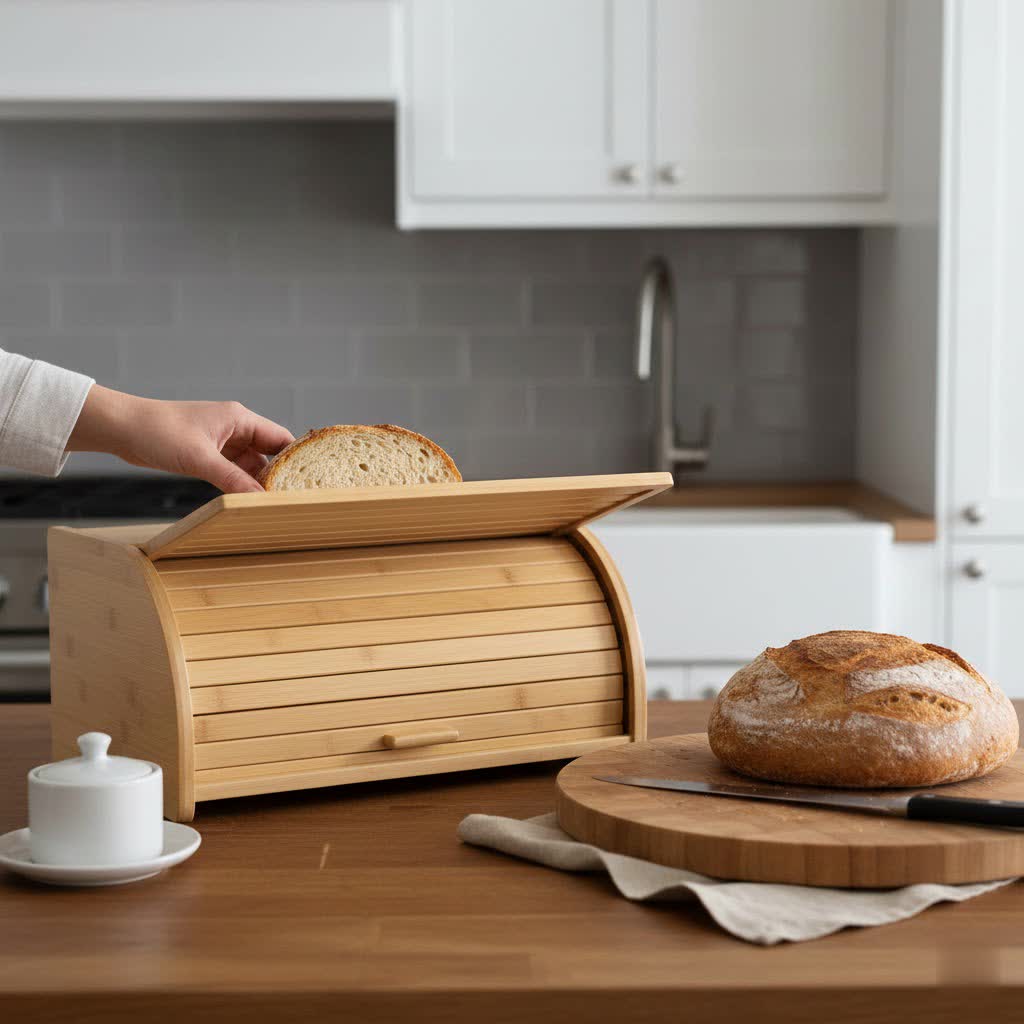
There’s nothing quite as disappointing as reaching for a slice of bread, only to find it stale, moldy, or completely forgotten in its opaque container. We all strive to keep our kitchens organized and our food fresh, yet bread often presents a unique challenge. This is where the humble bread box steps in, but not just any bread box. Modern kitchens and savvy home bakers are increasingly turning to bread boxes with transparent elements, often featuring glass or high-quality acrylic, to marry superior freshness with sophisticated style. These innovative designs offer a clear view of your baked goods, ensuring nothing goes to waste while elevating your countertop aesthetic.
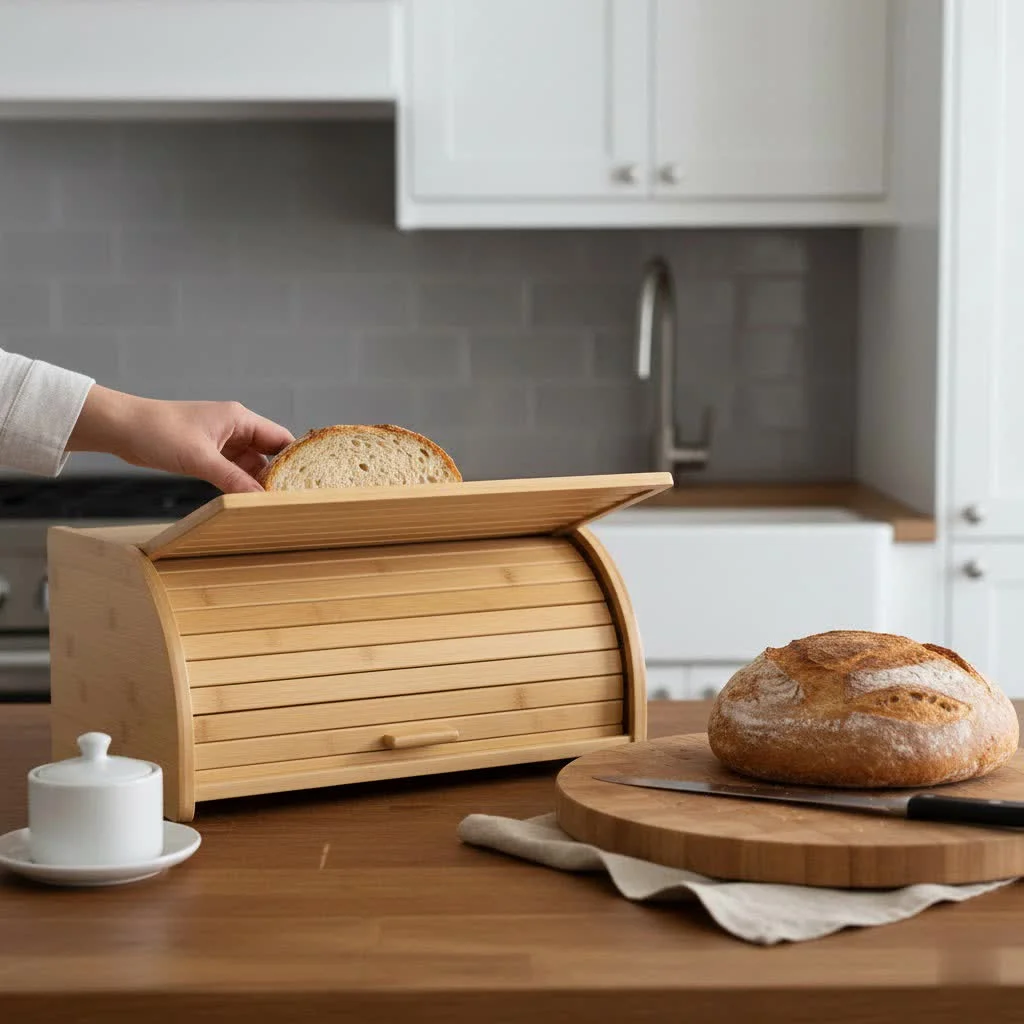
What Exactly is a Bread Box?
A bread box is a dedicated container designed specifically for storing bread and other baked goods at room temperature. Its primary purpose is to regulate airflow, striking a delicate balance between too much air, which leads to rapid staleness, and too little air, which creates a humid environment perfect for mold growth. Historically, bread boxes were simple wooden or metal containers, but their function has remained consistent: to create an ideal microclimate that extends the freshness and enjoyment of your favorite loaves.
Why a Transparent Bread Box is a Game Changer for Your Kitchen
The benefits of incorporating a bread box into your kitchen extend beyond mere storage. A well-chosen bread box, especially one with transparent features, can profoundly impact your bread’s longevity and your kitchen’s functionality.
First and foremost, a transparent bread box helps keep bread fresher for longer by maintaining optimal humidity. The design allows a controlled amount of air circulation, crucial for preventing both quick drying and the damp conditions that invite mold. This means your artisan sourdough or everyday sandwich loaf stays soft and delicious, preserving its texture and flavor for days longer than it would in an open basket or a sealed plastic bag.
The most distinctive advantage of a transparent bread box, however, is its ability to combat the “out of sight, out of mind” phenomenon. With a clear front or lid, you can instantly see your bread supply. This visual cue helps you remember what you have, encouraging you to finish loaves before they spoil and making meal planning more efficient. No more discovering a forgotten, fuzzy loaf tucked away in an opaque bin!
Beyond freshness and practicality, transparent bread boxes offer significant aesthetic appeal. They provide a sleek, clean look that seamlessly integrates with various kitchen decor styles, from minimalist modern to rustic farmhouse. They transform a utilitarian item into a chic countertop accessory, contributing to a tidy and inviting kitchen space. Furthermore, a bread box acts as a barrier against household pests and airborne contaminants, adding an extra layer of hygiene and protection for your baked goods.
Understanding “Glass” in Bread Boxes: Materials and Designs
When you encounter the term “glass bread box,” it often refers to designs that incorporate transparent materials for visibility, rather than being constructed entirely from glass. True, fully glass bread boxes are less common for everyday bread storage due to practical considerations like weight and fragility.
True Glass vs. Acrylic/Plexiglass
|
Our Picks for the Best Bread Box in 2026
As an Amazon Associate I earn from qualifying purchases.
|
||
| Num | Product | Action |
|---|---|---|
| 1 | ROYALHOUSE Natural Bamboo Roll Top Bread Box Kitchen Food Storage - Assembly Required |

|
| 2 | Double Layer Bread Box for Kitchen Countertop, Large Breadbox Bread Container Storage with Windows, Wooden Farmhouse Bread Holder (Black) |
|
| 3 | Bread Box Bread Boxes for Kitchen Counter Airtight, Time Recording Bread Storage Container with Lid, Bread Keeper for Homemade Bread, Toast, Bagel, Donut and Cookies, Grey |
|
| 4 | Amazon Basics Carbon Steel Bread Box with Acacia Wood Lid, Lid Doubles as Cutting Board, 11.9 x 7.1 x 5.2 in. |
|
| 5 | Sunhoo Bread Box for Kitchen Countertop Wooden Bread Storage Container Bin 2 Layer Breadbox Holder Large Capacity Keeper Vintage Farmhouse Food Organizer Pantry Shelf Acrylic Window (Brown) |
|
| 6 | ZICOTO Beautiful Bread Box With Wooden Lid For Your Kitchen Countertop - Spacious Container Perfectly Stores Your Homemade Bread, English Muffins & Bagels - Quality Cutting Board Lid Keeps Loaf Fresh |
|
| 7 | 2 Pack Glass Loaf Pan with Lid, 1.9QT/ 62 OZ Bread Pan - Baking Dish with Airtight Lids BPA free - Meatloaf Pans For Homemade Bread, Baking, Cakes, Dessert,Microwave & Oven Safe |
|
| 8 | Fullin Bread Box for Kitchen Countertop, Bread Storage Container Large Capacity Bamboo Homemade Bread Boxes, Bread Food Holder Organizer with Acrylic Window for Kitchen Counter, Panry Shelf, Cabinet |
|
| 9 | Black Corner Bread Box for Kitchen Countertop, Large Bread Container Storage Bamboo Wooden Farmhouse Bread Box with Window Bread Holder |
|
| 10 | Bamboo Bread Box for Kitchen Counter-Large Capacity Bread Storage Container Farmhouse Bread Box with Window Bread Holder |
|
Most transparent bread boxes utilize high-quality acrylic or plexiglass for their clear components instead of traditional glass. This choice offers several benefits:
- Durability: Acrylic is more resistant to shattering than glass, making it safer for a busy kitchen environment.
- Lightweight: It significantly reduces the overall weight of the bread box, making it easier to move and handle.
- Clarity: Modern acrylic offers excellent transparency, providing a crystal-clear view of the contents.
While some designs might feature actual glass windows or panels, acrylic and plexiglass are prevalent for roll-top lids, flip-up doors, and front panels due to their combination of clarity, safety, and practicality.
Common Material Combinations
Transparent elements are frequently paired with other robust materials to create effective and attractive bread boxes:
- Wood with a Transparent Lid: These often feature a beautiful wood body (like olivewood or bamboo) complemented by a clear acrylic roll-top or hinged lid. The natural porosity of wood can assist in absorbing excess moisture, while the clear top provides visibility and a touch of elegance.
- Metal with a Transparent Lid: Stainless steel bread boxes often come with frosted plexiglass or clear acrylic roll-top lids. This combination offers durability, easy cleaning (for the metal parts), and a contemporary aesthetic, especially suited for kitchens with stainless steel appliances.
- Bamboo with an Acrylic Door: Bamboo is a sustainable and lightweight material that pairs wonderfully with clear acrylic sliding or hinged doors, creating an eco-friendly and stylish storage solution.
The Essential Benefits of Transparent-Lidded Bread Boxes
The integration of transparent elements in bread box design brings several compelling advantages that enhance both functionality and kitchen aesthetics.
Enhanced Visibility: Reduces Waste, Easier Meal Planning
The most significant benefit is the clear view into your bread box. This transparency allows you to quickly assess your inventory, helping you decide if you need to buy more bread or plan meals around what you already have. It minimizes food waste by ensuring loaves don’t become forgotten until they’re past their prime.
Modern Aesthetics: Sleek, Clean Look
Transparent bread boxes naturally exude a contemporary and clean aesthetic. Whether it’s a sleek stainless steel design with a clear roll-top or a warm wooden box with an acrylic window, these pieces add a touch of modern sophistication to your kitchen countertop. They provide visual lightness compared to solid, opaque containers, making your kitchen feel more open and organized.
Optimal Freshness and Easy Monitoring
While the material of the transparent part itself doesn’t directly regulate freshness as much as the overall design, it plays a role in effective use. Good transparent bread boxes are designed with proper ventilation, often incorporating small holes or slight gaps in the construction to allow for the gentle exchange of air. This ensures that your bread stays soft and prevents the moisture build-up that leads to mold. With the contents visible, you can also easily monitor the condition of your bread without needing to open the box repeatedly, further contributing to a stable internal environment.
Choosing the Right Transparent Bread Box for Your Home
Selecting the perfect bread box with transparent features involves considering a few key factors to ensure it meets your specific needs and complements your kitchen.
Consider Your Bread Habits
First, evaluate how much bread your household consumes and the types of loaves you typically store. Do you usually have one standard sandwich loaf, or do you frequently bake artisan breads, bagels, and pastries? This will help determine the necessary size and capacity of your bread box. Also, consider your available countertop space. While bread boxes are designed to be countertop fixtures, some larger models may be overkill for smaller kitchens.
Material and Design Choices
Prioritize transparent elements made from durable materials like high-quality acrylic or plexiglass, as these offer the best balance of visibility, safety, and longevity. Look for bread boxes that explicitly mention ventilation features, such as small air holes or carefully designed gaps, which are crucial for humidity control and preventing mold. In terms of design, roll-top or flip-top lids that open from the front are often more convenient, as they allow you to access bread without needing to move other items off the top of the box.
Maintenance and Durability
Consider the ease of cleaning for both the main body and the transparent components. While transparent materials are generally easy to wipe clean, ensure they are scratch-resistant. For wooden elements, be aware that periodic conditioning with food-safe mineral oil might be required to maintain their luster. Regardless of material, always ensure the bread box is thoroughly dried after cleaning to prevent any moisture accumulation that could lead to mold.
Top Picks: Bread Boxes Featuring Transparent Elements
Many excellent bread boxes on the market cleverly incorporate transparent features to combine practicality with style. For instance, the Williams Sonoma Olivewood Bread Box is praised for its elegant olivewood construction paired with a completely clear acrylic cover, offering both natural beauty and perfect visibility. Another popular option is the Oggi Stainless Steel Roll Top Bread Box, which often features a frosted plexiglass lid, providing a semi-transparent view that helps monitor contents while maintaining a sleek, modern aesthetic. Similarly, some bamboo bread boxes, like those from ETMI, integrate wavy-patterned acrylic doors, offering a unique visual appeal and the benefits of a clear viewing panel. These examples highlight how diverse materials can effectively utilize transparent components to create superior bread storage solutions.
Conclusion
A bread box with transparent elements is more than just a storage container; it’s a smart upgrade for any kitchen, offering a harmonious blend of function and aesthetics. By providing optimal airflow, deterring mold and staleness, and offering a clear view of your delicious baked goods, these innovative designs ensure your bread stays fresher for longer while enhancing your kitchen’s overall appeal. Choosing a transparent-lidded bread box means investing in less food waste, better organization, and a more inviting culinary space. Why settle for forgotten, stale bread when clarity and freshness are just a clear lid away?
Frequently Asked Questions
Are fully glass bread boxes better than ones with transparent lids?
Fully glass bread boxes are less common for optimal bread storage. Most effective transparent bread boxes utilize durable acrylic or plexiglass for their clear lids or panels, paired with materials like wood or metal for the main body. This combination offers the desired visibility along with the necessary airflow regulation to keep bread fresh, which can be challenging to achieve with a fully sealed glass container.
How do glass bread boxes prevent mold?
Bread boxes with transparent components prevent mold by regulating humidity and allowing a small amount of airflow. They create an environment that is not too airtight (which traps moisture and encourages mold) nor too open (which causes bread to dry out quickly). This controlled air circulation helps maintain an ideal moisture level, thus extending bread freshness and preventing mold growth.
Can I put a glass bread box in the dishwasher?
It is generally not recommended to put most bread boxes in the dishwasher, especially those made of wood or metal, or with acrylic components, unless explicitly stated by the manufacturer. Hand-washing with a damp cloth and mild soap, followed by thorough drying, is the safest method to clean your bread box and prevent damage or warping.
What’s the difference between acrylic and glass in a bread box?
While both offer transparency, acrylic (or plexiglass) is a type of plastic that is more shatter-resistant, lighter, and often more cost-effective than traditional glass. Many “glass” bread boxes actually use acrylic for their clear parts due to these practical advantages, providing excellent visibility without the fragility of glass.
How much bread can a glass bread box hold?
The capacity of a bread box with transparent elements varies widely depending on its specific design and dimensions. Smaller models might comfortably fit one standard loaf, while larger options can accommodate two or more loaves, along with other baked goods like bagels or pastries. Always check the product specifications for exact dimensions and capacity.
Cooking gear we tested in our own kitchens
Free PDF — preheat times measured on 10 popular air fryers.
