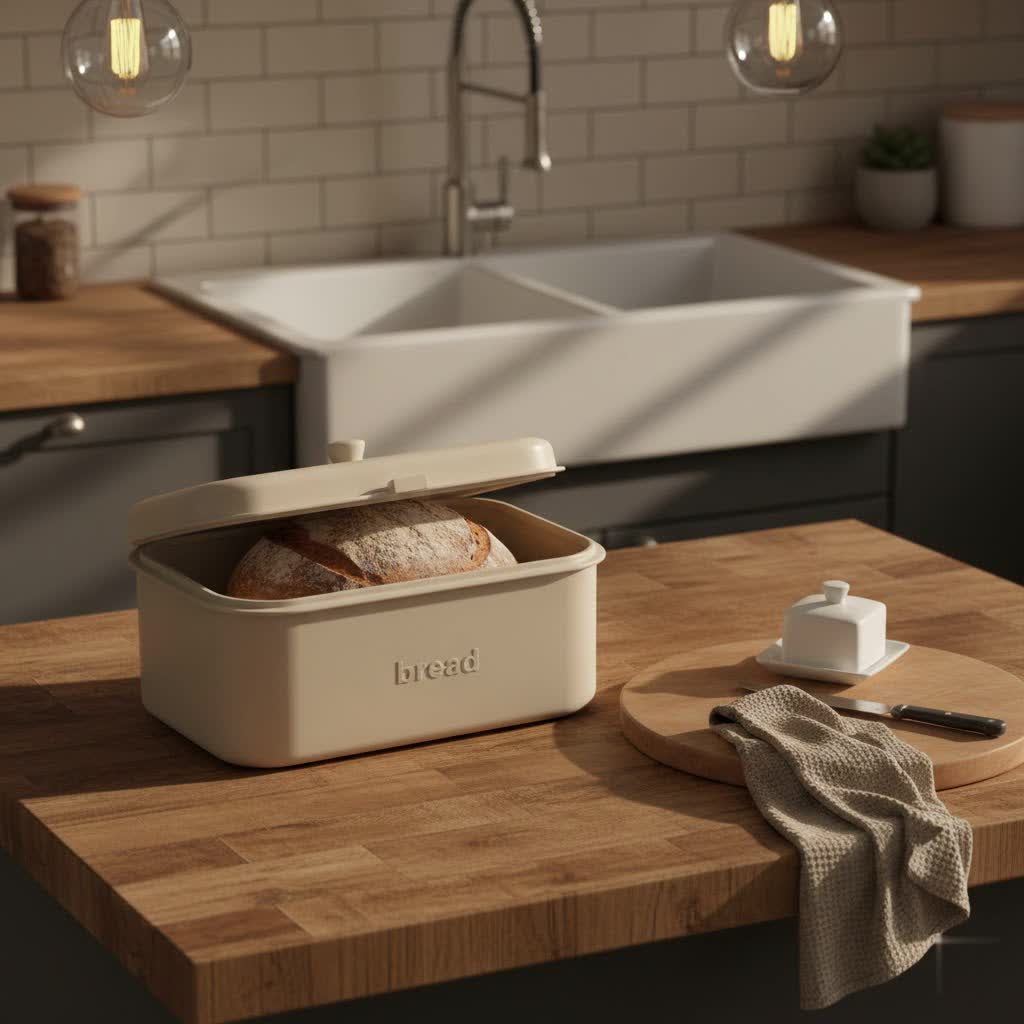
Few kitchen joys rival the aroma and taste of fresh bread, whether it’s a rustic homemade sourdough or a classic store-bought loaf. But how do you preserve that delightful freshness for more than a day or two? The answer often lies in a good bread box. While traditional bread boxes crafted from wood, metal, or ceramic have long been kitchen staples, plastic bread boxes and keepers are a modern alternative, offering unique benefits and considerations. Forget what you think you know about storing bread in generic plastic; purpose-built plastic bread boxes come with their own set of advantages designed to extend the life of your beloved loaves.
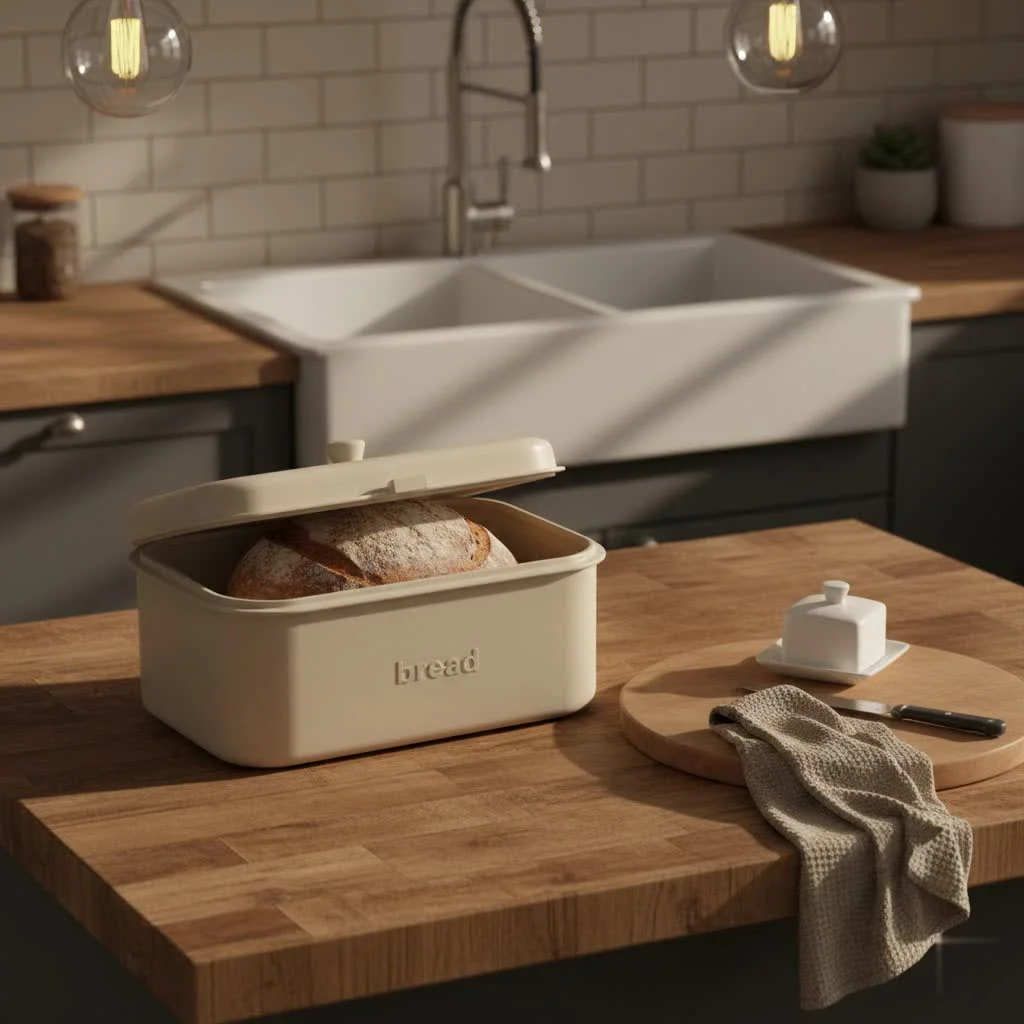
What is a Bread Box?
A bread box, at its core, is a dedicated container designed to store bread at room temperature, creating an optimal environment that balances moisture and airflow. Its primary purpose is to delay the staling process and inhibit mold growth, which are the two main enemies of fresh bread. Historically, bread boxes evolved from simple wooden chests to more sophisticated designs, becoming an integral part of kitchen utility. The goal is not to create an airtight seal, which can promote mold, but rather a semi-sealed environment that allows for just enough air circulation to keep the crust from turning rubbery and the interior crumb moist.
Why You Need a Bread Box?
Investing in a quality bread box goes beyond mere aesthetics; it’s a practical decision that significantly impacts your bread’s longevity and enjoyment.
- Keeps Bread Fresh Longer: A well-designed bread box creates a microclimate that slows down the staling process, allowing your bread to remain palatable for several days longer than if left exposed.
- Prevents Mold and Bacteria: Unlike completely sealed plastic bags, which trap humidity and accelerate mold growth, many bread boxes are designed with subtle ventilation to prevent excessive moisture build-up while still protecting against airborne spores.
- Protects from Pests and Elements: It forms a physical barrier against kitchen pests like flies or ants and shields bread from direct sunlight or fluctuating humidity that can rapidly degrade its quality.
- Creates a Tidy Kitchen Space: A bread box provides a designated, attractive spot for loaves, rolls, and pastries, helping to declutter countertops and maintain an organized kitchen aesthetic.
Exploring Different Types of Bread Boxes
Bread boxes come in a variety of materials and designs, each offering distinct characteristics. Understanding these differences is key to choosing the perfect fit for your bread and your kitchen.
By Material
|
Our Picks for the Best Bread Box in 2026
As an Amazon Associate I earn from qualifying purchases.
|
||
| Num | Product | Action |
|---|---|---|
| 1 | Bamboo Bread Box for Kitchen Counter-Large Capacity Bread Storage Container Farmhouse Bread Box with Window Bread Holder |

|
| 2 | Black Corner Bread Box for Kitchen Countertop, Large Bread Container Storage Bamboo Wooden Farmhouse Bread Box with Window Bread Holder |
|
| 3 | Double Layer Bread Box for Kitchen Countertop, Large Breadbox Bread Container Storage with Windows, Wooden Farmhouse Bread Holder (Black) |
|
| 4 | Bread Box Bread Boxes for Kitchen Counter Airtight, Time Recording Bread Storage Container with Lid, Bread Keeper for Homemade Bread, Toast, Bagel, Donut and Cookies, Grey |
|
| 5 | Fullin Bread Box for Kitchen Countertop, Bread Storage Container Large Capacity Bamboo Homemade Bread Boxes, Bread Food Holder Organizer with Acrylic Window for Kitchen Counter, Panry Shelf, Cabinet |
|
| 6 | ZICOTO Beautiful Bread Box With Wooden Lid For Your Kitchen Countertop - Spacious Container Perfectly Stores Your Homemade Bread, English Muffins & Bagels - Quality Cutting Board Lid Keeps Loaf Fresh |
|
| 7 | Sunhoo Bread Box for Kitchen Countertop Wooden Bread Storage Container Bin 2 Layer Breadbox Holder Large Capacity Keeper Vintage Farmhouse Food Organizer Pantry Shelf Acrylic Window (Brown) |
|
| 8 | ROYALHOUSE Natural Bamboo Roll Top Bread Box Kitchen Food Storage - Assembly Required |
|
| 9 | 2 Pack Glass Loaf Pan with Lid, 1.9QT/ 62 OZ Bread Pan - Baking Dish with Airtight Lids BPA free - Meatloaf Pans For Homemade Bread, Baking, Cakes, Dessert,Microwave & Oven Safe |
|
| 10 | Amazon Basics Carbon Steel Bread Box with Acacia Wood Lid, Lid Doubles as Cutting Board, 11.9 x 7.1 x 5.2 in. |
|
The material of a bread box plays a crucial role in its performance, durability, and visual appeal.
-
Wood: Wooden bread boxes are beloved for their natural beauty, rustic charm, and inherent breathability. They often help regulate humidity naturally. However, they can be heavier, require occasional maintenance (like oiling), and may absorb odors over time.
-
Metal (Stainless Steel/Tin): Metal bread boxes, particularly stainless steel, offer a sleek, modern aesthetic and exceptional durability. They are easy to clean and often come with roll-top or drop-down doors. Their main consideration is that they can sometimes be less breathable if poorly designed, potentially trapping moisture.
-
Ceramic: Ceramic bread boxes are excellent at maintaining a stable internal temperature, which can be beneficial for freshness. They are often beautiful, but also heavy and fragile, making them prone to breakage.
-
Plastic: The Modern Solution?
Plastic bread boxes represent a contemporary, often more affordable, and highly functional category. These keepers are typically made from durable, food-grade plastics like polypropylene, many of which are BPA-free.- Pros of Plastic: Plastic bread boxes are notably lightweight, making them easy to move and handle. Their affordability makes them accessible to a wider range of budgets. Many designs feature clear plastic, allowing for easy visibility of contents, so you always know when it’s time to restock. They are also remarkably easy to clean, often requiring just a quick wipe down or a wash with soap and water due to their non-porous surfaces. Some advanced plastic containers, like certain Tupperware models, incorporate “CondensControl technology” to manage airflow and humidity, preventing both mold and excessive drying.
- Cons of Plastic: The main challenge with plastic for bread storage stems from its tendency to be overly airtight. If a plastic bread box is completely sealed without any form of ventilation, it can trap too much moisture, leading to a soft, rubbery crust and accelerated mold growth, similar to what happens in a typical plastic bag. Plastic can also absorb and transfer odors over time, potentially affecting the bread’s flavor. While highly functional, some users may find pure plastic less aesthetically pleasing than natural materials like wood or ceramic. Environmental concerns regarding plastic waste are also a factor, although the rise of recycled plastic options helps mitigate this. [cite: 1, Source 1 from third search in first round]
-
Hybrid Materials: Some innovative bread boxes combine plastic with other materials. For instance, you might find options with bamboo fiber and recycled plastic, or metal boxes with plastic lids, aiming to leverage the benefits of each material while minimizing drawbacks. [cite: 1, Source 1 from third search in first round]
By Style and Function
Beyond materials, bread boxes also vary in their opening mechanisms and overall design.
- Roll-Top Boxes: These feature a curved lid that slides open and closed, usually made of metal or wood. They offer a classic look and save countertop space by not requiring extra room for an opening lid.
- Flip-Top Boxes: A simple hinged lid that lifts up. These are common across all materials and are straightforward to use.
- Drawer-Style Boxes: Integrated into kitchen cabinets or standalone units, these slide out like a drawer, offering a discreet storage solution.
- Wall-Mounted Boxes: Less common, these free up countertop space entirely by attaching to a wall.
- Specialized Plastic Keepers: Many plastic bread boxes are designed as tall, slender dispensers (like the Buddeez Bread Buddy) specifically made to hold a standard loaf of sandwich bread, making it easy to dispense slices without touching the entire loaf. [cite: 1, Source 1 from first search in second round] Others are more traditional box shapes with simple lids, focusing on clear visibility and ease of cleaning.
Plastic Bread Boxes: Advantages and Disadvantages
When considering a plastic bread box, it’s essential to weigh its specific benefits against its potential downsides.
Advantages of Plastic Bread Boxes
- Cost-Effectiveness: Generally, plastic bread boxes are more affordable than their wooden, metal, or ceramic counterparts, making them an excellent budget-friendly option.
- Lightweight and Portable: Their light construction makes them easy to move around the kitchen or transport if needed.
- Visibility: Clear plastic designs allow you to easily see how much bread you have left, preventing forgotten loaves and unnecessary purchases.
- Ease of Cleaning: The non-porous surface of most plastics means they are simple to wipe clean and don’t absorb spills or odors as readily as some other materials.
- Durability: Made from robust food-grade plastics like polypropylene, these boxes are less prone to denting or breaking than metal or ceramic options.
- Versatility: Plastic allows for a wide range of designs, from compact sandwich dispensers to larger multi-loaf containers, some even with specific ventilation features for optimal freshness.
Disadvantages of Plastic Bread Boxes
- Moisture Control Challenges: If a plastic bread box is designed to be completely airtight without any form of controlled ventilation, it can create a humid environment that is ideal for mold growth and can soften the bread’s crust significantly.
- Odor Absorption: While easy to clean, some plastics can, over time, absorb lingering odors from other foods or the kitchen environment, potentially transferring them to your bread.
- Aesthetics: For those prioritizing a rustic or high-end kitchen aesthetic, pure plastic might not offer the same visual appeal as natural wood or artisan ceramic.
- Environmental Concerns: Although many plastic bread boxes are designed for durability and reusability, and some even incorporate recycled materials, single-use plastics contribute to environmental challenges. Opting for BPA-free, durable, and recyclable plastics is a more eco-conscious choice.
> “The common perception that plastic is bad for bread often comes from experiences with basic plastic bags, which seal in too much moisture. However, engineered plastic bread boxes can incorporate smart design features, like subtle ventilation or moisture-regulating technology, to create a far superior storage environment.”
Choosing the Right Plastic Bread Box for Your Kitchen
Selecting the ideal plastic bread box involves more than just picking a color; it’s about matching its features to your specific needs.
1. Determine Your Usage Needs
- Quantity and Type of Bread: Do you typically store a single loaf of pre-sliced sandwich bread, or do you bake large artisan boules? Different plastic boxes are optimized for different bread sizes. Consider a tall, narrow plastic dispenser for sandwich loaves or a wider, more traditional box for bakery bread.
- Kitchen Space: Plastic boxes are often more compact than their traditional counterparts. Measure your available countertop or pantry space to ensure a good fit.
- Aesthetic Preference: While functional, consider if a transparent or solid plastic design fits your kitchen decor.
2. Prioritize Ventilation Features
This is perhaps the most critical aspect of choosing a plastic bread box. Look for:
- “CondensControl” or Ventilation Systems: Some advanced plastic models, like those from Tupperware, boast features specifically designed to regulate humidity, allowing just enough air exchange to prevent mold without drying out the bread.
- Slightly Loose Lids: A lid that isn’t completely airtight can provide the necessary micro-ventilation. Avoid truly hermetically sealed plastic containers for fresh bread storage unless they explicitly state a bread-specific ventilation mechanism.
3. Ensure Food Safety and Durability
- Food-Grade and BPA-Free: Always ensure the plastic is labeled as food-grade and, ideally, BPA-free for safe food contact.
- Material Quality: Look for sturdy, durable plastics that will withstand daily use and resist cracking. Polypropylene is a common and robust choice.
Top Picks: Highly-Rated Plastic Bread Boxes & Keepers
While “plastic bread box” often conjures images of basic containers, the market offers purpose-built options designed for optimal bread preservation.
- Buddeez Bread Buddy Dispenser: This popular clear plastic keeper is specifically designed for standard sandwich bread loaves. Its upright dispenser design helps prevent squishing and allows for easy access, making it a favorite for many families. [cite: 1, Source 1 from first search in second round]
- Mainstays Bread Plastic Storage Keeper: Often found as clear plastic containers with secure lids, these are praised for their durability, ease of cleaning, and ability to keep standard loaves fresh and organized. [cite: 1, Source 1 from first search in second round]
- Tupperware Bread Saver: Known for its “CondensControl technology,” this plastic bread box aims to provide the ideal balance of humidity and airflow to keep various baked goods fresh without mold or excessive drying.
- Recycled Plastic/Hybrid Boxes: Brands like Sonder Los Angeles offer options incorporating recycled plastic with bamboo fiber, combining environmental consciousness with functional design. [cite: 1, Source 1 from third search in first round]
These examples highlight that not all plastic storage is created equal. The key lies in selecting a product engineered with bread preservation in mind, moving beyond the limitations of generic plastic bags.
Conclusion
Choosing the right bread box is paramount to enjoying fresh bread for as long as possible. While plastic has sometimes received a bad rap due to the pitfalls of using overly airtight plastic bags, purpose-built plastic bread boxes offer a compelling blend of affordability, convenience, and effective bread preservation. With features like integrated ventilation or moisture-control technology, these modern solutions can actively combat mold and staleness, keeping your loaves in prime condition. By selecting a plastic bread box that considers proper airflow and is made from food-safe materials, you can confidently extend the life of your bread, ensuring every slice is as delightful as the first. So, are you ready to give a plastic bread box a try and discover how it can revolutionize your bread storage?
Frequently Asked Questions
Are plastic bread boxes good for keeping bread fresh?
Yes, well-designed plastic bread boxes can be excellent for keeping bread fresh. Unlike generic airtight plastic bags that trap moisture and promote mold, specialized plastic bread boxes often feature controlled ventilation or “CondensControl” technology to regulate humidity, preventing mold while keeping the bread’s crust and crumb in good condition.
What’s the difference between a plastic bread box and a plastic bag for bread?
A key difference lies in airflow. Plastic bags create a tightly sealed, humid environment that accelerates mold growth and makes the crust soggy. A purpose-built plastic bread box, however, is designed to allow a minimal, controlled amount of airflow to circulate, which helps prevent excessive humidity and keeps the bread fresher by reducing both mold and rapid staling.
Can plastic bread boxes cause mold?
If a plastic bread box is completely airtight without any mechanism for ventilation, it can indeed cause mold by trapping too much humidity, especially with fresh, high-moisture bread. However, many modern plastic bread boxes are engineered with specific features to manage internal humidity, effectively preventing mold while preserving freshness.
Is BPA-free plastic important for bread storage?
Yes, opting for BPA-free plastic is important for food storage containers, including bread boxes. BPA (Bisphenol A) is a chemical that has raised health concerns, and choosing BPA-free products ensures that no potentially harmful substances leach into your food, providing a safer storage solution.
Cooking gear we tested in our own kitchens
Free PDF — preheat times measured on 10 popular air fryers.
