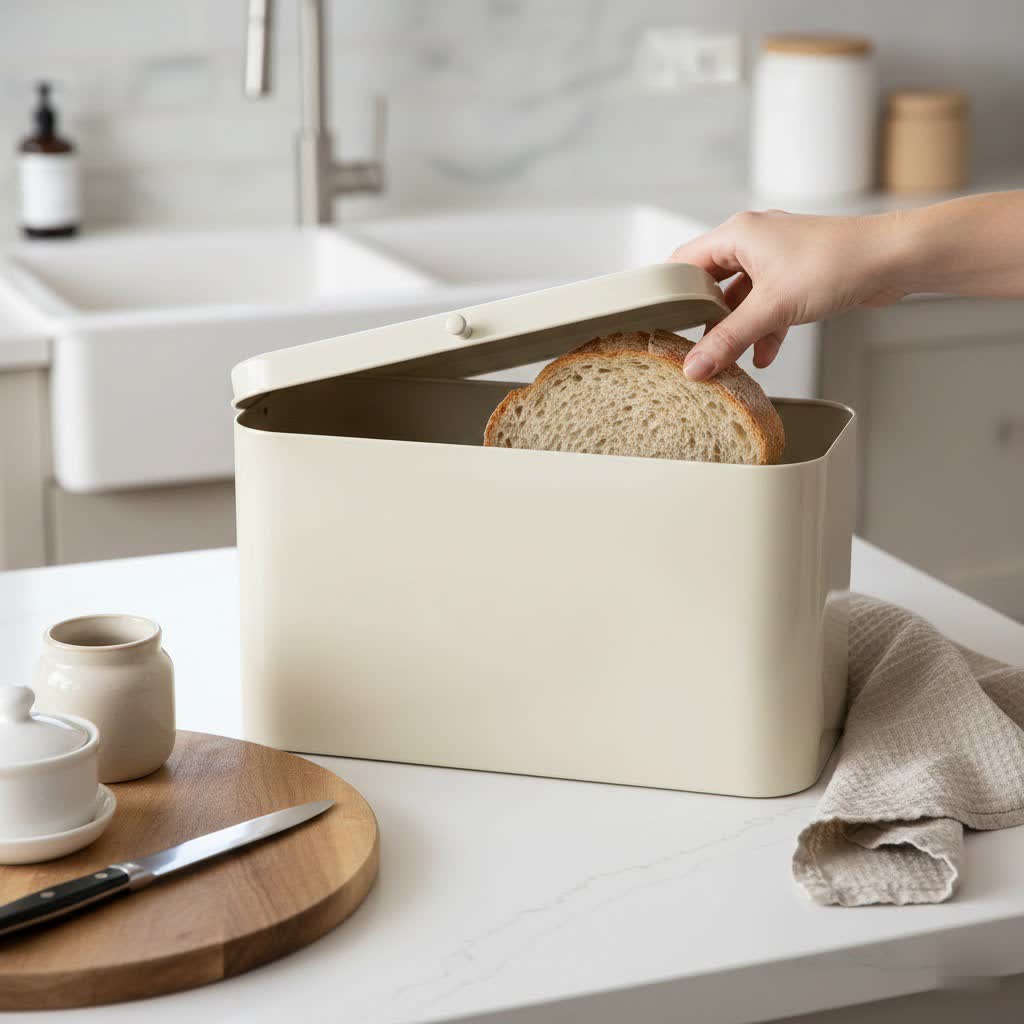
Imagine the scent of a freshly baked loaf filling your kitchen. The promise of warm toast, delicious sandwiches, and comforting meals is in the air. But how do you preserve that perfect texture and taste beyond the first day? The answer, often overlooked in modern kitchens, lies in the timeless elegance and practical design of a kitchen bread box. Far more than just a decorative accent, a well-chosen bread box is an essential tool for any bread lover, acting as a guardian of freshness that can extend the life of your favorite loaves by several days. If you’re tired of stale crusts or premature mold, join us as we delve into the world of bread boxes to discover how this simple solution can revolutionize your bread storage and enhance your kitchen’s aesthetic.
What is a Kitchen Bread Box?
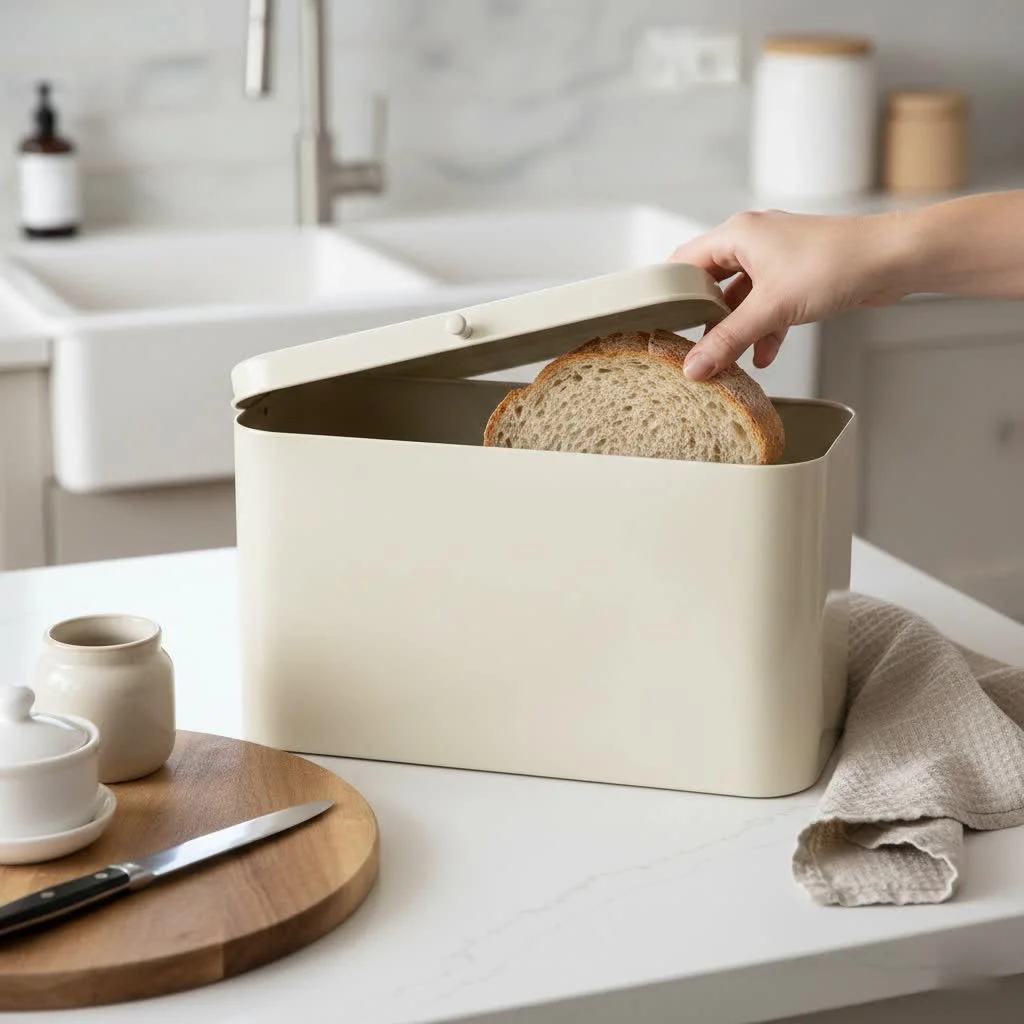
A kitchen bread box, often referred to as a bread bin, is a specialized container designed to store bread and other baked goods at room temperature. Its primary function is to create a balanced internal environment—one that is neither too dry nor too humid—to optimize bread freshness. Unlike airtight containers that can trap moisture and accelerate mold growth, or open-air storage that leads to rapid staling, a bread box typically features controlled ventilation. This ventilation allows just enough airflow to prevent condensation while retaining the bread’s natural moisture, maintaining a soft interior and a desirable crust. Historically, bread boxes have been a staple in kitchens for centuries, adapting in materials and designs, but always serving the core purpose of keeping bread in its prime.
Why You Need a Kitchen Bread Box
The benefits of incorporating a bread box into your kitchen routine extend beyond simple storage, addressing common frustrations associated with keeping bread fresh.
- Keeps Bread Fresh Longer: A bread box actively slows down the staling process, allowing your loaves to remain enjoyable for several days longer than if left exposed on the counter or stored in a plastic bag. This is achieved by maintaining a consistent, slightly humid environment that prevents excessive moisture loss.
- Prevents Mold and Bacteria: The controlled ventilation in a bread box is key to inhibiting mold growth. By allowing condensation to escape, it prevents the buildup of humidity that creates a breeding ground for mold spores, especially in warmer or more humid climates.
- Protects Bread from Pests: Bread boxes offer a physical barrier against common kitchen pests such as ants, flies, and even mice. This keeps your bread hygienic and safe from unwanted intruders, providing peace of mind.
- Optimal Temperature Storage: Storing bread in the refrigerator can actually dry it out faster, leading to a tough, unappealing texture. A bread box stores bread at room temperature, which is the ideal condition for most varieties, preserving their plush crumb and crispy crust.
- Creates a Tidy and Aesthetic Kitchen: Beyond its functional advantages, a bread box helps declutter your countertops by providing a designated, attractive home for your bread. Available in a myriad of styles and materials, it can seamlessly integrate with and even enhance your kitchen decor, adding a touch of charm and organization.
Popular Types of Kitchen Bread Boxes
Bread boxes come in a diverse range of materials and designs, each offering unique characteristics in terms of aesthetics, durability, and functionality. Understanding these differences is key to selecting the perfect one for your home.
By Material
|
Our Picks for the Best Bread Box in 2026
As an Amazon Associate I earn from qualifying purchases.
|
||
| Num | Product | Action |
|---|---|---|
| 1 | 2 Pack Glass Loaf Pan with Lid, 1.9QT/ 62 OZ Bread Pan - Baking Dish with Airtight Lids BPA free - Meatloaf Pans For Homemade Bread, Baking, Cakes, Dessert,Microwave & Oven Safe |

|
| 2 | ROYALHOUSE Natural Bamboo Roll Top Bread Box Kitchen Food Storage - Assembly Required |
|
| 3 | Amazon Basics Carbon Steel Bread Box with Acacia Wood Lid, Lid Doubles as Cutting Board, 11.9 x 7.1 x 5.2 in. |
|
| 4 | Double Layer Bread Box for Kitchen Countertop, Large Breadbox Bread Container Storage with Windows, Wooden Farmhouse Bread Holder (Black) |
|
| 5 | Black Corner Bread Box for Kitchen Countertop, Large Bread Container Storage Bamboo Wooden Farmhouse Bread Box with Window Bread Holder |
|
| 6 | ZICOTO Beautiful Bread Box With Wooden Lid For Your Kitchen Countertop - Spacious Container Perfectly Stores Your Homemade Bread, English Muffins & Bagels - Quality Cutting Board Lid Keeps Loaf Fresh |
|
| 7 | Bread Box Bread Boxes for Kitchen Counter Airtight, Time Recording Bread Storage Container with Lid, Bread Keeper for Homemade Bread, Toast, Bagel, Donut and Cookies, Grey |
|
| 8 | Sunhoo Bread Box for Kitchen Countertop Wooden Bread Storage Container Bin 2 Layer Breadbox Holder Large Capacity Keeper Vintage Farmhouse Food Organizer Pantry Shelf Acrylic Window (Brown) |
|
| 9 | Bamboo Bread Box for Kitchen Counter-Large Capacity Bread Storage Container Farmhouse Bread Box with Window Bread Holder |
|
| 10 | Fullin Bread Box for Kitchen Countertop, Bread Storage Container Large Capacity Bamboo Homemade Bread Boxes, Bread Food Holder Organizer with Acrylic Window for Kitchen Counter, Panry Shelf, Cabinet |
|
The material of your bread box significantly impacts its performance, appearance, and maintenance requirements.
-
Wood (Bamboo, Olivewood, Pine):
- Advantages: Wooden bread boxes are celebrated for their natural beauty and ability to naturally regulate humidity. Materials like bamboo and olivewood are aesthetically pleasing, environmentally friendly, and possess natural germ-killing properties due to substances like tannic acid. They keep bread soft without making it soggy and add a warm, rustic, or elegant touch to any kitchen. Wood is also a non-reactive material and doesn’t conduct heat.
- Disadvantages: Some wooden bread boxes can be more expensive and may absorb odors over time if not properly maintained. Solid wood varieties might allow bread to dry out faster if not designed with adequate moisture retention. Cleaning can also be slightly more involved compared to smoother surfaces.
- Care: Wipe clean with a damp cloth. Avoid harsh detergents or soaking. Regular oiling can help maintain natural wood.
-
Metal (Stainless Steel, Aluminum):
- Advantages: Metal bread boxes, particularly those made from thicker stainless steel, are highly durable, sleek, and easy to clean. They offer a modern or retro aesthetic and protect bread from external elements. Many metal boxes feature hinged or roll-top designs that are both practical and stylish.
- Disadvantages: Thinner metal can be prone to dents and may show fingerprints or smudges easily. If not designed with proper ventilation, metal boxes can trap moisture, leading to a moist environment that encourages mold growth. Their opaque nature means you can’t see the contents easily.
- Care: Wipe with a damp cloth and mild soap. For stainless steel, use a specialized cleaner to remove smudges and maintain shine.
-
Plastic/Acrylic:
- Advantages: Plastic or acrylic bread boxes are often the most affordable and lightweight option. Many feature transparent or semi-transparent lids, allowing you to easily see your bread supply. Modern designs often incorporate effective ventilation holes and can be very easy to clean. Some are made from BPA-free, food-grade materials.
- Disadvantages: Aesthetically, plastic may not offer the same premium feel as wood or ceramic. If the design is too airtight, it can suffocate the bread’s crust. Concerns about BPA exist, though many manufacturers now offer safer plastic types (look for numbers 2, 4, or 5).
- Care: Easy to clean with warm soapy water. Dishwasher safe options may be available.
-
Ceramic:
- Advantages: Ceramic bread boxes offer a charming, vintage appeal and can be quite insulating, providing a stable temperature for bread. They often strike a good balance between style and functionality, allowing for decent airflow while looking beautiful on the countertop.
- Disadvantages: Ceramic is more fragile than other materials and can chip, crack, or smash if dropped. They can also be heavier and less portable.
- Care: Hand wash with warm soapy water. Handle with care to prevent breakage.
By Style
Beyond materials, the operational style of a bread box’s lid and its overall form factor also define its functionality and how it fits into your kitchen.
- Roll-Top (Roll-Down Top): These popular designs feature a curved lid that slides back and disappears into the box, offering easy access without taking up extra counter space when open. They often evoke a classic, retro feel.
- Flip-Top (Hinged Lid): These boxes have a lid that opens upwards or forwards on hinges. They are straightforward to use and can sometimes feature magnetic closures for a more secure, yet still ventilated, seal.
- Drawer Style: Less common as standalone units, but sometimes found in multi-tier or cabinet-integrated designs, these bread boxes feature a pull-out drawer for access.
- Wall-Mounted: While most bread boxes are countertop models, some larger or custom designs can be mounted on the wall to save counter space, often featuring roll-top or flip-down doors.
Comparing Kitchen Bread Box Types
Choosing the right bread box involves weighing the pros and cons of different types against your specific needs. Here’s a comparative overview:
| Feature | Wood (e.g., Bamboo) | Metal (e.g., Stainless Steel) | Plastic/Acrylic | Ceramic |
|---|---|---|---|---|
| Aesthetics | Natural, warm, rustic, elegant | Sleek, modern, industrial, retro | Casual, practical, sometimes modern | Vintage, charming, traditional |
| Durability | High (especially hardwoods), dent-resistant | High (thicker steel), can dent (thin) | Moderate, can scratch or crack | Moderate, prone to chipping/breaking |
| Freshness Mgmt. | Excellent (natural humidity control) | Good (with proper ventilation) | Good (with proper ventilation) | Good (insulating, allows airflow) |
| Ease of Cleaning | Moderate (wipe, occasional oiling) | High (smooth, wipe clean) | High (easy to wash) | Moderate (hand wash, fragile) |
| Visibility | Opaque | Opaque (some plexiglass) | Often clear/translucent | Opaque |
| Pest Protection | High | High | High | High |
| Cost | Moderate to High | Moderate | Low to Moderate | Moderate to High |
| Key Advantage | Natural humidity regulation, aesthetic | Durability, modern look, hygiene | Affordability, visibility | Aesthetic appeal, insulation |
| Key Drawback | Can absorb odors, higher maintenance | Can dent, show smudges, trap moisture | Less premium feel, BPA concerns (some) | Fragile, heavy, can break |
Guide to Choosing a Kitchen Bread Box
Selecting the perfect bread box for your kitchen involves a thoughtful assessment of your lifestyle, aesthetic preferences, and practical requirements.
Determine Your Usage Needs
Before diving into materials and designs, consider how you typically consume and store bread.
- Quantity of Bread: How many loaves or baked goods do you usually need to store at once? Smaller households might only need a compact box for one loaf, while larger families or avid bakers might require a spacious model that can accommodate multiple artisanal breads, bagels, or pastries.
- Kitchen Space: Measure your available countertop or cabinet space. Ensure the bread box’s dimensions (height, width, depth) fit comfortably without obstructing other appliances or workflow. Some designs, like roll-tops, save space when open, while others might have a flat top for additional storage.
- Kitchen Style: Your bread box should complement your kitchen’s existing decor. Do you have a rustic farmhouse kitchen, a sleek modern minimalist space, or a vibrant retro theme? Choose a material and design that harmonizes with your aesthetic.
Material and Style Selection
Once you understand your needs, you can narrow down your choices based on material and style.
- Prioritize Safe and Easy-to-Clean Materials: For hygiene and longevity, select materials that are food-grade and easy to maintain. Smooth surfaces are generally simpler to wipe down, preventing crumb buildup and potential pest issues.
- Choose a Style That Suits Your Space and Preferences:
- Roll-top bread boxes are excellent for saving space on busy countertops.
- Flip-top designs offer quick and easy access.
- Consider models with a removable lid that doubles as a cutting board for added functionality and convenience.
Consider Additional Features
Modern bread boxes often come with smart features that enhance their utility.
- Ventilation Holes: This is a critical feature. Look for small, strategically placed air holes or slats that allow air to circulate. This crucial airflow prevents condensation, which is the enemy of fresh bread and the main cause of mold. Some advanced models even offer adjustable ventilation.
- Moisture Control: Beyond simple ventilation, some materials like wood naturally help regulate humidity. Others may include small internal grates or features designed to manage moisture levels effectively.
- Smart Design Elements: Features like non-slip feet to protect countertops, magnetic closures for secure (but not airtight) sealing, or transparent lids for visibility can significantly improve the user experience.
> “The secret to a great bread box is not an airtight seal, but rather a perfectly balanced environment that lets your bread breathe just enough to stay moist without growing mold.” – John Smith, Culinary Expert & Baker
Top 5 Kitchen Bread Boxes Today
Based on performance, material, design, and user reviews, here are some top contenders for the best kitchen bread boxes currently available:
- Oggi Stainless Steel Roll-Top Bread Box: Often praised as a best overall and budget-friendly option, this stainless steel box offers a contemporary look that fits most kitchens. It’s known for its spacious capacity, accommodating up to two loaves, and effective design that keeps bread fresh for several days. Its roll-top mechanism is space-efficient, though users should be mindful of slices falling to the side.
- Granrosi Large Bread Box: This farmhouse-style bread box is a top value pick, particularly lauded for its exceptional ability to prevent mold. While it occupies a fair amount of counter space due to its generous size, its classic aesthetic and strong performance make it a favorite for those who prioritize freshness and a traditional look.
- Williams Sonoma Olivewood Bread Box: For those seeking a premium, aesthetically pleasing wooden option, this olivewood bread box is a standout. It excels at keeping loaves fresh and boasts a transparent cover, which is a convenient feature for monitoring your bread supply. Its luxurious material and elegant design make it a focal point in any kitchen.
- Yamazaki Home Tosca Bread Box: A fantastic choice for modern kitchens, the Yamazaki Tosca offers a minimalist steel and wood design with substantial capacity. It is ideal for larger households or those who appreciate clean lines and robust construction. The design often allows for items to be placed on top, adding to its practicality.
- ETMI Bamboo Bread Box: An excellent affordable bamboo option, the ETMI bread box features a compact design with a translucent sliding front lid. This allows for visibility while the bamboo construction naturally helps regulate humidity. Its small ventilation holes contribute to maintaining reasonable freshness, making it a great value for budget-conscious consumers with smaller kitchens.
Conclusion
Choosing the right kitchen bread box is a simple yet impactful decision that can significantly enhance your daily culinary experience. By understanding the vital role of balanced airflow and humidity, you can move beyond stale bread and messy countertops. Whether you prefer the rustic charm of wood, the sleek modernity of metal, or the practical appeal of plastic, there’s a perfect bread box waiting to become an indispensable part of your kitchen. Invest in one today and rediscover the joy of perfectly fresh bread, morning after morning.
What kind of bread box do you think would best suit your kitchen and baking habits?
Frequently Asked Questions
Why is a bread box better than storing bread in the refrigerator?
Refrigerating bread can actually make it go stale faster by accelerating a process called retrogradation, where starch molecules crystallize. A bread box maintains ideal room temperature and humidity, preserving bread’s texture and flavor much more effectively.
How does ventilation in a bread box prevent mold?
Ventilation allows excess moisture and condensation to escape the bread box. Without proper airflow, trapped humidity creates a warm, damp environment that is perfect for mold growth. The subtle air circulation in a bread box helps keep the interior dry enough to deter mold.
Can I store different types of baked goods together in a bread box?
Yes, a bread box is suitable for storing various baked goods, including pastries, muffins, and bagels. However, be mindful that strong-smelling items might transfer odors to other contents, especially in wooden boxes.
How often should I clean my bread box?
It’s recommended to clean your bread box regularly, ideally every few days or whenever you empty it. This prevents crumb accumulation and eliminates any potential mold spores or lingering odors. A simple wipe-down with a damp cloth and mild soap (or vinegar solution for wooden boxes) is usually sufficient.
Are all bread boxes airtight?
No, and they shouldn’t be. True airtight seals can trap moisture, leading to mold. The best bread boxes are designed with controlled ventilation—small gaps or holes—to allow just enough air circulation to keep bread fresh without drying it out or promoting mold.
Cooking gear we tested in our own kitchens
Free PDF — preheat times measured on 10 popular air fryers.
