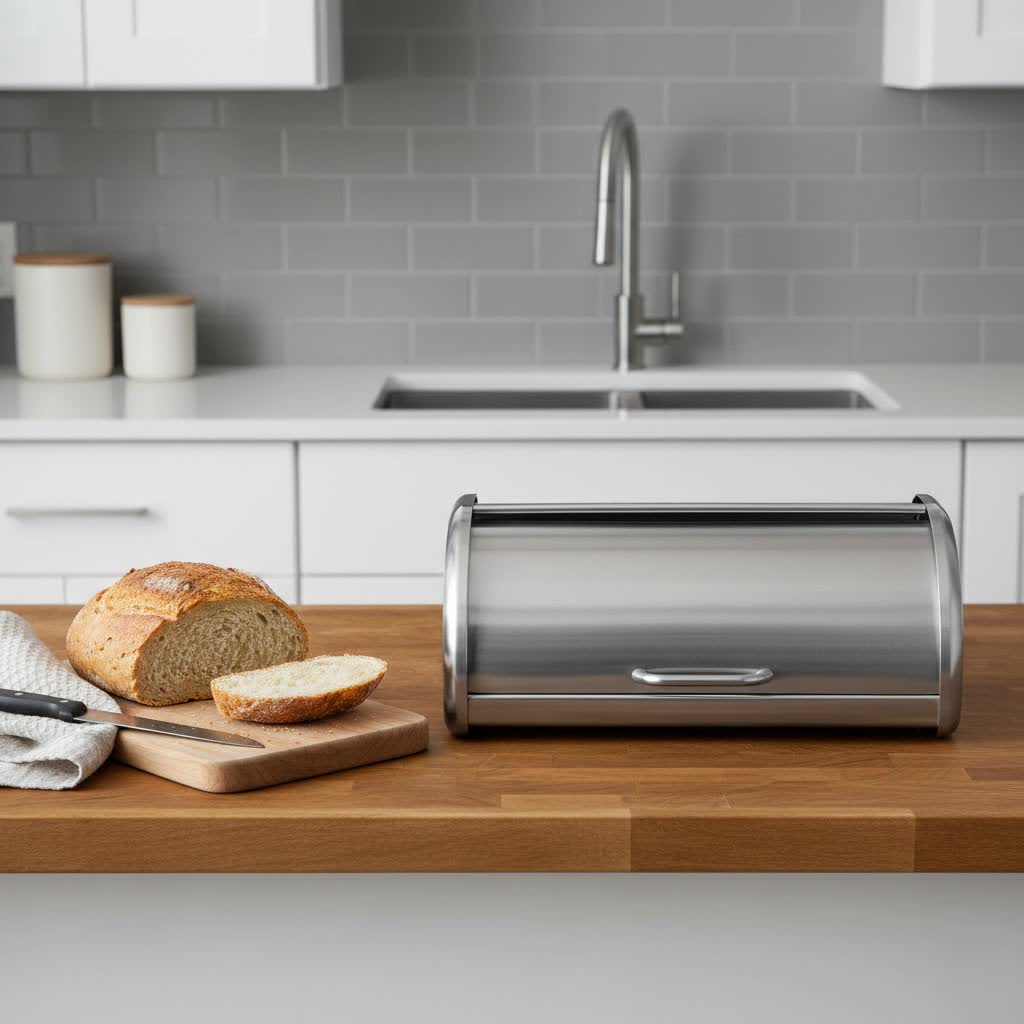
For centuries, the simple loaf of bread has been a staple in homes around the world, yet keeping it fresh has always presented a challenge. If you’re tired of stale slices or moldy loaves, a bread box offers a timeless and elegant solution. Among the various options, the enamel bread box stands out, blending classic charm with practical benefits that modern kitchens can still appreciate. These beautifully crafted containers are not just storage; they are a statement of style and a testament to enduring quality, ensuring your bread remains delicious day after day.
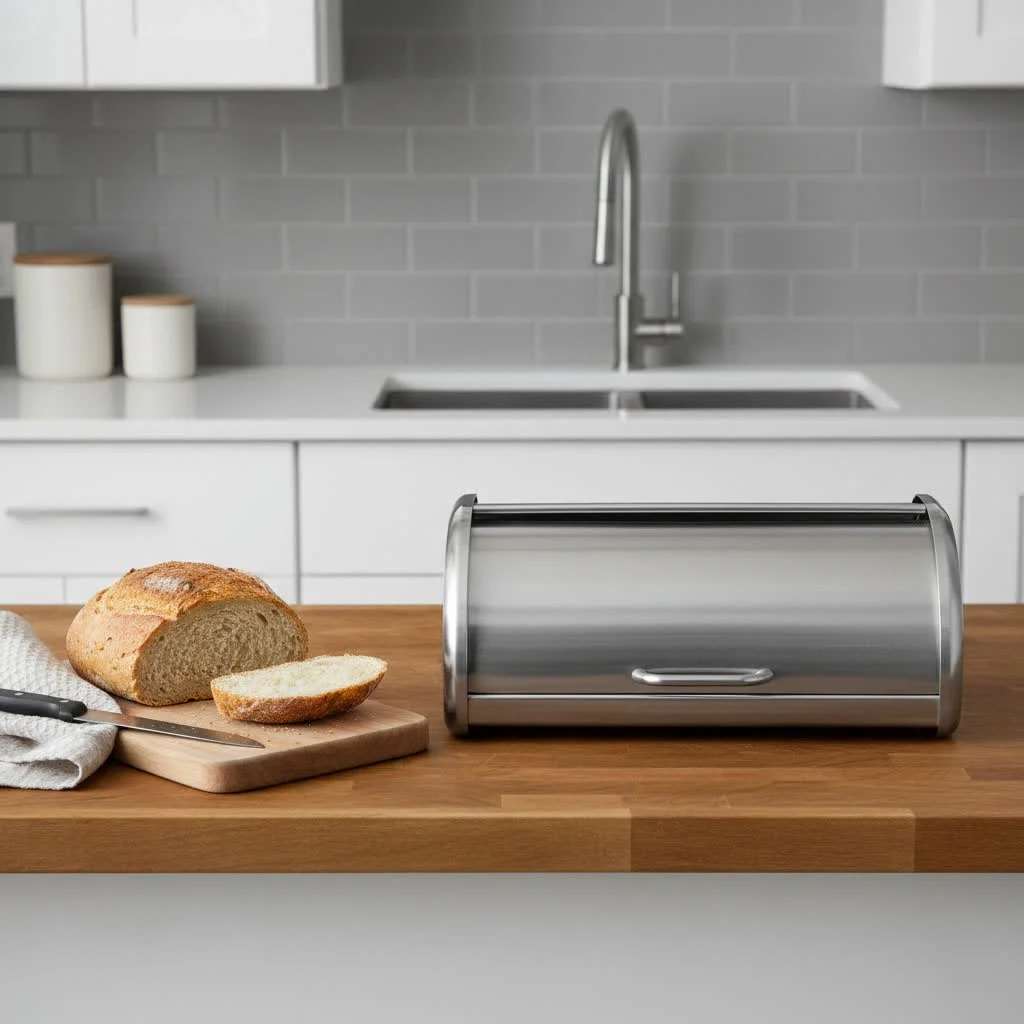
What is an Enamel Bread Box?
At its core, a bread box is a dedicated container designed to store bread and other baked goods, protecting them from environmental factors that lead to spoilage. An enamel bread box takes this concept a step further, featuring a sturdy metal core, typically steel, coated with a layer of glass-like enamel. This enamel finish is fired at high temperatures, creating a smooth, durable, and non-porous surface. Historically, enamelware gained popularity in the late 19th and early 20th centuries for its hygienic properties and resilience, quickly becoming a fixture in kitchens for everything from cooking pots to, naturally, bread bins. These boxes offer a carefully controlled environment, balancing the need for some airflow to prevent mold with enough enclosure to retain essential moisture and keep bread from drying out too quickly.
Why Choose an Enamel Bread Box?
Opting for an enamel bread box brings a host of benefits that extend beyond mere aesthetics. They are designed to address the common challenges of bread storage, ensuring your baked goods stay in peak condition.
One of the primary advantages is their ability to keep bread fresh longer. Enamel bread boxes provide a dark, cool environment that helps regulate humidity. Unlike completely airtight containers that can trap moisture and encourage mold, many enamel bread boxes are designed with a secure yet not hermetic seal, allowing for just enough air circulation to prevent staleness while retaining desirable softness and texture.
Beyond freshness, these boxes offer excellent protection against mold and pests. The solid metal construction, sealed with enamel, creates a robust barrier against insects and rodents, preventing them from contaminating your food. Furthermore, the non-porous surface of enamel is naturally hygienic and easy to clean, significantly reducing the chance of mold spores taking hold compared to more absorbent materials like wood.
Enamel bread boxes also add significant aesthetic charm and organization to any kitchen. Their classic, often vintage-inspired designs, vibrant colors, and smooth finishes make them a focal point on any countertop. They effortlessly declutter your space by providing a designated home for bread, rolls, and pastries, transforming an everyday item into a stylish decor piece.
Finally, their durability and hygiene are unmatched by many alternatives. Enamel is known for its hard-wearing nature, resisting rust and corrosion. Unlike plastic, it won’t warp or leach chemicals into your food, making it a healthier and more environmentally friendly choice.
Popular Styles and Features of Enamel Bread Boxes
Enamel bread boxes come in a delightful array of styles, catering to various kitchen aesthetics from rustic farmhouse to sleek modern.
Vintage and modern designs are perhaps the most striking aspect. Many enamel bread boxes intentionally emulate the classic look of mid-20th-century kitchenware, featuring bold lettering like “Bread” on the front, distressed finishes, and traditional shapes. These pieces evoke a sense of nostalgia and add character to the kitchen. Modern interpretations often feature cleaner lines, minimalist typography, and a wider range of contemporary colors, yet still harness the timeless appeal of enamel.
The colors and finishes are also incredibly diverse. You can find them in crisp whites with contrasting black or colored rims, soft pastels like mint green or baby blue, or vibrant reds and deep blues. The glossy finish of enamel catches the light beautifully, adding a subtle shine to your countertop.
While some bread boxes feature roll-top or drawer mechanisms, many traditional enamel bread boxes come with a simple lift-off lid. This design is effective for maintaining freshness and contributes to their classic aesthetic. The weight of the lid helps to keep it securely in place, while also allowing for that slight air exchange crucial for bread preservation.
Some designs may also include subtle ventilation holes to further optimize airflow, although the natural slight imperfection of a non-airtight lid often suffices. These features are thoughtfully integrated to ensure the best possible environment for your bread.
Enamel Bread Boxes Compared to Other Materials
When selecting a bread box, understanding how enamel stacks up against other common materials is key to making an informed decision.
Enamel vs. Wood
|
Our Picks for the Best Bread Box in 2026
As an Amazon Associate I earn from qualifying purchases.
|
||
| Num | Product | Action |
|---|---|---|
| 1 | Fullin Bread Box for Kitchen Countertop, Bread Storage Container Large Capacity Bamboo Homemade Bread Boxes, Bread Food Holder Organizer with Acrylic Window for Kitchen Counter, Panry Shelf, Cabinet |

|
| 2 | Amazon Basics Carbon Steel Bread Box with Acacia Wood Lid, Lid Doubles as Cutting Board, 11.9 x 7.1 x 5.2 in. |
|
| 3 | Double Layer Bread Box for Kitchen Countertop, Large Breadbox Bread Container Storage with Windows, Wooden Farmhouse Bread Holder (Black) |
|
| 4 | Sunhoo Bread Box for Kitchen Countertop Wooden Bread Storage Container Bin 2 Layer Breadbox Holder Large Capacity Keeper Vintage Farmhouse Food Organizer Pantry Shelf Acrylic Window (Brown) |
|
| 5 | ROYALHOUSE Natural Bamboo Roll Top Bread Box Kitchen Food Storage - Assembly Required |
|
| 6 | Black Corner Bread Box for Kitchen Countertop, Large Bread Container Storage Bamboo Wooden Farmhouse Bread Box with Window Bread Holder |
|
| 7 | 2 Pack Glass Loaf Pan with Lid, 1.9QT/ 62 OZ Bread Pan - Baking Dish with Airtight Lids BPA free - Meatloaf Pans For Homemade Bread, Baking, Cakes, Dessert,Microwave & Oven Safe |
|
| 8 | Bread Box Bread Boxes for Kitchen Counter Airtight, Time Recording Bread Storage Container with Lid, Bread Keeper for Homemade Bread, Toast, Bagel, Donut and Cookies, Grey |
|
| 9 | Bamboo Bread Box for Kitchen Counter-Large Capacity Bread Storage Container Farmhouse Bread Box with Window Bread Holder |
|
| 10 | ZICOTO Beautiful Bread Box With Wooden Lid For Your Kitchen Countertop - Spacious Container Perfectly Stores Your Homemade Bread, English Muffins & Bagels - Quality Cutting Board Lid Keeps Loaf Fresh |
|
- Aesthetics: Wood offers a natural, rustic warmth. Enamel provides a cleaner, often vintage, colorful look.
- Durability: Both are generally durable. Wood can absorb moisture and odors over time, potentially warping or developing mold if not properly cared for. Enamel is resistant to moisture absorption and pest penetration, but can chip if dropped.
- Hygiene & Cleaning: Enamel’s non-porous surface is exceptionally easy to wipe clean and sanitize, making it less prone to mold and bacteria buildup. Wood requires more careful cleaning and drying to prevent issues.
- Maintenance: Wood may need occasional oiling. Enamel simply needs a wipe-down.
Enamel vs. Stainless Steel
- Aesthetics: Stainless steel offers a sleek, modern, industrial look. Enamel tends to be more colorful and vintage in appearance.
- Durability: Both are very durable. Stainless steel is less prone to chipping than enamel but can show fingerprints and scratches more easily. Thin metal boxes, even stainless steel, can dent.
- Hygiene & Cleaning: Both are non-porous and easy to clean. Enamel’s surface can be more forgiving of smudges.
- Freshness: Both can be effective. Some metal boxes can be too airtight, requiring careful design for proper airflow.
Enamel vs. Plastic
- Aesthetics: Plastic bread boxes are often more utilitarian, though they come in many colors. Enamel offers a distinctly higher-end, more decorative appeal.
- Durability: Enamel is significantly more durable and long-lasting than most plastics, which can warp, crack, or become discolored over time.
- Hygiene & Cleaning: Both are easy to clean. However, plastic can absorb odors, and some plastics may leach chemicals. Enamel is non-reactive and free from harmful chemicals like BPA.
- Cost: Plastic is typically the most affordable option, while enamel represents a greater initial investment but offers superior longevity and aesthetic value.
| Feature | Enamel | Wood | Stainless Steel | Plastic |
|---|---|---|---|---|
| Material | Steel with glass coating | Natural wood | Metal alloy | Polymer |
| Aesthetics | Vintage, colorful, glossy, classic | Natural, rustic, warm | Sleek, modern, industrial | Varied, often utilitarian |
| Durability | Very durable, chip-prone if dropped | Durable, can warp/absorb odors | Very durable, can dent/show fingerprints | Less durable, can crack/warp/discolor |
| Hygiene | Non-porous, easy to clean, pest-resistant | Porous, can harbor mold/odors | Non-porous, easy to clean | Non-porous, can absorb odors/stain |
| Cleaning Ease | Very easy (wipe with soap and water) | Requires careful cleaning and drying | Easy (wipe clean) | Easy (wipe clean) |
| Freshness Mgmt. | Good airflow balance | Good moisture absorption (can dry out) | Varies (can be too airtight) | Varies |
| Cost | Mid to High | Mid to High | Mid | Low |
How to Choose the Perfect Enamel Bread Box
Selecting the ideal enamel bread box involves considering your personal needs and kitchen environment.
Consider Your Bread Habits
First, determine the quantity and size of bread you typically need to store. Do you usually buy a single standard loaf, or do you bake artisanal sourdoughs and frequently have multiple items on hand? Measure your largest loaf to ensure it will fit comfortably inside the box. A larger household might benefit from a generously sized bread box, while a smaller one might prefer a compact design to save counter space.
Evaluate Kitchen Space and Style
Next, assess your available kitchen space and existing interior design. An enamel bread box is often a prominent countertop feature. Measure the area where you plan to place it, considering both width, depth, and height. Choose a color and style that complements your kitchen’s aesthetic, whether it’s a vibrant retro hue for a playful space or a classic white for a farmhouse look. The bread box should enhance, not detract from, your decor.
Look for Quality Features
Finally, pay attention to specific features that indicate quality and functionality. A good enamel bread box should have a sturdy construction and a smooth, unblemished enamel finish. Ensure the lid fits well – not too tight to trap moisture, but secure enough to keep pests out and maintain a stable internal environment. Some models may feature subtle ventilation holes, which can be beneficial for optimal bread preservation. A solid base and comfortable handles (if any) also contribute to ease of use.
Care and Maintenance for Your Enamel Bread Box
Proper care will ensure your enamel bread box remains a beautiful and functional kitchen essential for years to come.
For daily cleaning, a simple routine is best. After removing your bread, wipe the interior and exterior of the box with a soft cloth or sponge dampened with warm water and a gentle dish soap. The non-porous enamel surface makes this process quick and easy. Always allow the bread box to cool down completely before washing, and dry it promptly with a clean towel to prevent water spots.
When tackling stubborn stains or sticky residues, a paste made from baking soda and a small amount of water can work wonders. Apply the paste with a soft sponge, gently scrub in a circular motion, and then rinse thoroughly. For heavier, baked-on stains (though less common in a bread box), a solution of baking soda and water brought to a gentle boil inside the box can help loosen the grime.
It’s crucial to avoid certain cleaning practices to prevent damage. Never use abrasive scrubbers like steel wool or harsh metal sponges, as these can scratch or chip the delicate enamel coating. Similarly, steer clear of highly acidic or citrus-based cleaners, as they can dull the enamel’s glossy finish over time. With a little care, your enamel bread box will continue to brighten your kitchen and keep your bread fresh.
Top Enamel Bread Box Picks
When considering an enamel bread box, look for models that combine robust construction with thoughtful design elements. Many popular options on the market offer a vintage appeal, often featuring clean white or cream enamel with classic black lettering. Seek out boxes with a solid, heavyweight feel, which indicates quality materials and a durable build. Lids that lift off smoothly but settle securely are ideal, providing the necessary balance of air circulation and protection. Some preferred designs include those with subtle ventilation holes, ensuring optimal freshness. Large capacity bread boxes are particularly popular for families or avid bakers, accommodating multiple loaves or assorted baked goods. Ultimately, the best enamel bread box marries practical bread preservation with an aesthetic that complements and elevates your kitchen decor.
“An enamel bread box isn’t just a container; it’s a bridge to kitchen traditions, offering both unmatched style and proven freshness for your baked goods.” – Chef Antoine Dubois, Culinary Historian & Kitchenware Expert
Conclusion
An enamel bread box offers a perfect blend of timeless charm and practical functionality, making it an excellent investment for any kitchen. From its sturdy construction and hygienic, easy-to-clean surface to its ability to keep bread fresher for longer, it stands as a superior choice compared to many alternatives. More than just a storage solution, an enamel bread box adds a touch of vintage elegance and organized beauty to your countertop, proving that essential kitchen items can indeed be both beautiful and highly effective. Why settle for anything less when you can enjoy the enduring appeal and benefits of an enamel bread box?
Frequently Asked Questions
Are enamel bread boxes good for keeping bread fresh?
Yes, enamel bread boxes are excellent for keeping bread fresh. They provide a dark, cool environment that helps regulate humidity and prevents bread from drying out too quickly or molding, thanks to a design that allows for optimal, gentle airflow.
How do you clean an enamel bread box?
Clean an enamel bread box with warm water, gentle dish soap, and a soft sponge or cloth. For stubborn stains, a paste of baking soda and water can be used. Avoid abrasive scrubbers and harsh, citrus-based cleaners to protect the enamel finish.
Can enamel bread boxes chip?
While durable, enamel bread boxes can chip if they are dropped or struck sharply against a hard surface. It’s important to handle them with care to preserve their pristine finish and structural integrity.
Are enamel bread boxes hygienic?
Absolutely. Enamel’s non-porous, glass-like surface is inherently hygienic, resisting bacteria, odors, and stains. This makes enamel bread boxes easy to clean and a sanitary choice for food storage, unlike some materials that can absorb moisture and harbor mold.
Cooking gear we tested in our own kitchens
Free PDF — preheat times measured on 10 popular air fryers.
