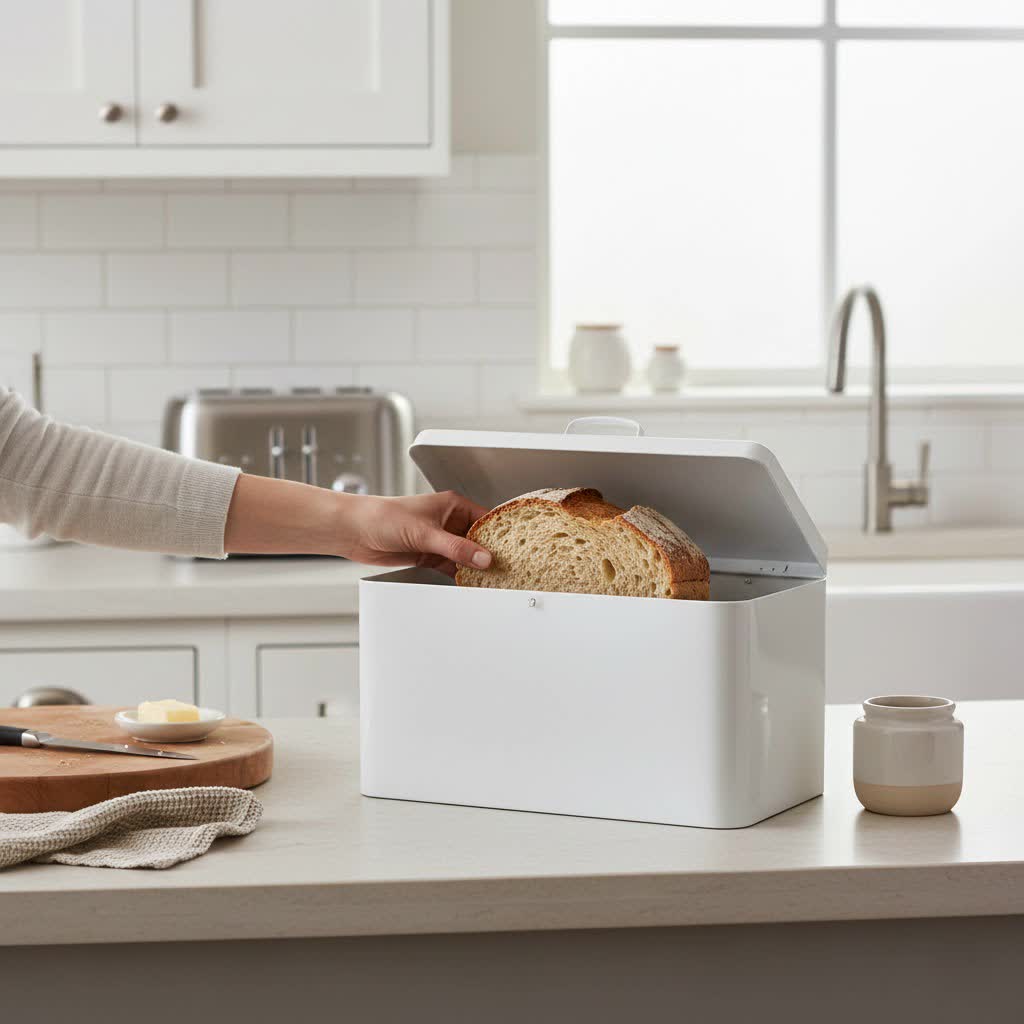
Have you ever savored a freshly baked loaf, only to find it stale or, worse, moldy a few days later? The quest for perfectly preserved bread is a common culinary challenge, leading many to rediscover the timeless solution: the bread box. While traditional designs abound, the glass bread box, or those featuring prominent glass elements, offers a modern twist, blending sleek aesthetics with practical benefits. This comprehensive guide will explore the world of bread boxes, with a special focus on the distinct advantages and considerations of glass, helping you choose the perfect addition to your kitchen.
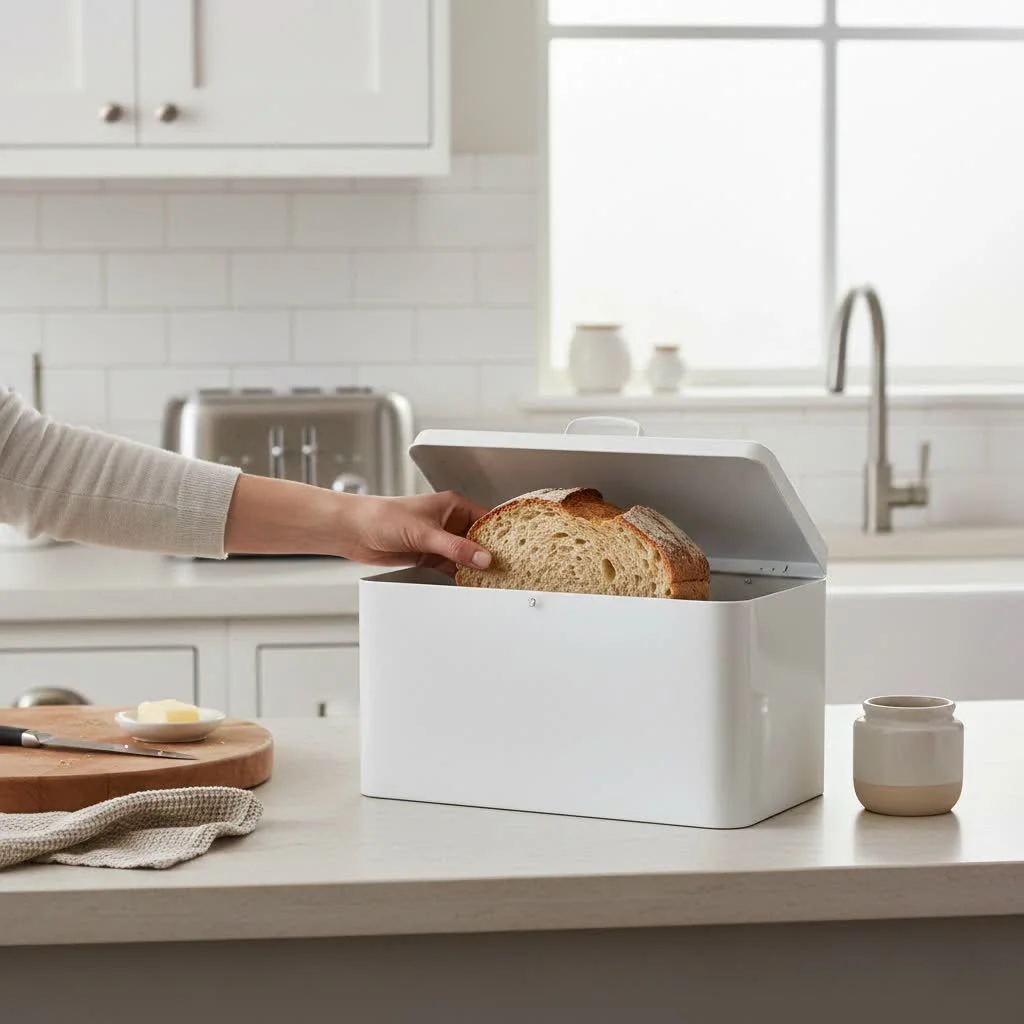
What is a Bread Box?
A bread box, often called a bread bin, is a kitchen container specifically designed for storing bread and other baked goods. Its primary purpose is to create an ideal microclimate—a balance of temperature and humidity—that slows down the natural staling process and inhibits mold growth. Unlike airtight containers that can trap too much moisture, a well-designed bread box allows for just enough air circulation to keep bread fresh without drying it out too quickly.
The concept of the bread box dates back centuries, long before industrial food preservatives and plastic packaging became commonplace. It emerged as a household necessity to protect a staple food from pests like mice and ants, and to extend its edible life from a mere day or two. The Smithsonian houses a bread box from the late 1800s used for transporting bread, and Stanley Walter Krebs patented a design in 1918. Otto Frederick Rohwedder, known for revolutionizing bread slicing in the 1920s, also championed the bread box as an essential companion. Its popularity waned mid-20th century but has seen a resurgence with the growing appreciation for artisan and homemade breads.
Why You Need a Bread Box (And Why Glass Stands Out)
Storing bread properly is crucial for maintaining its quality, and a bread box offers several compelling advantages that significantly impact your daily culinary experience. Beyond basic preservation, the choice of material, particularly glass, can elevate both function and form in your kitchen.
Firstly, a bread box keeps bread fresher for longer by controlling the humidity around it. While refrigeration can actually speed up the staling process by causing starch retrogradation, a bread box maintains a consistent room temperature environment. This gentle regulation ensures your bread remains soft, pliable, and easy to slice or toast, preserving its delightful texture and flavor for several days.
Secondly, proper ventilation within a bread box is key to preventing mold. Unlike sealed plastic bags that can trap moisture and create a breeding ground for fungi, bread boxes are designed to allow a minimal amount of airflow. This controlled circulation disperses excess humidity, significantly reducing the conditions that lead to mold development.
Beyond freshness, a bread box acts as a protective barrier against common kitchen invaders. Pests such as insects and rodents are kept at bay, ensuring your baked goods remain uncontaminated and safe to eat. Furthermore, a dedicated bread box helps to declutter your countertops, offering a tidy and organized space for your loaves, bagels, and pastries, enhancing your kitchen’s overall aesthetic.
Why Glass Shines: When it comes to bread boxes, glass introduces a unique blend of benefits. Its inherent transparency allows you to easily monitor your bread supply, ensuring you never run out unexpectedly or forget about a forgotten loaf. Glass is also non-porous, making it exceptionally hygienic; it won’t absorb odors or stains, and it’s remarkably easy to clean, ensuring a fresh environment for every new loaf. Aesthetically, glass offers a sleek, modern, and often minimalist look that complements contemporary kitchen designs, turning a simple storage solution into a stylish centerpiece.
Exploring the World of Bread Boxes: Focus on Glass
Bread boxes come in a variety of materials and designs, each offering distinct characteristics. While a fully glass bread box might be less common than other materials, glass elements are increasingly featured for their aesthetic and practical benefits. Understanding the properties of different materials helps illuminate why glass, either alone or in combination, is an appealing choice.
By Material
|
Our Picks for the Best Bread Box in 2026
As an Amazon Associate I earn from qualifying purchases.
|
||
| Num | Product | Action |
|---|---|---|
| 1 | Black Corner Bread Box for Kitchen Countertop, Large Bread Container Storage Bamboo Wooden Farmhouse Bread Box with Window Bread Holder |

|
| 2 | Sunhoo Bread Box for Kitchen Countertop Wooden Bread Storage Container Bin 2 Layer Breadbox Holder Large Capacity Keeper Vintage Farmhouse Food Organizer Pantry Shelf Acrylic Window (Brown) |
|
| 3 | ZICOTO Beautiful Bread Box With Wooden Lid For Your Kitchen Countertop - Spacious Container Perfectly Stores Your Homemade Bread, English Muffins & Bagels - Quality Cutting Board Lid Keeps Loaf Fresh |
|
| 4 | Amazon Basics Carbon Steel Bread Box with Acacia Wood Lid, Lid Doubles as Cutting Board, 11.9 x 7.1 x 5.2 in. |
|
| 5 | 2 Pack Glass Loaf Pan with Lid, 1.9QT/ 62 OZ Bread Pan - Baking Dish with Airtight Lids BPA free - Meatloaf Pans For Homemade Bread, Baking, Cakes, Dessert,Microwave & Oven Safe |
|
| 6 | ROYALHOUSE Natural Bamboo Roll Top Bread Box Kitchen Food Storage - Assembly Required |
|
| 7 | Bamboo Bread Box for Kitchen Counter-Large Capacity Bread Storage Container Farmhouse Bread Box with Window Bread Holder |
|
| 8 | Bread Box Bread Boxes for Kitchen Counter Airtight, Time Recording Bread Storage Container with Lid, Bread Keeper for Homemade Bread, Toast, Bagel, Donut and Cookies, Grey |
|
| 9 | Double Layer Bread Box for Kitchen Countertop, Large Breadbox Bread Container Storage with Windows, Wooden Farmhouse Bread Holder (Black) |
|
| 10 | Fullin Bread Box for Kitchen Countertop, Bread Storage Container Large Capacity Bamboo Homemade Bread Boxes, Bread Food Holder Organizer with Acrylic Window for Kitchen Counter, Panry Shelf, Cabinet |
|
The material of your bread box plays a significant role in its functionality, durability, and appearance.
- Glass:
- Pros: Glass is celebrated for its hygienic properties; it’s non-porous, meaning it won’t absorb food odors or stains, and it’s incredibly easy to clean, often being dishwasher safe. Its most distinctive advantage is transparency, allowing you to see your bread at a glance, making it simple to manage your supply. A glass bread box, or one with glass components, also imparts a modern and sleek aesthetic, effortlessly integrating into contemporary kitchen decors.
- Cons: The primary drawback of glass is its fragility; it can break if dropped or subjected to impact, making it less durable than metal or wood in certain situations. It’s also typically heavier than plastic or some metal options and can be more expensive. For a fully glass bread box, ensuring adequate ventilation is critical, as a completely airtight seal would trap too much moisture, leading to mold. Therefore, designs often incorporate subtle vents or a slightly loose-fitting lid.
- Wood: Wood bread boxes offer a warm, rustic, or classic appeal. Wood is naturally porous, which can help regulate humidity by absorbing some excess moisture. However, wood requires more diligent maintenance to prevent warping and can absorb odors over time. Some testing suggests wood can be highly durable.
- Metal: Materials like stainless steel or aluminum are durable, often easy to clean, and offer a sleek, industrial, or retro aesthetic. Metal boxes can be quite airtight, which is good for deterring pests but necessitates specific ventilation designs to prevent mold-inducing moisture buildup. They can show fingerprints and may be prone to denting, depending on the gauge of the metal.
- Plastic: Plastic bread boxes are generally lightweight, affordable, and come in many colors and styles. They are easy to clean but may absorb odors or stains over time and can lack the sophisticated aesthetic of other materials. Durability can vary significantly with the quality of the plastic.
- Ceramic: Ceramic bread boxes, or bread crocks, can be very attractive, often featuring artisanal designs. However, they are fragile like glass and can trap too much moisture, leading to rapid mold growth if both the interior and exterior are glazed without proper ventilation. A ceramic bread box with an unglazed lid, such as thin wood or unglazed clay, is often recommended for better humidity control.
By Design
The style of a bread box often dictates its convenience and how it fits into your kitchen workflow. Glass can be incorporated into many of these designs.
- Roll-Top: These boxes feature a lid that slides back and forth, much like a garage door. Many roll-top designs incorporate a transparent or frosted glass (or plexiglass) panel in the lid, offering visibility while protecting the bread. They are convenient as they don’t require extra counter space for opening.
- Flip-Top/Lift-Off Lid: These are common designs where the lid either flips open on hinges or lifts off completely. Full glass containers often use a lift-off glass lid, sometimes with a silicone seal, for a minimalist look. Hinged lids can sometimes be less convenient if placed against a wall.
- Drawer/Wall-Mounted: While less common for fully glass bread boxes due to weight and fragility, some modern designs might feature glass fronts on drawer-style units or wall-mounted cabinets to combine visibility with space-saving.
Glass Bread Boxes vs. Other Materials: A Comparison Table
Choosing the right bread box means weighing the strengths and weaknesses of different materials. Here’s a comparative look, with a special emphasis on how glass stacks up against common alternatives:
| Feature | Glass Bread Box | Wood Bread Box | Metal Bread Box | Plastic Bread Box |
|---|---|---|---|---|
| Freshness | Excellent (with proper ventilation for humidity control) | Good (natural moisture absorption can help) | Good (requires precise ventilation; can be too airtight) | Fair to Good (depending on seal and material quality) |
| Mold Prevention | Excellent (non-porous, easy to sterilize) | Good (needs regular cleaning, can harbor spores in pores) | Good (if ventilated correctly; easy to wipe clean) | Fair (can trap moisture if fully sealed) |
| Aesthetics | Modern, sleek, elegant, high-end, transparent | Rustic, natural, warm, classic | Industrial, contemporary, vintage, varied finishes | Basic, functional, wide color range, can appear cheap |
| Durability | Fragile (prone to breakage), scratch-resistant surface | Durable (can last decades), prone to scratches/dents | Very durable, prone to dents/scratches, shows smudges | Less durable (can scratch, crack, warp), may stain |
| Hygiene/Cleaning | Excellent (non-porous, easy to wipe, dishwasher-safe) | Good (requires specific care, can be difficult to sanitize) | Excellent (easy to wipe, rust-resistant options) | Good (easy to wipe, can stain over time) |
| Visibility | High (contents always visible) | None (contents hidden) | None (contents hidden) | Low to Medium (depends on opacity) |
| Cost | Higher | Medium to High | Medium | Low |
| Ventilation Needs | Crucial (must have specific design to prevent condensation) | Natural porosity helps, some designs have vents | Critical (to prevent excessive moisture buildup) | May require engineered vents |
How to Choose the Perfect Glass Bread Box
Selecting the right glass bread box, or a bread box featuring prominent glass elements, involves more than just picking the prettiest one. It’s about matching its features to your lifestyle, kitchen space, and bread consumption habits to ensure maximum freshness and satisfaction.
Assessing Your Needs
Before you commit, take a moment to consider what you genuinely need from a bread box.
- Bread Consumption: How much bread do you typically store at once? Do you bake frequently, or do you buy a single loaf of artisanal bread every week? The best bread boxes should comfortably fit one to three loaves, but larger households might benefit from bigger models. Consider if you’ll also store other baked goods like bagels, muffins, or pastries.
- Kitchen Space: Measure your available countertop space. If your counters sit under cabinets, ensure the bread box’s height, especially with a lift-off or flip-top lid, is suitable. Some designs, like roll-tops, allow you to stack items on top, maximizing vertical space.
- Style and Aesthetics: The beauty of glass is its versatility. Do you envision a sleek, minimalist all-glass design, or one that combines glass with warm wood or industrial metal accents? Consider how the bread box will integrate with your existing kitchen decor, whether it’s farmhouse chic, ultra-modern, or traditional.
Key Features to Look For in Glass
When specifically seeking out glass bread boxes, or those with significant glass components, these features are paramount:
- Ventilation is Essential: This cannot be stressed enough. A truly airtight glass container is not suitable for bread storage, as it will trap moisture and quickly lead to mold. Look for designs that explicitly mention ventilation. This might manifest as small, discreet holes, a lid that doesn’t form a complete seal, or a natural gap in the design. This subtle airflow is what prevents condensation and keeps your bread from going soggy.
- Lid Design for Convenience: Consider how the lid operates. Roll-top glass lids or those with transparent panels offer easy access without requiring extra space to open. Lift-off glass lids provide a clean, seamless look but require you to have clear space above to remove them. Evaluate which style best suits your daily routine.
- Durability and Construction: While glass is inherently more fragile, look for tempered glass, which is stronger and more resistant to breakage. Designs that encase glass panels within a sturdier frame (like wood or metal) can offer a good balance of visibility and durability. Pay attention to the thickness of the glass components.
- Combination Materials: Many appealing bread boxes creatively blend glass with other materials. A wooden bread box with a glass viewing window, or a metal body with a frosted glass roll-top, can offer the aesthetic and hygienic benefits of glass while leveraging the strengths of other materials for structure and optimal humidity control. These hybrid designs often provide the best of both worlds.
- Ease of Cleaning and Maintenance: Glass is generally very easy to clean. Check if the glass components are removable and dishwasher-safe for ultimate convenience. Regular cleaning is crucial to prevent crumb buildup, which can attract pests and promote mold growth. Wiping with hot soapy water or a vinegar solution is recommended.
Top Considerations for Glass Bread Boxes
While “fully glass” bread boxes are less common, often glass is integrated as a transparent element within designs made primarily of other materials. This fusion brings unique advantages and specific considerations for consumers.
When evaluating a bread box that features glass, prioritize designs where the glass allows for visibility without compromising the critical airflow necessary to keep bread fresh and inhibit mold. Many popular bread boxes utilize frosted plexiglass or clear plastic for their “transparent” components, offering similar visual benefits with increased durability compared to traditional glass. For instance, some highly-rated stainless steel roll-top bread boxes feature a frosted plexiglass lid, combining a contemporary look with practical transparency and robust construction. This type of design often strikes an excellent balance between aesthetic appeal and functional performance.
The non-porous nature of glass makes it exceptionally easy to clean, a significant advantage for maintaining hygiene and preventing the buildup of crumbs or mold spores. Unlike porous materials that might retain moisture or odors, glass offers a pristine surface that can be easily wiped down or, if removable, washed thoroughly.
Ultimately, the best glass bread box (or one with glass features) will harmoniously blend the elegant transparency of glass with intelligent ventilation, durable construction, and a design that complements your kitchen. It’s about finding that sweet spot where form meets function, allowing you to enjoy fresh bread and a beautiful, organized kitchen.
“A bread box isn’t just about storage; it’s about preserving the joy of fresh bread. The right design, especially those with intelligent ventilation, can make all the difference.” – Admin, reviewhieutv.com, Technician with 10+ years specializing in home appliances, particularly Bread Boxes
Conclusion
The pursuit of perfectly fresh bread leads many back to the humble yet effective bread box. While a variety of materials offer their own charm, the glass bread box, or designs incorporating clear glass elements, presents a compelling option for the modern kitchen. Offering unparalleled transparency, superior hygiene, and a sleek aesthetic, glass combines visual appeal with practical benefits that can transform your bread storage.
Remember, the key to a successful bread box, especially one featuring glass, lies in proper ventilation—enough to prevent mold but not so much that your loaf dries out. By carefully considering your needs, understanding the unique properties of glass, and prioritizing thoughtful design, you can find a bread box that not only keeps your bread fresher for longer but also enhances the beauty and organization of your home.
Are you ready to elevate your bread storage with the clear advantage of glass?
Frequently Asked Questions
How does a glass bread box keep bread fresh?
A glass bread box keeps bread fresh by providing a dark, cool, and well-ventilated environment at room temperature, which slows down the staling process (starch retrogradation) better than refrigeration. Proper ventilation in the design prevents moisture buildup and mold, while the box itself protects bread from drying out and pests.
Is a fully glass bread box ideal for freshness?
While glass is hygienic and aesthetic, a fully sealed glass bread box is not ideal for bread freshness as it would trap too much moisture, leading to mold. The best glass bread boxes, or those with significant glass elements, incorporate specific ventilation features to allow for crucial airflow.
How do I clean a glass bread box?
Cleaning a glass bread box is straightforward due to its non-porous surface. Simply wipe it down regularly with hot, soapy water or a solution of vinegar and water. For best results, ensure all crumbs are removed, and the box is completely dry before storing new bread to prevent mold growth.
Do glass bread boxes break easily?
Glass bread boxes are generally more fragile than those made of wood or metal and can break if dropped or subjected to heavy impact. However, many modern designs use tempered glass for increased durability or integrate glass panels within sturdier frames to minimize the risk of breakage.
Can I put other baked goods in a glass bread box?
Yes, a glass bread box is excellent for storing a variety of baked goods beyond just loaves of bread. You can use it to keep bagels, muffins, pastries, cookies, and even pound cake or banana bread fresh for longer, enjoying the same benefits of controlled humidity and protection from pests.
Are glass bread boxes more expensive than other types?
Generally, glass bread boxes or those with significant glass components tend to be more expensive than their plastic or some metal counterparts. The cost reflects the material’s aesthetic appeal, hygienic properties, and the manufacturing precision required for proper ventilation and durability.
Cooking gear we tested in our own kitchens
Free PDF — preheat times measured on 10 popular air fryers.
