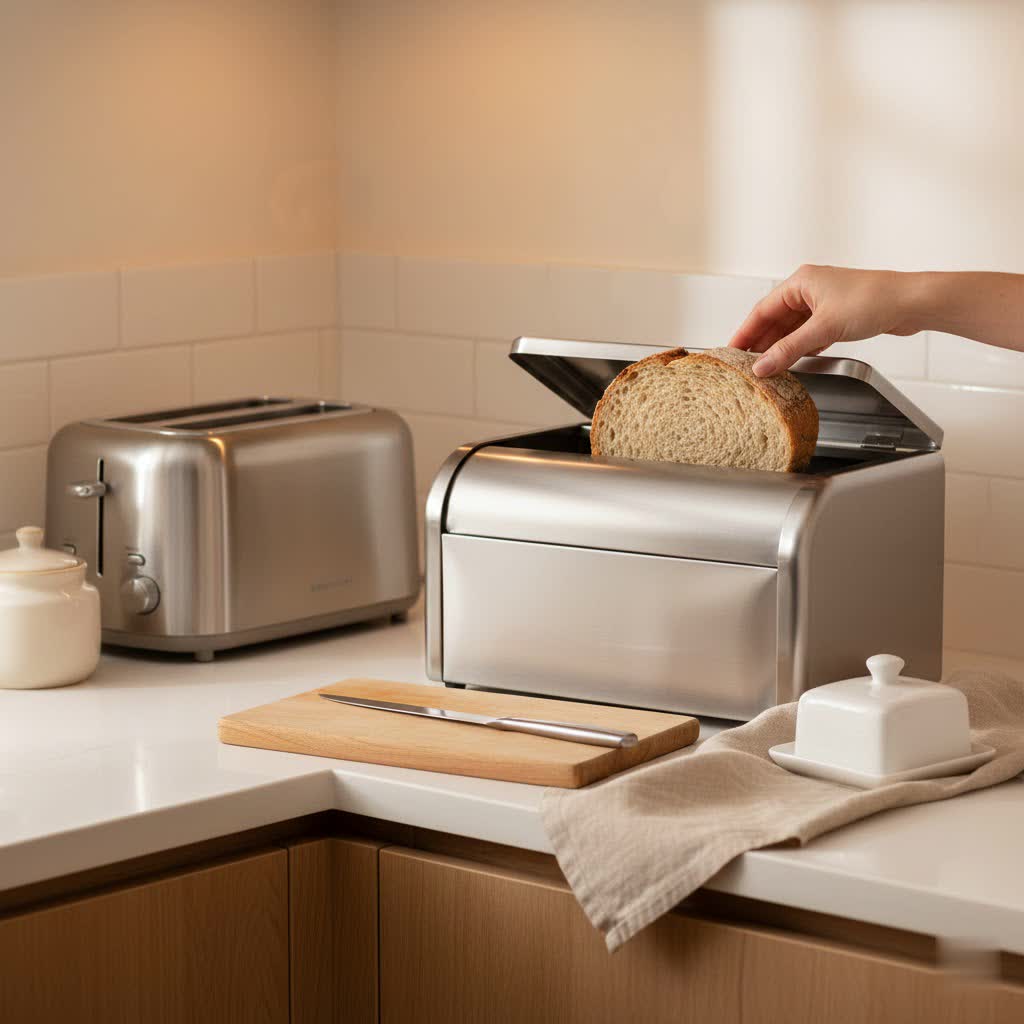
Imagine biting into a slice of bread that’s perfectly soft on the inside with just the right amount of crusty exterior. Now, imagine that same freshness lasting for days, not hours. For many, this is a dream, but with the right bread box, it becomes a delicious reality. As a technician with over a decade of hands-on experience in home appliances, particularly bread boxes, I’ve seen countless models, materials, and designs. I understand the nuances that transform a simple container into an essential kitchen ally, preserving your beloved loaves and elevating your culinary space. Let’s unlock the secrets to choosing the perfect bread box for your home.
What is a Bread Box?
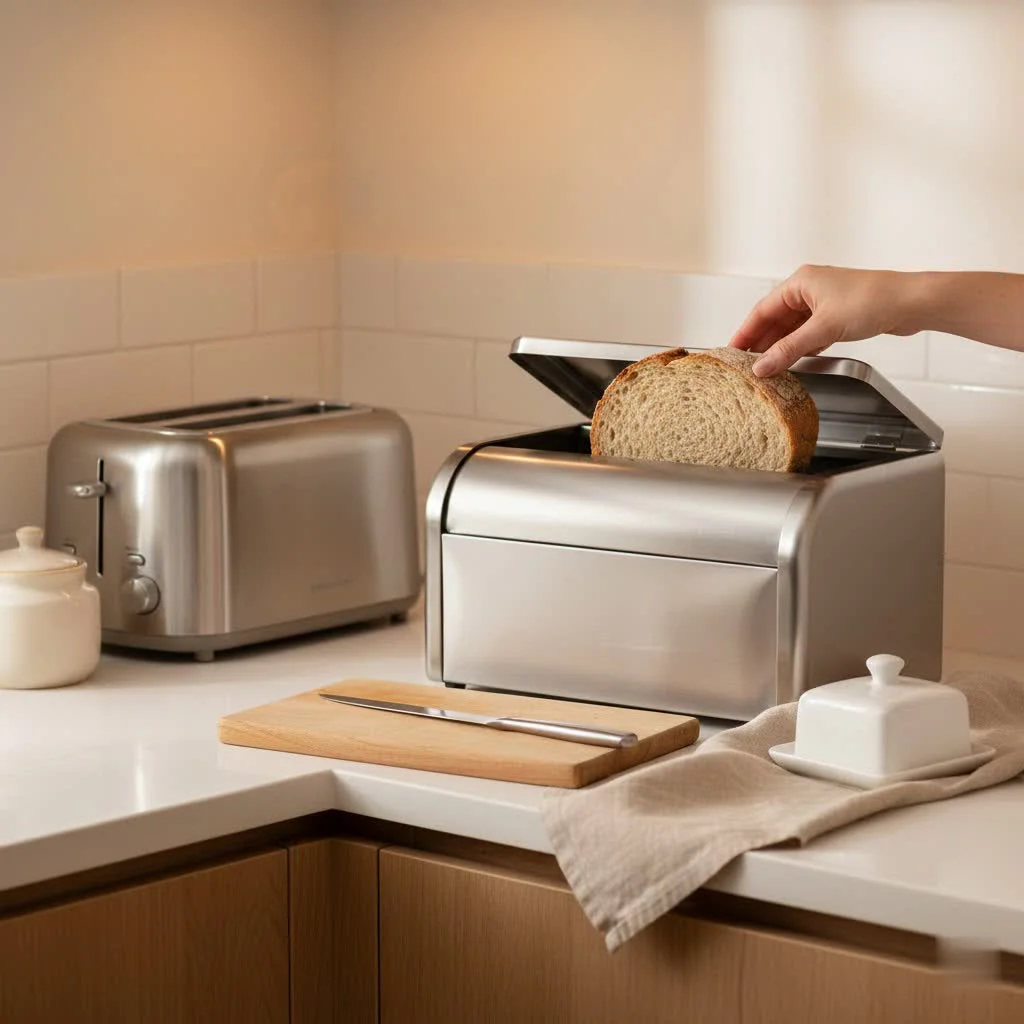
A bread box, often called a bread bin or bread keeper, is a specialized container designed to store bread and other baked goods, keeping them fresh for longer than countertop or refrigerator storage. Far from being a mere decorative accent, its primary function is to create a micro-environment that perfectly balances humidity and airflow. This ingenious design prevents bread from drying out too quickly while also deterring the growth of mold. For kitchen organization buying guides on this site.
The history of the bread box stretches back centuries, long before the advent of plastic packaging and chemical preservatives. In earlier times, when most bread was baked at home and consumed within a few days, a bread box was an indispensable kitchen item. It offered a practical solution for preserving loaves, protecting them from pests, and keeping them at an optimal temperature. While commercial bread often comes pre-packaged, the traditional bread box has seen a resurgence in popularity, especially among home bakers and those who appreciate artisanal loaves.
Why You Need a Bread Box?
If you’ve ever tossed a stale baguette or a moldy loaf, you understand the frustration and waste. A bread box offers a simple yet highly effective solution to common bread storage dilemmas. It’s more than just a container; it’s a commitment to enjoying fresh bread day after day.
Keep Bread Fresh Longer
The primary benefit of a bread box is its ability to extend the shelf life of your bread. Unlike the refrigerator, which can actually accelerate the staling process by speeding up starch crystallization, a bread box stores bread at room temperature. It regulates the internal humidity, slowing down the drying process that leads to staleness while maintaining the bread’s desired texture—a crisp crust and a soft, moist interior.
Prevent Mold and Bacteria Growth
|
Our Picks for the Best Bread Box in 2026
As an Amazon Associate I earn from qualifying purchases.
|
||
| Num | Product | Action |
|---|---|---|
| 1 | ROYALHOUSE Natural Bamboo Roll Top Bread Box Kitchen Food Storage - Assembly Required |

|
| 2 | Bamboo Bread Box for Kitchen Counter-Large Capacity Bread Storage Container Farmhouse Bread Box with Window Bread Holder |
|
| 3 | Fullin Bread Box for Kitchen Countertop, Bread Storage Container Large Capacity Bamboo Homemade Bread Boxes, Bread Food Holder Organizer with Acrylic Window for Kitchen Counter, Panry Shelf, Cabinet |
|
| 4 | Amazon Basics Carbon Steel Bread Box with Acacia Wood Lid, Lid Doubles as Cutting Board, 11.9 x 7.1 x 5.2 in. |
|
| 5 | 2 Pack Glass Loaf Pan with Lid, 1.9QT/ 62 OZ Bread Pan - Baking Dish with Airtight Lids BPA free - Meatloaf Pans For Homemade Bread, Baking, Cakes, Dessert,Microwave & Oven Safe |
|
| 6 | Bread Box Bread Boxes for Kitchen Counter Airtight, Time Recording Bread Storage Container with Lid, Bread Keeper for Homemade Bread, Toast, Bagel, Donut and Cookies, Grey |
|
| 7 | Sunhoo Bread Box for Kitchen Countertop Wooden Bread Storage Container Bin 2 Layer Breadbox Holder Large Capacity Keeper Vintage Farmhouse Food Organizer Pantry Shelf Acrylic Window (Brown) |
|
| 8 | Double Layer Bread Box for Kitchen Countertop, Large Breadbox Bread Container Storage with Windows, Wooden Farmhouse Bread Holder (Black) |
|
| 9 | ZICOTO Beautiful Bread Box With Wooden Lid For Your Kitchen Countertop - Spacious Container Perfectly Stores Your Homemade Bread, English Muffins & Bagels - Quality Cutting Board Lid Keeps Loaf Fresh |
|
| 10 | Black Corner Bread Box for Kitchen Countertop, Large Bread Container Storage Bamboo Wooden Farmhouse Bread Box with Window Bread Holder |
|
A well-designed bread box incorporates subtle ventilation, typically small holes or discreet slats. This controlled airflow is crucial. It allows excess moisture and condensation to escape, preventing the humid, stagnant environment that mold and bacteria thrive in. Without proper ventilation, even fresh bread can quickly become a victim of unwelcome fuzz.
Protect Bread from Pests and Contaminants
Leaving bread exposed on the counter or in a loosely tied bag makes it vulnerable to curious critters, from insects to rodents. A sturdy bread box provides a protective barrier, keeping your baked goods safe from unwanted guests and airborne contaminants. It ensures your bread remains hygienic and untouched until you’re ready to enjoy it.
Create a Tidy and Aesthetic Kitchen Space
Beyond its practical benefits, a bread box can significantly enhance your kitchen’s aesthetic. Instead of an assortment of plastic bags and half-eaten loaves cluttering your countertop, a bread box offers a dedicated, stylish storage solution. Available in various designs, materials, and colors, it can seamlessly integrate with your existing décor, adding a touch of elegance or rustic charm.
Popular Types of Bread Boxes
Bread boxes come in a delightful array of materials and styles, each offering unique advantages in terms of performance, durability, and visual appeal. Understanding these differences is key to selecting a bread box that perfectly suits your needs and complements your kitchen.
By Material
The material of your bread box plays a crucial role in how effectively it keeps bread fresh and how it fits into your kitchen’s design.
Wood
- Advantages: Wooden bread boxes, often made from bamboo, oak, or beech, are highly breathable, which helps regulate moisture naturally. Many woods possess natural germ-killing properties and impart a classic, warm aesthetic. They are generally durable and can be very stylish.
- Disadvantages: Wood can absorb odors over time if not cleaned regularly. Some types might be more susceptible to scratches or require specific maintenance to prevent warping.
- Care: Wipe with a damp cloth and mild soap; ensure it dries completely to prevent mold. Periodically air it out.
Metal
- Advantages: Metal bread boxes, typically stainless steel or coated tin, offer a sleek, modern look that complements contemporary kitchens. They are very durable, resistant to pests, and generally easy to clean. Many feature magnetic closures for a secure seal.
- Disadvantages: Thinner metal can dent easily. Without adequate ventilation holes, metal boxes can trap moisture, leading to mold. They can also show smudges and fingerprints.
- Care: Wipe with a damp cloth and a gentle cleaner. Dry thoroughly to prevent water spots.
Plastic
- Advantages: Plastic bread boxes are lightweight, often the most affordable option, and come in a wide range of colors and designs. They are typically easy to clean and resist dents.
- Disadvantages: Plastic is generally less effective at regulating humidity than wood or ceramic. Lower-quality plastics may absorb odors or stain over time and can feel less substantial.
- Care: Wash with warm, soapy water; most are dishwasher safe.
Ceramic
- Advantages: Ceramic bread boxes offer excellent insulation, helping maintain a stable internal temperature. They are highly decorative and provide a good balance between style and functionality, often with natural breathability.
- Disadvantages: Ceramic can be heavy and fragile, prone to chipping or breaking if dropped. They may also be more expensive.
- Care: Hand wash with warm, soapy water; avoid harsh abrasives.
By Style
Beyond material, the opening mechanism and overall design of a bread box contribute to its functionality and how it integrates into your kitchen space.
Roll-Top
This classic design features a curved lid that slides back and forth, reminiscent of a garage door.
- Pros: Saves countertop space as the lid doesn’t swing out. Offers easy, one-handed access.
- Cons: The rolling mechanism can sometimes become stiff or noisy over time.
Flip-Top (Hinged Lid)
These boxes have a lid that lifts open, often hinged at the back, similar to a treasure chest.
- Pros: Simple, straightforward access. Can provide a wide opening for larger loaves.
- Cons: Requires clearance above the box for the lid to open fully, which might be an issue under cabinets.
Drawer Style
Less common, these bread boxes resemble a small drawer that pulls out from a cabinet or stand.
- Pros: Integrates seamlessly into kitchen cabinetry, offering a built-in look. Saves counter space.
- Cons: May require professional installation if not a standalone unit. Limited in capacity and less portable.
Wall-Mounted
Designed to be fixed to a kitchen wall, these save precious counter space.
- Pros: Maximizes counter space, excellent for smaller kitchens. Adds a unique design element.
- Cons: Permanent fixture. May be harder to clean or retrieve bread from if mounted too high or low.
Comparison Table: Choosing Your Ideal Bread Box
To simplify your decision, here’s a comparative overview of the most popular bread box materials:
| Feature | Wood (e.g., Bamboo, Oak) | Metal (e.g., Stainless Steel, Tin) | Plastic | Ceramic |
|---|---|---|---|---|
| Durability | High, robust, less prone to dents | High, very sturdy, but thin metals can dent | Moderate, flexible, but can crack or scratch | Moderate, resistant to wear, but fragile to impact |
| Aesthetics | Natural, rustic, warm, classic | Modern, sleek, industrial, minimalist | Casual, varied colors, can look less premium | Elegant, traditional, artistic, substantial |
| Breathability | Excellent, naturally porous for airflow | Variable, needs dedicated vents; can trap moisture | Low, often airtight, prone to condensation | Good, provides insulation with some airflow |
| Ease of Cleaning | Moderate, wipe clean, air dry; can absorb odors | High, smooth surfaces, can show smudges/fingerprints | High, often dishwasher safe | Moderate, hand wash, heavy |
| Price Range | Medium to High | Low to Medium | Low | Medium to High |
| Weight | Medium | Light to Medium | Light | Heavy |
| Key Advantage | Natural humidity control, timeless look | Modern appeal, robust, pest-resistant | Affordability, versatility | Temperature stability, decorative |
| Consideration | Requires regular airing to prevent odors | Check for adequate ventilation; prone to dents/smudges | Less effective humidity control; appearance | Fragile, heavy, can be bulky |
How to Choose the Right Bread Box
Selecting the perfect bread box goes beyond just its appearance. It involves a thoughtful assessment of your lifestyle, kitchen dynamics, and specific bread storage needs. Here’s a step-by-step guide to help you make an informed decision.
Determine Your Usage Needs
Before diving into materials and styles, take a moment to consider how you typically consume and store bread.
- Quantity of Bread: Do you buy or bake one small loaf at a time, or do you need to store multiple large artisanal breads, bagels, and pastries? Bread boxes come in various capacities, from compact models designed for a single loaf to extra-large options for a family’s worth of baked goods. Ensure the chosen size can comfortably accommodate your usual stash without squishing.
- Kitchen Space: Measure your available countertop space or the area where you plan to place the bread box. Consider its height if it will sit under cabinets. A roll-top or front-opening design might be best for tight spaces, while a larger, hinged-lid box needs more vertical clearance.
- Interior Design Style: Your bread box should complement your kitchen’s overall aesthetic. Do you have a rustic farmhouse kitchen, a sleek modern design, or a traditional European feel? Wood, metal, plastic, and ceramic each offer distinct visual appeals.
Choose Material and Style Wisely
Once you know your needs, you can narrow down the vast options by material and style.
- Safety and Hygiene: Prioritize materials that are food-safe and easy to clean. Removable trays or smooth, wipeable surfaces are a bonus for crumb management. Wood has natural properties, but metal and ceramic are also excellent choices for hygiene.
- Optimal Environment: For freshness, look for materials and designs that facilitate proper airflow without drying out the bread. Wooden boxes are naturally breathable, while metal or plastic boxes require built-in ventilation holes or slightly loose-fitting lids.
- Durability and Maintenance: Consider how much wear and tear your bread box will endure. Stainless steel and dense hardwoods offer excellent durability. Think about how often you’re willing to clean it and if the material requires special care.
Consider Additional Features
Many modern bread boxes come with thoughtful additions that enhance functionality and convenience.
- Ventilation Holes: This is perhaps the most critical feature. Ensure the bread box has small, discreet ventilation holes or a design that allows for minimal airflow. This prevents moisture buildup and mold while keeping bread from going stale.
- Moisture Control: Some advanced bread boxes might include features designed to actively control humidity, such as internal liners or specific material compositions that absorb excess moisture.
- Integrated Cutting Board: Certain models, especially wooden ones, come with a reversible lid or a separate board that doubles as a cutting surface. This can be a practical space-saver and adds convenience.
- Transparent Lids/Windows: While solid materials are generally preferred for keeping bread in a dark environment, some designs incorporate small transparent windows or frosted lids. This allows you to see your bread supply at a glance without opening the box.
- Ease of Access: Roll-top and front-opening designs are often favored for their accessibility, especially if you have other items on your countertop.
Top Picks: Discovering Excellent Bread Box Options
While specific brand recommendations can change, understanding the characteristics that make a bread box excellent will guide your choice. Based on extensive testing and user feedback, certain types consistently stand out for their ability to keep bread fresh and integrate seamlessly into diverse kitchen environments.
- For Rustic Charm & Breathability: Look for large bamboo or olivewood bread boxes with a roll-top or hinged lid. These often feature natural grains that add warmth and character to your kitchen. Their inherent breathability is excellent for homemade or artisanal breads.
- For Modern & Minimalist Kitchens: Stainless steel bread boxes with a sleek, roll-top design are a popular choice. Many come with a polished or brushed finish that is easy to wipe clean, though some may show fingerprints. Opt for models with subtle ventilation holes to prevent moisture trapping.
- For Durability & Practicality: Powder-coated metal bread boxes offer a good balance of strength and style. These often come in various colors and can be quite spacious, accommodating multiple loaves. Look for designs that prioritize ease of cleaning and have a sturdy, well-fitting lid that isn’t airtight.
- For Compact Spaces: Consider smaller, vertical-oriented wooden or metal bread boxes or those with a pull-down front. Some brands even offer slim designs that tuck neatly against a wall or under cabinets, maximizing precious counter space.
- For Multi-functional Use: Seek out bread boxes that incorporate extra features, such as a reversible lid that doubles as a cutting board or models with separate compartments for different baked goods.
Remember, the “best” bread box is ultimately the one that meets your specific needs for capacity, material preference, aesthetic appeal, and budget, all while effectively preserving the freshness of your beloved bread.
Conclusion
Choosing the right bread box is a simple yet significant step toward reducing food waste, maintaining the quality of your baked goods, and enhancing your kitchen’s organization. By understanding the science behind optimal bread storage – a delicate balance of regulated airflow and stable temperature – you can confidently select a model that suits your lifestyle. Whether you prefer the natural elegance of wood, the modern appeal of metal, or the classic charm of ceramic, a thoughtfully chosen bread box will keep your loaves fresher for longer.
What kind of bread do you hope to keep perfectly fresh in your new bread box?
Frequently Asked Questions
How long does bread stay fresh in a bread box?
Typically, a bread box can extend the freshness of bread for several days, often up to a week for many types of loaves. This is significantly longer than leaving it exposed on the counter and generally better than refrigeration, which can make bread stale faster.
Can I put store-bought bread in a bread box?
Yes, you can absolutely put store-bought bread in a bread box. For best results, remove it from its original plastic packaging and place it directly into the bread box, or wrap it loosely in a paper bag or clean kitchen towel to allow for better air circulation and prevent moisture buildup.
Should a bread box be airtight?
No, a bread box should not be completely airtight. A crucial element of its design is controlled ventilation, usually through small holes or a slightly loose-fitting lid. This minimal airflow prevents condensation and mold growth while still retaining enough moisture to keep the bread from drying out.
How often should I clean my bread box?
It’s recommended to clean your bread box regularly, ideally every few days or whenever it’s empty. Wipe away crumbs and any moisture with a damp cloth and mild soap, then dry thoroughly. This prevents mold spores from developing and keeps your storage environment hygienic.
Can a bread box be used for other baked goods?
Absolutely! While primarily designed for bread, a bread box is also excellent for storing other baked goods like bagels, muffins, croissants, pastries, and even cookies. The consistent, room-temperature environment helps maintain their texture and freshness.
Cooking gear we tested in our own kitchens
Free PDF — preheat times measured on 10 popular air fryers.
