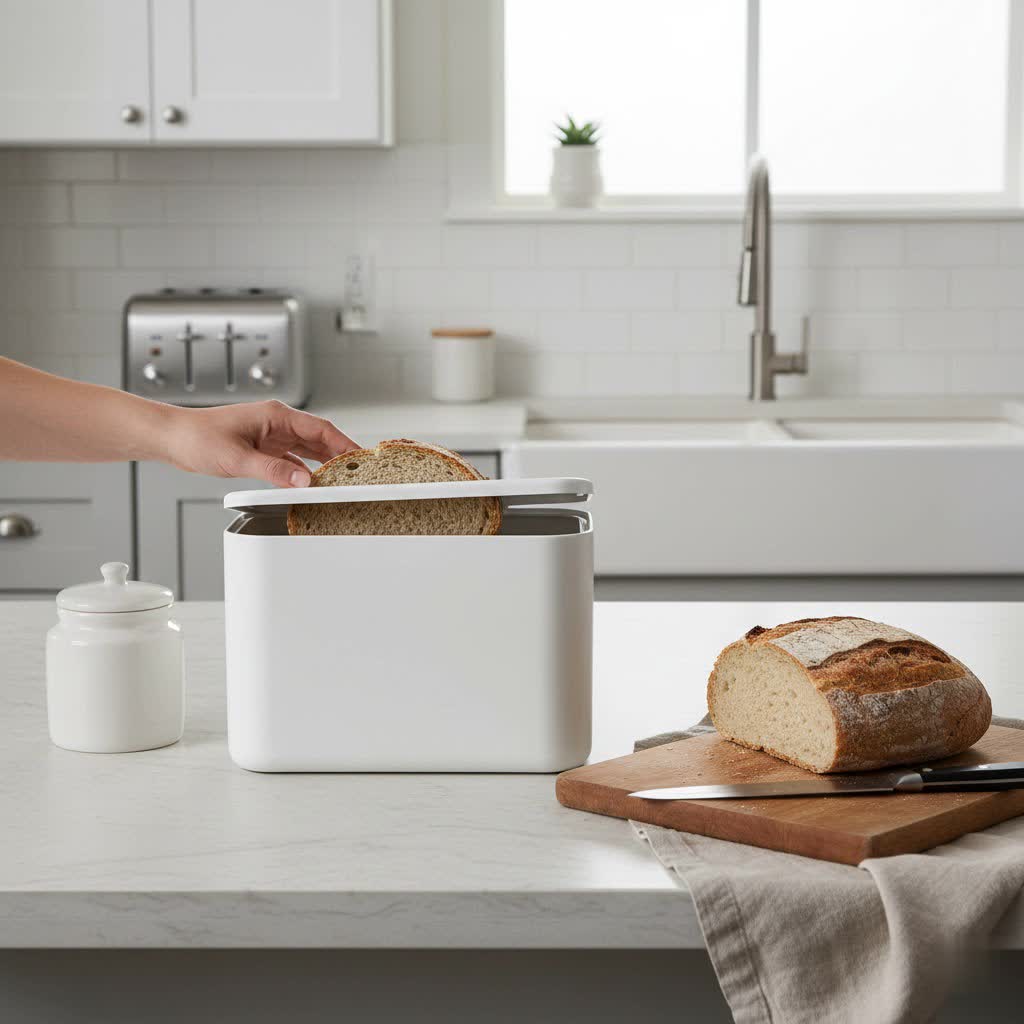
Are you tired of cluttered countertops and prematurely stale bread? Every home chef and busy individual understands the frustration of finding that perfectly baked loaf has lost its freshness too soon, or that valuable kitchen space is swallowed by various storage containers. It’s a common dilemma, but there’s an elegant, space-saving solution designed to tackle both challenges: the corner bread box. This often-overlooked kitchen essential not only preserves your baked goods but also transforms an underutilized corner into a functional and aesthetically pleasing storage hub. Join us as we explore how a corner bread box can revolutionize your kitchen organization and keep your bread delightfully fresh, day after day.
What is a Bread Box?
At its heart, a bread box is a specialized container designed to keep bread and other baked goods fresh for longer periods than simply leaving them on the counter or in their original packaging. Its primary function is to create an optimal microclimate—a balance of humidity and airflow—that slows down the staling process and inhibits mold growth. Historically, bread boxes have evolved from simple clay or ceramic crocks in pantries to the diverse range of materials and designs we see in modern kitchens today. While the fundamental purpose remains the same, contemporary bread boxes, especially those designed for corners, offer enhanced functionality and integrate seamlessly with modern home aesthetics. For shop curated kitchen organization on this site.
Why a Corner Bread Box is Your Kitchen’s Best Friend
A corner bread box isn’t just another kitchen accessory; it’s a strategic storage solution that offers a multitude of benefits, particularly for those looking to maximize space and maintain optimal freshness for their baked goods.
Space-Saving Innovation
One of the most compelling advantages of a corner bread box is its ingenious use of space. Kitchens, regardless of size, often have underutilized corner areas on countertops. A corner bread box is specifically designed with a triangular or wedge shape to fit snugly into these 90-degree angles, reclaiming valuable real estate that would otherwise go to waste. This innovative design allows you to clear central countertop areas, making your kitchen feel more open, organized, and efficient, especially in smaller living spaces.
Keeps Bread Fresher Longer
The magic of a bread box lies in its ability to regulate humidity and airflow. Unlike an airtight container that can trap too much moisture, leading to mold, or an open counter that exposes bread to too much air, causing it to dry out quickly, a well-designed bread box provides the perfect environment. It allows for just enough air circulation to prevent condensation build-up while retaining sufficient moisture to keep your bread soft and palatable. This delicate balance means your sourdough, artisan loaves, and sandwich bread stay fresh for days longer than traditional storage methods.
Protects from Pests and Elements
|
Our Picks for the Best Bread Box in 2026
As an Amazon Associate I earn from qualifying purchases.
|
||
| Num | Product | Action |
|---|---|---|
| 1 | Sunhoo Bread Box for Kitchen Countertop Wooden Bread Storage Container Bin 2 Layer Breadbox Holder Large Capacity Keeper Vintage Farmhouse Food Organizer Pantry Shelf Acrylic Window (Brown) |

|
| 2 | Double Layer Bread Box for Kitchen Countertop, Large Breadbox Bread Container Storage with Windows, Wooden Farmhouse Bread Holder (Black) |
|
| 3 | Fullin Bread Box for Kitchen Countertop, Bread Storage Container Large Capacity Bamboo Homemade Bread Boxes, Bread Food Holder Organizer with Acrylic Window for Kitchen Counter, Panry Shelf, Cabinet |
|
| 4 | ZICOTO Beautiful Bread Box With Wooden Lid For Your Kitchen Countertop - Spacious Container Perfectly Stores Your Homemade Bread, English Muffins & Bagels - Quality Cutting Board Lid Keeps Loaf Fresh |
|
| 5 | Bread Box Bread Boxes for Kitchen Counter Airtight, Time Recording Bread Storage Container with Lid, Bread Keeper for Homemade Bread, Toast, Bagel, Donut and Cookies, Grey |
|
| 6 | Amazon Basics Carbon Steel Bread Box with Acacia Wood Lid, Lid Doubles as Cutting Board, 11.9 x 7.1 x 5.2 in. |
|
| 7 | ROYALHOUSE Natural Bamboo Roll Top Bread Box Kitchen Food Storage - Assembly Required |
|
| 8 | Black Corner Bread Box for Kitchen Countertop, Large Bread Container Storage Bamboo Wooden Farmhouse Bread Box with Window Bread Holder |
|
| 9 | Bamboo Bread Box for Kitchen Counter-Large Capacity Bread Storage Container Farmhouse Bread Box with Window Bread Holder |
|
| 10 | 2 Pack Glass Loaf Pan with Lid, 1.9QT/ 62 OZ Bread Pan - Baking Dish with Airtight Lids BPA free - Meatloaf Pans For Homemade Bread, Baking, Cakes, Dessert,Microwave & Oven Safe |
|
Beyond freshness, a bread box acts as a protective barrier. It shields your bread from common kitchen nuisances such as curious pets, airborne dust, and even the occasional fly. By enclosing your baked goods within a sturdy container, you create a sanitary environment, free from external contaminants and minor household disruptions, ensuring your food is safe and clean until you’re ready to enjoy it.
Declutters and Beautifies
Beyond its practical benefits, a corner bread box significantly contributes to a more organized and aesthetically pleasing kitchen. By providing a dedicated, attractive home for your bread, it eliminates unsightly bags and wraps from your counters. Available in a wide array of materials, finishes, and designs, a corner bread box can complement your existing decor, adding a touch of rustic charm, modern sleekness, or minimalist elegance. It transforms an ordinary necessity into a stylish design element, enhancing the overall appeal of your kitchen.
Exploring Popular Corner Bread Box Types
Corner bread boxes come in various materials and designs, each offering unique benefits and aesthetics. Understanding these differences is key to choosing the perfect one for your home.
By Material
The material of your bread box plays a significant role in its ability to keep bread fresh, its durability, and its overall appearance.
- Wood: Wooden bread boxes, often crafted from bamboo, pine, poplar, or olivewood, offer a classic, natural, and warm aesthetic. Bamboo is particularly popular due to its sustainability and lightweight yet sturdy nature. Wood has natural properties that can help regulate humidity, sometimes even possessing antibacterial qualities due to tannic acid. However, some wooden boxes can be overly porous, potentially causing bread to dry out faster if not designed with proper ventilation. They typically require minimal maintenance, often just a wipe with a damp cloth, but should be kept away from excessive moisture to prevent warping. Wood can also showcase unique knots and grain patterns, making each piece distinct.
- Metal: Metal bread boxes, frequently made from stainless steel or aluminum, present a sleek, modern, and often industrial look. They are highly durable, robust, and generally easy to clean, resisting dust effectively. Many metal designs incorporate clear windows or panels for easy viewing of contents. The main consideration with metal is ensuring adequate ventilation to prevent moisture from accumulating and leading to mold. Without proper airflow, metal can become too airtight. They can also be prone to showing fingerprints and smudges, and thinner metal versions might dent with impact.
- Plastic: Plastic bread boxes are typically lightweight, affordable, and come in a wide range of colors and styles. They are easy to clean and often shatterproof. However, plastic can sometimes be less breathable than wood, requiring careful design to ensure proper ventilation. Aesthetically, they may not offer the same premium feel as wood or metal, but modern designs are increasingly sophisticated.
- Ceramic/Stoneware: While less common for dedicated corner designs due to their weight and fragility, traditional ceramic or stoneware bread crocks are excellent at regulating temperature and humidity due to their natural breathability. They offer a rustic, old-world charm but can be heavy and susceptible to breakage.
By Design & Features
Beyond material, the design and additional features of a corner bread box can significantly impact its usability and convenience.
- Roll-Top/Flip-Top: These are common lid styles that offer easy access to your bread. Roll-top designs often slide back and tuck away, saving vertical space, while flip-top lids hinge open. Both provide convenient access without fully removing a lid.
- Multi-Tier/Shelved: Some larger corner bread boxes feature two or more internal tiers or adjustable shelves, allowing you to store multiple loaves, pastries, or even other small kitchen items like coffee beans or spices. This design further enhances their space-saving capability.
- Clear Windows/Opaque Doors: Many modern corner bread boxes incorporate clear acrylic or glass windows, allowing you to quickly check your bread supply without opening the box. Others feature opaque doors, providing a seamless look that conceals clutter for a tidier appearance.
- Magnetic Latches/Ventilation: Features like magnetic latches ensure the door stays securely closed, maintaining the internal environment. Crucially, look for models with subtle ventilation holes or slight gaps in the design that promote essential airflow to prevent mold and staleness.
Comparison Table: Choosing Your Ideal Corner Bread Box
To help you make an informed decision, here’s a detailed comparison of common corner bread box types:
| Feature | Wooden (Bamboo/Pine) | Metal (Stainless Steel) | Plastic | Ceramic (Traditional) |
|---|---|---|---|---|
| Aesthetic | Natural, warm, rustic, farmhouse | Modern, sleek, industrial, minimalist | Contemporary, varied colors | Traditional, artisanal, sturdy |
| Durability | Good, can be dented if thin | Excellent, but can dent if thin | Good, shatter-resistant | Good, but fragile if dropped |
| Freshness | Good (if ventilated), can dry faster | Good (if ventilated), can be too airtight | Moderate (needs good ventilation) | Excellent, stable humidity |
| Maintenance | Wipe clean, avoid excessive moisture | Wipe clean, shows fingerprints | Wipe clean | Hand wash, can be heavy |
| Ventilation | Often natural breathability | Requires dedicated vents | Requires dedicated vents | Natural porosity |
| Weight | Light to moderate | Moderate | Light | Heavy |
| Price Range | Moderate to High | Moderate to High | Low to Moderate | Moderate to High |
| Space-Saving | Excellent (corner design) | Excellent (corner design) | Excellent (corner design) | Moderate (less common in corner shapes) |
| Common Styles | Roll-top, hinged, multi-tier | Roll-top, hinged, clear window | Hinged, basic | Crock, lift-off lid |
How to Select the Perfect Corner Bread Box
Choosing the right corner bread box involves more than just picking one that looks good. It requires a thoughtful assessment of your specific needs, kitchen environment, and desired features.
Assess Your Needs
Before diving into options, consider how you use and store bread in your home.
- Quantity of Bread: Do you typically store a single loaf, or do you need space for multiple loaves, bagels, or pastries for a large family? Some corner designs offer multi-tier storage, ideal for varied baked goods.
- Kitchen Space: Measure your available corner countertop space carefully, including the height under any overhead cabinets. Corner bread boxes come in various dimensions, and ensuring a snug fit is crucial for maximizing their space-saving potential.
- Kitchen Style: Think about your existing interior decor. Do you prefer the rustic charm of wood, the minimalist appeal of metal, or something more colorful? The bread box should complement, not clash with, your kitchen’s aesthetic.
Material & Design Choices
The material and design you choose will directly impact both function and form.
- Balancing Breathability and Moisture Retention: As discussed, natural materials like wood often offer inherent breathability, but modern metal or plastic boxes with engineered ventilation can perform just as well. The goal is to prevent mold without allowing bread to dry out too quickly.
- Door Type and Accessibility: Consider how often you access your bread and how much space you have for the door to open. Roll-top doors are excellent for tight spaces, sliding neatly away, while hinged or flip-top lids require a bit more clearance but often offer a wider opening. Look for features like magnetic latches for secure closure.
Essential Features
Don’t overlook the details that enhance daily usability and bread preservation.
- Ventilation: This is paramount. Look for subtle vents, small gaps, or designs that ensure a fraction of airflow. This prevents the humid, stagnant air that promotes mold growth while retaining enough moisture to keep bread soft.
- Ease of Cleaning: Bread boxes should be cleaned periodically to remove crumbs and prevent mold spores. Smooth surfaces and simple designs are typically easier to wipe down with a damp cloth or a vinegar-water solution.
- Stability and Non-Slip Feet: A good corner bread box should feel sturdy on your countertop and ideally have non-slip feet to prevent it from shifting or scratching surfaces.
Top Corner Bread Box Picks for 2026
While specific models can vary, certain types and brands consistently receive high marks for their design, functionality, and ability to excel in corner spaces.
- Best Bamboo Corner Bread Box: Products like the Goozii Corner Bread Box are highly rated for their two-layer bamboo construction, often featuring an acrylic window and a smart triangular design that fits perfectly into corners. Bamboo is sustainable, lightweight, and offers a warm, natural look.
- Best Wooden Corner Bread Box: For those who appreciate craftsmanship and customizable aesthetics, solid wood options from brands like Sawdust City LLC offer handmade quality, often with choices in finishes and colors to match any kitchen. These pieces provide a classic, durable solution.
- Versatile Design with Visibility: Some corner units combine materials, such as bamboo or wood with clear acrylic wavy door panels. This allows for partial visibility of contents while maintaining a clean, organized look that hides minor clutter. These often feature adjustable shelves for versatile storage.
When investing in a corner bread box, prioritize those that offer a good balance of material quality, effective ventilation, and a design that seamlessly integrates into your kitchen’s unique layout.
“A well-chosen corner bread box is more than just storage; it’s a testament to thoughtful kitchen design, transforming overlooked space into a fresh-bread haven.” – Chef Isabella Rossi, Culinary Design Expert
Conclusion
Choosing the right corner bread box is a simple yet impactful decision that can significantly enhance your kitchen’s functionality and aesthetic. By understanding the distinct advantages of these space-saving essentials, from extending the life of your favorite loaves to decluttering your countertops, you’re empowered to make a choice that perfectly aligns with your lifestyle. Whether you prefer the natural appeal of bamboo, the sleekness of stainless steel, or the traditional charm of solid wood, a corner bread box offers a smart solution to common kitchen challenges. It’s an investment in both practicality and peace of mind, ensuring your baked goods are always fresh, accessible, and beautifully stored.
Which corner bread box will transform your kitchen into a more organized and enjoyable space?
Frequently Asked Questions
How does a corner bread box keep bread fresh?
A corner bread box maintains freshness by creating a semi-sealed environment that balances humidity and airflow. It prevents excessive moisture buildup, which causes mold, while also preventing too much air exposure, which leads to dryness and staleness. This regulated atmosphere keeps bread softer and edible for longer.
Are wooden corner bread boxes better than metal ones?
Neither is inherently “better”; it depends on preference and specific design. Wooden bread boxes often offer natural breathability and a warm aesthetic, though some can dry bread out faster. Metal boxes are durable and sleek, but require intentional ventilation to prevent mold. Both can be effective if well-designed.
What size corner bread box do I need?
The ideal size depends on your household’s bread consumption and available counter space. Measure the corner area where you plan to place it, including height under cabinets. Consider if you need to store one loaf or multiple items like bagels and pastries, opting for multi-tier designs if more capacity is required.
How do I clean my corner bread box?
Most bread boxes can be cleaned by wiping them down with a damp cloth. For wooden boxes, avoid excessive moisture. For all materials, periodically clean out crumbs and wipe surfaces with hot soapy water or a mild vinegar-water solution to prevent mold or bacteria buildup. Always follow manufacturer’s instructions for specific care.
Cooking gear we tested in our own kitchens
Free PDF — preheat times measured on 10 popular air fryers.
